Blog


TL;DR:
- Choosing the right foundation is crucial for building longevity, moisture control, and stability.
- Common foundation types include paving slabs, timber frames, ground screws, and concrete slabs.
- Site conditions like soil type, slopes, and drainage significantly influence foundation suitability.
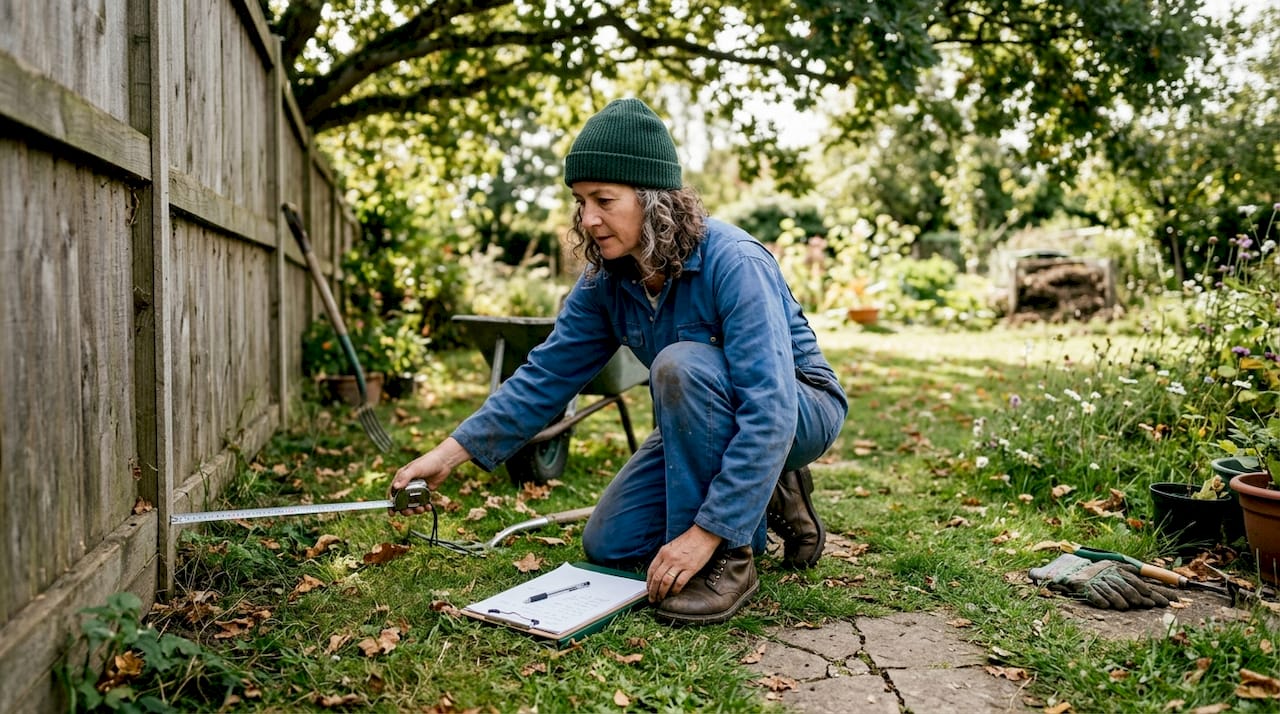
Picking the wrong foundation is one of the most common and costly mistakes UK homeowners make when planning a garden building. It’s easy to assume all foundations are much the same, that you just need something solid underfoot and you’re good to go. But that thinking leads to shifting floors, rising damp, and buildings that need expensive repairs within a few years. The right foundation affects everything: how long your building lasts, how warm and dry it stays, and how well it handles the UK’s wet winters. This guide walks you through what you need to know to make a confident, informed choice.
Table of Contents
- Why foundation choice matters for your garden building
- Main types of foundations for garden buildings explained
- How your garden’s site, soil, and use affect foundation choice
- Keeping garden buildings dry: moisture control and foundation drainage
- Our take: where most guides get garden building foundations wrong
- Expert help and inspiration for your perfect garden building
- Frequently asked questions
Key Takeaways
| Point | Details |
|---|---|
| Foundation impacts durability | Picking the right foundation protects your garden building from settling, moisture, and premature wear. |
| Site and soil matter | Assess soil type, slope, and drainage before committing to a foundation to avoid costly mistakes. |
| Moisture control is critical | Proper drainage and separation techniques can prevent damp, rot, and future water damage. |
| Modern options save time | Ground screws are fast and eco-friendly but still depend on your garden’s conditions. |
Why foundation choice matters for your garden building
A foundation does far more than just hold your building up. It distributes the weight of the structure evenly, keeps moisture from rising up through the floor, and protects against ground movement caused by frost, rain, and seasonal soil shifts. Whether you’re putting up a simple shed, a summerhouse, or a fully insulated log cabin for year-round use, the foundation is where performance starts.
Get it wrong, and the problems stack up quickly. Here are the main risks:
- Shifting and settling: An unsuitable foundation can allow your building to move over time, causing doors and windows to jam, floors to warp, and walls to crack.
- Water ingress: Poor drainage under and around the foundation lets moisture build up, which leads to rot, mould, and structural damage.
- Poor insulation: A foundation that doesn’t account for airflow and separation from the ground will make your building cold and damp, no matter how well you insulate the walls.
- Increased maintenance: A badly chosen foundation means you’ll spend more time and money on repairs, treatments, and fixes that could have been avoided.
The most common mistakes are skimping on site preparation, not matching the foundation to the size and intended use of the building, and ignoring drainage entirely. Many homeowners focus all their attention on the building itself and treat the foundation as an afterthought.
“Getting the foundation right from the start is the single biggest factor in how long your garden building lasts and how little maintenance it needs.”
As foundation risks and benefits research confirms, foundation type affects stability, moisture resistance, and suitability for different building weights. Spending a little more time and thought at this stage pays back many times over. It’s also worth reading up on preparing your garden site before you commit to any foundation type.
Main types of foundations for garden buildings explained
There are four core foundation types used for garden buildings in the UK. Each has its place, and understanding the differences helps you pick the right one for your project.
- Paving slabs: A popular DIY choice for lighter buildings. Slabs are laid on a compacted gravel base and are relatively quick and affordable to install. They work well for small sheds and summerhouses but can shift over time on soft or uneven ground.
- Timber frame: A grid of treated timber bearers sits on the ground or on small pads. It’s flexible, relatively cheap, and allows airflow underneath the building. Best suited to lighter structures and temporary or semi-permanent use.
- Ground screws (screw piles): Metal screws are driven into the ground to create a stable platform. They’re fast to install, cause minimal disruption to your garden, and are increasingly popular for eco-conscious homeowners. They work well on slopes and uneven ground.
- Concrete slab: The most robust option. A poured concrete base provides a solid, level, and permanent foundation. It’s the go-to for heavy, year-round buildings like home offices and large log cabins.
| Foundation type | DIY-friendly | Speed of install | Maintenance | Eco impact |
|---|---|---|---|---|
| Paving slabs | Yes | Fast | Low to medium | Medium |
| Timber frame | Yes | Fast | Medium | Low |
| Ground screws | Possible | Very fast | Very low | Low |
| Concrete slab | No | Slow | Very low | High |
Paving slabs and timber frames are cheaper and DIY-friendly for lighter sheds but are less suited to heavy, year-round use. Meanwhile, ground screws are gaining ground due to speed, minimal disruption, and sustainability, though concrete remains preferred for heavy permanent builds.
If you’re weighing up the foundation differences for sheds and cabins, the gap between a simple shed base and a proper cabin foundation is significant. For a fuller comparison, see our breakdown of log cabins versus sheds.
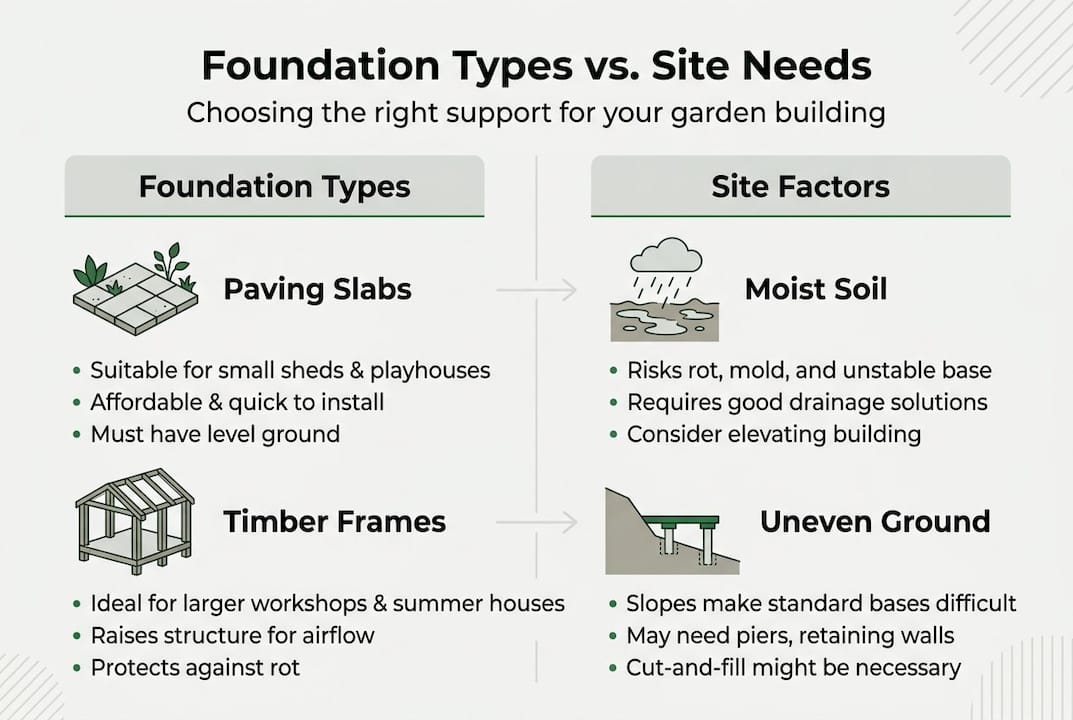
Pro Tip: If you’re self-installing paving slabs, always compact the sub-base thoroughly and use a spirit level at every stage. An unlevel base causes more problems than almost anything else.
How your garden’s site, soil, and use affect foundation choice
Your garden’s specific conditions can make or break a foundation decision. Most homeowners underestimate just how much the ground beneath their feet varies, even within a single garden.
Here are the key site factors to think about:
- Soil type: Clay soil expands when wet and shrinks when dry, which can cause concrete slabs to crack or shift. Sandy or loamy soil drains well but may need extra compaction.
- Slopes: A sloping garden rules out simple slab or timber frame options unless you’re prepared to do significant groundwork. Ground screws handle slopes far more easily.
- Tree roots: Roots from nearby trees can grow under and lift foundations over time. This is a particular risk for concrete slabs and paving.
- Drainage history: If your garden holds water after heavy rain, that’s a warning sign. A waterlogged site needs extra drainage work before any foundation goes in.
- Access: Some foundation types, particularly concrete, require machinery or large deliveries. A narrow side access can limit your options.
| UK soil type | Characteristics | Best foundation match |
|---|---|---|
| Clay | Shrinks/swells with moisture | Ground screws or piles |
| Sandy/loamy | Free-draining, stable | Paving slabs or concrete |
| Chalk | Firm but can crack | Concrete slab |
| Peat | Soft, compressible | Ground screws or piles |
| Made ground | Unpredictable, variable | Site survey essential |
As site and soil considerations confirm, slopes, trees, and soft soil favour ground screws or piles, while clay or unstable ground risks concrete shifting, making site surveys essential. A basic survey doesn’t have to be expensive, and it can save you thousands in future repairs.
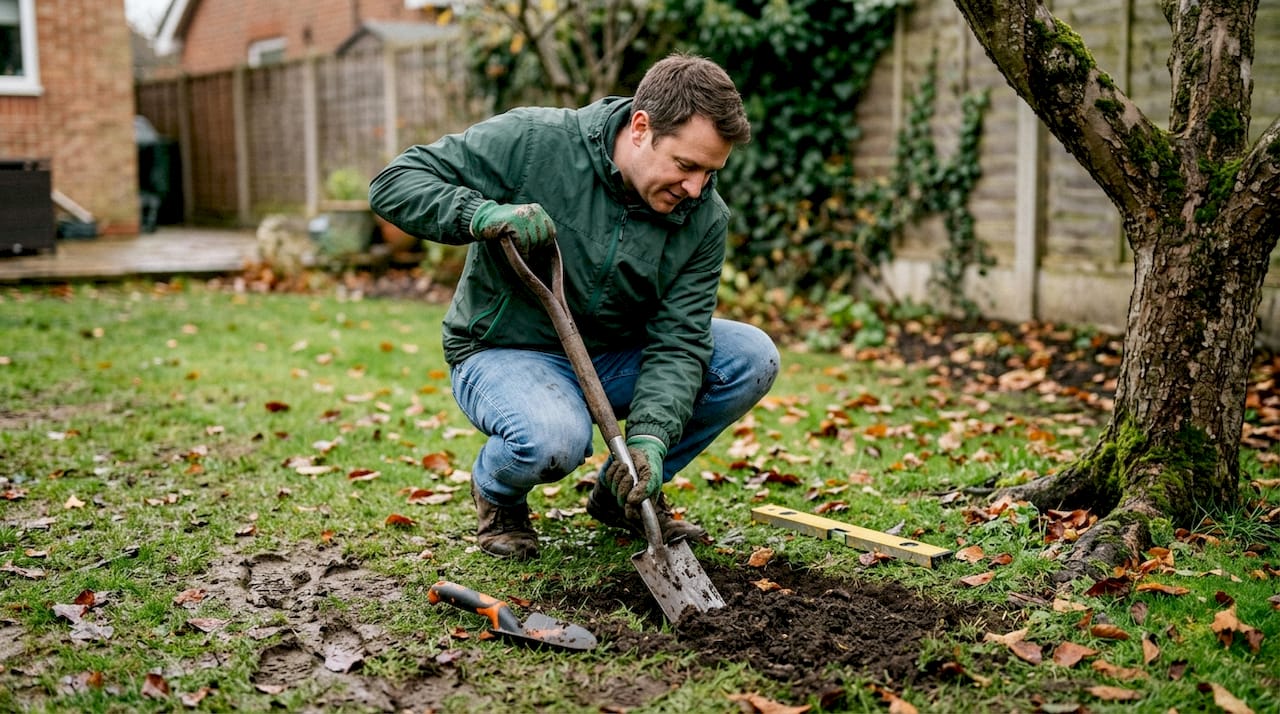
Our site preparation advice covers the practical steps in more detail, and you can also explore sustainable foundation options if you want to keep the environmental impact low.
Pro Tip: Walk your lawn the day after heavy rain. If it feels spongy or your footprints leave deep impressions, you likely have drainage or soil issues that need addressing before you lay any foundation.
Keeping garden buildings dry: moisture control and foundation drainage
The UK’s wet climate makes moisture management one of the most important parts of any garden building project. Even a well-built cabin on a solid foundation can develop problems if water isn’t managed properly from the start.
Timber and slab foundations are particularly prone to moisture issues, which is why good drainage and separation from the soil are essential on any base type.
Here’s how to get the drainage right from the outset:
- Clear and level the site first, removing all vegetation, roots, and debris.
- Lay a weed membrane over the cleared ground to prevent plant growth pushing up through your base.
- Add a compacted gravel layer of at least 50mm to allow water to drain away freely beneath the building.
- Ensure the foundation sits proud of the surrounding ground so rainwater runs away from the building rather than pooling underneath it.
- Leave an air gap between the base of the building and the ground where possible, particularly with timber frame foundations.
Once your building is up, keep an eye out for these warning signs:
- Condensation on windows or walls inside the building
- A musty or damp smell when you open the door
- Discolouration or staining on the lower sections of internal walls
- Swelling or warping of timber floors or skirting boards
- Visible mould growth in corners or on ceiling edges
For more detail on keeping your cabin in good shape, our moisture prevention advice is a great starting point. You can also find practical guidance on weatherproofing your log cabin and our top tips for waterproofing.
Pro Tip: Installing a weed membrane combined with a 75mm gravel layer can effectively double your moisture resistance compared to laying a base directly on bare soil. It’s a small extra step with a big long-term payoff.
Our take: where most guides get garden building foundations wrong
Most foundation guides treat this as a simple comparison exercise. Pick your budget, pick your building size, and match them to a foundation type. Job done. We don’t think that’s good enough.
The rise of ground screws is genuinely exciting, and we recommend them often. But they’re not a universal fix. Gardens with significant historic ground movement, dense tree root networks, or previous construction underneath can catch people out. Ground screws need solid, consistent soil to perform well. Skipping a proper assessment and assuming they’ll work anywhere is a mistake we see more often as they grow in popularity.
On the other side, concrete slabs are frequently oversold for average UK gardens. They’re strong, yes, but they’re also inflexible, disruptive to install, and can actually create drainage problems if the surrounding ground isn’t graded properly.
The real answer is holistic site evaluation, not just foundation comparison shopping. Think about your soil, your drainage, your building’s intended use, and your long-term plans for the space. Our eco-friendly foundation perspectives explore this broader view in more depth. The best foundation is the one that fits your specific garden, not just the one that’s most popular this year.
Expert help and inspiration for your perfect garden building
Choosing the right foundation is so much easier when you can see how it all comes together in a real project. Whether you’re still in the planning stage or ready to move forward, seeing finished builds can spark ideas and give you confidence in your choices.
Browse our garden log cabin gallery to see how different foundations and designs work across a wide range of UK gardens. If you’d like something tailored to your space, our bespoke cabin design service is built around your exact requirements. And if you’re just starting out, our garden building inspiration pages are a great place to explore what’s possible. We’re always happy to help you find the right fit.
Frequently asked questions
What is the best foundation for a heavy garden building in the UK?
Concrete is preferred for very heavy and permanent builds due to its strength and stability, though ground screws offer a quicker, low-disruption alternative where soil conditions allow.
Do I need a site survey before choosing a garden building foundation?
Yes. A site survey checks soil stability, drainage, slopes, and nearby trees, all of which directly affect which foundation is safest and most cost-effective for your garden. Always site survey to avoid costly mistakes from soft soil or root interference.
Are ground screws suitable for sloped or tree-filled gardens?
Ground screws and piles handle slopes and tree-filled gardens far better than traditional slabs or concrete, as they can be adjusted for uneven ground without major excavation.
How can I prevent my garden building from getting damp?
Focus on drainage first: use a weed membrane, a compacted gravel sub-base, and make sure the foundation sits above the surrounding ground level. Moisture issues are common on timber and slab bases, so good separation from the soil is essential.
Recommended
- Garden Building Foundations: Ensuring Durability And Compliance
- Preparing Your Garden For A Building Project
- How To Build A Garden Shed: Step-by-Step Guide For UK Gardens
- Garden Building Materials Explained: Smarter UK Choices
- Sustainable Heating Explained: Complete Hampshire Guide – Skan Plumbing & Heating