
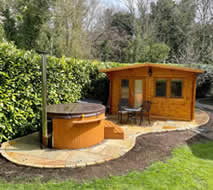
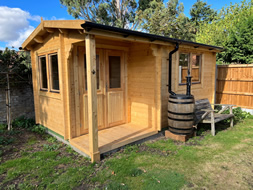
Building a bespoke garden structure on your property can feel daunting when you realise how much hinges on the right foundation choice. For homeowners across the United Kingdom, the stakes are high since foundations guard against ground movement and ensure long-term durability for your garden room, studio, or shed. With site conditions, soil type, and building size all influencing your decision, this guide will help you understand the critical role of garden building foundations so your investment remains robust, dry, and fully compliant with local regulations.
Table of Contents
- Defining Garden Building Foundations and Their Role
- Choosing Foundation Types for UK Garden Buildings
- Site Investigation, Preparation, and Drainage Essentials
- Meeting UK Building Regulations and Planning Requirements
- Cost, Common Pitfalls, and Compliance Risks
Key Takeaways
| Point | Details |
|---|---|
| Foundation Types | Select foundation types based on soil conditions, building size, and local climate for optimal stability. |
| Site Investigation | Conduct a thorough site survey to identify potential challenges before commencing groundwork. |
| Regulatory Compliance | Adhere to UK building regulations regarding foundation depth and material standards to ensure safety. |
| Cost Management | Allocate a contingency budget of 15-20% above the initial estimate to cover unexpected site complications. |
Defining Garden Building Foundations and Their Role
Foundations are the critical structural base that support garden buildings, providing essential stability and protection against ground movement and environmental challenges. Garden building foundations transfer structural loads safely while preventing settlement, moisture penetration, and potential structural defects.
The primary purpose of a garden building foundation is to create a robust, level platform that distributes the structure’s weight evenly across the ground. Different foundation types are selected based on specific site conditions, including soil composition, building size, and local climate. Key considerations include ground stability, drainage potential, and load-bearing requirements. Foundation design must account for both dead loads (the building’s permanent weight) and potential live loads from usage and environmental factors.
Most garden building foundations in the United Kingdom typically involve several standard approaches:
- Strip foundations for load-bearing walls
- Pad foundations for point load distribution
- Pile foundations for challenging soil conditions
- Raft foundations for larger or heavier structures
Each foundation type offers unique benefits depending on specific site requirements, ensuring structural integrity and longevity for your garden building project.
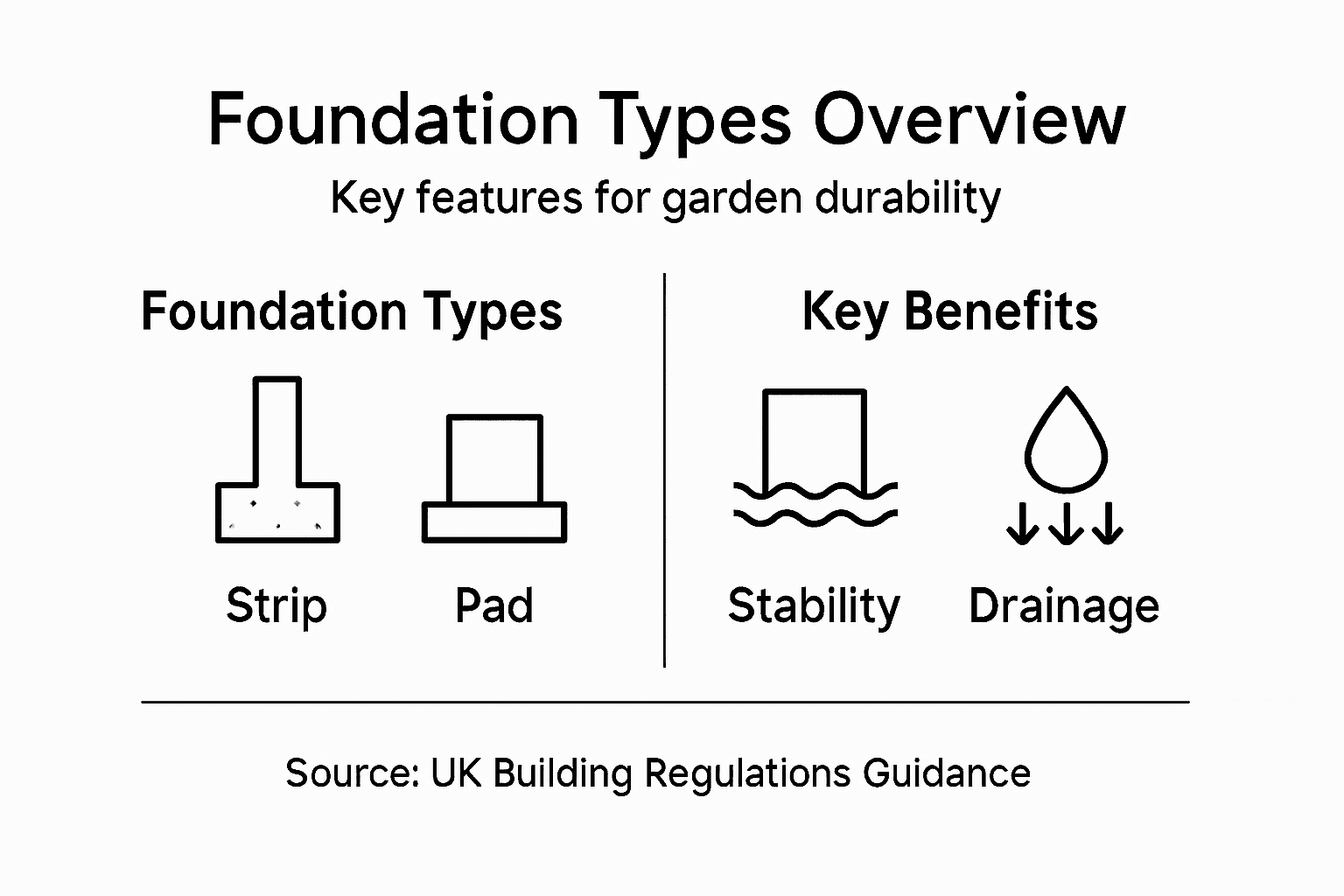
The following table highlights the differences between common UK garden building foundation types, helping you choose based on project requirements:
| Foundation Type | Best Suited For | Advantages | Limitations |
|---|---|---|---|
| Strip Foundation | Load-bearing wall buildings | Even weight distribution | Not ideal for poor soil |
| Raft Foundation | Large/heavy structures | Handles weak ground well | Higher material cost |
| Piled Foundation | Unstable/variable soils | Effective on difficult sites | Requires specialist installation |
| Pad Foundation | Point loads (sheds, cabins) | Simple and fast to install | Limited load capacity |
Pro tip: Before selecting a foundation, always conduct a professional site survey to understand your specific ground conditions and potential challenges.
Choosing Foundation Types for UK Garden Buildings
Selecting the appropriate foundation for a garden building is a critical decision that depends on multiple factors, including soil conditions, building size, and local environmental challenges. Foundation systems must be carefully chosen to ensure long-term structural stability and prevent potential settlement issues.
The United Kingdom offers several standard foundation types suitable for garden buildings, each designed to address specific site requirements. Strip foundations work well for most standard garden structures with load-bearing walls, providing a continuous concrete base that distributes weight evenly. Trench fill foundations offer a similar approach, with the trench completely filled with concrete to create a solid supporting platform. For more challenging terrain or heavier garden buildings, raft foundations and piled foundations become essential solutions, especially when dealing with weak or unstable ground conditions.
Key considerations for foundation selection include:
- Soil bearing capacity
- Structural load requirements
- Local drainage conditions
- Potential ground movement
- Budget constraints
- Building size and weight
Site-specific geotechnical data plays a crucial role in determining the most appropriate foundation type. Professional assessment helps prevent potential issues like differential settlement, soil shear failure, and structural instability. While some garden building projects might seem straightforward, consulting with a structural engineer can save significant time and expense in the long term.
Pro tip: Invest in a professional site survey before finalising your foundation design to identify potential ground challenges and ensure the most suitable foundation solution.
Site Investigation, Preparation, and Drainage Essentials
Preparing a site for a garden building foundation requires meticulous investigation and strategic planning to ensure long-term structural integrity. Site preparation involves comprehensive assessment of soil conditions, potential ground movement, and environmental factors that could impact the building’s stability.
The initial site investigation focuses on several critical aspects. Soil analysis determines the ground’s bearing capacity and potential for movement, which directly influences foundation design. Particular attention must be paid to nearby trees, as their root systems and moisture uptake can cause significant soil shrinkage and potential foundation damage. Excavation must be carefully conducted to reach undisturbed soil, with depth determined by specific site conditions and building requirements.
Drainage is a crucial consideration in site preparation. Key drainage strategies include:
- Installing adequate perimeter drainage
- Creating proper ground slope away from the foundation
- Using hardcore layers to improve ground stability
- Implementing moisture barriers
- Ensuring effective water management systems
Comprehensive site preparation goes beyond simple excavation. Professionals typically recommend compaction techniques, membrane installation, and careful assessment of ground conditions to prevent future moisture-related issues. Understanding the unique characteristics of your specific site is essential in developing an effective foundation strategy that will protect your garden building for years to come.
Pro tip: Consult a professional geotechnical engineer to conduct a thorough site survey, identifying potential ground challenges before commencing any foundation work.
Meeting UK Building Regulations and Planning Requirements
Navigating the complex landscape of UK building regulations is crucial for any garden building project. Building regulations provide a comprehensive framework that ensures structural safety, foundation integrity, and compliance with national construction standards.
The regulatory requirements for garden building foundations are multifaceted and depend on several critical factors. Foundation depth must be carefully calculated to prevent frost heave and accommodate potential soil movement, particularly in areas with challenging ground conditions. Regulations mandate specific minimum depths and construction methods that vary based on local soil characteristics, proximity to existing structures, and the intended use of the garden building.
Key regulatory considerations include:
- Structural load transmission
- Soil bearing capacity assessment
- Minimum foundation depth requirements
- Compliance with party wall regulations
- Prevention of structural undermining
- Material specifications and quality standards
Building control approval represents a critical step in the construction process. Homeowners must submit detailed foundation plans for professional review, typically involving inspections at various stages of construction. Local council planning permissions may be required depending on the garden building’s size, location, and intended use. Professional consultation with structural engineers can help navigate these complex regulatory requirements and ensure full compliance.
Use this summary table for a quick reference on essential UK building regulations for garden building foundations:
| Regulation Aspect | Typical Requirement | Impact on Foundation Design |
|---|---|---|
| Minimum Depth | 450mm or more, site-dependent | Prevents frost heave |
| Material Standards | Certified concrete and hardcore | Ensures structural durability |
| Inspection Stages | At excavation and after pouring | Compliance with safety rules |
| Proximity Rules | Varies by local authority | Protects existing structures |
Pro tip: Always consult your local building control office early in the planning process to understand specific regulatory requirements for your garden building project.
Cost, Common Pitfalls, and Compliance Risks
Understanding the financial and regulatory landscape of garden building foundations is crucial for homeowners seeking to avoid costly mistakes. Foundation costs can vary dramatically depending on site complexity, soil conditions, and chosen construction methods, making comprehensive planning essential.
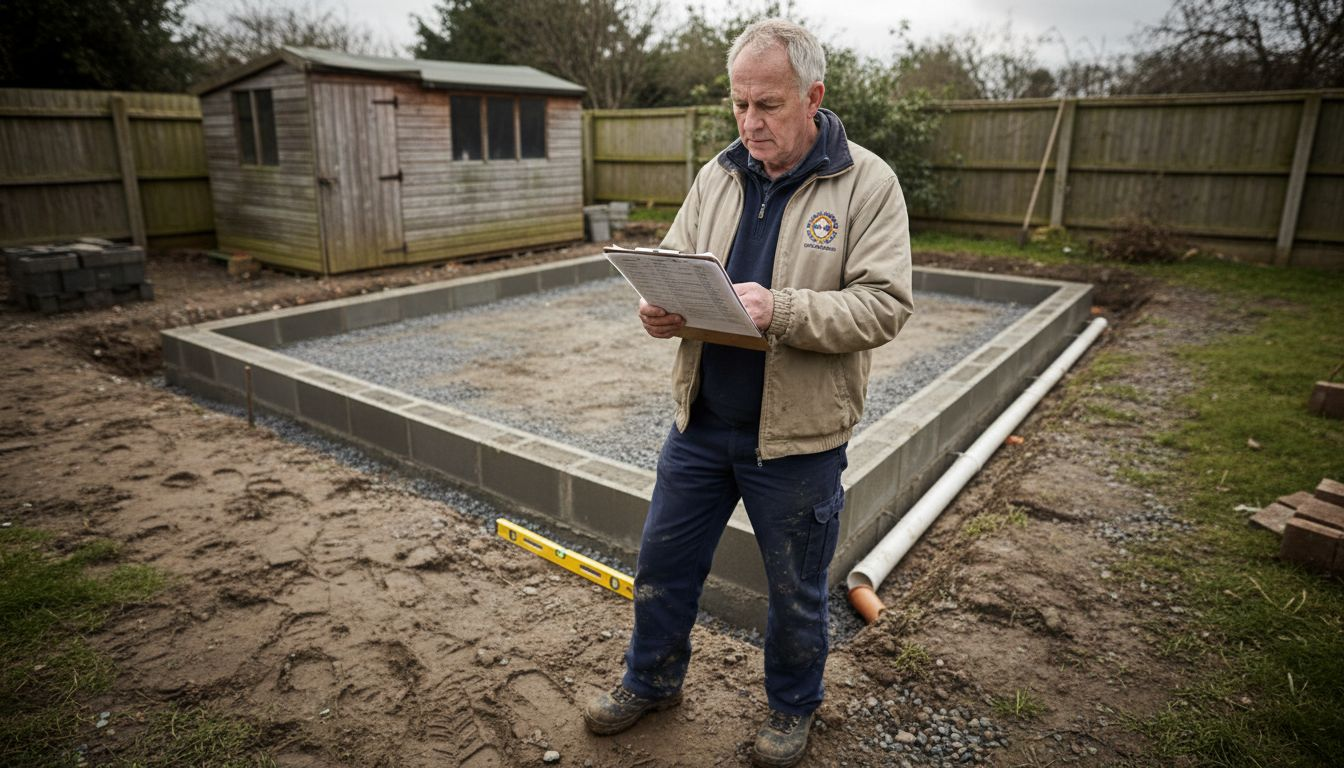
Engineered foundation systems represent a significant investment, with more complex solutions like piled foundations costing substantially more than standard strip foundations. The primary cost drivers include site investigation, ground preparation, material selection, and professional engineering consultations. Homeowners must budget not just for initial construction, but also potential remedial work arising from inadequate initial planning.
Common pitfalls in garden building foundation construction include:
- Inadequate site investigation
- Underestimating potential soil movement
- Overlooking drainage requirements
- Insufficient foundation depth
- Neglecting proximity to existing structures
- Failing to consult local building control
Compliance risks can result in significant financial and legal challenges. Non-compliance might trigger enforcement actions, requiring expensive rebuilding or retrospective approvals. Potential consequences range from local authority interventions to difficulties with property sales and insurance claims. Engaging professional structural engineers and maintaining meticulous documentation throughout the process can mitigate these substantial risks.
Pro tip: Set aside a contingency budget of 15-20% above your initial foundation cost estimate to manage unexpected site complications and potential remedial work.
Secure Your Garden Building with the Right Foundation and Expert Support
Building a garden structure that stands the test of time requires more than just choosing a design. The article highlights the challenges of selecting durable foundations that meet UK building regulations while addressing soil stability and drainage concerns. You may feel overwhelmed by risks such as improper site investigation or non-compliance that could lead to costly repairs or legal issues. Understanding terms like “strip foundation,” “raft foundation,” and the importance of professional site surveys is crucial but can also feel complex.
At Log Cabin Kits, we offer bespoke and custom garden buildings designed to work seamlessly with recommended foundation types. Our solutions help you avoid common pitfalls by providing expert guidance, ensuring your garden building enjoys a stable base and meets all relevant standards. Trust our experience to transform technical challenges into a smooth building journey.

Start your garden building project the right way today by exploring our wide selection of garden buildings at Log Cabin Kits. For tailored advice on foundation requirements and site preparation, visit our landing page and get personalised support so you can build with confidence and peace of mind.
Frequently Asked Questions
What are the different types of garden building foundations?
There are several types of garden building foundations including strip foundations, pad foundations, piled foundations, and raft foundations. Each type is selected based on site conditions, building size, and load requirements.
How does soil condition affect the choice of foundation?
Soil condition plays a crucial role in foundation selection. Factors such as soil bearing capacity, drainage potential, and stability must be assessed to prevent issues like settlement and structural instability.
What are the common pitfalls to avoid when constructing garden building foundations?
Common pitfalls include inadequate site investigation, overlooking drainage requirements, underestimating soil movement, insufficient foundation depth, and neglecting local building regulations.
Why is it important to comply with UK building regulations for garden foundations?
Complying with UK building regulations ensures structural safety and integrity. It helps avoid potential legal issues, enforcement actions, and ensures the building is fit for purpose, thus protecting investment and future property value.