
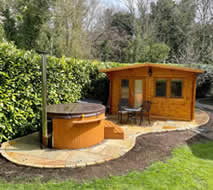
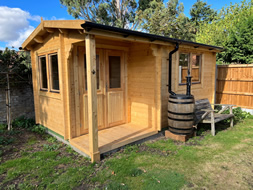
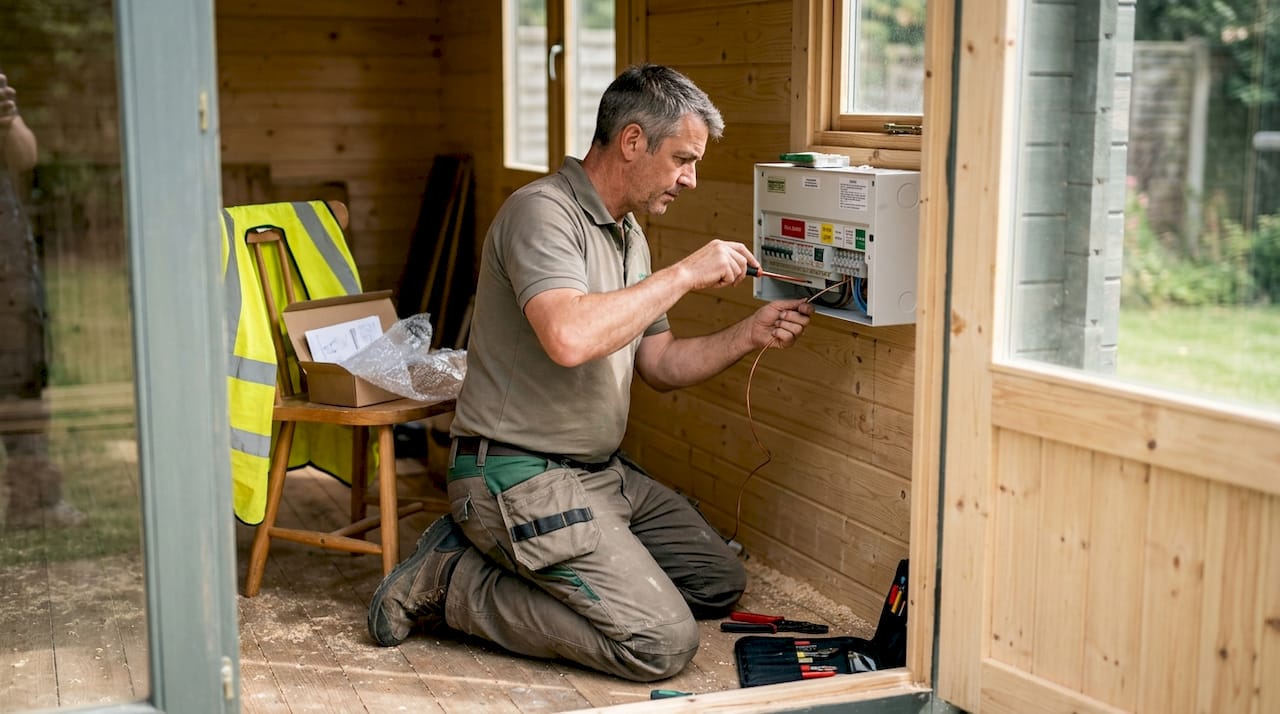
TL;DR:
- UK regulations require certified, professional electrical installation for garden log cabins to ensure safety and compliance.
- Mains, solar, or hybrid systems vary in cost, reliability, and suitability based on usage and location.
- Proper planning and quality wiring prevent safety hazards and increase property value, avoiding costly repairs later.
Adding electricity to your garden log cabin sounds straightforward. Run a cable, plug in a few sockets, and you’re done, right? In reality, it’s quite a bit more involved than that. UK regulations set clear rules about how electrical work in outbuildings must be carried out, and getting it wrong can affect your insurance, your safety, and even the resale value of your property. Whether you’re building a cosy retreat, a home office, or a cabin you plan to rent out, this guide walks you through everything you need to know about safe, compliant, and efficient electrical installation.
Table of Contents
- Understanding electrical requirements for garden log cabins
- Planning your installation: costs, types, and steps
- Safety considerations and common pitfalls
- Integrating eco-friendly and energy-saving options
- Why cutting corners on electrical installation is a costly mistake
- Plan your dream cabin with expert help
- Frequently asked questions
Key Takeaways
| Point | Details |
|---|---|
| Certified installation required | Under UK law, all cabin electrics must be installed or signed off by a qualified electrician. |
| Safety first | Overlooking safety basics can risk fire, shock, or invalidate your home insurance. |
| Plan for savings | Smart energy choices and efficient fixtures reduce long-term running costs in your log cabin. |
| Design for the future | Plan spare capacity and consider eco-options so your cabin meets future needs and regulations. |
Understanding electrical requirements for garden log cabins
Before you start thinking about light fittings or socket positions, it helps to understand what a typical cabin electrical system actually involves. Most homeowners need more than they initially expect.
Here’s what a well-planned cabin setup usually includes:
- Lighting: Both ambient and task lighting, ideally on separate circuits
- Sockets: Enough for appliances, devices, and any equipment you plan to use
- Heating: Electric panel heaters, infrared panels, or underfloor heating
- Internet connectivity: Either via a cable run from the house or a separate router
- Security: Alarm systems, cameras, and external lighting
Once you know what you need, you have to understand the legal side. Electrical work in outbuildings falls under Part P of UK Building Regulations and must be certified by a qualified electrician. This isn’t optional. Part P exists to protect you from fire risk, electric shock, and faulty wiring that might not show problems for months.
Hiring a registered electrician, someone on a scheme like NICEIC or NAPIT, means the work gets checked, tested, and certified. Without that certificate, your home insurance could be invalidated if something goes wrong. It can also cause headaches when you come to sell your property.
“Uncertified electrical work in outbuildings is one of the most common issues flagged during property surveys in the UK.”
You can explore the full range of electricity options for your log cabin to get a clearer picture of what suits your situation before speaking to a professional. Taking time to plan at this stage saves a lot of trouble later.
The most common electrical system types chosen by UK cabin owners are mains-connected systems, solar-powered setups, and hybrid systems that combine both. Each has different cost implications and suitability depending on your cabin’s location and intended use.
Planning your installation: costs, types, and steps
Once you understand what’s required, it’s time to map out your own installation. This is where decisions about supply type, budget, and professional support come together.
Here’s a simple step-by-step process to follow:
- Design your system: Decide what circuits you need and where sockets, lights, and heating will go
- Check permissions: Confirm whether your project needs Building Regulations approval
- Choose your supply type: Mains connection or off-grid (solar or generator)
- Hire a registered electrician: Get at least two quotes and check their certification
- Installation: Work is carried out, tested, and certified
- Sign-off: Receive your Electrical Installation Certificate
You can read more about the steps for adding electricity to your cabin for a more detailed walkthrough.
Mains vs. off-grid: a quick comparison
| Feature | Mains connection | Solar/off-grid |
|---|---|---|
| Upfront cost | £500 to £2,000+ | £1,500 to £5,000+ |
| Running cost | Standard electricity tariff | Very low after setup |
| Reliability | High | Weather dependent |
| Best for | Regular, heavy use | Low-use or remote cabins |
| Planning needed | Sometimes | Rarely |
For budgeting, basic wiring and a consumer unit typically starts from around £500 for a small cabin. Add fixtures, sockets, and heating and you’re often looking at £1,000 to £2,500 or more. Professional installation services give you peace of mind that the work meets UK standards, avoiding legal and safety issues down the line.
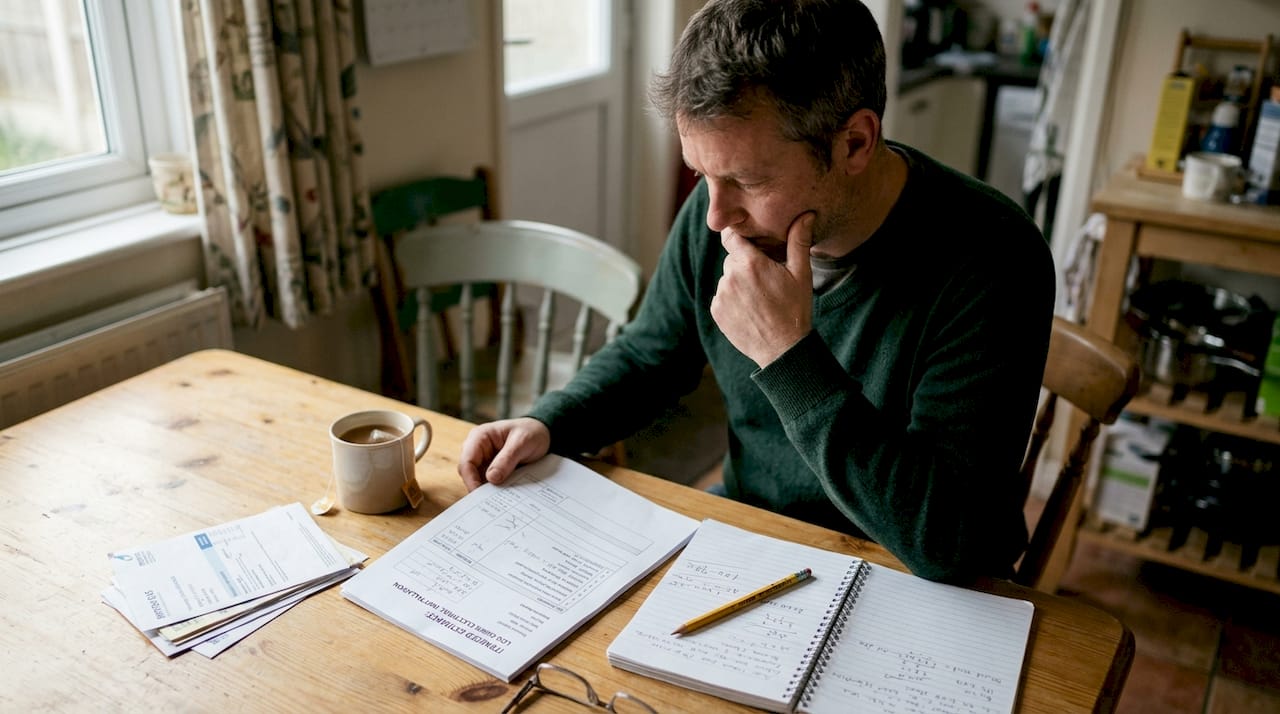
Pro Tip: Always plan for more capacity than you think you need. If you later want to work from home, add a hot tub, or rent the cabin out, you’ll be glad you installed a larger consumer unit from the start.
Safety considerations and common pitfalls
With a plan in place, it’s critical to avoid the most common safety mistakes. Some of these are surprisingly easy to make, even with the best intentions.
First, let’s be clear about DIY wiring. Attempting electrical work yourself without the right qualifications is risky on multiple levels. You could cause a fire, receive a serious electric shock, or invalidate your home insurance entirely. Electrical fires cause around 15,000 domestic fires per year in the UK, and many are linked to faulty or uncertified installations. That’s not a statistic to ignore.
Here are the most common pitfalls to watch out for:
- Overloading circuits: Plugging too many appliances into one circuit trips breakers and creates heat build-up
- Damp damage: Log cabins can be humid. Cables and fittings must be rated for damp environments
- Wrong cable sizing: Undersized cables overheat. Always use cables rated for the load they’ll carry
- No RCD protection: An RCD (residual current device) cuts power instantly if a fault is detected, protecting against shock
- Missing MCBs: MCBs (miniature circuit breakers) protect individual circuits from overload
Pro Tip: Ask your electrician to install a dedicated consumer unit in the cabin rather than simply extending your house’s existing board. It gives you better control and makes future upgrades far simpler.
After installation, testing is not optional. Your electrician must carry out an inspection and issue an Electrical Installation Certificate. Keep this document safe. You’ll need it for insurance purposes and if you ever rent the cabin or sell your home. Thinking about energy-efficient electrical design from the outset also reduces the load on your circuits and lowers the risk of overloading.
Integrating eco-friendly and energy-saving options
With safety addressed, many homeowners look for ways to cut utility bills and reduce environmental impact. The good news is that there are some genuinely effective options available for garden cabins.
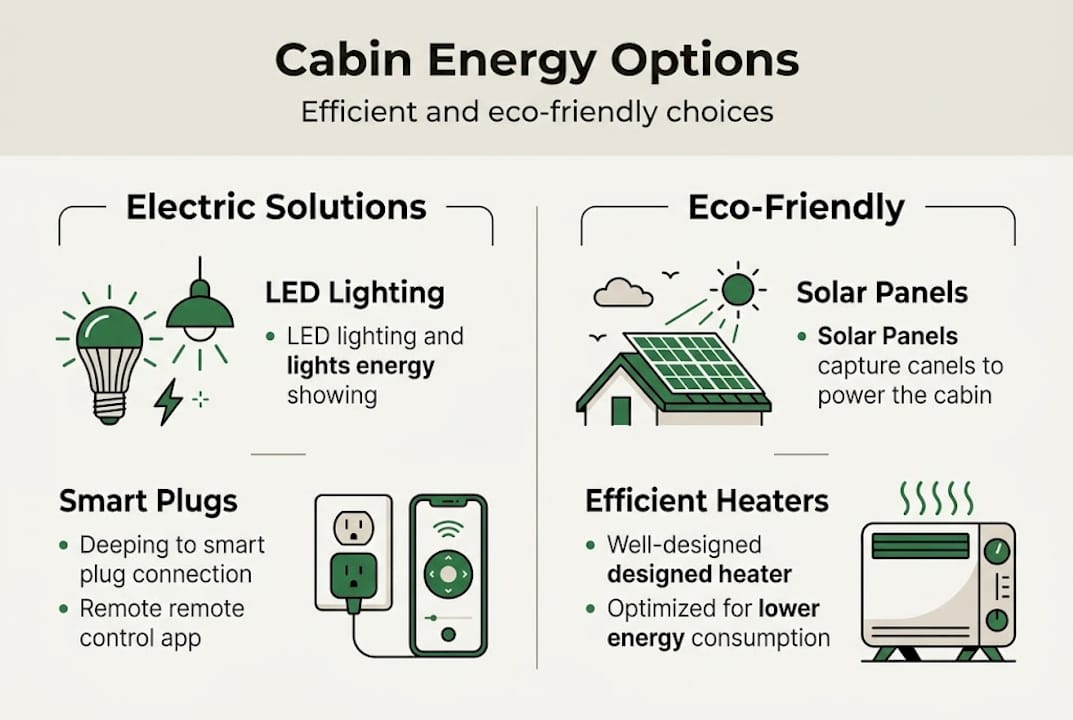
The most popular green solutions for UK cabin owners include:
- LED lighting: Uses up to 80% less energy than traditional bulbs and lasts far longer
- Infrared heating panels: Heat objects and people directly rather than the air, making them efficient in well-insulated spaces
- Timed or smart lighting controls: Prevent energy waste when the cabin is unoccupied
- Solar photovoltaic (PV) panels: Generate electricity from sunlight to power your cabin independently or reduce mains usage
LED lighting and high-efficiency heaters can cut energy use in garden buildings by up to 40%. That’s a meaningful saving, especially if your cabin is used regularly.
Energy option comparison
| Option | Typical cost | Estimated saving | Best suited for |
|---|---|---|---|
| LED lighting | £50 to £200 | Up to 80% on lighting bills | All cabins |
| Infrared heating | £200 to £800 | 30 to 50% vs. convection | Insulated cabins |
| Solar PV panels | £1,500 to £4,000 | Up to 100% off-grid | Remote or eco cabins |
| Smart controls | £100 to £300 | 10 to 20% overall | Regular-use cabins |
It’s also worth checking whether you qualify for any UK government grants or incentives for renewable energy in outbuildings. The landscape changes regularly, so speaking to an installer is the best way to get current information. You can also explore adding solar power to your cabin or look into efficient heating solutions to find what works best for your setup. For heating technology inspiration, Bosch eco charging solutions offer a useful reference point for modern efficiency standards.
Pro Tip: Install a smart energy monitor in your cabin from day one. It lets you see exactly where power is being used and helps you spot inefficiencies before they become expensive habits.
If you want more detail on keeping running costs down, our guide to energy-efficient heating tips covers the options in plain language.
Why cutting corners on electrical installation is a costly mistake
We see it regularly. A homeowner spends months planning their perfect cabin, invests in quality timber and a great design, then tries to save money on the electrics. It’s understandable. Electrical work feels invisible once it’s done, so it’s tempting to treat it as a minor detail.
But here’s what we’ve learnt: the electrics are the one area where cutting corners almost always costs more in the long run. A cheap installation might pass a basic visual check but fail under load, cause persistent tripping, or worse, create a fire risk that only surfaces years later. Repair costs for rewiring a finished cabin are significantly higher than getting it right first time.
Quality electrical installation also adds real value. If you plan to rent your cabin, guests and letting platforms expect safe, certified accommodation. If you sell your home, a certified system is a selling point, not a question mark. Viewing your cabin’s electrics as a long-term investment in comfort and safety, rather than a box to tick, is the mindset that leads to genuinely good outcomes. Our guide to long-term energy efficiency explains how the right choices now keep costs low for years to come.
Plan your dream cabin with expert help
Ready to take the next step with your garden cabin? Getting the electrical side right from the start is so much easier when you’re working with people who understand how cabins are designed and built.

At Log Cabin Kits, our bespoke cabin design service means every build is planned with practical electrical capacity in mind. Whether you’re browsing our log cabin inspiration gallery or ready to explore custom build options, we’re here to help you make confident decisions. Get in touch and let’s talk through your ideas. We’ll make the whole process feel far less daunting than you might expect.
Frequently asked questions
Do I need planning permission for electrical installation in a log cabin?
Typically, planning permission is not required for electrical work itself, but all installations must comply with Part P of Building Regulations and be certified by a qualified electrician.
Can I install cabin electrics myself?
DIY electrical work is strongly discouraged. UK regulations require certification from a qualified electrician for the work to be legal, safe, and insurable.
What is the cost to wire a garden log cabin?
Basic installation starts from around £500 but varies depending on cabin size, intended use, and the specification of your electrical system.
How can I make my cabin’s electrics more energy-efficient?
Install LED lighting, choose efficient heating such as infrared panels, and consider solar panels or a smart energy monitor. LED and high-efficiency heaters can cut energy use by up to 40%.
What safety checks are required after installation?
A registered electrician must test all work and issue an Electrical Installation Certificate. This document is essential for insurance purposes and legal compliance.
Recommended
- Building A Log Cabin - Installation Tips | Log Cabin Kits
- Heating Your Cabin With An Electric Heater - Log Cabin Kits To Buy Online
- Adding Electric Heating To Your Garden Log Cabin: A Comprehensive Guide - Log Cabin Kits To Buy Online
- How To Add Electrics To A Garden Cabin - Log Cabin Kits To Buy Online
- Construction Software for Electricians | BRCKS