
TL;DR:
- Modern garden cabins now rival indoor rooms in comfort, style, and year-round usability.
- Prefab, insulated panels and new materials drastically improve build speed, insulation, and weather resistance.
- They are valuable additions, increasing property value by roughly 1.5 times their cost.
Think a garden cabin is just a glorified shed? Think again. In 2026, the gap between a basic outbuilding and a fully insulated, architect-designed garden cabin is enormous. Modern builds now rival indoor rooms for comfort, style, and year-round usability. Quality cabins can add around 1.5x their cost to your property value, making them one of the smartest investments a UK homeowner can make. Whether you’re after a peaceful home office, a creative studio, or a guest retreat, this guide walks you through the construction breakthroughs, materials, costs, and smart uses shaping garden cabins right now.
Table of Contents
- How garden cabins evolved: Key innovations driving 2026 trends
- Comparing core materials: Timber, composites, and hybrids
- Cost benchmarks, value boosts, and budget planning in 2026
- Smart uses: Leisure, work, and beyond
- Heating, insulation and energy efficiency in modern cabins
- Why 2026 marks a true shift in garden cabin potential
- Explore bespoke garden cabins for your home
- Frequently asked questions
Key Takeaways
| Point | Details |
|---|---|
| Rapid prefab builds | Most innovative garden cabins now use modular panels for fast and efficient assembly. |
| Materials matter | Composites offer durable, low-maintenance alternatives to timber, reducing upkeep for UK weather. |
| High ROI potential | Carefully chosen cabins can add up to 1.5 times their cost to your property value. |
| All-year comfort | Advanced insulation and heating allow garden cabins to be enjoyed every season. |
How garden cabins evolved: Key innovations driving 2026 trends
With the groundwork laid, let’s explore how recent innovations have reimagined garden cabins across the UK.
Not so long ago, a garden cabin meant rough-cut timber, draughty walls, and a space you’d only use in summer. That’s changed dramatically. The garden cabin trends shaping 2026 are rooted in smarter construction, better materials, and a genuine shift in how people use their gardens.
The biggest leap forward is modular, factory-built construction. Prefab panels and rapid assembly have completely transformed how quickly and consistently a cabin can be built on-site. Panels arrive pre-insulated and precision-cut, meaning installation is faster and the end result is far more airtight than traditional hand-built methods.
Here’s what’s changed most noticeably in recent years:
- Modular construction: Factory-built insulated panels slot together quickly, reducing build time and human error.
- Permitted development rules: Most cabins under 2.5m high and covering less than 50% of your garden don’t need planning permission.
- Year-round insulation: Modern thermal panels mean you’re not just using the cabin in July. You can work or relax in it through January too.
- Multi-functional design: Cabins are now designed from the start as proper rooms, not afterthoughts.
“The garden cabin is no longer a weekend hobby space. It’s a serious addition to the home, designed for daily use and long-term value.”
The garden cabin innovations coming through in 2026 reflect a broader cultural shift. More people are working from home, prioritising wellbeing, and looking for flexible living space without the cost of an extension. A well-built cabin ticks all those boxes.
Did you know? The UK garden room market has grown significantly year on year, driven by remote working and rising extension costs. A cabin is often faster, cheaper, and less disruptive to build.
Comparing core materials: Timber, composites, and hybrids
Understanding construction evolution leads directly to the next crucial factor: what your cabin is actually made from.
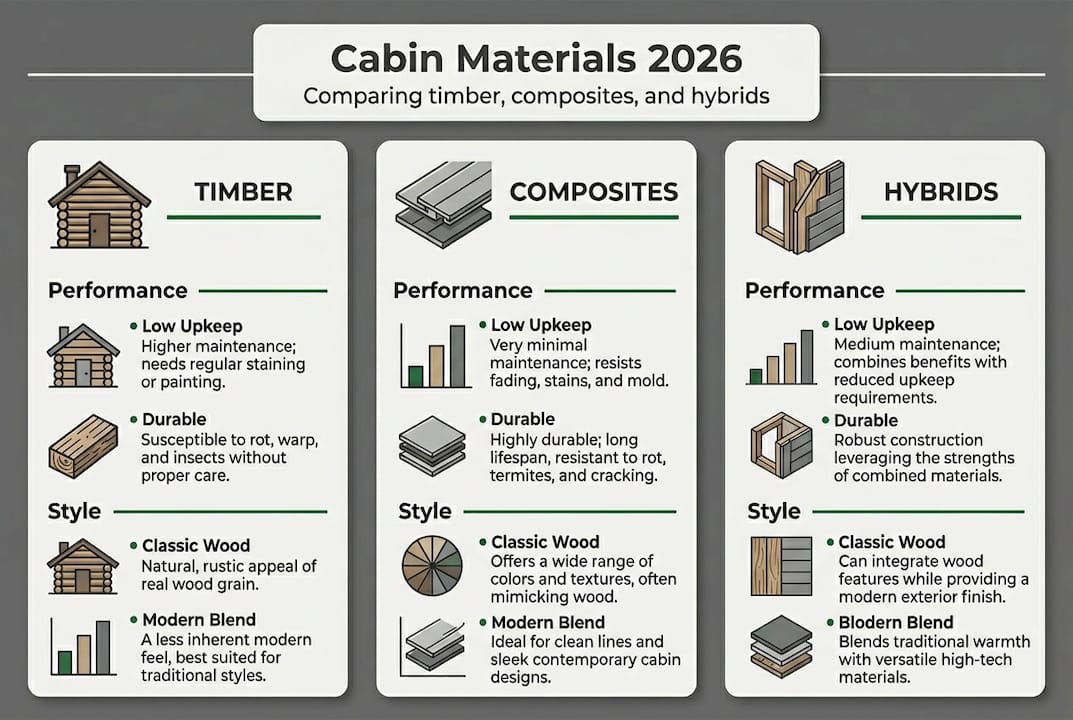
Material choice affects everything. Maintenance, appearance, thermal performance, and lifespan all depend on what’s in the walls. Here’s a straightforward comparison to help you decide.
| Material | Appearance | Maintenance | Weather resistance | Thermal performance |
|---|---|---|---|---|
| Timber | Classic, warm | Higher (staining, treating) | Moderate | Good with added insulation |
| Composite | Modern, clean | Very low | Excellent | Excellent |
| Hybrid | Flexible | Low to moderate | Very good | Very good |
Composites outperform timber in UK weather conditions over the long term, and some modern composite wall systems can maintain interior temperatures of around 20°C in winter using only a small heater. That’s a remarkable leap from the draughty timber sheds of a decade ago.
Timber still has real appeal. It looks beautiful, feels natural, and suits traditional garden settings. But it does require more upkeep. You’ll need to treat or stain it regularly to prevent moisture damage and warping. If you love the look but want less work, a hybrid build gives you timber aesthetics with composite or engineered panels doing the heavy lifting structurally.
The latest materials for garden cabins also include improved glazing systems, better door seals, and thermally broken frames that stop cold bridging at windows and doors. These details matter enormously for year-round comfort.
“Choosing a material isn’t just about looks. It’s about how much time you want to spend maintaining your cabin versus enjoying it.”
Pro Tip: If you want a low-maintenance cabin that performs brilliantly in all weathers, look at contemporary garden cabins built with composite cladding and SIP (structural insulated panel) cores. You get the style without the upkeep.
Cost benchmarks, value boosts, and budget planning in 2026
Having chosen the right structure and materials, the next step is calculating both the upfront investment and long-term returns.
Let’s be honest about numbers. Garden cabins vary widely in price, and knowing what to expect helps you budget sensibly without compromising on what matters.
| Cabin type | Approximate size | 2026 price range |
|---|---|---|
| Standard insulated | 8x8ft | From £9,799 |
| Mid-range insulated | 12x8ft | Around £11,500 |
| Premium bespoke | 6x4m | £10,889 to £11,219+ |
Current pricing for insulated cabins starts at around £9,799 for a quality 8x8ft model, rising to £11,500 or more for larger builds. Premium bespoke options sit in a similar range but offer far more customisation.
The value case is strong. A well-specified cabin can add roughly 1.5 times its cost to your property value. That means a £10,000 cabin could contribute £15,000 in added value. Not bad at all.
Here’s how to plan your budget sensibly:
- Fix your primary use first. A home office needs power, insulation, and connectivity. A leisure space might prioritise aesthetics and heating.
- Factor in groundworks. A solid base is non-negotiable. Budget £500 to £1,500 depending on ground conditions.
- Don’t skip insulation. Spending more upfront on thermal performance saves you on heating bills every single month.
- Check permitted development. Most cabins under 2.5m don’t need planning permission, saving you time and fees.
Pro Tip: Explore the bespoke cabin benefits of going custom. A tailored build often costs only marginally more than an off-the-shelf option but fits your garden and lifestyle far better.
Keeping an eye on market trends for cabins also helps you time your purchase well and understand where the industry is heading.
Smart uses: Leisure, work, and beyond
Armed with cost and value clarity, you can now look at how innovation in 2026 opens up new uses for these spaces.
This is where it gets exciting. Modern garden cabins aren’t limited to one purpose. The best ones are designed to flex around your life.
- Home office: A properly insulated cabin gives you a quiet, professional space away from household distractions. A garden cabin home office can genuinely transform your working day.
- Art studio: Natural light, a calm environment, and separation from the main house make cabins ideal for creative work. Garden art studios are one of the fastest-growing uses.
- Guest suite: Add a comfortable, self-contained space for visitors without the disruption of having them inside your home.
- Wellness retreat: Think yoga studio, home gym, or meditation space. The separation from the house makes it easier to switch off.
- Cinema or gaming room: Insulated walls mean better acoustics. A dedicated entertainment space the family will actually use.
New insulation standards mean year-round comfort is now the norm rather than the exception. You’re not battling condensation in autumn or overheating in summer. The cabin just works.
Pro Tip: Think about how your cabin use might change over time. A space designed as a home office today can become a teenage retreat or guest room in five years. Building in flexibility from the start is smart planning. Explore how outdoor living enhancement through a well-designed cabin can genuinely shift how you enjoy your whole garden.
Heating, insulation and energy efficiency in modern cabins
The versatility of garden cabins hinges on their comfort, especially with British weather. Here’s what’s new with climate control.
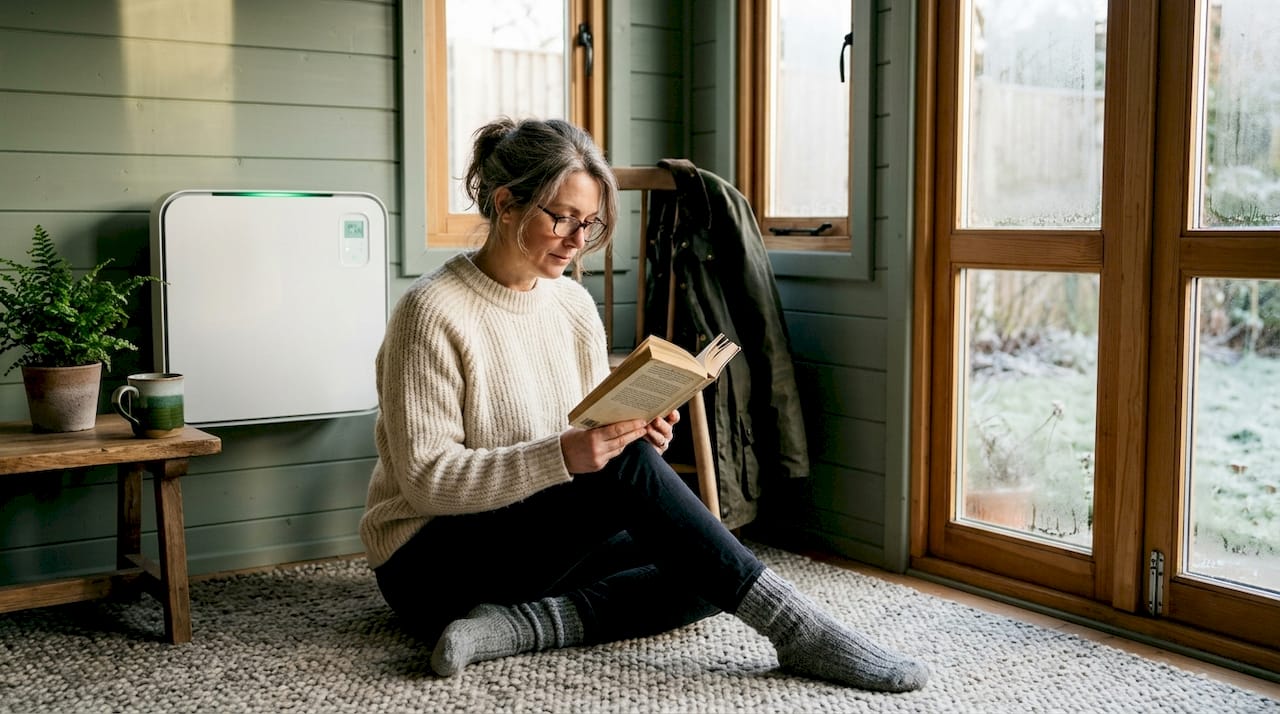
You can have the most beautiful cabin in the world, but if it’s cold and damp in November, you won’t use it. Thankfully, 2026 builds have this well and truly sorted.
The key technology here is the SIP panel. Structural insulated panels combine a rigid foam core with structural boards on either side. They’re incredibly efficient and quick to install. 100 to 150mm SIP insulation is now standard in quality builds, keeping interiors at a comfortable 20°C in winter with minimal heating input.
Here’s a summary of what modern cabins offer on the energy front:
- SIP panels: High thermal resistance, minimal cold bridging, fast build times.
- Electric panel heaters: Cheap to install, easy to control via smartphone, ideal for smaller cabins.
- Underfloor heating: Luxurious and efficient, works brilliantly with well-insulated floors.
- Solar-ready design: Some builds now include cable runs for future solar panel integration.
Prefab builds with insulated panels typically cost between £10,000 and £25,000 depending on size and specification, and the energy performance of these structures is genuinely impressive.
For ongoing running costs, a well-insulated 8x8ft cabin used as an office might cost just a few pounds a week to heat in winter. Compare that to the cost of renting external office space, and the economics are obvious.
Explore your garden cabin heating options before you finalise your spec. Getting this right from the start means lower bills and a more comfortable space for years to come.
Why 2026 marks a true shift in garden cabin potential
Reflecting on these step-changes in form and function, here’s a seasoned perspective on where the real value lies.
We’ve been watching the garden cabin market evolve for years, and 2026 feels genuinely different. It’s not just that the products are better. It’s that people’s relationship with these spaces has changed.
For a long time, a timber cabin was a nice-to-have. Something you’d use occasionally and spend a weekend maintaining. Composites and SIPs are rapidly changing that dynamic entirely. When maintenance becomes a non-issue and thermal performance matches indoor rooms, the cabin stops being a garden feature and starts being a genuine part of the home.
The interesting thing is that timber hasn’t lost its appeal. It’s just that the choice is now truly personal. You’re not picking timber because it’s the only option or composites because they’re easier. You’re choosing based on your lifestyle, your aesthetic, and how you want to spend your weekends.
That shift in mindset is what makes 2026 significant. It’s worth reading more about why garden cabins matter to understand the full picture of where this market is heading.
Explore bespoke garden cabins for your home
Ready to turn inspiration into reality? See how you can bring innovative garden cabin ideas to life.
At Log Cabin Kits, we specialise in bespoke and custom builds that reflect exactly what you need from your garden space. Whether you’re drawn to a sleek composite design or the warmth of natural timber, we can help you find or create the right cabin.
Browse our garden log cabin gallery for inspiration, or head straight to our bespoke cabin design page to start planning your ideal build. If you want something truly unique, our custom build log cabins service lets you design from scratch. All the innovations you’ve read about here are available now. Let’s build something brilliant together.
Frequently asked questions
Can I build a garden cabin without planning permission in the UK?
Yes, most modern cabins fall under permitted development rules if they’re under 2.5m high and cover less than 50% of your garden. Always check with your local authority if you’re unsure.
Are composite garden cabins better than timber ones for UK weather?
Composites outperform timber in terms of long-term weather resistance and low maintenance, but timber remains a popular choice for those who love its natural look and feel.
What is the typical cost of a quality insulated garden cabin?
In 2026, insulated cabin prices start from around £9,799 for an 8x8ft model, rising to £11,219 or more for larger or premium bespoke builds.
Can I use a garden cabin as a year-round office or studio?
Absolutely. Modern insulation standards mean well-built cabins stay comfortably warm in winter with minimal heating, making them perfectly suited for daily use as an office or creative studio.