
Garden Building Materials Explained: Smarter UK Choices
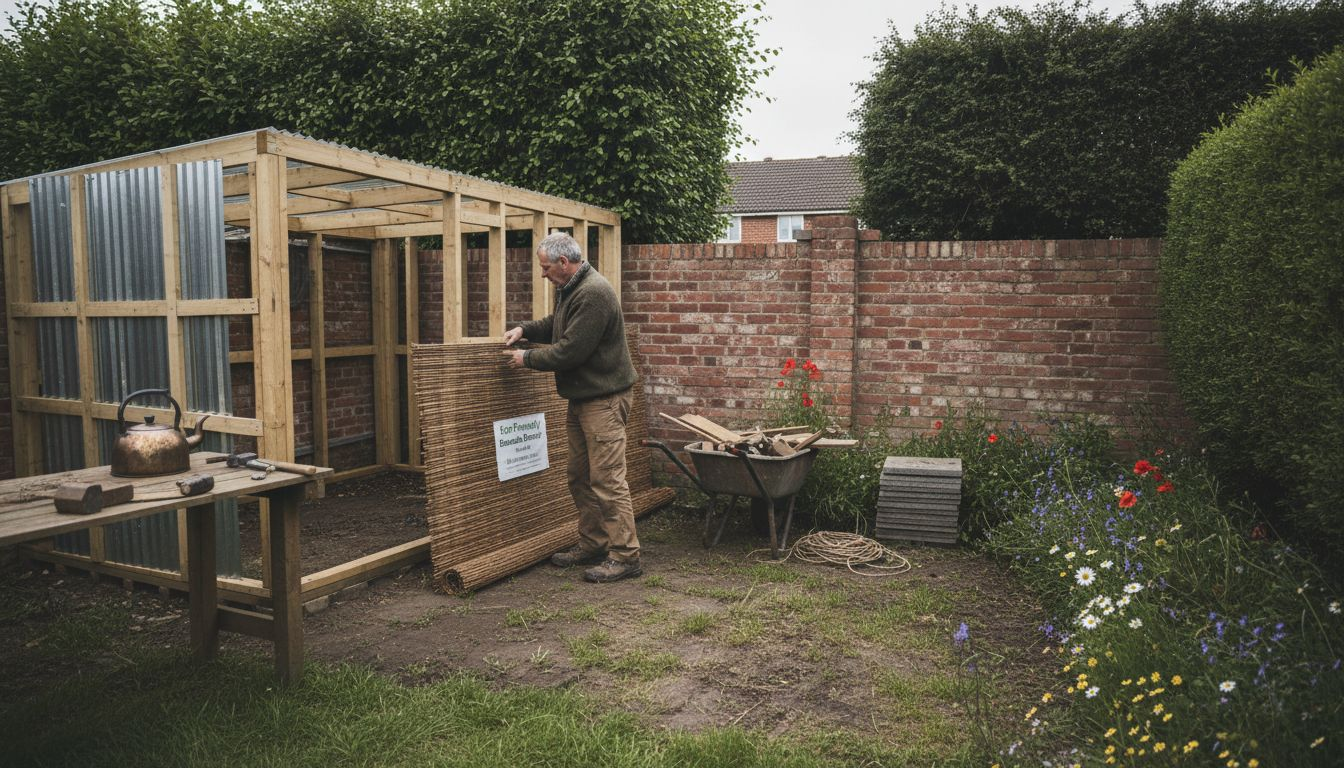
More than 60 percent of British homeowners now consider sustainability essential when choosing materials for garden projects. Navigating timber, stone, metal, and new composite options can feel confusing with so many choices shaped by British climate and tradition. This guide brings clarity by breaking down each material’s strengths and practical trade-offs, supporting smart, eco-conscious decisions for bespoke garden buildings that last.
Table of Contents
- Defining Garden Building Materials In The UK
- Core Types: Wood, Stone, Metal And Composites
- Moisture, Durability And Thermal Performance
- Eco-Friendly And Sustainable Material Choices
- Practical Trade-Offs And Common Pitfalls
- Sourcing And Certifications For Sustainable Projects
Key Takeaways
| Point | Details |
|---|---|
| Diverse Material Options | UK homeowners have access to a range of traditional and sustainable materials for garden buildings, including timber, stone, metal, and composites. |
| Sustainability as a Priority | Eco-friendly materials such as recycled composites and responsibly sourced timber are increasingly preferred, aligning with environmental targets. |
| Performance Considerations | Homeowners must balance aesthetic preferences with practical aspects like thermal performance, maintenance, and durability of chosen materials. |
| Importance of Certifications | Selecting materials with recognised certifications (e.g., FSC, BREEAM) ensures compliance with sustainable practices and frugal environmental impact. |
Defining Garden Building Materials in the UK
Understanding garden building materials involves recognising the diverse range of sustainable and traditional options available for UK homeowners. From natural timber to contemporary composites, these materials form the foundation of functional and aesthetically pleasing outdoor structures. Historical garden design practices reveal that material selection has always been deeply connected to local resources and regional architectural traditions.
In the United Kingdom, garden building materials traditionally encompass timber, brick, stone, and increasingly innovative sustainable alternatives. These materials are selected not just for structural integrity but also for their ability to withstand the UK’s variable climate conditions. Timber remains particularly popular, with species like cedar, pine, and oak offering natural durability and aesthetic appeal. Modern garden buildings now incorporate engineered materials that provide enhanced performance characteristics, including improved weather resistance and reduced maintenance requirements.
Sustainability has become a critical consideration in material selection. Sustainable building materials such as bamboo, mass timber, and recycled composites are gaining significant traction among environmentally conscious UK homeowners. These materials offer reduced carbon footprints while maintaining structural reliability. Local sourcing, minimal processing, and renewable characteristics are now fundamental criteria when selecting garden building materials.
Key factors influencing material choice include climate resilience, aesthetic compatibility with existing property design, maintenance requirements, and long-term durability. Homeowners must balance aesthetic preferences with practical performance metrics, considering aspects like thermal insulation, moisture resistance, and potential environmental impact.
Pro tip: Before selecting garden building materials, always request samples and conduct detailed comparative assessments of their performance characteristics under local weather conditions.
Core Types: Wood, Stone, Metal and Composites
Garden building materials in the UK comprise a rich spectrum of core material types, each offering unique properties and performance characteristics. UK building materials statistics reveal a dynamic landscape of material choices that reflect both traditional craftsmanship and contemporary engineering innovations. Understanding these core material types becomes crucial for homeowners seeking durable, aesthetically pleasing garden structures.
Timber remains the quintessential garden building material, with extensive woodworking expertise driving material selection and treatment processes. Different wood species offer varied performance characteristics: cedar provides natural weather resistance, oak delivers exceptional structural strength, and pine offers cost-effective versatility. Modern timber treatments enhance durability, introducing protective layers that resist moisture, fungal growth, and insect damage. Engineered wood products like laminated timber and composite wood panels further expand design possibilities, offering improved structural integrity and dimensional stability.
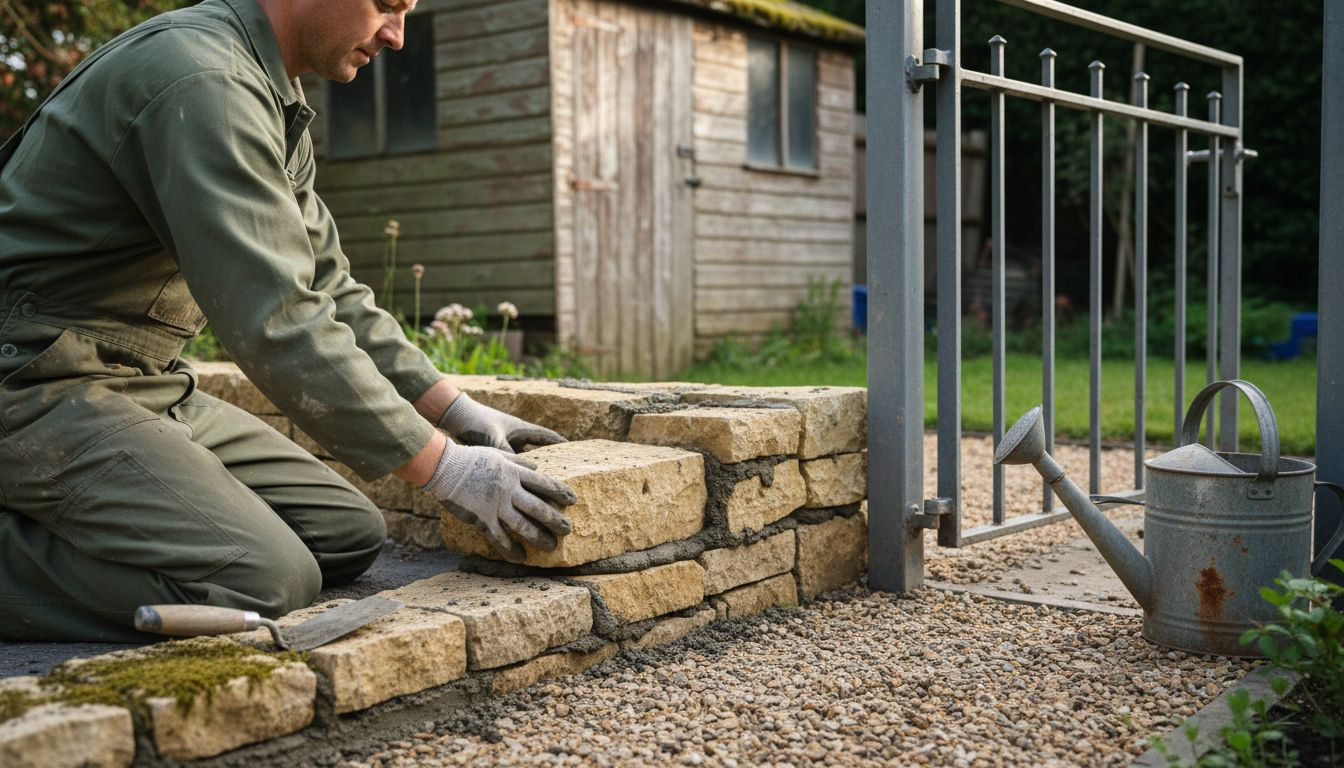
Stone and metal represent alternative material options with distinctive advantages. Natural stone delivers unparalleled aesthetic elegance and remarkable longevity, though it typically involves higher initial investment. Metals like aluminium and galvanised steel provide lightweight, corrosion-resistant solutions particularly suited to contemporary garden building designs. These materials excel in structural performance, offering slim profile construction with exceptional strength-to-weight ratios.
Composite materials represent the cutting edge of garden building technology, blending multiple material properties to create high-performance solutions. These engineered materials combine synthetic and natural components, offering enhanced durability, minimal maintenance requirements, and design flexibility. Typical composites might incorporate recycled plastics, wood fibres, and advanced binding agents, creating materials that resist weathering, colour fading, and structural degradation more effectively than traditional single-material options.
Pro tip: Always request material samples and conduct thorough performance assessments, considering factors like local climate conditions, maintenance requirements, and long-term durability before making your final garden building material selection.
Here is a comparison of the main garden building material types used in the UK:
| Material Type | Key Strengths | Common Limitations |
|---|---|---|
| Timber | Natural insulation, easy to work with, renewable | Requires ongoing treatment, risk of rot and pests |
| Stone | Maximum longevity, classic appearance, excellent weathering | Heavy, costly to install, limited design flexibility |
| Metal | Resistant to fungi/insects, slim construction, low weight | Susceptible to thermal bridging, prone to corrosion |
| Composite | Minimal upkeep, consistent quality, eco-friendly options | Higher upfront cost, limited after-use recycling |
Moisture, Durability and Thermal Performance
Moisture management represents a critical consideration in garden building design, directly impacting material longevity and structural performance. Comprehensive moisture risk assessments highlight the intricate relationship between material selection, environmental conditions, and long-term building integrity. Understanding these complex interactions becomes paramount for UK homeowners seeking durable garden structures that can withstand unpredictable weather patterns.
Thermal performance emerges as another crucial factor in material selection, influencing both comfort and energy efficiency. Different materials conduct and retain heat uniquely, creating substantial variations in overall building performance. Timber, for instance, provides natural insulation properties, while metal and stone conduct temperature more readily. Advanced composite materials now offer sophisticated thermal regulation capabilities, incorporating innovative insulation technologies that minimise heat transfer and reduce energy consumption.
Durability encompasses multiple interconnected aspects beyond simple material strength. Moisture resistance, structural stability, and resistance to environmental degradation form the core of effective garden building design. Materials must withstand continuous exposure to ultraviolet radiation, temperature fluctuations, humidity variations, and potential biological challenges like fungal growth and insect infiltration. Modern material engineering increasingly focuses on developing multi-functional solutions that integrate protective treatments, molecular-level modifications, and advanced surface technologies to enhance long-term performance.
The interaction between moisture, thermal performance, and durability creates a complex ecosystem of material considerations. Homeowners must evaluate not just immediate aesthetic appeal, but also long-term maintenance requirements, potential repair costs, and environmental adaptability. Selecting materials with balanced performance characteristics becomes crucial, requiring comprehensive understanding of each material’s inherent strengths and potential vulnerabilities.
Pro tip: Conduct periodic moisture and thermal performance assessments, using professional diagnostic tools to identify potential material degradation early and prevent costly structural complications.
Eco-Friendly and Sustainable Material Choices
Sustainable construction materials represent a critical pathway towards reducing the environmental impact of garden building projects across the United Kingdom. The UK government’s commitment to achieving net zero emissions by 2050 has catalysed significant innovation in material selection, pushing homeowners and manufacturers towards more environmentally responsible choices that balance performance with ecological considerations.
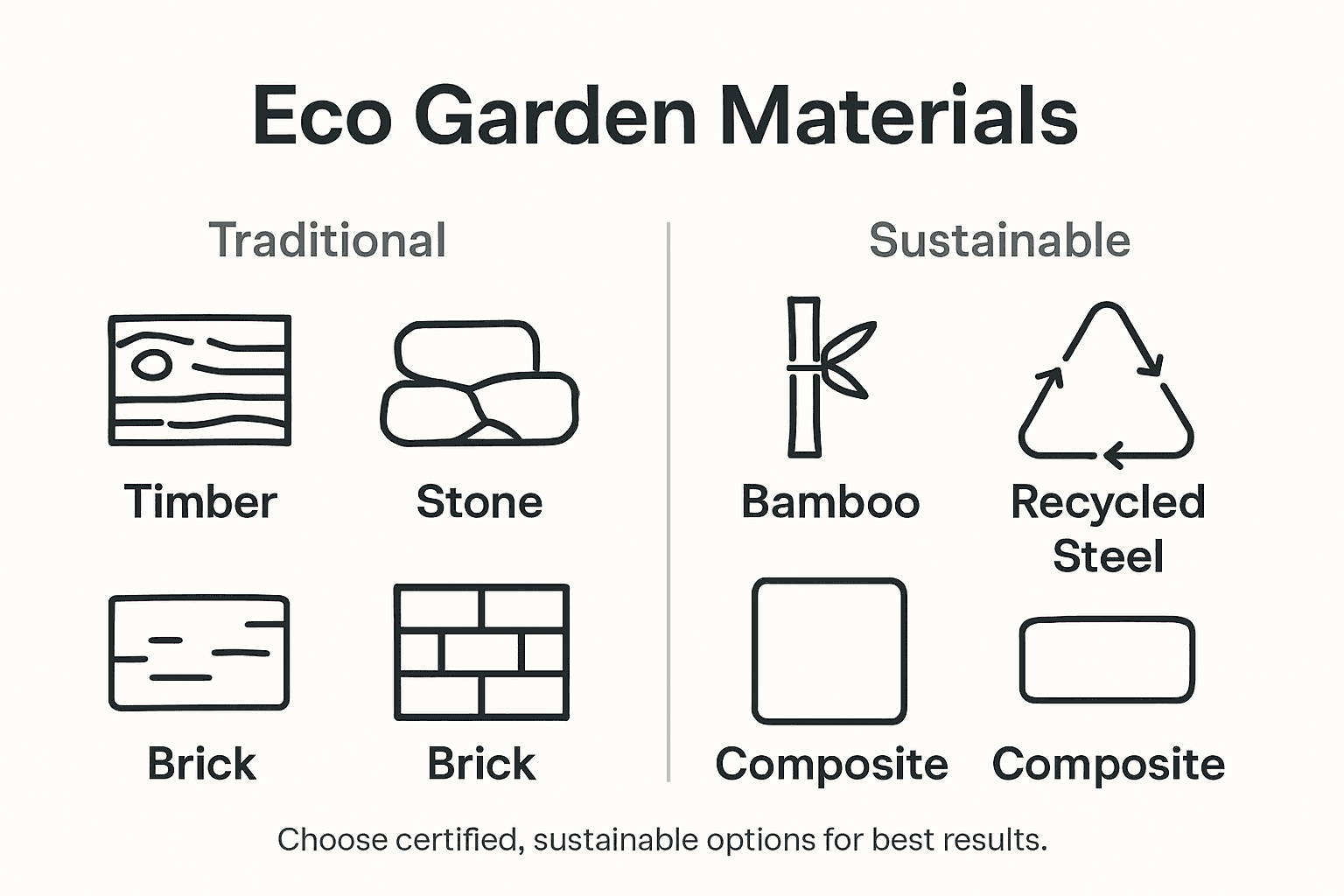
Responsibly sourced timber remains the cornerstone of sustainable garden building materials. Royal Horticultural Society guidelines emphasise the importance of selecting wood certified by Forest Stewardship Council (FSC) or Programme for the Endorsement of Forest Certification (PEFC). These certifications ensure that timber originates from responsibly managed forests, supporting woodland regeneration and reducing overall carbon footprint. Locally sourced timber from managed British woodlands offers additional environmental benefits, minimising transportation emissions and supporting domestic forestry industries.
Beyond traditional timber, emerging sustainable materials provide exciting alternatives for environmentally conscious garden building projects. Recycled plastic composites, bamboo-based products, and agricultural waste-derived materials are gaining prominence. These innovative solutions transform waste streams into high-performance building materials, offering durability comparable to traditional options while significantly reducing environmental impact. Engineered wood products that incorporate recycled content and utilise advanced manufacturing processes further expand the range of sustainable choices available to UK homeowners.
The selection of eco-friendly materials extends beyond initial carbon considerations. Homeowners must evaluate the entire lifecycle of building materials, including production processes, potential for recycling, durability, and end-of-life disposal. Materials that offer extended service life, minimal maintenance requirements, and potential for future recycling represent the most sustainable long-term investments. Advanced composite materials and engineered timber products increasingly provide these comprehensive environmental credentials, balancing performance, aesthetic appeal, and ecological responsibility.
Pro tip: Always request independent sustainability certification documentation when selecting garden building materials, and prioritise products with transparent environmental credentials and verifiable carbon reduction metrics.
Practical Trade-Offs and Common Pitfalls
Sustainable building material trade-offs represent a complex landscape where environmental aspirations must be balanced against practical performance requirements. UK homeowners frequently encounter nuanced challenges when selecting garden building materials, where initial sustainability intentions can sometimes conflict with long-term durability, maintenance needs, and economic considerations.
Economic constraints often emerge as a significant challenge in sustainable material selection. Eco-friendly materials frequently command higher upfront costs, creating tension between environmental principles and budget limitations. Forest restoration research highlights how environmental gains can potentially compromise economic efficiency. Recycled composites and responsibly sourced timber might initially appear more expensive, yet their extended lifecycle and reduced maintenance requirements can offset initial investment, presenting a more nuanced financial calculation than simple price comparisons.
Performance variations represent another critical consideration in material selection. Sustainable alternatives may exhibit different structural characteristics compared to traditional materials. Recycled plastic composites, for instance, might demonstrate different thermal properties or moisture resistance compared to conventional timber. Some eco-friendly materials require specialised treatment processes, potentially increasing long-term maintenance complexity. Understanding these subtle performance differences becomes crucial for making informed decisions that align environmental responsibility with functional requirements.
Supply chain considerations and material availability further complicate sustainable material choices. Emerging eco-friendly materials might experience intermittent supply challenges, potentially disrupting construction timelines. Homeowners must carefully evaluate not just the material’s environmental credentials, but also its consistent availability, potential for local sourcing, and compatibility with existing construction techniques. This holistic approach ensures that sustainability goals are achieved without compromising practical project requirements.
Pro tip: Conduct comprehensive life-cycle cost assessments for sustainable materials, considering not just initial purchase price but long-term maintenance, replacement frequency, and potential performance variations.
Sourcing and Certifications for Sustainable Projects
Responsible sourcing frameworks represent a critical mechanism for ensuring environmental integrity in garden building material selection. These collaborative initiatives between industry stakeholders, government agencies, and non-governmental organisations provide comprehensive guidelines that help UK homeowners navigate the complex landscape of sustainable material procurement.
Green building certifications play a pivotal role in substantiating sustainability claims. University of the Built Environment research highlights multiple certification schemes critical for garden building projects, including BREEAM, Forest Stewardship Council (FSC), and Programme for the Endorsement of Forest Certification (PEFC). These certifications go beyond simple environmental compliance, offering nuanced assessments of material origins, manufacturing processes, and overall ecological impact. Each certification scheme provides different layers of verification, ranging from timber sourcing practices to comprehensive carbon footprint analysis.
The following table summarises key green building certifications and their focus areas:
| Certification | Focus Area | Value for Homeowners |
|---|---|---|
| FSC | Responsible forestry | Ensures timber is from well-managed forests |
| PEFC | Sustainable woodland management | Supports European and global forest standards |
| BREEAM | Whole-building sustainability | Assesses materials, energy and eco credentials |
Navigating certification landscapes requires understanding specific criteria and verification processes. FSC certification, for instance, guarantees that timber originates from responsibly managed forests, ensuring woodland regeneration and protecting biodiversity. PEFC offers similar assurances with a focus on sustainable forest management practices specific to European woodland contexts. These certifications provide transparent documentation that enables homeowners to make informed decisions about material selection, moving beyond marketing claims to verifiable environmental credentials.
Beyond international certifications, UK-specific sourcing initiatives provide additional layers of environmental accountability. Local procurement programmes increasingly emphasise reducing transportation emissions, supporting domestic manufacturing, and maintaining high environmental standards. Homeowners can leverage these frameworks to select materials that not only meet sustainability criteria but also support local economic ecosystems. This approach transforms material selection from a purely transactional process into a holistic environmental and economic strategy.
Pro tip: Request comprehensive certification documentation from suppliers, verifying not just the primary certification but also understanding the specific environmental criteria and audit processes behind each sustainable material.
Choose Your Perfect Garden Building Materials with Confidence
Navigating the complex choices of garden building materials can feel overwhelming. With concerns about durability, moisture resistance, thermal performance and the need for eco-friendly solutions, finding the right balance between appearance, sustainability and long-term value is a challenge every UK homeowner faces. Our bespoke and custom garden buildings are designed to meet these exact demands, offering expertly selected timber and composite materials that withstand Britain’s variable climate while ensuring minimal maintenance.
Discover how your garden space can transform by exploring the expertly crafted options available at Log Cabin Kits. Whether you prioritise natural wood authenticity certified by trusted schemes or innovative composite solutions for easy upkeep, our tailored designs provide sustainable, stylish, and resilient garden buildings. Visit Log Cabin Kits today and take the first step towards a smart garden building choice that lasts for years to come.
Frequently Asked Questions
What are the main types of garden building materials?
The main types of garden building materials include timber, stone, metal, and composite materials. Each offers unique properties, such as timber’s natural insulation and stone’s longevity, catering to various aesthetic and functional needs.
How do I choose the right garden building material for my project?
Selecting the right material involves considering factors like climate resilience, aesthetic compatibility, maintenance requirements, and durability. Conduct comparative assessments and request samples to evaluate performance under local weather conditions.
What role do eco-friendly materials play in garden building?
Eco-friendly materials, such as responsibly sourced timber and recycled composites, help reduce environmental impact. They often offer sustainable options that balance performance with ecological considerations and support responsible forestry practices.
How can I ensure the longevity of my garden building materials?
To maximise longevity, select materials with good moisture resistance and thermal performance. Regular maintenance, periodic assessments, and the use of treated materials can significantly enhance durability and reduce repair costs.