
Preparing Your Garden for a Building Project
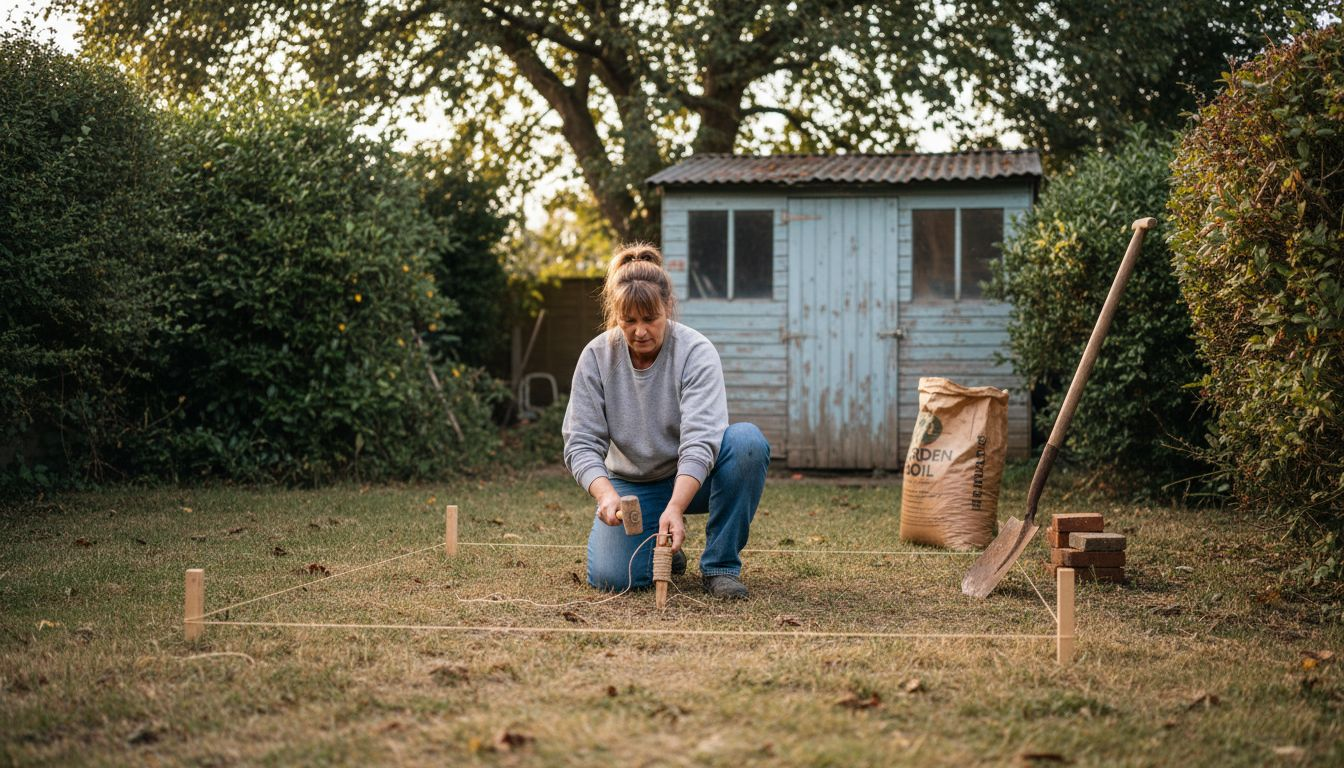
Over 55% of British homeowners upgrade their gardens with bespoke buildings each year, yet many overlook the crucial preparation steps needed for a smooth installation. A thoughtfully planned garden project protects your investment, prevents costly mistakes, and ensures your outdoor space is ready for construction. This guide cuts through confusion, giving you clear, practical advice to make your British garden project efficient, successful, and beautifully integrated into your home’s unique landscape.
Table of Contents
- Understanding Garden Building Preparation Basics
- Types of Garden Buildings and Their Uses
- Essential UK Laws and Planning Permission
- Groundworks, Utilities, and Access Needs
- Common Site Issues and Mistakes to Avoid
Key Takeaways
| Point | Details |
|---|---|
| Site Preparation Is Crucial | Conduct thorough assessments of soil, drainage, and terrain to prevent future structural issues. |
| Understand Planning Regulations | Familiarise yourself with UK planning laws for garden buildings to avoid legal complications. |
| Utility Planning Is Essential | Map out existing utilities and create a comprehensive plan to ensure functionality and prevent damage. |
| Avoid Common Pitfalls | Engage professionals for soil analysis and site surveys to mitigate risks associated with improper ground preparation. |
Understanding Garden Building Preparation Basics
Preparing your garden for a log cabin or garden building project requires thoughtful planning and strategic assessment. The process involves more than simply clearing a space - it demands a comprehensive understanding of your outdoor landscape’s unique characteristics. Landscape preparation begins with a thorough site evaluation that considers soil conditions, drainage, existing vegetation, and spatial constraints.
Successful garden building preparation involves several critical steps. First, assess the ground’s topography and soil quality. Gardens with uneven terrain might require levelling, while clay-heavy or waterlogged soils need special attention to ensure proper drainage and foundational stability. Understanding your garden’s specific microclimates - areas with different sunlight exposure, wind patterns, and moisture levels - will help determine the optimal placement for your log cabin.
Each garden presents unique challenges and opportunities for building placement. Consider factors such as existing trees, underground utility lines, property boundaries, and local planning regulations. Measuring precise dimensions and creating a scaled sketch of your garden will help visualise potential log cabin locations. Pay particular attention to natural sight lines, privacy considerations, and how the new structure will interact with surrounding landscape features.
Pro tip: Before breaking ground, contact your local utilities to mark underground cables and pipes, preventing potential damage during site preparation.
Types of Garden Buildings and Their Uses
Garden buildings offer versatile solutions for expanding outdoor living spaces, with various types of structures designed to meet diverse homeowner needs. From functional storage spaces to elaborate leisure retreats, these structures provide flexible additions to residential landscapes. The most common garden buildings include log cabins, garden offices, summer houses, garden studios, and multipurpose storage sheds.
Log cabins represent the most adaptable garden building type, capable of serving multiple purposes across residential settings. These timber structures can transform into home offices, creative workshops, fitness rooms, guest accommodations, or recreational spaces. Garden offices have become particularly popular among remote workers seeking a dedicated workspace separate from their main residence, offering a professional environment without commuting hassles.
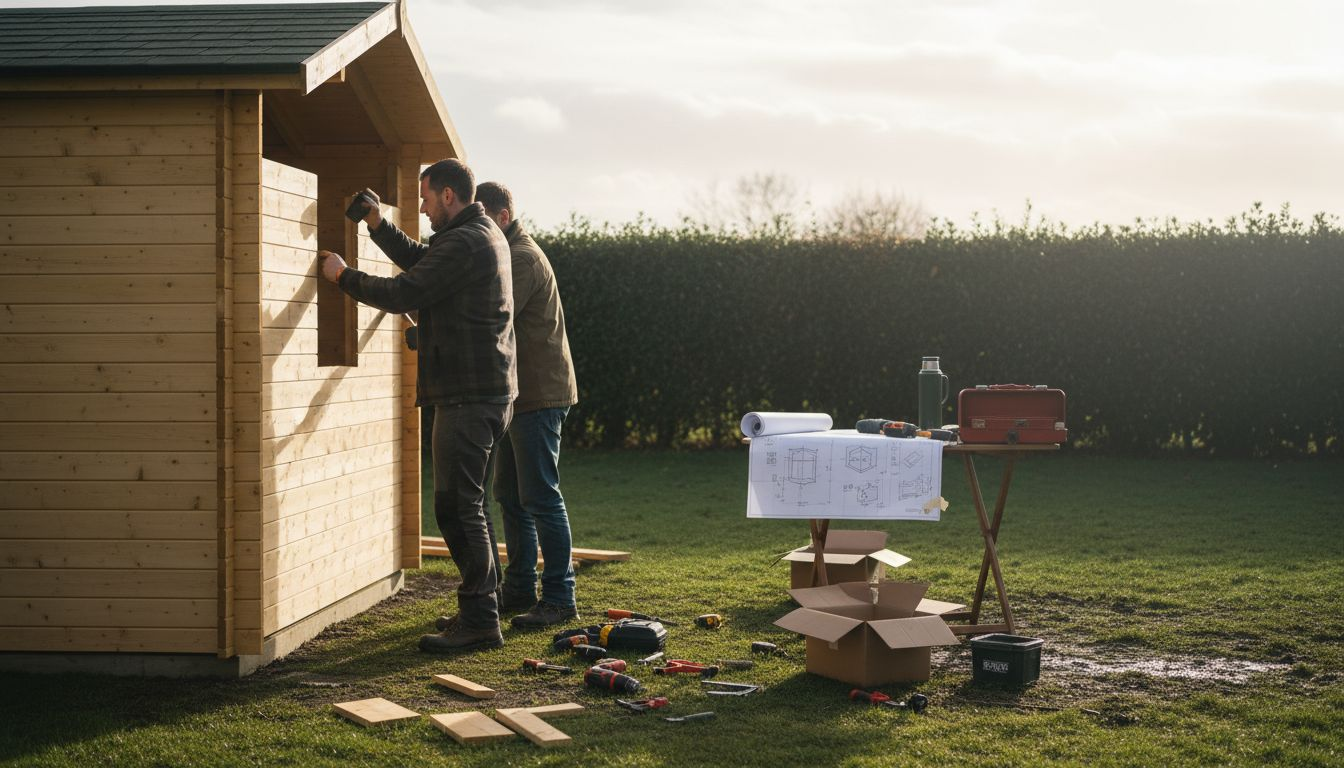
Here’s a summary comparing common garden building types and their typical uses:
| Building Type | Typical Use | Key Feature |
|---|---|---|
| Log Cabin | Multi-purpose rooms | Robust timber design |
| Garden Office | Remote workspace | Insulated for comfort |
| Summer House | Relaxation & gatherings | Large windows |
| Garden Studio | Creative/professional | Enhanced specification |
| Storage Shed | Outdoor storage | Customisable exterior |
Designing an effective garden building requires careful consideration of intended use and spatial constraints. Summer houses typically feature large windows and open designs, creating bright spaces perfect for relaxation and entertaining. Garden studios often incorporate more specialised features like enhanced insulation, electrical installations, and sophisticated interior finishes to support specific professional or creative activities. Storage buildings, while more utilitarian, can be customised to match existing architectural styles and provide essential outdoor storage solutions.
Pro tip: Consider future potential uses when selecting a garden building, ensuring the structure can adapt to changing lifestyle needs over time.
Essential UK Laws and Planning Permission
Navigating the complex landscape of UK planning permission regulations is crucial for homeowners considering garden building projects. The legal framework surrounding garden structures varies significantly depending on several key factors, including building size, location, intended use, and proximity to property boundaries. Permitted development rights provide some flexibility, but understanding these nuanced regulations is essential to avoid potential legal complications.
Most garden buildings under a certain size can be constructed without formal planning permission, provided they meet specific criteria. Typically, these structures must not cover more than 50% of the garden area, remain under 2.5 metres in height, and be located at least 2 metres from any property boundary. However, exceptions exist for buildings near highways, conservation areas, or listed properties, which may require additional approvals. Homeowners must also consider building regulations, which address structural integrity, electrical installations, and potential impact on existing drainage systems.
This table outlines key UK planning considerations for garden buildings:
| Criteria | Permitted Development | Planning Permission Needed |
|---|---|---|
| Height limit | Up to 2.5 metres | Over 2.5 metres |
| Distance from boundary | At least 2 metres | Less than 2 metres |
| Garden area coverage | Maximum 50% of garden area | Exceeding 50% of garden area |
| Use for sleeping accommodation | Not allowed | Required |
| Listed or conservation area | Stricter rules apply | Local authority approval mandatory |
The complexity of planning permissions increases for larger or more permanent garden structures. Garden offices, substantial log cabins, and buildings intended for sleeping accommodation typically require comprehensive planning approval. Local authorities assess factors such as visual impact, potential overlooking of neighbouring properties, and compliance with local development plans. Homeowners should engage with local planning departments early in their project, submitting detailed plans that demonstrate how the proposed structure harmonises with existing architectural styles and landscape characteristics.
Pro tip: Always consult your local planning authority and obtain written confirmation of permitted development status before commencing any garden building project.
Groundworks, Utilities, and Access Needs
Successful garden building projects require meticulous groundwork planning, beginning with comprehensive site investigation and utility mapping. Understanding the subsurface landscape is crucial, involving detailed assessments of soil composition, drainage capabilities, and potential underground infrastructure. Homeowners must conduct thorough ground surveys to identify potential challenges such as unstable soil, high water tables, or hidden utility lines that could complicate construction.
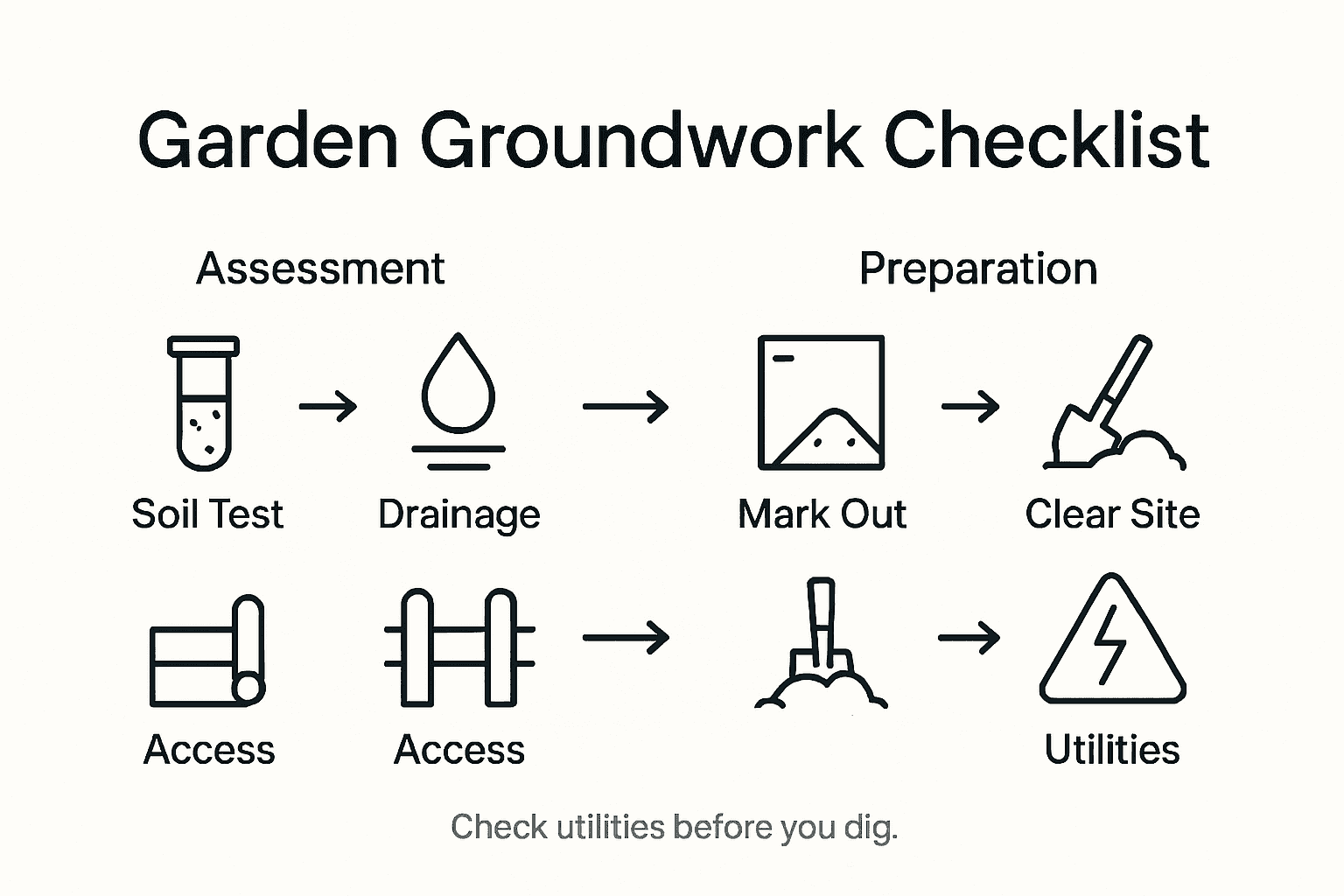
Utilities integration represents a critical aspect of garden building preparation. Electrical connections, water supply, drainage, and potential telecommunications infrastructure must be carefully planned to ensure seamless functionality. Professional groundworks contractors typically recommend creating a comprehensive utility plan that accounts for both existing infrastructure and potential future expansions. This approach minimises disruption and reduces the risk of expensive retroactive modifications.
Access considerations extend beyond immediate construction requirements, encompassing long-term maintenance and potential future modifications. The pathway to your garden building should accommodate delivery vehicles, construction equipment, and ongoing maintenance needs. Factors such as ground stability, gradient, and potential seasonal challenges like muddy conditions must be carefully evaluated. Proper ground preparation might involve creating stable access routes, implementing drainage solutions, and ensuring adequate clearance for equipment and materials.
Pro tip: Engage a professional utility surveyor to conduct a comprehensive underground scan before commencing any groundworks, preventing potentially costly damage to existing infrastructure.
Common Site Issues and Mistakes to Avoid
Homeowners undertaking garden building projects frequently encounter significant site preparation challenges that can compromise the entire construction process. Poor ground preparation represents the most critical risk factor, with issues like inadequate soil assessment, improper drainage, and uneven terrain potentially leading to structural complications and long-term maintenance problems. Understanding these potential pitfalls is essential for ensuring a successful garden building installation.
One of the most common mistakes involves neglecting comprehensive ground investigation and soil analysis. Clay-heavy soils, high water tables, and unstable ground conditions can create significant challenges for garden building foundations. Homeowners often underestimate the importance of proper ground levelling, drainage solutions, and soil stabilisation. Compacted soil, insufficient topsoil depth, and unaddressed ground movement can result in structural shifting, moisture penetration, and potential long-term damage to the garden building’s integrity.
Additional site preparation mistakes include inadequate consideration of surrounding landscape features and potential environmental constraints. Proximity to existing trees, underground utility lines, and property boundaries can create unexpected complications. Many DIY enthusiasts overlook critical factors such as root systems, potential underground drainage networks, and the impact of seasonal ground movement. Failing to account for these subtle yet significant environmental considerations can lead to expensive remediation work and potential structural compromises.
Pro tip: Invest in a professional ground survey and soil assessment before commencing any garden building project, as the cost of preventative investigation is minimal compared to potential rectification expenses.
Make Your Garden Building Project a Reality with Expert Support
Preparing your garden for a log cabin or garden building involves careful ground assessment and planning to avoid common pitfalls such as poor soil conditions and drainage issues. Whether you are dreaming of a multi-purpose log cabin or a bespoke garden office, overcoming these challenges starts with choosing the right solution tailored to your garden’s unique needs. Our collection of garden buildings offers robust, customisable options designed to fit perfectly with your space and lifestyle goals.
Start your project with confidence by exploring our handcrafted log cabins and bespoke garden buildings. Visit Log Cabin Kits today for expert advice and discover how easy it is to enhance your outdoor space with quality structures that combine style, durability and compliance with UK planning guidelines. Transform your garden now and enjoy a seamless building journey tailored just for you.
Frequently Asked Questions
How do I assess my garden’s suitability for a building project?
Conduct a thorough site evaluation that considers soil conditions, drainage, existing vegetation, and spatial constraints. Look for uneven terrain and understand the microclimates in your garden, which will influence the best placement for your building.
What are the common types of garden buildings and their uses?
Common types of garden buildings include log cabins, garden offices, summer houses, garden studios, and storage sheds. Each type serves different functions, from multi-purpose rooms and dedicated workspaces to relaxation areas and practical storage solutions.
Do I need planning permission for my garden building?
Planning permission is essential if your garden building exceeds specific criteria, such as height or size restrictions. Generally, structures must not cover more than 50% of the garden area and must be at least 2 metres from property boundaries. Always check with your local planning authority before commencing construction.
What groundwork considerations should I keep in mind when preparing for a garden building?
Key groundwork considerations include thorough soil assessment, proper drainage solutions, and stable access routes for construction and maintenance. Consulting a professional for a utility survey can help prevent damage to existing underground infrastructure during construction.
Recommended
- Landscaping With Garden Buildings – Transforming Outdoor Spaces
- Complete Guide to Why Garden Buildings Add Value
- Building Resilience for Your Garden Building - Log Cabin Kits to Buy Online
- How to Choose Garden Buildings for Perfect Outdoor Spaces
- Be smart heading into storm season with Florida trees - McCullough Tree Service