Blog


Creating a bespoke log cabin begins long before the first timber is laid. Many British homeowners discover that thoughtful planning is what transforms a simple outbuilding into a truly personal retreat. By pinpointing your unique needs, considering your garden’s layout and visualising your preferred style, you lay the groundwork for a cabin that is as beautiful as it is useful. Start with crystal-clear requirements to ensure that every step, from design to construction, delivers lasting value for your home and peace of mind.
Table of Contents
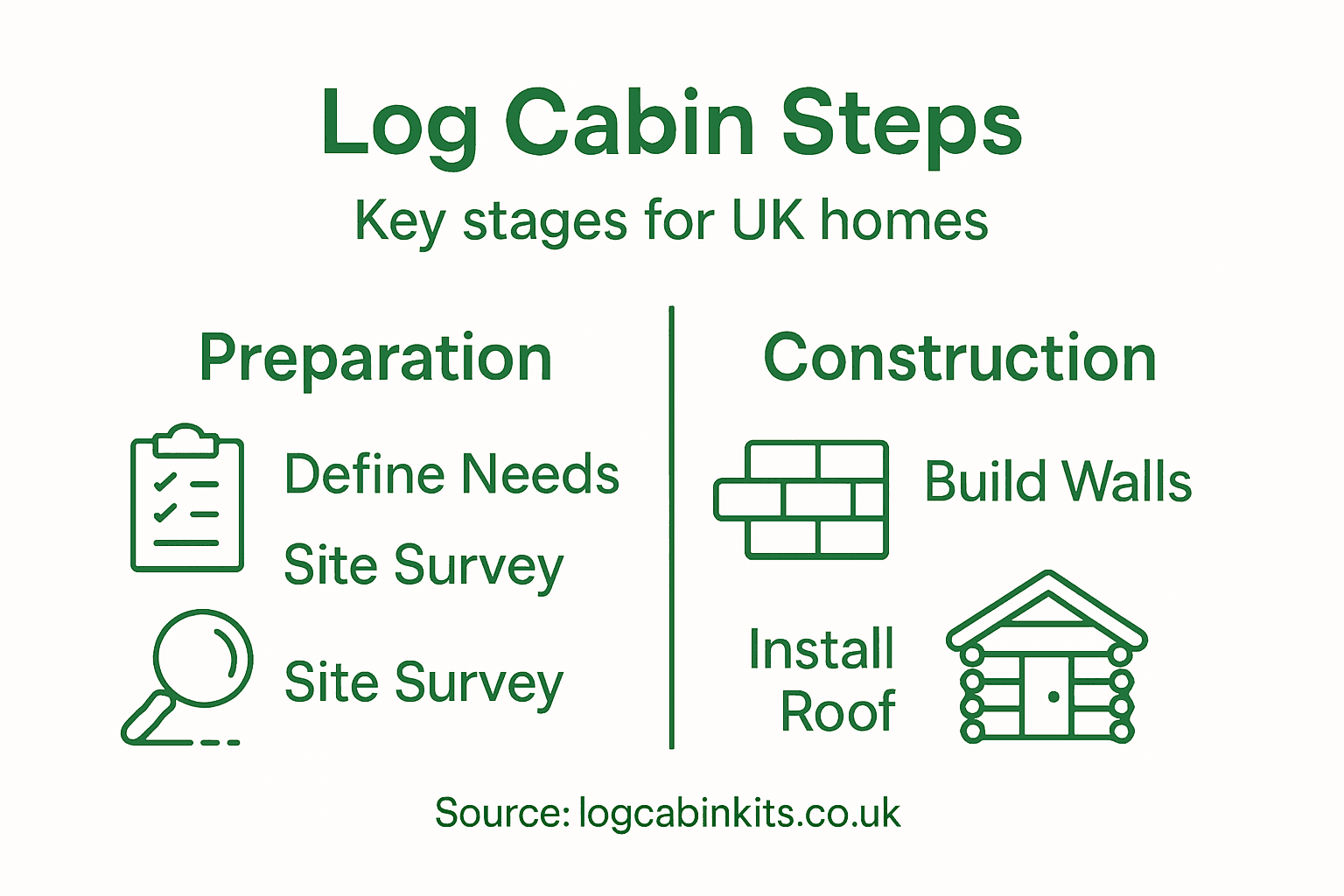
- Step 1: Define Your Log Cabin Requirements
- Step 2: Plan and Prepare the Construction Site
- Step 3: Lay Foundations and Install Base Structure
- Step 4: Build Cabin Walls and Roof
- Step 5: Fit Windows, Doors and Utilities
- Step 6: Inspect and Finish Your Bespoke Log Cabin
Quick Summary
| Key Point | Explanation |
|---|---|
| 1. Clearly Define Your Requirements | Assess your specific needs, garden characteristics, and aesthetic preferences before starting the construction to ensure a seamless design process. |
| 2. Conduct Comprehensive Site Preparation | Thoroughly evaluate ground levels, soil stability, and local regulations to set a solid foundation for your log cabin project. |
| 3. Choose the Right Foundation Type | Selecting an appropriate foundation, such as a concrete slab or ground screw, is crucial for long-term stability and durability of your log cabin. |
| 4. Ensure Accurate Wall and Roof Construction | Pay attention to timber selection, insulation, and weatherproofing techniques to create a sturdy and energy-efficient log cabin. |
| 5. Finalise with a Thorough Inspection | Conduct detailed checks on stability, functionality, and finishes to ensure your log cabin meets quality standards and will last for years. |
Step 1: Define your log cabin requirements
Defining your bespoke log cabin requirements is the crucial first step in creating a personalised outdoor space that perfectly matches your lifestyle and garden. This initial planning phase helps transform your vision from a vague idea into a concrete design that will seamlessly integrate with your property.
Start by conducting a thorough assessment of your specific needs and garden characteristics. Consider these key factors when defining your log cabin requirements:
- Total available garden space for potential cabin placement
- Intended primary usage (home office, gym, studio, relaxation area)
- Desired internal dimensions and layout
- Preferred timber type and construction style
- Specific aesthetic preferences matching your home’s exterior
- Budget constraints and long-term investment potential
Careful planning ensures your log cabin becomes a functional garden addition that enhances both property value and personal enjoyment. By meticulously documenting your requirements upfront, you’ll streamline the entire design and construction process.
Successful log cabin projects begin with crystal-clear requirements that align your vision with practical possibilities.
Remember that each log cabin is unique, and your specific needs will drive every subsequent design decision. Take time to thoroughly research and visualise how your cabin will function within your garden’s ecosystem.
Expert Tip: Create a mood board or digital folder with inspiration images to help crystallise your log cabin vision before engaging with designers.
Step 2: Plan and prepare the construction site
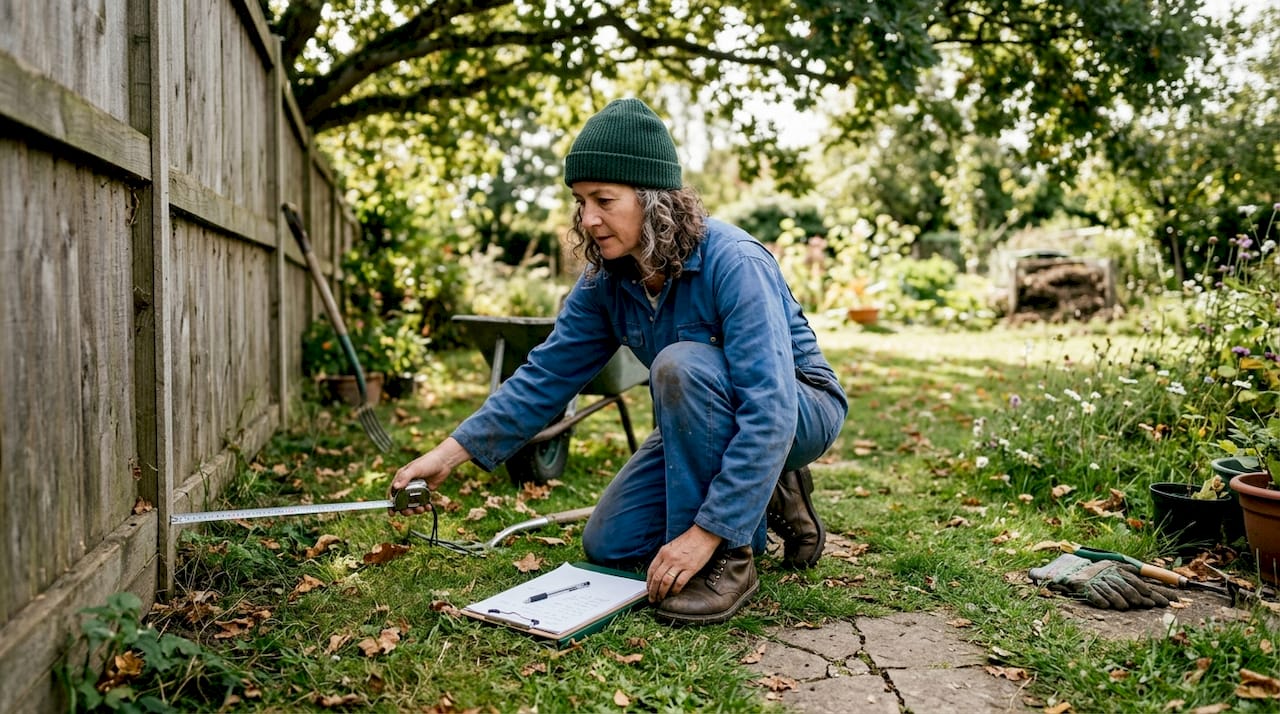
Planning and preparing your construction site is a critical phase that sets the foundation for a successful log cabin project. Proper site preparation ensures structural integrity, drainage, and long-term durability of your bespoke garden building.
Before breaking ground, conduct a comprehensive site assessment with these key considerations:
- Ground levels and drainage to prevent water accumulation
- Soil composition and stability for secure foundation
- Precise measurements matching your design specifications
- Utility line locations to avoid underground infrastructure
- Local planning permissions and potential building regulations
- Access routes for construction equipment and materials
Careful site preparation helps you avoid common construction challenges and minimise potential complications during the build. Thoroughly survey and mark out your intended cabin location, ensuring you have adequate clearance on all sides.
Meticulous site preparation is the unsung hero of successful log cabin construction – get this right, and everything else becomes significantly easier.
Communicate clearly with your chosen contractors about site-specific requirements and potential challenges. A professional assessment can reveal nuanced considerations that might not be immediately apparent to the untrained eye.
Expert Tip: Consider hiring a professional surveyor to conduct a detailed site evaluation, which can save you significant time and money in the long run.
Step 3: Lay foundations and install base structure
Laying a robust foundation is the cornerstone of your log cabin’s long-term stability and performance. Your base structure must provide a level, durable platform that protects your investment from ground moisture, uneven terrain, and potential structural challenges.
When preparing your foundation, consider these critical approaches:
- Concrete slab foundations for maximum stability
- Timber frame bases offering flexibility and cost-effectiveness
- Ground screw systems providing excellent load distribution
- Recycled plastic bases for environmentally conscious solutions
- Elevated base designs to prevent water damage
- Proper drainage considerations to ensure long-term durability
Choosing the right foundation involves careful assessment of your specific site conditions. Garden building foundations require meticulous planning to ensure your log cabin remains level, secure, and protected against environmental challenges.
A well-constructed foundation is not just about supporting weight – it’s about creating a resilient platform that will protect your log cabin for decades to come.
Professional installation is crucial. While DIY enthusiasts might be tempted to tackle this themselves, consulting with an experienced contractor can help you navigate potential complexities and avoid costly mistakes during the base preparation process.
Here is a comparison of popular log cabin foundation types and their unique advantages:
| Foundation Type | Durability | Environmental Impact | Suitable For |
|---|---|---|---|
| Concrete Slab | Extremely robust | Moderate, uses cement | Heavy cabins, long lifespan |
| Timber Frame | Flexible and reliable | Renewable, recyclable wood | Lightweight cabins, easy access |
| Ground Screw | Highly stable | Minimal ground disruption | Uneven sites, rapid installation |
| Recycled Plastic Base | Long-lasting, weatherproof | High, made from waste plastic | Eco-conscious projects, damp areas |
| Elevated Base | Prevents water damage | Varies with material | Flood-prone or sloped gardens |
Expert Tip: Always include a damp-proof membrane beneath your foundation to provide an additional layer of moisture protection and extend your log cabin’s lifespan.
Step 4: Build cabin walls and roof
Building the walls and roof of your log cabin represents the most transformative stage of your construction project, where your carefully planned design begins to take physical shape. This critical phase requires precision, careful material selection, and methodical assembly to ensure structural integrity and weatherproofing.
When constructing your cabin walls and roof, focus on these essential elements:
- Timber selection matching your design specifications
- Interlocking wall techniques for maximum stability
- Precise measurement and cutting of wall panels
- Weatherproofing techniques to protect against moisture
- Roof framing and support structures
- Insulation considerations for thermal efficiency
Paying close attention to log cabin wall insulation will help you create a comfortable and energy-efficient space. Each wall panel must be carefully aligned and secured, ensuring tight joints and minimal heat loss.
The quality of your wall and roof construction determines not just the appearance of your log cabin, but its longevity and performance for years to come.
Consider working with a professional or experienced carpenter who understands the nuanced techniques of log cabin construction. Their expertise can help you navigate complex joinery, ensure proper alignment, and implement advanced weatherproofing methods.
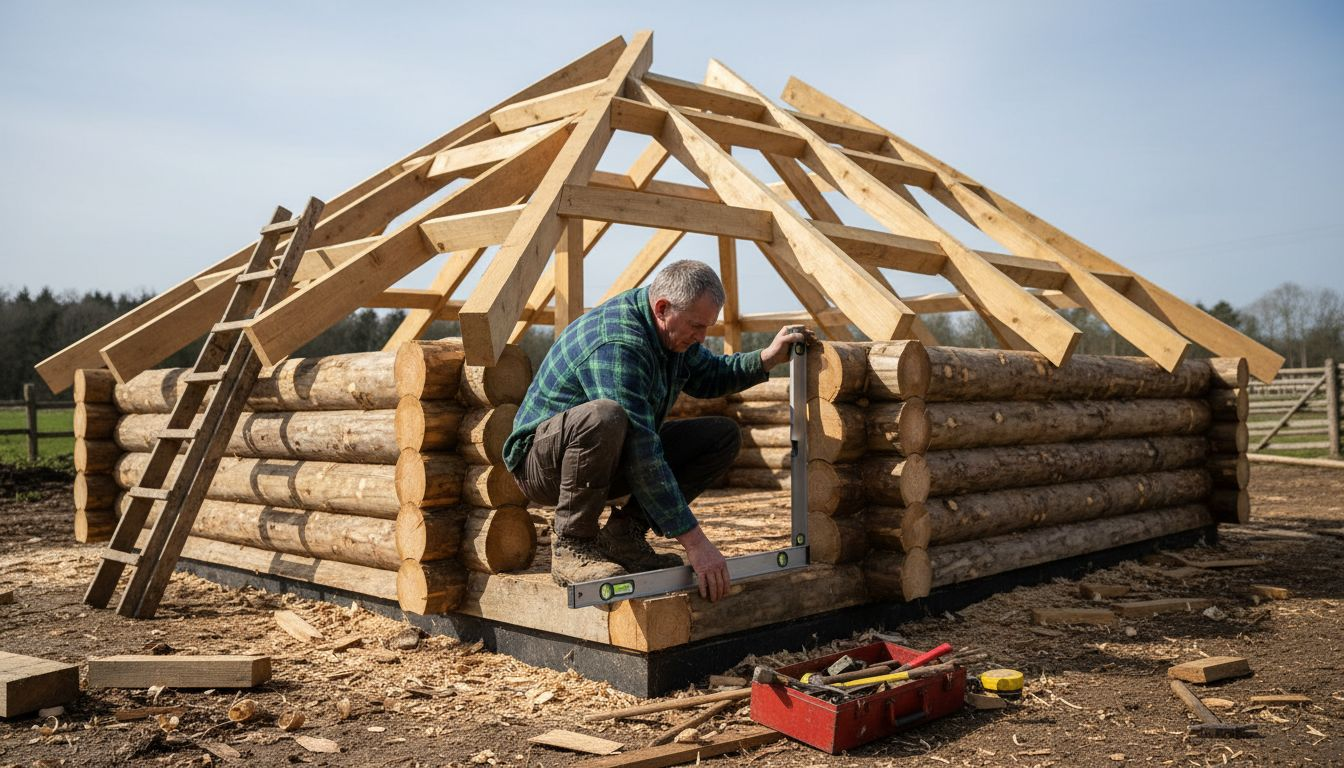
Expert Tip: Use a spirit level at multiple stages during wall and roof construction to guarantee absolute precision and prevent future structural issues.
Step 5: Fit windows, doors and utilities
Fitting windows, doors, and utilities transforms your log cabin from a basic structure into a functional living or working space. This crucial stage requires careful planning, precise measurement, and thoughtful integration of essential components that will determine your cabin’s comfort and usability.
When installing windows and doors, consider these critical aspects:
- Window frame material and thermal efficiency
- Door positioning for optimal access and security
- Electrical wiring routes and placement
- Plumbing considerations for potential water connections
- Ventilation requirements for internal comfort
- Weatherproofing techniques around openings
Selecting the right windows for your garden room can significantly impact your cabin’s aesthetic appeal and functional performance. Ensure each window and door is precisely measured and fitted to prevent drafts and maintain structural integrity.
Utilities and openings are not just functional elements – they are the breathing points that define your log cabin’s character and livability.
Consider engaging a professional electrician and plumber to handle complex utility installations, ensuring compliance with British building regulations and safety standards. Their expertise will help you navigate potential challenges and achieve a seamless integration of services.
Expert Tip: Pre-plan your utility routes during the wall construction phase to minimise later disruption and ensure a clean, efficient installation.
Step 6: Inspect and finish your bespoke log cabin
Inspecting and finishing your log cabin marks the culmination of your construction journey, transforming your carefully crafted structure into a fully functional and aesthetically pleasing space. This final stage requires meticulous attention to detail and a systematic approach to ensure every element meets your exacting standards.
During the final inspection and finishing process, focus on these critical areas:
- Structural integrity and alignment checks
- Weatherproofing and seal effectiveness
- Interior and exterior paintwork
- Utility system functionality
- Door and window fitting precision
- Surface treatment and protection
Waterproofing techniques are crucial in protecting your investment against moisture and environmental challenges. Carefully inspect all joints, seams, and potential entry points for water to prevent future damage.
A thorough final inspection is not just about completing the project – it’s about guaranteeing the longevity and performance of your bespoke log cabin.
Take your time during this phase, methodically working through each aspect of your cabin. Photograph key areas for future reference and maintain a detailed checklist to ensure nothing is overlooked during the final finishing stages.
Expert Tip: Create a maintenance schedule immediately after completion to preserve your log cabin’s quality and address any potential issues proactively.
The following table summarises the main construction tasks at each key stage for a bespoke log cabin:
| Step | Main Activity | Typical Professional Involved |
|---|---|---|
| Define Requirements | Vision and needs assessment | Architect or design consultant |
| Prepare Construction Site | Survey, clearance, marking | Surveyor, groundwork contractor |
| Lay Foundations/Base | Foundation installation | Builder, site preparation team |
| Build Walls and Roof | Timber assembly, insulation | Carpenter, joiner |
| Fit Windows, Doors, Utilities | Install openings and services | Glazier, electrician, plumber |
| Final Inspection and Finish | Quality checks, painting | General contractor, painter |
Bring Your Bespoke Log Cabin Vision to Life with Expert Support
Building the perfect bespoke log cabin is a rewarding journey yet presents challenges, such as selecting the right timber, preparing solid foundations, and ensuring precise wall and roof construction for lasting durability. This guide highlights the importance of meticulous planning, site preparation, and professional installation to create a comfortable and weatherproof garden space that meets your unique lifestyle needs.
Transform your garden with confidence by choosing bespoke log cabin solutions tailored to your vision. Explore a wide range of customisable options and expert advice at Log Cabin Kits designed to simplify every step from foundation to final finishes. Ready to start your project today? Discover expert tips on garden building foundations and learn how to select windows for your garden room that enhance both style and efficiency.
Visit https://logcabinkits.co.uk now to find bespoke log cabins that meet your exact specifications and enjoy personalised support every step of the way.
Frequently Asked Questions
What are the first steps to define my log cabin requirements?
To define your log cabin requirements, start by assessing your total available garden space and intended primary usage, such as an office or relaxation area. Create a list of your desired internal dimensions, timber type, and budget constraints to guide your design process.
How do I prepare the site for my bespoke log cabin construction?
Prepare your construction site by conducting a thorough assessment of ground levels, soil stability, and drainage. Mark out your intended cabin location, ensuring you have clear access routes for materials and equipment, and check for any local planning permissions that might be required.
What foundation types are suitable for building a log cabin?
Several foundation types are suitable for a log cabin, including concrete slabs for maximum stability, timber frames for flexibility, and ground screw systems for uneven sites. Assess your specific site conditions to choose the most appropriate foundation that meets your cabin’s design and environmental requirements.
What should I consider when building the walls and roof of my log cabin?
When building the walls and roof, focus on selecting the right timber, ensuring precise measurements, and implementing effective weatherproofing techniques. This ensures structural integrity and optimal insulation, which is essential for a comfortable and durable cabin.
How can I effectively install windows and doors in my log cabin?
To effectively install windows and doors, ensure precise measurements are taken and that you consider thermal efficiency for frames. Plan your electrical and plumbing needs prior to installation to facilitate easy access and integration, ensuring everything fits snugly and operates properly.
What are the final steps before using my log cabin?
The final steps involve conducting a thorough inspection of the structure, checking for structural integrity and weatherproofing effectiveness. Complete any finishing touches like painting or sealing, and create a maintenance schedule immediately to address any issues proactively and preserve your log cabin’s quality.