
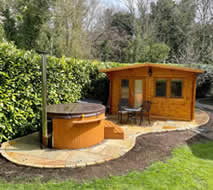
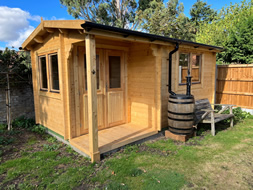
Crafting a bespoke garden room often begins with a rush of inspiration and a handful of sketch ideas, yet turning that vision into a truly functional retreat takes careful planning. For many British homeowners, a garden room offers a flexible escape for work or relaxation, but making it both practical and beautiful requires more than guesswork. From understanding your core purpose to assessing specific needs and space, you will find smart solutions here for building a garden room that truly feels like your own.
Table of Contents
- Step 1: Assess Your Garden Room’s Purpose And Needs
- Step 2: Plan Your Optimal Layout And Zones
- Step 3: Select Functional Furniture And Storage
- Step 4: Choose Stylish Décor And Colour Schemes
- Step 5: Add Lighting And Final Finishing Touches
Quick Summary
| Key Point | Explanation |
|---|---|
| 1. Identify the garden room’s purpose | Assess whether it will be a home office, studio, relaxation area, or multifunctional space to tailor your design. |
| 2. Plan the layout with functional zones | Create distinct areas for various uses, ensuring good traffic flow and connecting each space for versatility. |
| 3. Choose adaptable furniture and storage | Select multi-functional pieces and efficient storage solutions to maximise space and maintain organisation. |
| 4. Harmonise decor with your style | Reflect your personal aesthetic through decor and colour schemes that blend with the outdoor environment. |
| 5. Layer lighting for atmosphere | Implement a mix of ambient, task, and accent lighting to create a comfortable and inviting space. |
Step 1: Assess your garden room’s purpose and needs
Designing a garden room begins with understanding its core purpose and how it will serve your lifestyle. This initial assessment is crucial for creating a functional and personalised space that meets your specific requirements.
Start by carefully evaluating the potential uses for your garden room. Will it function as a home office, creative studio, relaxation area, or multi purpose space? Checking local planning guidelines helps ensure your design complies with regional regulations. Consider how the room will integrate with your existing garden layout and home architecture.
Measure your available outdoor space precisely and think about orientation. Your garden room should capture optimal natural light while providing privacy and complementing your garden’s existing landscape. Consider factors like sunlight exposure, potential views, proximity to your main residence, and how the space will be used throughout different seasons.
Think beyond immediate needs and plan for potential future adaptations. A versatile garden room design allows for changing requirements over time. Will you need flexible workspace configurations? Storage solutions? Electrical outlets for technology? Heating for year round use?
Here is a comparison of common garden room purposes and their key design considerations:
| Purpose | Space Requirements | Privacy Needs | Adaptability |
|---|---|---|---|
| Home Office | Desk, chair, storage | Quiet, seclusion | Expandable workspace |
| Creative Studio | Flexible open space | Variable, moderate | Art supply storage |
| Relaxation Area | Seating, lighting | High, restful views | Reading and plant zones |
| Multi-purpose | Combination zones | Partitioned areas | Modifiable layout |
Expert Tip: Always leave slightly more space in your initial design than you currently anticipate needing to accommodate future modifications and unexpected uses.
Step 2: Plan your optimal layout and zones
Planning the layout of your garden room is a critical step in transforming your space from a mere structure to a personalised sanctuary that meets your unique needs. This phase requires thoughtful consideration of functionality, aesthetics, and how you intend to use the room.
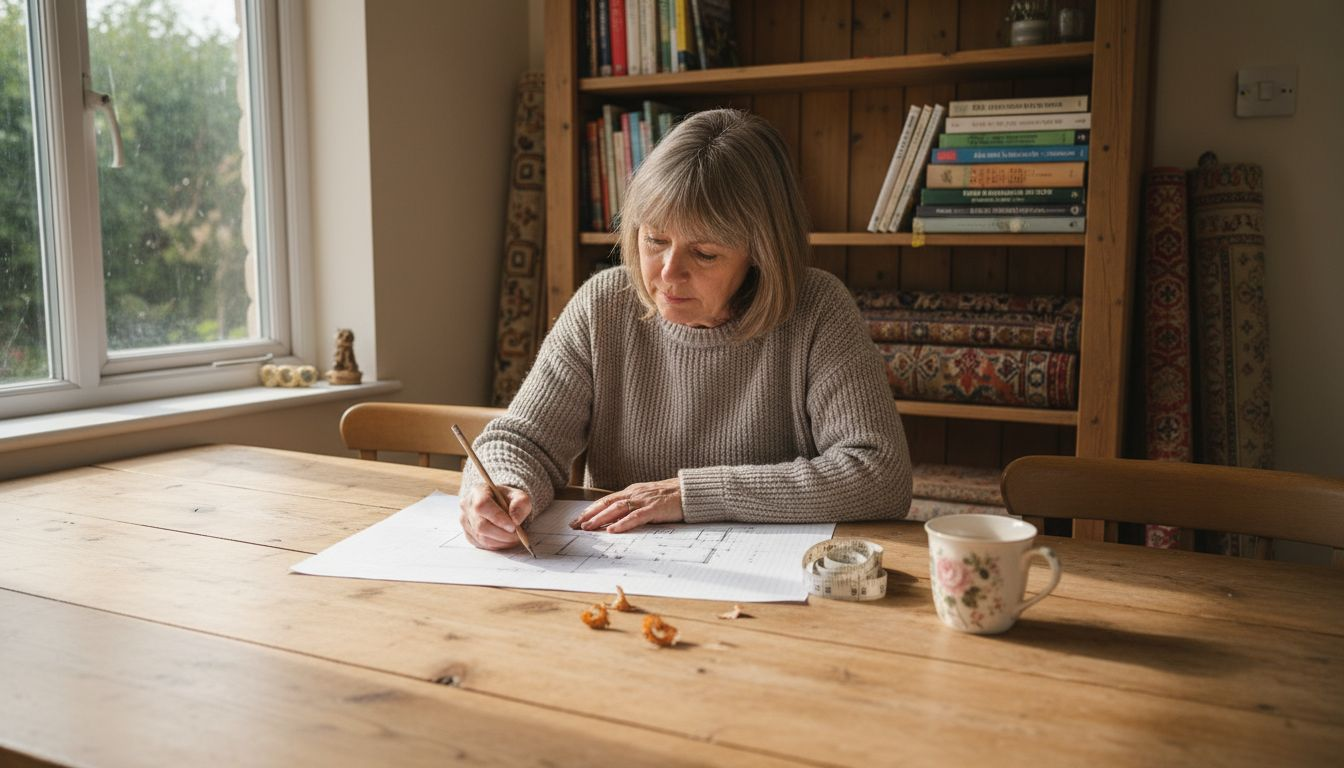
Space planning and layout involves understanding the room’s purpose and strategically organizing different zones. Begin by dividing your garden room into distinct functional areas that support your primary activities. For a home office, this might mean creating a dedicated workspace with a desk positioned to capture natural light, a comfortable seating area for breaks, and storage solutions for documents and equipment.
Consider creating multiple sensory zones that enhance the room’s versatility. Drawing inspiration from garden design principles, you could establish distinct areas that serve different purposes. A reading nook near a window, a compact workstation, a relaxation corner with comfortable seating, and perhaps a small plants area can transform your garden room into a multifunctional space that adapts to your changing needs.
Pay close attention to traffic flow and ensure each zone feels connected yet distinct. Use furniture placement, rugs, or subtle room dividers to define spaces without creating visual barriers. Think about electrical outlets, lighting requirements, and how natural light moves through the room during different times of day.
Expert Tip: Sketch your proposed layout on graph paper before purchasing furniture to ensure proper scale and flow of your garden room zones.
Step 3: Select functional furniture and storage
Selecting the right furniture and storage solutions is crucial for creating a practical and inviting garden room that adapts seamlessly to your lifestyle. Your choices will determine how effectively you can use the space and maintain an organised environment.
Functional furniture layout requires careful consideration of user needs and space efficiency. Opt for pieces that serve multiple purposes think modular furniture with built-in storage or extendable desks that can transform from compact workstations to larger meeting areas. Look for ergonomic chairs that provide comfort during long work sessions and lightweight pieces that can be easily rearranged to suit different activities.
When selecting storage solutions, prioritise compact and versatile options that maximise your available space. Wall mounted shelving, under desk drawers, and multi functional furniture like ottomans with hidden storage can help keep your garden room tidy and organised. Consider weather resistant materials that can withstand temperature fluctuations and potential humidity. Wooden furniture with protective treatments or metal pieces with powder coating work particularly well in garden room environments.
Think strategically about your storage needs. If you are using the room as a home office, incorporate filing cabinets or document storage. For creative spaces, include specialised storage for art supplies or equipment. Ensure that your storage solutions blend seamlessly with your overall design aesthetic while providing practical functionality.
Expert Tip: Measure your garden room precisely before purchasing furniture and allow at least 75 centimetres of walking space between furniture pieces to maintain comfortable movement.
Step 4: Choose stylish décor and colour schemes
Creating an inviting garden room involves thoughtful selection of décor and colour schemes that reflect your personal style while harmonising with the natural surroundings. Your design choices will transform the space from a simple structure into a personalised sanctuary.
Interior design principles suggest defining a clear style aesthetic that resonates with your personality. Consider approaches like Scandinavian minimalism with its clean lines and muted tones or a more vibrant bohemian style that embraces rich textures and colours. Choose a palette that complements the exterior landscape drawing inspiration from the greenery surrounding your garden room.
When selecting colours, think about the mood you want to create. Soft neutrals like sage green and warm taupe can create a calming atmosphere perfect for relaxation or work. Accent these base colours with deeper tones through cushions, artwork, or small furniture pieces. Incorporate natural materials such as wooden frames, woven textiles, and ceramic accessories to add warmth and texture to your space.
A summary of popular garden room interior styles and the atmosphere they create:
| Style | Typical Materials | Colour Palette | Atmosphere Created |
|---|---|---|---|
| Scandinavian | Light wood, textiles | Whites, greys, pale green | Calm, minimalist |
| Bohemian | Woven, ceramic, plants | Jewel tones, earthy shades | Vibrant, cosy |
| Modern Classic | Wood, glass, metal | Neutral, navy, charcoal | Elegant, sophisticated |
Remember that lighting plays a crucial role in how colours and décor are perceived. Use a mix of ambient lighting soft table lamps and directional task lighting to create depth and flexibility. Consider adding mirrors to reflect natural light and make the space feel larger and more open.
Expert Tip: Use colour swatches and fabric samples in your actual garden room to see how they interact with changing natural light throughout the day.
Step 5: Add lighting and final finishing touches
Transforming your garden room into a truly personalised space requires thoughtful selection of lighting and finishing details that elevate the overall design and functionality. These final touches will bring your vision to life and create an inviting atmosphere.
Quality lighting design is crucial for creating a versatile and comfortable environment. Implement a layered lighting approach that combines ambient overhead lighting with task lighting and accent features. Consider adjustable floor lamps for reading areas, soft pendant lights for general illumination, and directional spotlights to highlight artwork or architectural features.
Bring personality to your garden room through carefully chosen accessories and soft furnishings. Introduce texture through throws, cushions, and area rugs that complement your colour scheme. Add greenery with potted plants or hanging planters to create a connection with the outdoor environment. Small decorative elements like ceramic vases, framed artwork, or sculptural pieces can add depth and character to the space.
Pay attention to practical details that enhance usability. Install smart power outlets with USB charging points, consider wireless charging stations, and ensure you have adequate extension leads positioned strategically. Think about storage solutions like decorative baskets or wall mounted shelves that keep the space tidy while adding visual interest.
Expert Tip: Use smart bulbs with adjustable colour temperatures to create different moods and adapt your lighting throughout the day.
Bring Your Dream Garden Room to Life with Bespoke Solutions
Designing a garden room that perfectly fits your lifestyle involves tackling key challenges like optimising layout, choosing functional furniture, and creating a harmonious colour scheme. Whether you need a quiet home office, a creative studio with flexible zones, or a relaxing getaway, overcoming these pain points requires a tailored design approach that balances aesthetics and practicality.
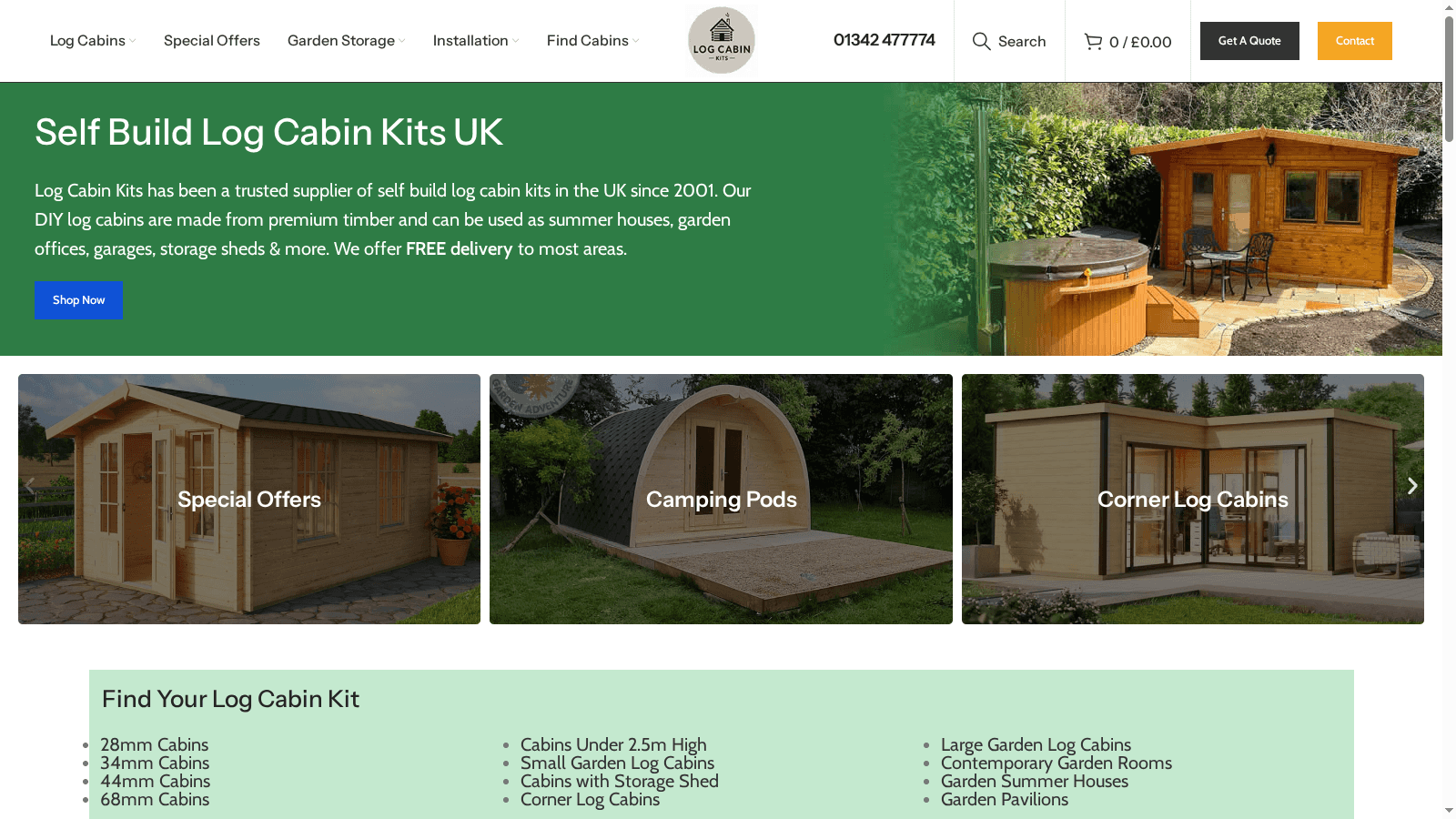
Take the next step with Log Cabin Kits, where bespoke garden buildings provide the ideal foundation for your personalised interior design. Our custom options ensure you have the perfect space to plan your layout, add the right furniture, and create that calming or vibrant atmosphere you envision. Start turning your garden room design dreams into reality today by exploring our range and secure a space that adapts seamlessly with your evolving needs.
Frequently Asked Questions
How do I determine the main purpose of my garden room?
To determine the main purpose of your garden room, assess how you plan to use the space. List potential uses, such as a home office or relaxation area, and evaluate specific needs, like furniture and privacy requirements.
What should I consider when planning the layout of my garden room?
When planning the layout, create distinct zones based on functionality, ensuring that each area connects but feels separate. Sketch your proposed layout to ensure adequate traffic flow and think about the placement of electrical outlets and natural light sources.
How can I choose the right furniture for my garden room?
Select furniture that is functional and versatile, opting for modular pieces or those with built-in storage to maximise space. Always measure your garden room beforehand to ensure your chosen furniture fits comfortably within the available area.
What colour schemes work best for garden rooms?
Choose colour schemes that reflect your personal style while harmonising with the natural surroundings. Soft neutrals can create a calming atmosphere, while deeper tones can add character; test paint samples in your garden room to see how they interact with natural light throughout the day.
What types of lighting are best for a garden room?
A layered approach to lighting works best, combining ambient, task, and accent lighting. Consider adjustable fixtures like floor lamps and pendant lights to enhance functionality and mood; ensure adequate lighting for different activities throughout the day.
How can I add finishing touches to my garden room?
Enhance your garden room by selecting decorative accessories and soft furnishings that complement your design. Incorporate textures like throws and rugs, add greenery through plants, and use smart power outlets for greater functionality.