
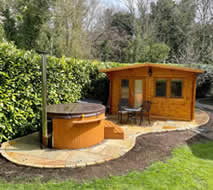
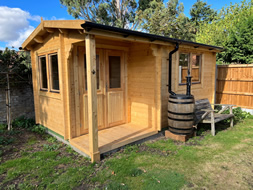
British homeowners are investing in outdoor living like never before, with over 40 percent now adding garden buildings for work or relaxation. Making the most of your outdoor space has become an essential part of modern life, especially as more people seek practical and inviting solutions right in their own garden. This guide walks you through every key decision, from site assessment to bespoke finishes, so you can design a log cabin that feels uniquely yours and truly fits the British lifestyle.
Table of Contents
- Stage 1: Assess Your Outdoor Space And Requirements
- Stage 2: Choose Materials And Cabin Style
- Stage 3: Create A Detailed Cabin Design Plan
- Stage 4: Select Bespoke Features And Finishes
- Stage 5: Review And Finalise Your Bespoke Cabin Design
Quick Summary
| Key Insight | Explanation |
|---|---|
| 1. Assess Your Outdoor Space | Measure your garden’s dimensions and understand its features to determine the feasibility of your log cabin project. |
| 2. Choose Suitable Materials | Select durable materials like timber that complement your garden’s aesthetics while ensuring functionality and maintenance ease. |
| 3. Create a Detailed Design Plan | Develop a scaled drawing detailing elements such as windows and door placements to ensure your log cabin meets your needs. |
| 4. Personalise with Specific Features | Integrate bespoke features and finishes, such as premium windows and interior treatments, to enhance both utility and appearance. |
| 5. Review and Finalise Your Design | Critically evaluate your designs, ensuring they meet original objectives and incorporating feedback for necessary adjustments. |
Stage 1: Assess your outdoor space and requirements
Designing a bespoke garden log cabin starts with a comprehensive understanding of your available outdoor space and specific requirements. The initial assessment determines the feasibility and potential of your garden building project, ensuring you make informed decisions from the outset.
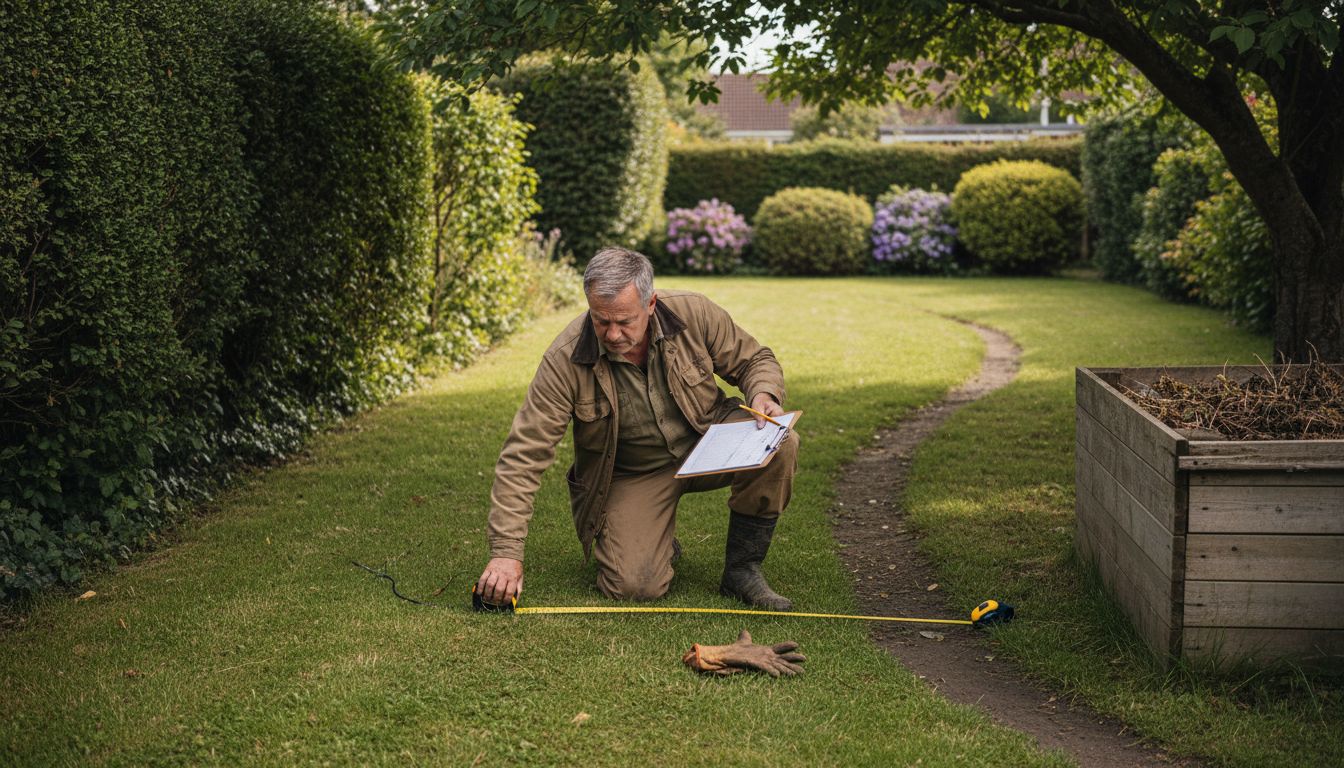
Begin by carefully measuring the precise dimensions of your garden area, taking note of critical details like ground level, soil conditions, and potential obstacles. Consider how the log cabin will interact with existing landscape features such as trees, pathways, and garden beds. Understanding key planning considerations is crucial to ensure your design complies with local regulations and maximises your garden’s potential. Pay special attention to boundary restrictions, which often dictate the maximum footprint and placement of garden buildings.
Your intended use will significantly influence the design parameters. Are you seeking a home office, relaxation space, storage solution, or multipurpose area? Each purpose demands different spatial requirements and design approaches. Sketch a rough layout, marking potential positions and considering factors like sunlight exposure, wind direction, and privacy. A thoughtful initial assessment prevents costly redesigns and ensures your bespoke log cabin seamlessly integrates with your outdoor environment.
Stage 2: Choose materials and cabin style
Selecting the right materials and style for your garden log cabin is a critical decision that impacts both aesthetics and functionality. Your choice will determine the cabin’s durability, maintenance requirements, and how seamlessly it integrates with your existing outdoor environment. Exploring custom garden shed options provides insight into the diverse range of materials and design possibilities available for garden buildings.
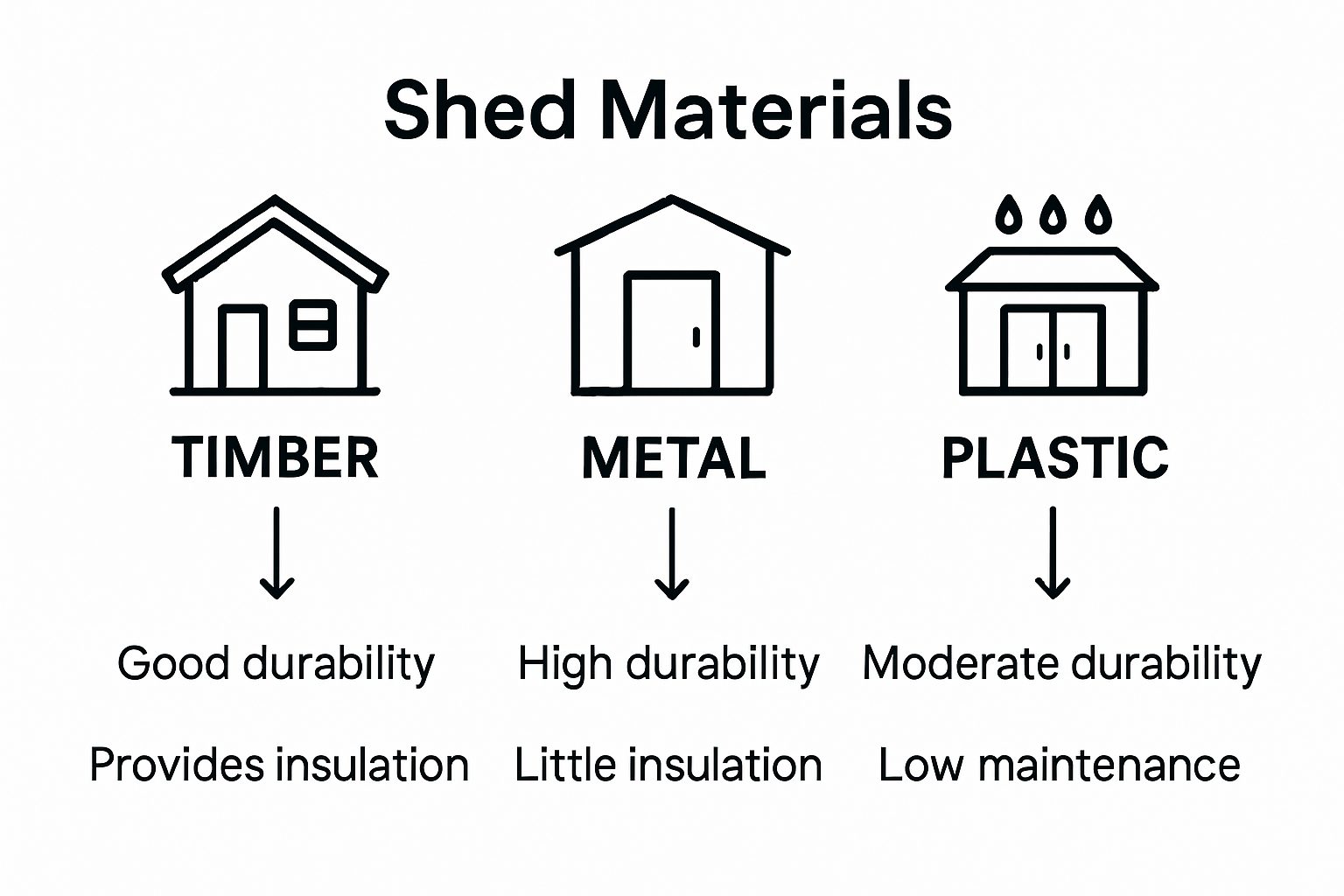
Timber remains the most popular material for garden log cabins, offering natural insulation, aesthetic warmth, and versatility. Consider hardwoods like cedar or pressure treated pine for enhanced weather resistance and longevity. Your style selection should complement your garden’s existing architecture while meeting practical needs. Options range from traditional rectangular designs to more contemporary curved or asymmetrical structures that can serve as home offices, storage spaces, or relaxation zones.
Pay close attention to timber thickness, roof design, and exterior treatment. Thicker timbers provide better insulation and structural integrity, while roof styles like apex or pent can dramatically alter the cabin’s visual appeal and functionality. Remember that your chosen materials and style should balance visual harmony with practical performance ensuring your garden log cabin becomes a valuable and enduring addition to your outdoor space.
Stage 3: Create a detailed shed design plan
Developing a comprehensive design plan transforms your garden log cabin from a conceptual idea into a tangible blueprint. This critical stage requires careful consideration of every detail to ensure your final structure meets both aesthetic and functional requirements. Comprehensive garden shed building guidance can provide additional insights into creating a robust and well-conceived design.

Start by creating a scaled drawing that accurately represents your garden log cabin, including precise measurements for length, width, and height. Consider incorporating technical elements like window placement, door positioning, and potential internal partition walls. Your design should account for future usage flexibility, potentially including multipurpose zones that can adapt to changing needs such as a home office, storage area, or relaxation space.
Pay special attention to practical considerations like ventilation, natural lighting, and potential electrical or insulation requirements. Sketch multiple design iterations, experimenting with different configurations that maximise your available space while maintaining a harmonious relationship with your existing garden landscape. A meticulously planned design will not only enhance your outdoor environment but also provide a functional and aesthetically pleasing garden building that adds significant value to your property.
Stage 4: Select bespoke features and finishes
Transforming your garden log cabin from a basic structure to a personalised space requires carefully selecting bespoke features and finishes that reflect your unique style and functional requirements. Exploring cabin customisation options can provide inspiration for creating a truly distinctive outdoor building that matches your specific needs.
Consider the functional elements that will enhance your log cabin’s utility and aesthetic appeal. Premium windows and doors can dramatically improve the space’s natural lighting, ventilation, and overall appearance. Think about specialised features like integrated shelving, electrical outlets, insulation upgrades, and interior wall treatments that can transform the cabin from a simple structure to a multipurpose living area. Your choice of exterior finishes such as wood stains, protective treatments, and colour palettes will not only protect the timber but also ensure the cabin complements your existing garden landscape.
Pay particular attention to the details that will make your garden log cabin feel like an extension of your home. Flooring options, interior paint colours, lighting fixtures, and additional architectural elements like skylights or veranda spaces can elevate the entire design. By thoughtfully selecting each feature, you will create a bespoke garden building that is both highly functional and a beautiful reflection of your personal style.
Stage 5: Review and finalise your bespoke shed design
Reviewing and finalising your garden log cabin design represents the critical moment where your vision transforms from concept to tangible blueprint. Professional garden building design approaches emphasise the importance of meticulously examining every aspect of your proposed structure to ensure it meets both aesthetic and functional requirements.
Conduct a comprehensive review of your design, scrutinising each element with a critical eye. Compare your initial sketches and requirements against the current plan, checking that every feature aligns with your original objectives. Verify precise measurements, confirm material selections, and evaluate how the proposed log cabin will integrate with your existing garden landscape. Consider potential future needs and assess whether the design offers sufficient flexibility for potential adaptations.
Seek feedback from trusted sources such as family members, gardening enthusiasts, or professional designers who can provide objective insights. Be prepared to make incremental adjustments that refine the design without compromising its core vision. Pay special attention to practical considerations like structural integrity, weather resistance, and overall usability. Your final design should represent a perfect balance between personal style, functional requirements, and harmonious garden integration.
Bring Your Bespoke Garden Shed Design to Life with Expert Solutions
Designing a bespoke shed for your garden space is an exciting journey but one that demands careful planning around space assessment, material selection, and thoughtful design to ensure your vision becomes a lasting addition to your home. Many face challenges such as balancing aesthetics with functionality, navigating planning restrictions, and choosing features that adapt to future needs. At Log Cabin Kits, we understand these concerns and offer a wide range of custom options designed to make your dream garden building easy and stress free.
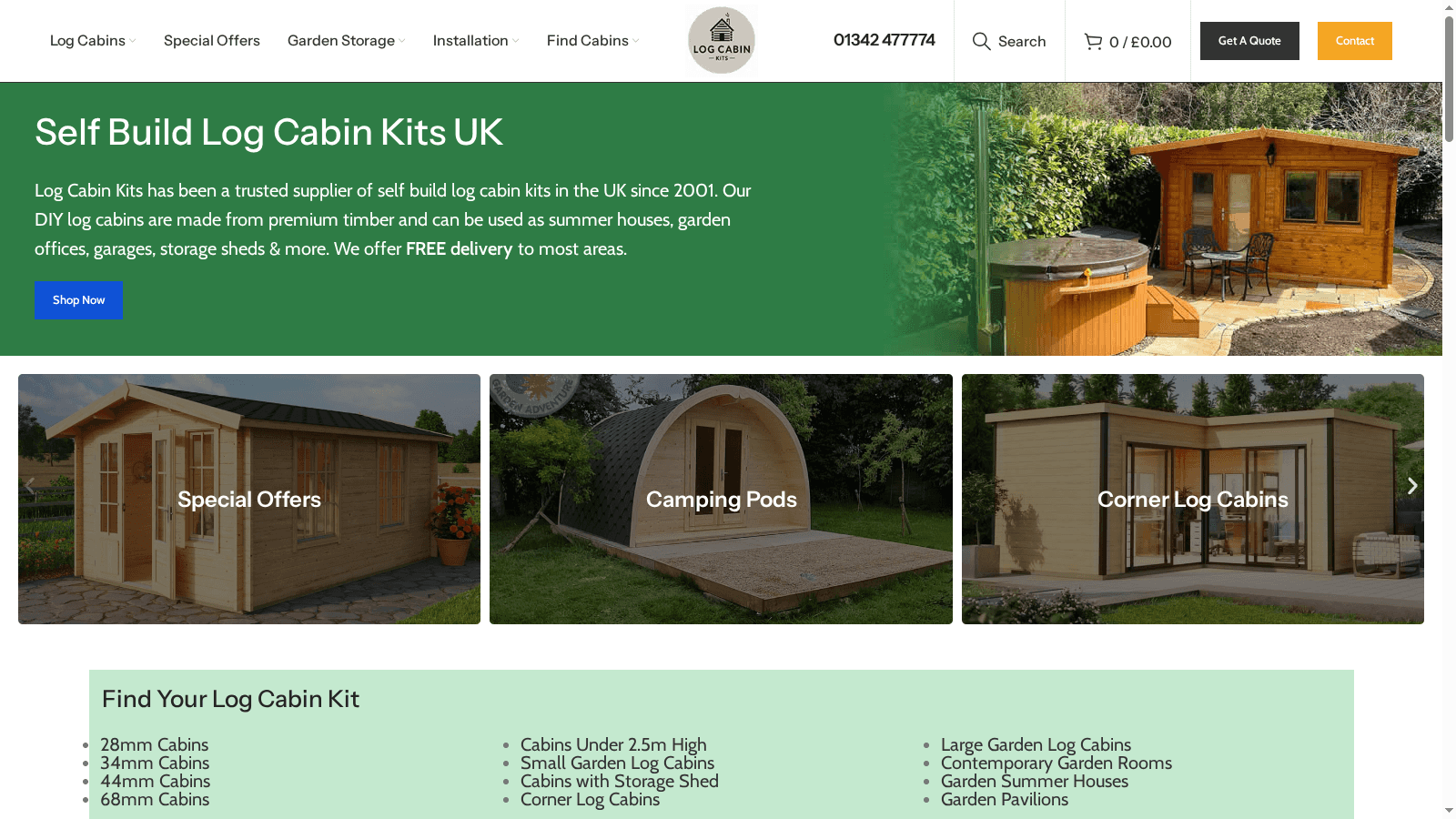
Explore our expert guides and bespoke cabins to discover how you can personalise every detail from timber thickness to finishes while enjoying professional support at every stage. Don’t settle for a generic garden building when you can create a versatile space perfectly tailored to your lifestyle. Start designing your ideal garden cabin today by visiting https://logcabinkits.co.uk and see how our customised solutions help you achieve a beautiful, functional space with confidence.
Frequently Asked Questions
How do I start designing a bespoke cabin for my garden space?
To begin designing your bespoke shed, assess your outdoor space by measuring its dimensions and noting any obstacles. Create a rough layout indicating potential positions and consider factors like sunlight exposure and privacy.
What materials should I consider for my garden log cabin?
Selecting the right materials is crucial for durability and aesthetics. Timber is the most popular option, with hardwoods like cedar or pressure-treated pine offering enhanced weather resistance and insulation properties.
How can I create a detailed design plan for my cabin ?
To create a detailed design plan, start by making a scaled drawing of your shed that includes all measurements and features such as window and door placements. Consider the functionality of the space and sketch multiple iterations to find the most efficient layout.
What bespoke features should I think about for my log cabin?
Consider adding features such as premium windows, shelves, or electrical outlets to enhance both functionality and design. Pay attention to the details like flooring options and lighting fixtures to make the space feel personal and inviting.
How do I finalise my bespoke cabin design?
Finalising your design involves reviewing every aspect with a critical eye to ensure it meets your aesthetic and functional goals. Compare your current plan to your initial sketches and seek feedback to make necessary adjustments before moving forward.