
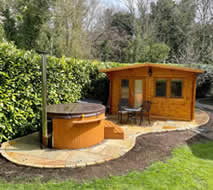
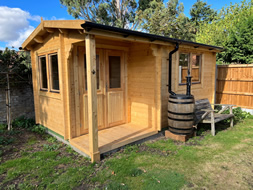
Choosing to add a bespoke log cabin to your garden is an exciting way to create a tailored retreat for leisure and relaxation. Designing and building these unique spaces takes more than just visual flair, as it involves understanding spatial design principles and the specific needs of your outdoor area. With expert planning, thoughtful site preparation, and careful attention to British building regulations, you can achieve a log cabin that combines durability with perfect style for your home.
Table of Contents
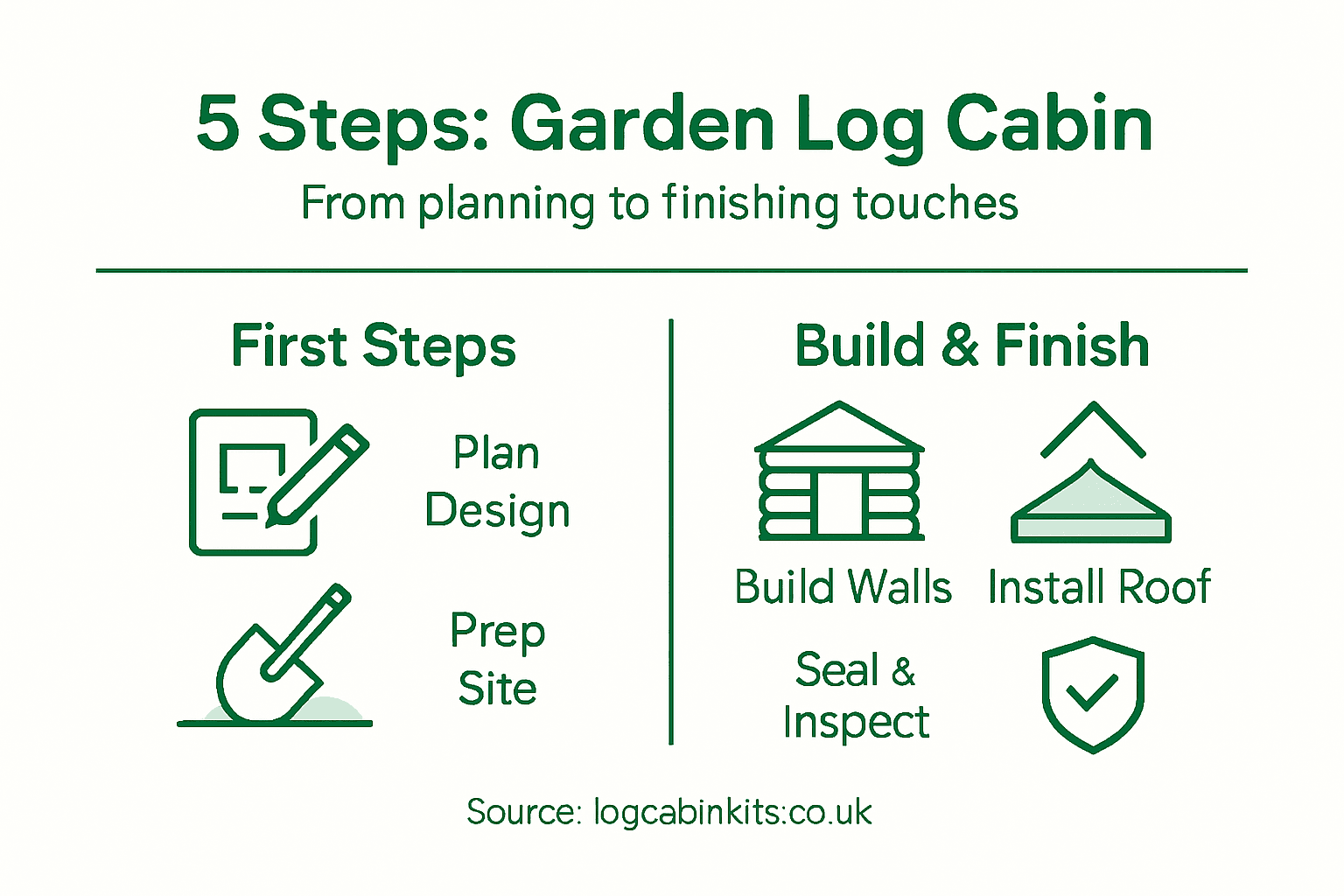
- Step 1: Plan Your Bespoke Log Cabin Design
- Step 2: Prepare The Garden Site And Foundation
- Step 3: Construct The Log Cabin Walls And Structure
- Step 4: Install Doors, Windows, And Roofing
- Step 5: Finish, Seal, And Inspect Your Log Cabin
Quick Summary
| Key Insight | Explanation |
|---|---|
| 1. Assess your garden’s layout first | Understanding your garden’s dimensions and features is crucial for planning your log cabin’s design effectively. |
| 2. Prepare a solid foundation | A well-prepared foundation is essential for the longevity and stability of your log cabin, so follow proper site preparation steps. |
| 3. Follow construction regulations | Adhere to building regulations at every stage to ensure the safety and compliance of your cabin’s structure. |
| 4. Prioritise high-quality materials | Selecting durable, weather-resistant materials for doors, windows, and roofing enhances your cabin’s overall performance and lifespan. |
| 5. Conduct thorough final inspections | Comprehensive checks at the end of construction ensure structural integrity, weatherproofing, and functional elements are all in top shape. |
Step 1: Plan your bespoke log cabin design
Planning your bespoke log cabin requires careful consideration of your garden’s unique characteristics and personal design preferences. Whether you want a tranquil workspace, a garden retreat, or a functional storage area, creating a tailored design ensures your log cabin perfectly complements your outdoor space.
Begin by assessing your garden’s layout and understanding its spatial limitations. Take precise measurements, noting existing features like trees, garden beds, and potential obstructions. Consider the cabin’s orientation - you might want to maximise natural light or create a specific view from your primary living areas. Practical spatial design techniques can help you make informed decisions about positioning and scale.
Key factors to consider during your design planning include:
- Garden dimensions and available space
- Intended primary function of the log cabin
- Natural sunlight and shade patterns
- Proximity to existing garden features
- Local planning permissions and building regulations
- Budget for construction and materials
When developing your design, sketch multiple layout options and consider how the cabin will integrate with your existing landscape. Think about practical elements like electrical access, ventilation, and potential future modifications.
Successful bespoke log cabin design balances aesthetic appeal with functional requirements.
Pro tip: Photograph your garden from multiple angles and create digital mockups to visualise how different cabin designs might look in your specific space.
Step 2: Prepare the garden site and foundation
Preparing the perfect foundation for your bespoke log cabin is crucial to ensuring its longevity, stability, and performance. Before breaking ground, you’ll need to thoroughly assess and prepare your garden site to create a solid base that will support your new structure for years to come.
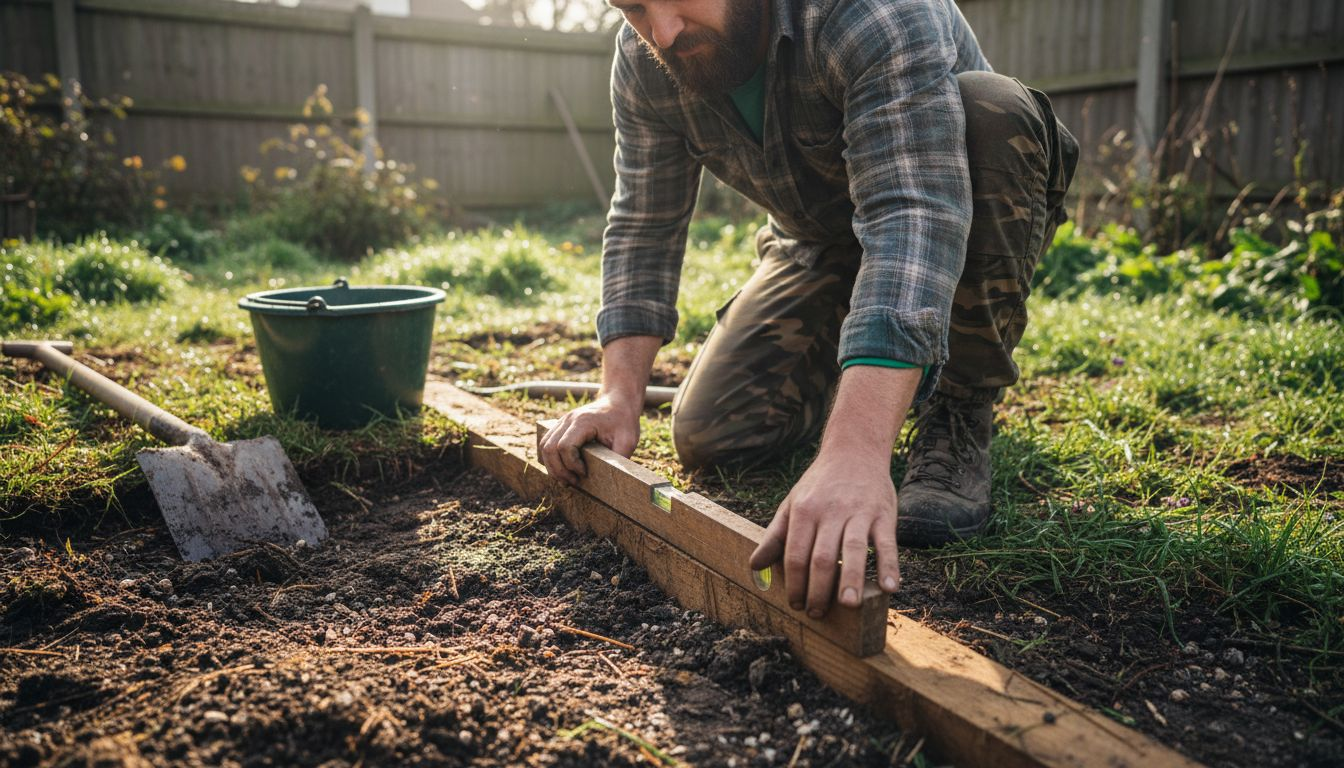
Start by carefully examining your garden’s terrain and understanding its underlying geological characteristics. Geological mapping resources can help you assess soil composition and ground conditions, which are critical for selecting the most appropriate foundation type. Clear the designated area of vegetation, rocks, and debris, ensuring a level surface that will provide stable support for your log cabin.
Foundation preparation involves several key steps:
- Measure and mark the exact cabin footprint
- Remove topsoil and vegetation from the area
- Check ground levels using a professional spirit level
- Create a stable, flat surface
- Choose between different foundation options:
- Concrete slab
- Gravel and paving stone base
- Wooden frame foundation
- Concrete pier system
Depending on your specific garden conditions, you might need to create additional drainage or use ground stabilisation techniques. Compact the ground thoroughly and ensure proper water runoff to prevent moisture-related issues in the future.
Here’s a comparison of popular foundation types for log cabins:
| Foundation Type | Best For | Durability | Installation Difficulty |
|---|---|---|---|
| Concrete slab | Large/heavy cabins | Very long-term | High |
| Gravel & paving stones | Smaller/light structures | Moderate | Medium |
| Wooden frame | Uneven/sloped terrain | Moderate | Low to medium |
| Concrete piers | Areas needing good drainage | Long-term | Medium to high |
A well-prepared foundation is the cornerstone of a durable and reliable log cabin.
Pro tip: Invest in a professional ground survey if you’re unsure about your garden’s soil conditions, as this can save significant time and money in preventing future structural problems.
Step 3: Construct the log cabin walls and structure
Constructing the walls and structure of your bespoke log cabin requires precision, careful planning, and adherence to essential building standards. This critical phase transforms your design from blueprint to physical reality, ensuring a sturdy and functional garden retreat.
Begin by understanding the building regulations for structural construction, which provide comprehensive guidelines for safe and compliant log cabin assembly. Select high-quality, seasoned timber that has been properly treated to withstand outdoor conditions, paying close attention to log thickness, interlocking mechanisms, and moisture resistance.
Key considerations for wall construction include:
- Choose logs with consistent moisture content
- Use professional-grade sealants and joining techniques
- Ensure proper log alignment and tight connections
- Create effective weatherproofing between log layers
- Implement thermal breaks and insulation strategies
Your wall construction process should follow a systematic approach:
- Start with a precise bottom plate secured to the foundation
- Stack logs carefully, using traditional interlocking methods
- Use metal brackets or wooden dowels for additional structural support
- Check vertical alignment frequently with a spirit level
- Apply weatherproof sealant between log layers
Precision in wall construction determines the long-term durability and performance of your log cabin.
Pro tip: Invest in specialised log cabin construction tools and take time to understand traditional timber joining techniques for the most robust and professional results.
Step 4: Install doors, windows, and roofing
Installing doors, windows, and roofing represents the transformative stage where your log cabin begins to take its final shape, protecting your investment and creating a weatherproof, functional space. This critical phase requires precision, attention to detail, and understanding of structural requirements.
Prioritise understanding the building regulations for component installation, which provide essential guidance for ensuring safety and compliance during your log cabin construction. Choose high-quality, weather-resistant doors and windows that complement your cabin’s design and provide optimal thermal performance.
Key considerations for installation include:
- Select materials suited to your local climate
- Ensure proper waterproofing around window and door frames
- Use professional-grade sealing techniques
- Check for precise alignment and smooth operation
- Consider energy efficiency ratings
Your installation process should follow these systematic steps:
- Prepare precise openings in log walls
- Install robust, well-sealed window frames
- Fit doors with secure, weatherproof mechanisms
- Add robust roofing materials with appropriate overlap
- Apply professional-grade sealants and weatherproofing
Meticulous installation of doors, windows, and roofing determines your log cabin’s long-term performance and durability.
Pro tip: Create a detailed installation checklist and test each component thoroughly before finalising to prevent future maintenance issues.
Step 5: Finish, seal, and inspect your log cabin
The final stage of your log cabin construction involves meticulous finishing, comprehensive sealing, and thorough inspection to ensure a professional, durable, and compliant garden structure. This crucial phase transforms your raw construction into a polished, protected, and functional space.
Understand the building safety requirements for final inspections, which provide essential guidelines for ensuring your log cabin meets all necessary standards. Carefully examine every aspect of the structure, focusing on structural integrity, weatherproofing, and overall performance.
Key aspects of finishing and sealing include:
- Apply high-quality exterior wood sealant
- Check for any gaps or potential moisture entry points
- Ensure all joints and connections are properly sealed
- Verify window and door frame installations
- Test overall structural stability
Your final inspection and finishing process should cover:
Below is a summary of the main inspection checks before completing your log cabin:
| Inspection Focus | Why It Matters | Typical Issues Found |
|---|---|---|
| Weatherproofing | Prevents moisture entry | Poor sealant, exposed joints |
| Structural stability | Ensures safe, lasting build | Loose logs, uneven settling |
| Functional elements | Guarantees usability | Sticking doors, leaking windows |
- Comprehensive visual examination of entire structure
- Detailed weatherproofing assessment
- Application of protective treatments
- Final sealant and protective coating application
- Functional testing of windows, doors, and moving parts
Meticulous finishing and sealing protect your investment and ensure long-term cabin durability.
Pro tip: Photograph each stage of the finishing process for your records and consider professional certification to validate the quality of your log cabin construction.
Bring Your Bespoke Garden Log Cabin to Life with Expert Support
Designing and building a tailored log cabin is exciting yet challenging. You want a perfectly planned space that suits your garden’s unique layout and meets your needs for durability, weatherproofing, and style. With crucial steps like precise foundation preparation and meticulous construction using quality timber, many find these stages can feel overwhelming without the right guidance or materials.
At logcabinkits.co.uk, we specialise in helping you overcome these common hurdles with customisable garden log cabins ready to fit your exact specifications. Whether you need expert advice on bespoke log cabin design or durable, weather-resistant components for your bespoke garden spaces, we provide solutions that support every phase of your project.
Start building your dream log cabin today with confidence. Visit logcabinkits.co.uk to explore our bespoke kits and professional resources tailored to ease every step from foundation to finishing. Don’t let planning complexities hold you back. Create a garden retreat that lasts by choosing our trusted expertise now.
Frequently Asked Questions
How do I start planning my bespoke log cabin design?
Begin by assessing your garden’s dimensions and layout. Consider factors such as intended use, sunlight access, and existing garden features to create a tailored design that complements your outdoor space.
What foundation options are best for my log cabin?
Choose from options such as a concrete slab for larger cabins, a gravel base for smaller structures, or a wooden frame for uneven terrain. Assess your garden’s drainage and soil conditions to determine the most suitable foundation type.
What materials should I use for constructing the log cabin walls?
Select high-quality, seasoned timber that is resistant to moisture and structural wear. Ensure proper log alignment and use weatherproofing techniques to enhance durability and energy efficiency.
How can I ensure my log cabin is weatherproof?
Prioritise the installation of weather-resistant doors and windows, and apply high-quality sealants around frames. Conduct a thorough inspection to check for gaps or vulnerabilities that could allow moisture entry.
What final inspections should I perform before completing my log cabin?
Complete a comprehensive visual examination, checking for weatherproofing, structural stability, and functional elements like doors and windows. Address any issues found to ensure a durable and safe log cabin before finalising your project.
Recommended
- Ready To Create Your Dream Outdoor Retreat With A Garden Log Cabin - Log Cabin Kits to Buy Online
- Log Cabin Living: A Journey into the World of Stylish Garden Retreats - Log Cabin Kits to Buy Online
- How to Choose Garden Buildings for Perfect Outdoor Spaces
- How to Design a Bespoke Shed for Your Garden Space
- Role of Locksmiths in Construction: Complete Guide - A To Z Locksmith Inc