

Blog

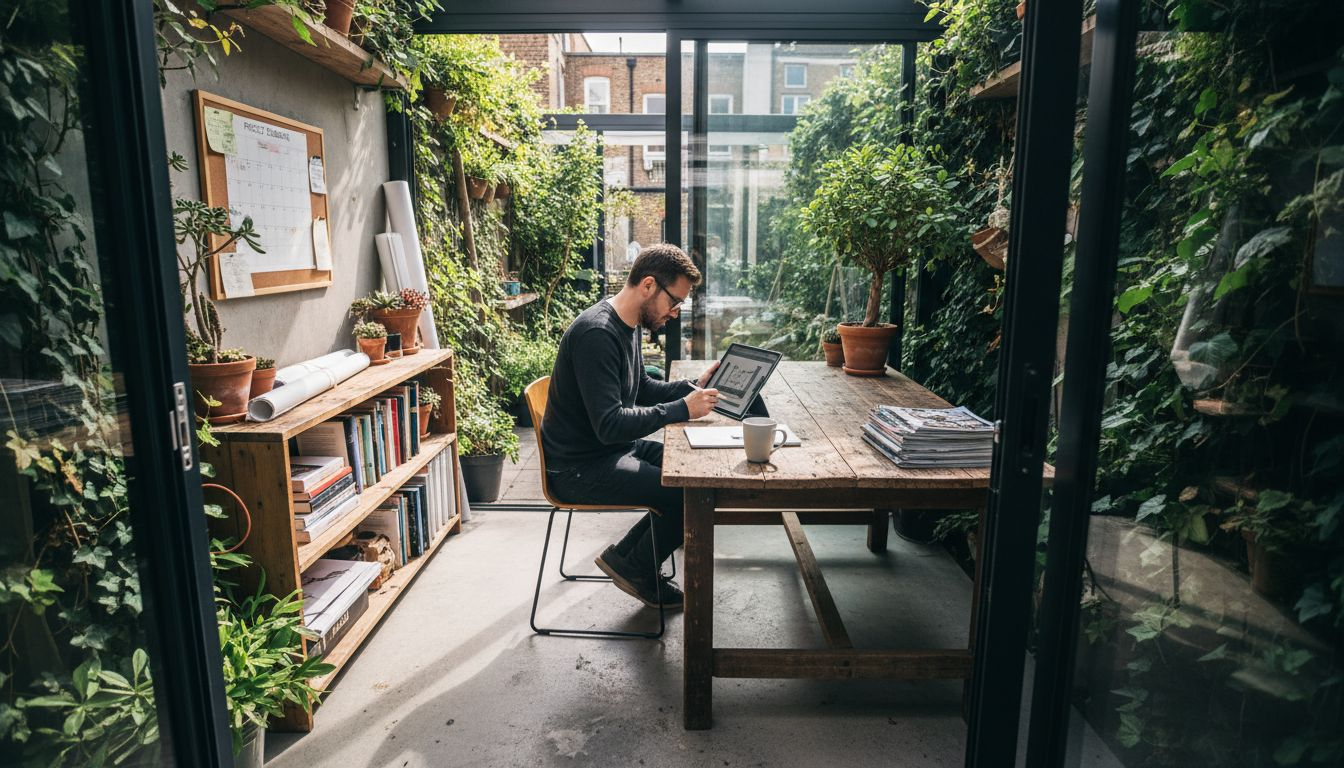
Demand for garden offices among British urban professionals has surged, with Google searches rising 22 percent above pre-pandemic levels. The desire for stylish, functional spaces goes beyond aesthetics as modern designs combine advanced technology, comfort, and sustainability. Investing in bespoke garden office trends for 2025 means not just upgrading your workspace but creating a purposeful environment that reflects work-life priorities, enhances property value, and adapts to rapidly evolving professional needs.
Table of Contents
- Defining Garden Offices And Modern Trends
- Popular Styles And Bespoke Design Choices
- Key Features: Comfort, Tech, And Sustainability
- Year-Round Use And Planning Permissions
- Cost, Value, And Investment Considerations
Key Takeaways
| Point | Details |
|---|---|
| Garden Offices Gain Popularity | Searches for garden offices have surged by 22% since the pandemic, reflecting a wider acceptance of flexible working spaces. |
| Diverse Design Options Available | Professionals can choose from various garden office styles, including minimalist, rustic, and modern designs, to suit their needs. |
| Importance of Sustainability and Technology | Modern garden offices incorporate sustainable materials and smart technology to enhance comfort and productivity. |
| Investment Considerations | The cost of garden offices ranges from £5,000 to £50,000, and they can significantly increase property value while offering long-term savings. |
Defining Garden Offices And Modern Trends
The concept of garden offices has rapidly transformed from a niche working arrangement to a mainstream solution for urban professionals seeking flexible workspace. Legal & General’s research reveals a significant surge in popularity, with Google searches increasing 22% above pre-pandemic levels, signalling a profound shift in how British workers conceptualise their professional environments.
Modern garden offices are no longer simple wooden structures but sophisticated, multi-functional spaces designed to seamlessly integrate technology, comfort, and professional productivity. These purpose-built log cabins offer urban professionals a dedicated workspace that provides separation from home life while eliminating commuting challenges. Typical features include high-speed internet connectivity, soundproofing, ergonomic design, and sustainable construction materials that minimise environmental impact.
The contemporary garden office trend reflects broader changes in work culture, emphasising flexibility, work-life balance, and personalised workspace solutions. Property listings now frequently highlight garden offices as a premium feature, with a staggering 1,000% increase in mentions, indicating their growing significance in residential property markets. This trend is particularly pronounced in urban areas where space is at a premium and professionals seek innovative solutions to create productive work environments.
Pro tip: When planning your garden office, consider orientation and natural light to maximise productivity and create a workspace that feels both professional and personally inspiring.
Popular Styles And Bespoke Design Choices
The garden office landscape in 2025 offers an extraordinary range of architectural styles and design possibilities that cater to diverse professional and aesthetic preferences. Urban professionals now have access to a spectrum of log cabin designs ranging from minimalist Scandinavian-inspired structures to contemporary modular spaces that blend seamlessly with existing garden environments.
Contemporary garden office styles typically fall into several distinct categories, each offering unique advantages. Minimalist designs prioritise clean lines, neutral colour palettes, and efficient spatial usage, perfect for professionals seeking a distraction-free workspace. Rustic log cabin styles provide a more traditional aesthetic, utilising natural timber materials and creating a warm, organic working environment. Modern glass-fronted options maximise natural light and create a sense of openness, allowing professionals to feel connected with their outdoor surroundings while maintaining a professional atmosphere.
Essential design considerations for garden offices include structural integrity, thermal efficiency, and adaptable interior configurations. Advanced garden offices now incorporate smart technology integrations, allowing homeowners to customise lighting, temperature, and connectivity with precision. Bespoke options enable professionals to personalise their workspace with features like integrated storage, adjustable workstations, and acoustic panelling to enhance productivity.
Here is a summary of popular garden office styles and their distinctive characteristics:
| Style | Visual Appeal | Typical Features | Suitable For |
|---|---|---|---|
| Minimalist Scandinavian | Sleek and neutral | Clean lines, simple décor, space-saving | Focused solo work |
| Rustic Log Cabin | Warm and traditional | Timber walls, organic materials | Creative or relaxed tasks |
| Modern Glass-Fronted | Open and contemporary | Abundant daylight, outdoor views | Collaborative, dynamic roles |
| Bespoke Modular | Fully customisable | Adaptable layouts, integrated storage | Changing business needs |
Pro tip: When selecting your garden office design, prioritise flexibility and future-proofing by choosing a style that can adapt to changing work requirements and potential technological advancements.
Key Features: Comfort, Tech, And Sustainability
The evolution of garden offices in 2025 represents a sophisticated intersection of comfort, technological innovation, and environmental consciousness. Modern workplace design strategies now prioritise holistic approaches that seamlessly blend user wellbeing with cutting-edge technological solutions, transforming these compact workspaces into intelligent, responsive environments.
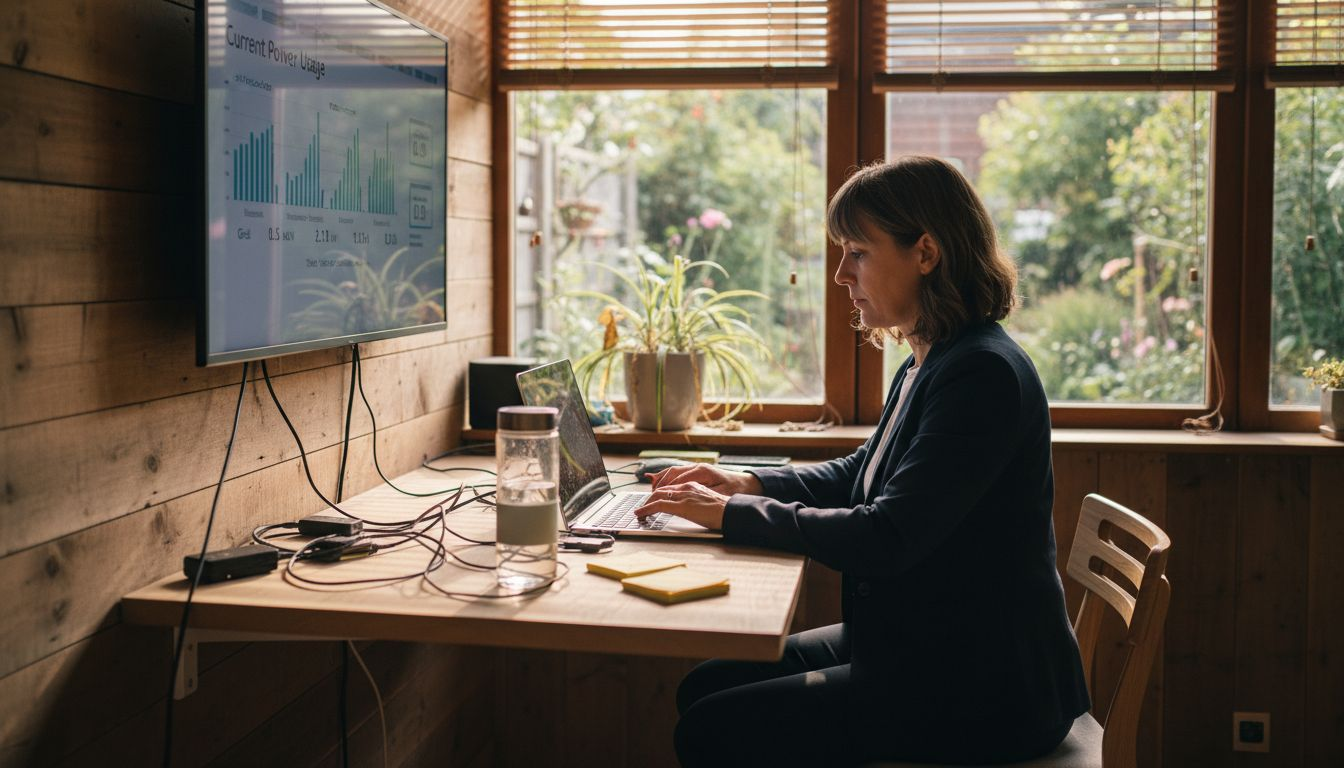
Comfort in contemporary garden offices extends far beyond traditional ergonomic considerations. Biophilic design principles have become standard, incorporating natural elements like abundant daylight, indoor greenery, and organic materials that create psychologically supportive work environments. Advanced thermal technologies ensure year-round comfort, with intelligent insulation systems that maintain consistent temperatures while minimising energy consumption. Ergonomic furniture with adjustable configurations allows professionals to personalise their workspace, supporting physical health and productivity.
Sustainable technology adoption has become a cornerstone of modern garden office design. Smart energy management systems enable precise monitoring and reduction of power consumption, while low-impact construction materials contribute to reduced carbon footprints. Integrated technologies now include solar charging stations, automated lighting controls, and connectivity solutions that support seamless hybrid working models. These innovations not only enhance operational efficiency but also align with broader environmental sustainability goals.
Pro tip: When designing your garden office, invest in multipurpose technologies that can adapt to evolving work requirements and provide long-term flexibility and sustainability.
Year-Round Use And Planning Permissions
Navigating the legal landscape of garden offices requires a nuanced understanding of planning permissions and building regulations specific to urban and suburban environments. Planning guidelines for garden log cabins have evolved significantly, offering urban professionals more flexibility in creating dedicated workspace solutions without complex bureaucratic hurdles.
Most garden offices qualify under permitted development rights, which allow structures up to 2.5 metres in height without formal planning permission. However, specific conditions must be met, including positioning away from property boundaries, limited total floor area, and restrictions on residential curtilage usage. Homeowners must carefully consider factors such as building height, total coverage area, proximity to neighbouring properties, and potential impact on local streetscape when planning their garden office installation.
Year-round usability demands strategic design considerations beyond legal compliance. Effective thermal insulation, robust weatherproofing, and advanced ventilation systems transform garden offices from seasonal spaces into permanent, functional work environments. Modern log cabin designs incorporate sophisticated engineering techniques that enable comfortable usage during winter months, including double-glazed windows, high-performance wall insulation, and integrated heating solutions that maintain optimal working temperatures while minimising energy consumption.
Pro tip: Always consult your local planning authority and review specific permitted development guidelines before commencing garden office construction to ensure full compliance and avoid potential legal complications.
Cost, Value, And Investment Considerations
Investing in a garden office represents a strategic financial decision for urban professionals seeking to enhance their working environment and property value. Comprehensive cost analysis for garden office installations reveals a diverse range of investment options, from budget-friendly prefabricated solutions to premium bespoke designs that can significantly transform residential workspace capabilities.
The financial spectrum of garden offices in 2025 spans from approximately £5,000 for basic models to £50,000 for high-end, fully integrated solutions. Investment considerations extend beyond initial construction costs, encompassing factors such as potential property value appreciation, energy efficiency, and long-term operational savings. Sophisticated designs featuring integrated technologies, superior insulation, and multifunctional spaces can potentially increase home market value by 5-10%, making them a compelling investment for forward-thinking homeowners.
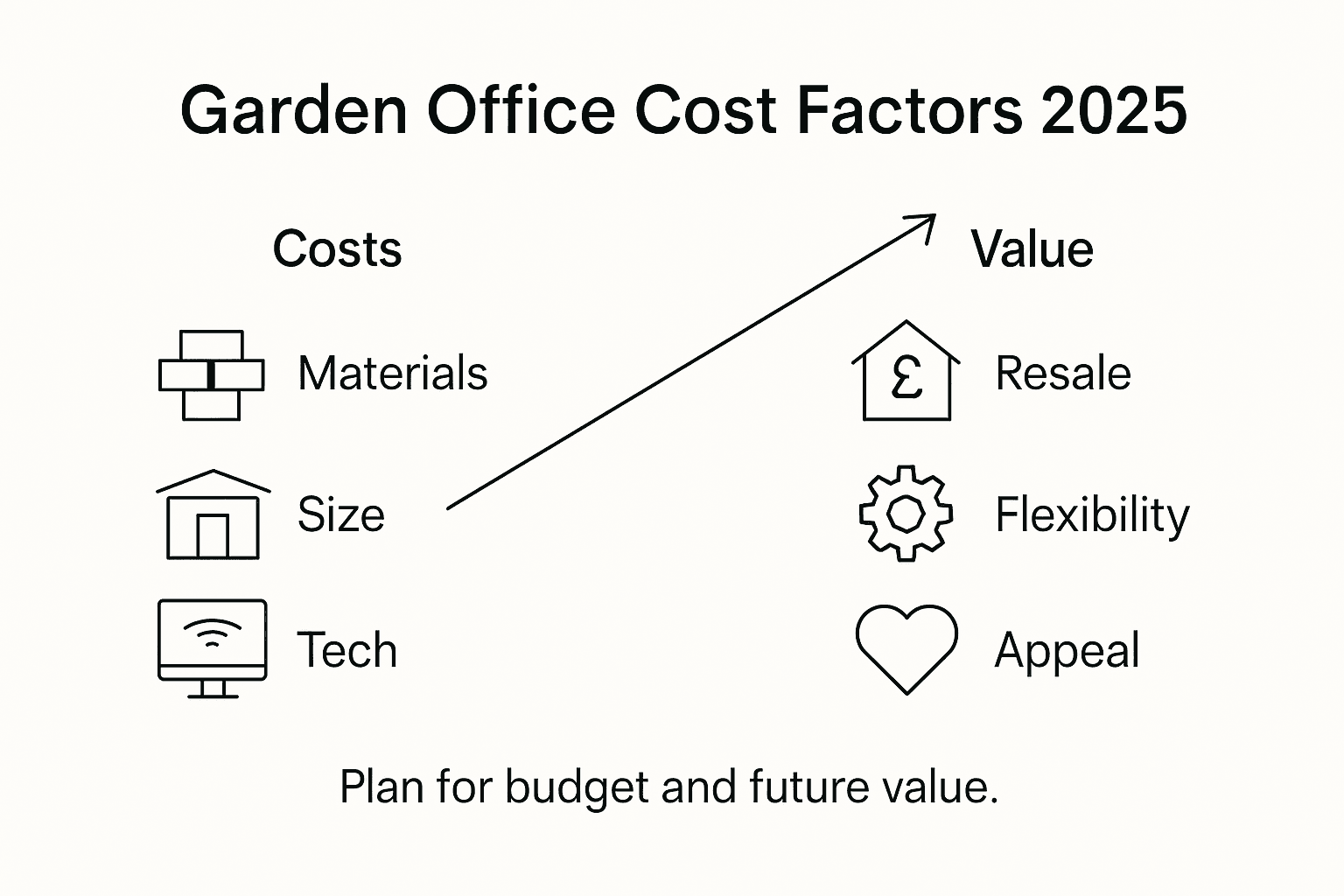
Cost variations depend on multiple critical factors, including square meterage, construction materials, technological integrations, and additional features like integrated washrooms or kitchenettes. Prefabricated log cabin options offer more predictable pricing structures, while bespoke designs provide greater customisation but typically involve higher per-square-metre expenses. Professionals should consider not just upfront costs, but also long-term value propositions such as reduced commuting expenses, improved work-life balance, and potential tax efficiency for home-based working arrangements.
The following table highlights key factors affecting garden office cost and investment value:
| Cost Factor | Impact on Budget | Effect on Property Value |
|---|---|---|
| Construction Materials | High quality increases cost | Boosts long-term value |
| Technology Integration | Raises initial spend | Supports hybrid working demands |
| Size and Layout | Larger spaces cost more | Adds marketable living space |
| Sustainability Features | May require more funds | Appeals to eco-conscious buyers |
Pro tip: Calculate your potential return on investment by factoring in not just construction costs, but also projected productivity gains, reduced commuting expenses, and potential property value increase.
Create Your Perfect Garden Office to Match 2025 Trends
Urban professionals face the challenge of designing a workspace that blends comfort, technology and sustainability while complying with planning permissions. You need a garden office that offers flexibility, maximises natural light and keeps you productive year-round. Trends like bespoke modular designs and smart integrations mean your workspace should evolve with your changing needs.
Explore our bespoke garden offices that align perfectly with these modern demands.
Don’t settle for a temporary solution when you can invest in a high-quality log cabin tailored just for you. Visit Log Cabin Kits now to browse customisable options that combine ergonomic comfort, advanced technology and sustainable materials. Take the first step to elevate your work life and add value to your home with a garden office designed for the future.


