
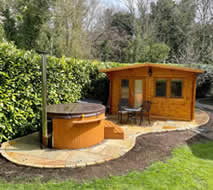
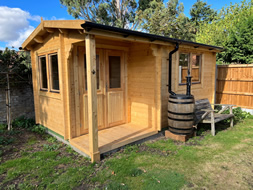
Many gardeners mistakenly believe floor insulation in garden log cabins is less critical than wall or roof insulation. In reality, uninsulated floors can account for up to 20% of total heat loss, driving up energy bills and compromising comfort year-round. This guide explores how floor insulation improves thermal efficiency, prevents moisture damage, and helps you choose the right materials and installation methods for the UK climate.
Table of Contents
- How Floor Insulation Improves Thermal Efficiency And Comfort
- Preventing Moisture Problems In Garden Log Cabins With Floor Insulation
- Choosing The Right Floor Insulation Materials For UK Garden Log Cabins
- Practical Steps To Install And Maintain Floor Insulation Effectively
- Explore Bespoke Log Cabin Solutions For Optimal Insulation
- Frequently Asked Questions
Key takeaways
| Point | Details |
|---|---|
| Heat loss reduction | Floor insulation cuts heat loss by up to 20%, lowering heating costs significantly. |
| Moisture prevention | Moisture-resistant materials and vapour barriers reduce dampness risk by up to 90%. |
| Material variety | PIR boards, fibreglass, sheep’s wool, and Rockwool offer different thermal and moisture properties. |
| Installation essentials | Proper vapour barriers, ventilation, and gap sealing prevent condensation and rot. |
| Maintenance matters | Regular moisture monitoring extends cabin lifespan and insulation performance. |
How floor insulation improves thermal efficiency and comfort
Heat loss through uninsulated floors forces your heating system to work harder, increasing energy bills and creating cold spots that make your cabin uncomfortable. Properly insulated floors can reduce heat loss by up to 20% in log cabins, stabilising internal temperatures and cutting heating costs year-round. The right insulation keeps your cabin warm during winter and cooler in summer by blocking heat transfer between the ground and your living space.
Thermal performance is measured by R-value, the higher the number, the better the insulation resists heat flow. Materials like PIR foam boards offer high R-values per inch, making them ideal where space is limited. Installation quality matters just as much as material choice. Gaps between insulation boards or around floor edges let heat escape, undermining your efforts. Sealing these gaps with expanding foam or caulk improves overall insulation effectiveness.
Combining thermal efficiency log cabins uk strategies with floor insulation delivers the best results. Focus on insulating the floor alongside walls and roof for a holistic approach. This integrated strategy prevents thermal bridging, where uninsulated areas create pathways for heat loss. Well-insulated cabins maintain consistent temperatures with less energy input, reducing your carbon footprint and monthly utility costs.
Pro Tip: When planning your insulation project, measure your subfloor joists carefully. Knowing the depth helps you select materials that maximise R-value without exceeding available space.
Key benefits of floor insulation:
- Reduces heating costs by preventing ground heat loss
- Maintains stable internal temperatures year-round
- Eliminates cold floors that make spaces uncomfortable
- Complements wall and roof insulation for whole-cabin efficiency
For detailed guidance on insulating your garden log cabin, explore comprehensive installation techniques that address floors, walls, and roofs together.
Preventing moisture problems in garden log cabins with floor insulation
Moisture ingress from the ground poses one of the biggest threats to garden log cabins in the UK. Rising damp and condensation create ideal conditions for mould growth, wood rot, and structural damage. Floor insulation alone won’t solve moisture problems, but when combined with vapour barriers and proper ventilation, it forms a critical defence layer.
Vapour barriers are essential underneath or above insulation to stop ground moisture rising through floors. Polyethylene sheeting or specialist membranes create a waterproof seal that protects both insulation and timber. Using moisture-resistant insulation materials and vapour barriers can reduce dampness risk by up to 90%, preventing costly repairs and health hazards from mould.
Good ventilation prevents condensation by allowing humid air to escape before it condenses on cold surfaces. Proper ventilation alongside insulation is essential to prevent mould and rot in the UK climate. Install airbricks or passive vents in the subfloor area to maintain airflow beneath your cabin. Without ventilation, even the best insulation traps moisture, leading to dampness and degradation.
Moisture buildup accelerates when temperature differences cause condensation. Warm indoor air meeting cold surfaces creates water droplets that soak into timber and insulation. This process happens invisibly inside floor structures, making early detection difficult. Regular moisture control in a garden log cabin monitoring catches problems before they cause serious damage.
Pro Tip: Install a moisture meter and check your cabin’s subfloor every three months. Readings above 20% indicate potential problems requiring immediate attention.
Essential moisture prevention measures:
- Install vapour barriers beneath or above insulation layers
- Ensure adequate subfloor ventilation with airbricks or vents
- Seal all gaps where moisture could penetrate
- Monitor humidity levels regularly with a hygrometer
- Address drainage issues around your cabin’s perimeter
For ongoing monitoring moisture levels in your log cabin, establish a routine inspection schedule that includes floor areas often overlooked during general maintenance.
Choosing the right floor insulation materials for UK garden log cabins
Selecting insulation materials requires balancing thermal performance, moisture resistance, cost, and installation requirements. Each material offers distinct advantages and limitations for UK garden log cabins. Understanding these differences helps you make informed decisions that match your budget, DIY skills, and performance expectations.
PIR foam boards deliver exceptional thermal resistance with high R-values per inch, making them ideal for limited spaces. Their closed-cell structure resists moisture, providing dual benefits of insulation and vapour control. Fibreglass batts cost less but require careful installation to avoid gaps and moisture exposure. When wet, fibreglass loses insulating properties and becomes a mould risk.

Natural materials like sheep’s wool offer effective insulation with environmental benefits. Wool naturally regulates moisture without losing thermal performance, though it typically costs more than synthetic options. Recycled polystyrene boards provide budget-friendly insulation with reasonable moisture resistance. Rockwool combines fire resistance with good thermal properties, making it popular for safety-conscious builders.
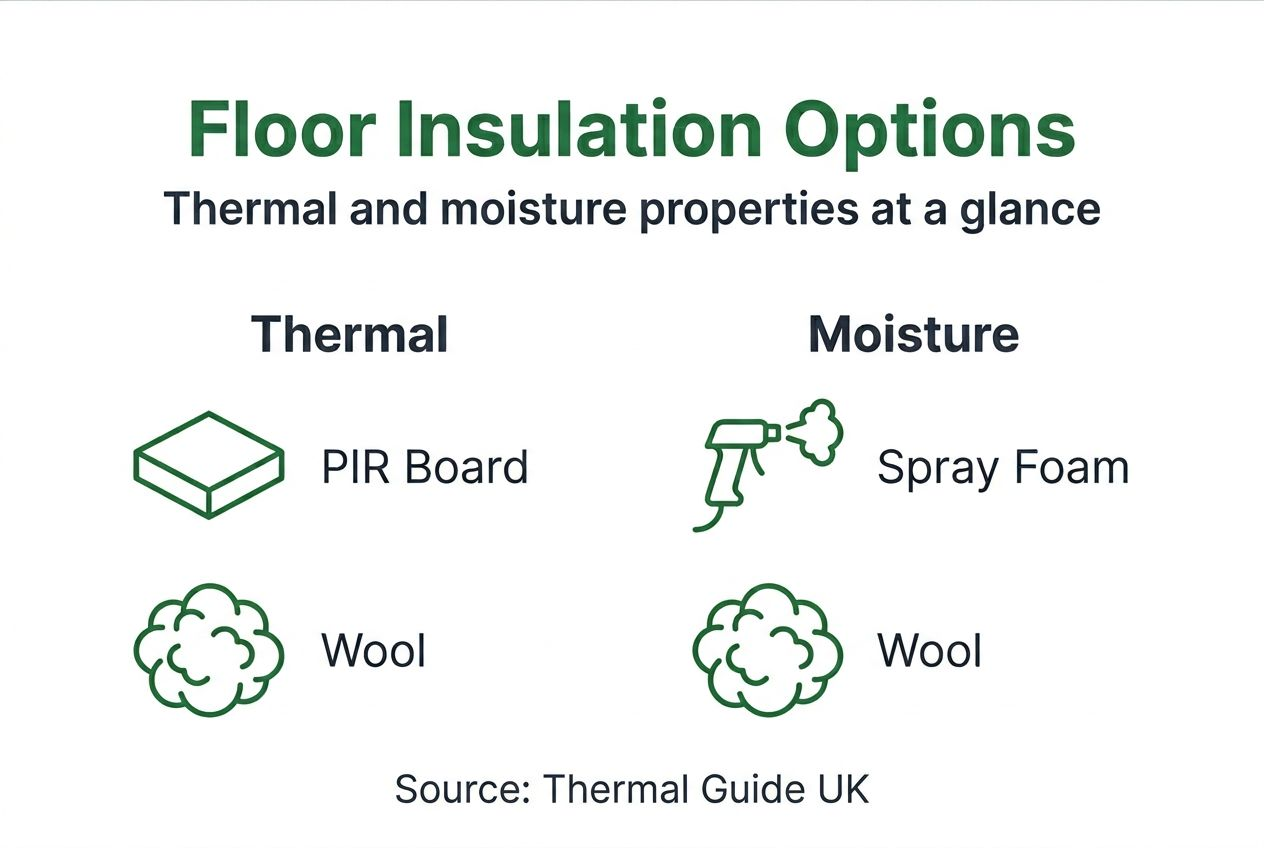
Different materials offer varying R-values and moisture resistance, with spray foam providing high thermal and moisture protection, while fibreglass remains cost-effective but riskier without proper installation. Consider your subfloor’s weight capacity when selecting materials, as dense insulation can strain joists not designed for heavy loads.
| Material | R-value per inch | Moisture resistance | Cost | Best for |
|---|---|---|---|---|
| PIR boards | 6.5 | Excellent | Medium-high | Limited spaces, high performance |
| Fibreglass | 3.5 | Poor (when wet) | Low | Budget projects, dry conditions |
| Sheep’s wool | 3.8 | Good | High | Eco-conscious, natural regulation |
| Rockwool | 4.0 | Good | Medium | Fire safety, balanced performance |
| Polystyrene | 4.0 | Good | Low-medium | Budget builds, moderate climates |
Material pros and cons:
- PIR boards: High R-value, moisture-proof, but pricier and require precise cutting
- Fibreglass: Affordable, widely available, yet vulnerable to moisture and installation gaps
- Sheep’s wool: Eco-friendly, moisture-managing, though costlier and sometimes harder to source
- Rockwool: Fire-resistant, durable, but heavier and more expensive than fibreglass
- Polystyrene: Budget-friendly, lightweight, yet lower R-value than PIR alternatives
Explore comprehensive garden log cabin floor insulation techniques that detail material selection based on your specific cabin design and location.
For complete guidance on how to insulate log cabin structures effectively, review methods that integrate floor, wall, and roof insulation strategies.
Practical steps to install and maintain floor insulation effectively
Successful insulation installation requires careful preparation, methodical execution, and ongoing maintenance. Following a structured approach ensures maximum thermal performance and moisture protection for years to come. Skipping steps or rushing installation compromises effectiveness and risks costly moisture damage.
Verify your subfloor’s structural integrity before adding insulation weight. Check joists for rot, sagging, or weakness that could worsen under additional load. Replace damaged timber and reinforce as needed. Clean the subfloor thoroughly, removing debris, dirt, and any existing moisture or mould.
Step-by-step installation process:
- Measure joist spacing and depth to determine insulation dimensions and thickness
- Install vapour barrier across the entire subfloor, overlapping seams by at least 150mm and taping joints
- Cut insulation boards or batts to fit snugly between joists without gaps or compression
- Place insulation carefully, ensuring full contact with the subfloor and no air pockets
- Seal all gaps around edges and between boards with expanding foam or caulk
- Install flooring material over insulation, securing firmly to joists
- Add airbricks or vents if not already present to maintain subfloor ventilation
Sealing gaps in flooring and ensuring proper ventilation are essential to maximise insulation benefits and prevent moisture problems. Even small gaps create thermal bridges that reduce overall efficiency. Use quality sealants designed for outdoor structures that remain flexible through temperature changes.
Maintenance extends insulation lifespan and protects your investment. Check ventilation openings annually to ensure they’re not blocked by debris, vegetation, or nests. Inspect for water stains, musty odours, or soft spots in flooring that indicate moisture penetration. Address drainage issues around your cabin promptly, as standing water near the foundation accelerates moisture problems.
Pro Tip: Schedule moisture checks during spring and autumn when temperature fluctuations increase condensation risk. Early detection prevents minor issues becoming major repairs.
Ongoing maintenance checklist:
- Monitor moisture levels quarterly with a moisture meter
- Inspect vapour barriers annually for tears or gaps
- Clear ventilation openings of obstructions
- Check perimeter drainage and redirect water away from cabin
- Look for mould, mildew, or dampness odours inside cabin
Detailed garden log cabin floor insulation resources provide visual guides and troubleshooting tips for common installation challenges.
Effective moisture control in a garden log cabin requires ongoing vigilance, combining installation best practices with regular monitoring and prompt repairs.
Explore bespoke log cabin solutions for optimal insulation
Whilst DIY insulation improves existing cabins, purpose-built structures offer superior thermal performance from the ground up. Log Cabin Kits specialises in custom build log cabins designed with energy efficiency as a core principle. Our bespoke approach lets you specify insulation requirements, moisture barriers, and ventilation systems during the design phase, ensuring optimal integration.

Customisation options include subfloor insulation packages, upgraded vapour barriers, and enhanced ventilation systems tailored to your site’s specific moisture challenges. Browse our garden log cabin gallery for inspiration, then work with our team to create a bespoke cabin design that meets your exact specifications. We offer free UK delivery, making it simple to receive your custom cabin ready for assembly with all insulation components included.
Frequently asked questions
What is the best insulation material for garden log cabin floors?
PIR boards and spray foam offer excellent thermal and moisture resistance, delivering high R-values in compact spaces. Natural options like sheep’s wool provide effective insulation with moisture regulation properties, though they cost more. Fibreglass remains budget-friendly but requires precise installation with vapour barriers to avoid moisture problems that compromise performance.
How does floor insulation help prevent dampness in UK garden cabins?
Floor insulation blocks ground moisture when paired with vapour barriers that stop rising damp. Proper ventilation prevents condensation by allowing humid air to escape before it condenses on cold surfaces. This combination is crucial in damp UK conditions where moisture problems cause mould, rot, and structural damage if left unmanaged.
Can I install floor insulation myself in my garden log cabin?
Yes, with careful preparation including vapour barrier installation, gap sealing, and ensuring adequate ventilation. Following garden log cabin floor insulation step-by-step guides improves results and limits moisture risks. Verify your subfloor’s structural capacity before starting, and take time to seal all gaps properly for maximum effectiveness.
How often should I check floor insulation for moisture problems?
Check moisture levels quarterly using a moisture meter, with increased frequency during spring and autumn when temperature fluctuations raise condensation risk. Inspect annually for physical damage to vapour barriers, blocked ventilation, or signs of dampness like musty odours. Early detection prevents minor moisture issues becoming costly structural repairs.
Does floor insulation work in older garden log cabins?
Yes, retrofitting floor insulation significantly improves thermal efficiency and moisture control in older cabins. Assess your existing subfloor structure first, reinforcing weak joists before adding insulation weight. Install vapour barriers and ensure adequate ventilation alongside insulation to prevent trapping existing moisture that could accelerate rot in older timber.