
More than 40 percent of British homeowners say their garden space feels underutilized. For many, the difference between a simple shed and a bespoke garden room goes far beyond just storage. With growing demand for home offices, creative studios, and leisure retreats, understanding what sets these structures apart helps you unlock new possibilities for your outdoor area. Discover which option best suits your lifestyle, budget, and long-term plans.
Table of Contents
- Sheds Versus Garden Rooms: Core Definitions
- Types, Materials, and Structural Differences
- Key Features and Intended Uses Compared
- UK Planning Permission and Building Rules
- Cost, Value, and Long-Term Implications
Key Takeaways
| Point | Details |
|---|---|
| Purpose Distinction | Sheds are primarily for storage, while garden rooms serve as versatile living spaces. |
| Construction Quality | Garden rooms feature superior materials and insulation, enhancing year-round usability. |
| Investment Value | Garden rooms can significantly increase property value, while sheds offer minimal returns. |
| Regulatory Considerations | Understand local planning permissions to ensure compliance when building garden structures. |
Sheds Versus Garden Rooms: Core Definitions
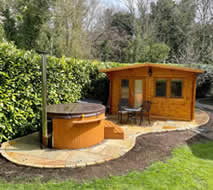
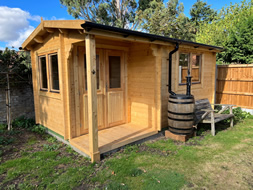
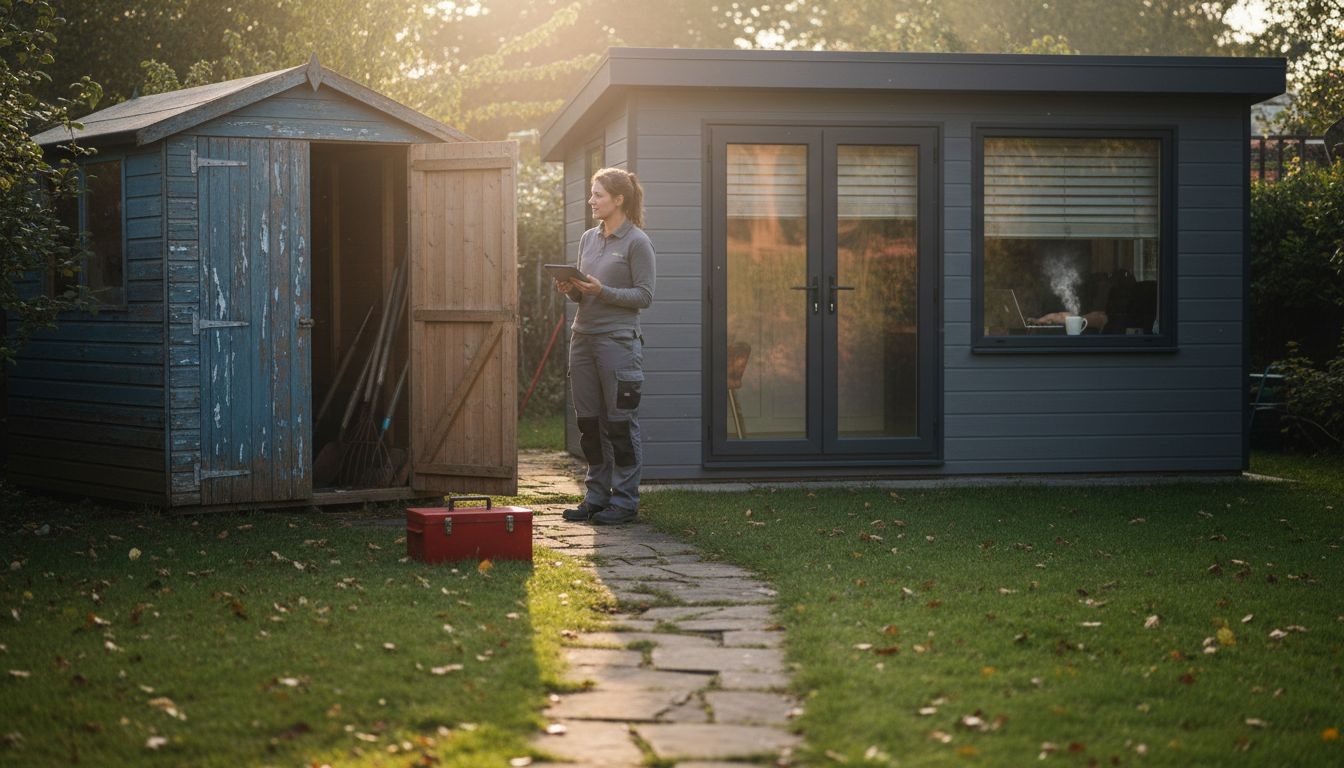
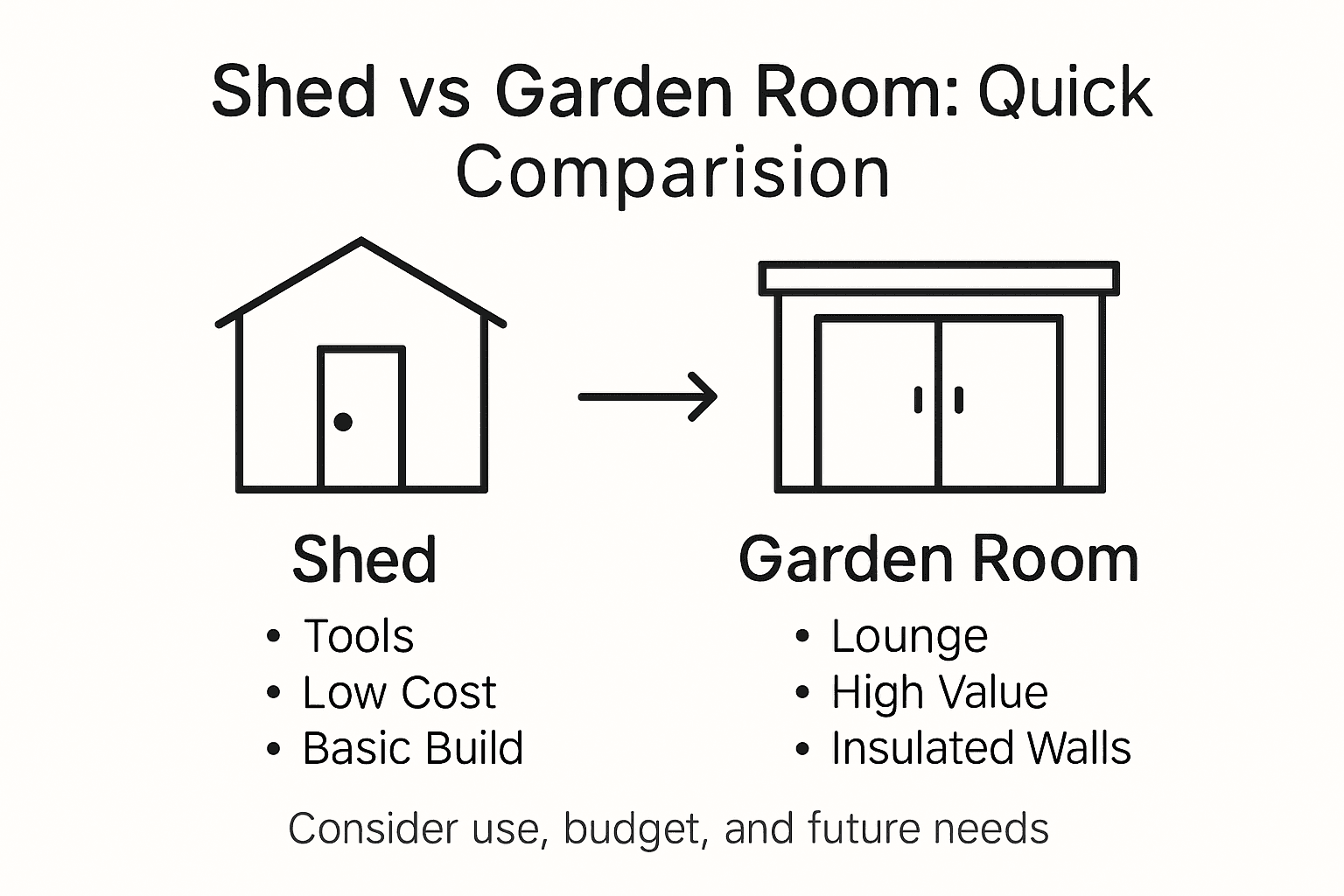
When exploring outdoor storage and living spaces, understanding the fundamental differences between sheds and garden rooms is crucial for British homeowners. While both structures occupy garden spaces, they serve distinctly different purposes and offer unique benefits. A traditional shed typically represents a smaller, utilitarian wooden or metal structure primarily designed for tool storage, gardening equipment, and miscellaneous outdoor supplies. In contrast, a garden room represents a more sophisticated, purpose-built space that functions as an additional living area, home office, or recreational zone.
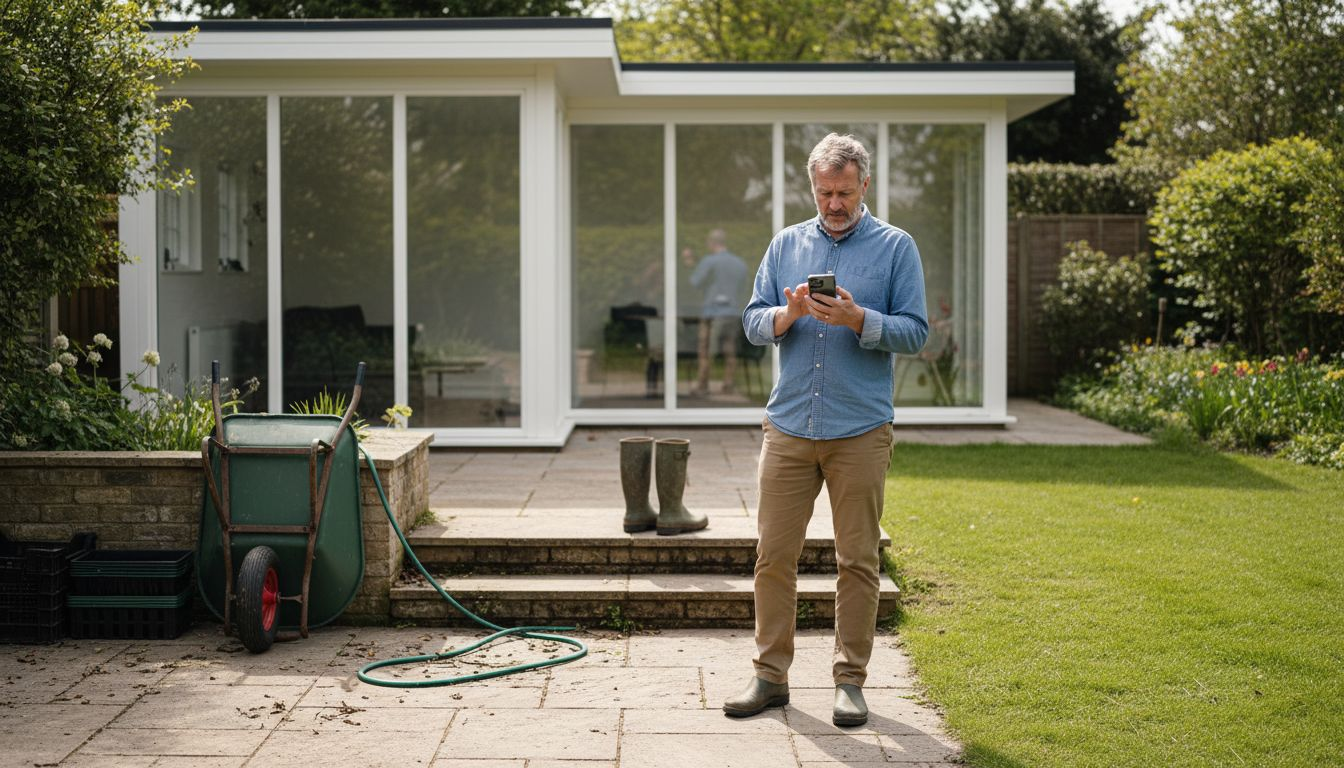
The evolution of garden buildings has transformed how UK homeowners perceive these structures. Modern garden rooms offer comprehensive solutions that extend far beyond basic storage. These contemporary spaces feature insulation, electrical connections, and design aesthetics that seamlessly blend with residential architecture. Garden rooms often include large windows, solid foundations, and superior construction materials that enable year-round usage, whereas traditional sheds remain primarily seasonal and functional.
Key distinguishing factors between sheds and garden rooms include construction quality, intended use, and investment value. Sheds typically represent lower-cost investments with basic construction, featuring wooden or metal panels and simple roof designs. Garden rooms, conversely, represent more substantial investments with higher-grade materials, superior thermal performance, and architectural design that significantly enhances property value. Homeowners seeking versatile spaces that can accommodate work, relaxation, or hobby pursuits will find garden rooms substantially more adaptable than conventional storage sheds.
Pro tip for Garden Building Selection: Carefully assess your specific needs, budget, and intended usage before investing in a garden structure. Consider not just immediate requirements but potential future applications that could maximise your outdoor space investment.
Below is a comparative table summarising core differences between sheds and garden rooms for British homeowners:
| Aspect | Shed | Garden Room |
|---|---|---|
| Typical Purpose | Storage of tools and supplies | Home office or leisure space |
| Construction Quality | Basic panels and simple roof | Reinforced, insulated, aesthetic |
| Year-Round Use | Seasonal, limited insulation | Designed for all seasons |
| Property Value Impact | Minimal | Can increase value by 5–15% |
Types, Materials, and Structural Differences
Exploring the diverse landscape of garden buildings reveals a fascinating array of materials and structural approaches specific to sheds and garden rooms. Custom garden sheds encompass several fundamental construction types, ranging from traditional wooden panel designs to more contemporary metal and composite structures. Each material brings unique characteristics that impact durability, maintenance requirements, and aesthetic appeal.
Wooden constructions remain the most popular choice for both sheds and garden rooms in the United Kingdom. Timber offers exceptional versatility, allowing for robust insulation, easy customisation, and natural aesthetic integration with garden landscapes. Timber-framed structures can be engineered using pressure-treated softwoods like pine or more durable hardwoods such as cedar, which provide superior weather resistance and longevity. Metal and synthetic materials represent alternative options, featuring lightweight designs and minimal maintenance requirements, though often sacrificing the traditional visual warmth associated with wooden constructions.
Structural differences between sheds and garden rooms are most evident in their foundational approaches and architectural complexity. Sheds typically utilise simple base constructions like concrete blocks or timber frames, whereas garden rooms demand more sophisticated foundations with deeper footings, integrated floor insulation, and precise levelling. Garden rooms frequently incorporate advanced structural elements such as reinforced wall panels, double-glazed windows, and comprehensive weatherproofing systems that transform them from basic storage spaces into functional living areas with superior thermal performance.
Pro tip for Material Selection: Prioritise long-term performance over initial cost when selecting garden building materials. Consider factors like local climate conditions, maintenance requirements, and potential future usage to make an informed investment that delivers lasting value.
For reference, here is a summary of material choices and their long-term impact when selecting a garden building:
| Material Type | Durability | Maintenance Needs | Visual Appeal |
|---|---|---|---|
| Pressure-treated Timber | Lasts 15–25 years | Regular preservative | Warm, natural look |
| Cedar Hardwood | Over 25 years | Low, occasional oiling | High-end, premium finish |
| Metal Panels | 10–20 years | Minimal, may rust | Modern, industrial style |
| Synthetic/Composite | 20+ years | Minimal, easy cleaning | Contemporary, varied colours |
Key Features and Intended Uses Compared
Understanding the distinctive features and intended uses of garden sheds and garden rooms reveals critical differences that guide homeowners’ purchasing decisions. Modern garden rooms demonstrate substantial versatility beyond traditional storage solutions, offering multifunctional spaces that seamlessly integrate work, recreation, and relaxation environments. Traditional sheds, by contrast, remain primarily focused on practical storage and utilitarian purposes.
The functional spectrum of these garden structures varies dramatically. Garden sheds typically serve straightforward purposes such as storing gardening tools, bicycles, lawn equipment, and seasonal items. They feature basic designs with minimal insulation, simple ventilation, and rudimentary security measures. Garden rooms, however, represent sophisticated living spaces engineered for year-round occupation. These structures incorporate advanced thermal insulation, electrical connections, robust window systems, and design aesthetics that transform them into genuine extensions of residential living spaces. Garden rooms can function as home offices, creative studios, fitness areas, personal retreats, or even additional guest accommodations.
Key feature comparisons highlight the substantial differences between these garden building types. Sheds generally prioritise cost-effectiveness and basic functionality, featuring lightweight construction, minimal interior finishing, and limited weatherproofing. Garden rooms represent more substantial investments with comprehensive design considerations, including:- Full electrical infrastructure- Advanced insulation technologies- Sophisticated heating and cooling capabilities- High-quality flooring and interior finishes- Larger window configurations for natural illumination- Enhanced security features
Pro tip for Space Planning: Carefully evaluate your long-term requirements before selecting a garden building, considering potential future uses that extend beyond immediate storage or workspace needs.
UK Planning Permission and Building Rules
Navigating the complex landscape of UK planning regulations requires careful consideration for garden buildings, with distinct rules governing sheds and garden rooms. Planning permission guidelines for outbuildings reveal nuanced requirements that homeowners must understand before constructing their garden structures. Most garden buildings benefit from permitted development rights, which allow construction without formal planning approval, provided specific criteria are meticulously followed.
The key parameters for permitted development typically include strict limitations on size, height, and positioning. Garden sheds and rooms must generally adhere to these fundamental rules: total floor area under 15 square metres, maximum height of 2.5 metres, positioned at least 2 metres from property boundaries, and not located in the front garden. Exceptional circumstances arise for properties in conservation areas, listed buildings, or Areas of Outstanding Natural Beauty, where additional restrictions and potential full planning permission become mandatory.
Building regulation compliance introduces another layer of complexity for garden structures. While smaller sheds under 15 square metres typically escape building regulation requirements, garden rooms intended for habitation or exceeding 30 square metres demand comprehensive structural assessments. Critical considerations include:- Electrical safety standards- Adequate foundations- Thermal insulation performance- Fire safety provisions- Structural integrity- Compliance with local authority building control guidelines
Pro tip for Regulatory Navigation: Consult your local planning authority early in the design process, providing detailed plans and seeking pre-application advice to avoid potential legal complications with garden building construction.
Cost, Value, and Long-Term Implications
Understanding the investment potential of garden buildings reveals significant differences between sheds and garden rooms in terms of financial value and long-term benefits. While traditional sheds represent a modest, cost-effective storage solution, garden rooms emerge as substantial property investments that can dramatically enhance both lifestyle and real estate value. Garden rooms typically range from £20,000 to £35,000, with potential to increase property valuation by 5-15%, making them a strategic long-term asset for homeowners.
The financial calculus of garden buildings extends beyond initial construction costs. Sheds offer minimal return, serving primarily utilitarian purposes with limited impact on property marketability. Garden rooms, conversely, provide multifaceted value propositions: additional functional living space, potential workspace solutions, and a compelling feature for future property sales. These structures can effectively function as home offices, creative studios, fitness areas, or guest accommodations, thereby expanding the usable square footage of a property without extensive traditional construction.
Comparing long-term implications reveals stark contrasts in durability and maintenance requirements. Typical wooden sheds might require replacement every 7-10 years, representing recurring expenses and diminishing utility. Garden rooms, constructed with superior materials and advanced building techniques, offer significantly longer lifecycles—often 25-30 years—with minimal maintenance. Key comparative factors include:- Initial construction quality- Material durability- Thermal performance- Maintenance frequency- Potential for utility transformation- Resale value enhancement
Pro tip for Financial Planning: Calculate your garden building investment not just by upfront costs, but by potential lifestyle improvements and long-term property value appreciation, considering how the space might evolve with your changing needs.
Find Your Perfect Garden Building Solution Today
Choosing wisely between a shed and a garden room can be challenging when faced with questions about durability, insulation, and long-term value. Whether you need a cost-effective storage space or a versatile, year-round living area, understanding these key differences is essential. If you desire a bespoke garden building that meets your unique needs and elevates your property, we offer custom options designed to match your lifestyle and budget.
Explore our range of quality garden buildings crafted for British weather and distinctive purposes at Log Cabin Kits. Don’t wait to enhance your outdoor space with a functional, beautiful addition that can increase your home’s value and comfort. Start your journey now by visiting our website to discover the garden structure that suits you best and benefit from expert advice on planning and materials.
Frequently Asked Questions
What is the main purpose of a shed?
A shed is primarily designed for storage of tools, gardening equipment, and outdoor supplies, focusing on practicality and functionality.
How does a garden room differ in functionality compared to a shed?
A garden room serves as a multifunctional living space suitable for various activities such as a home office, studio, or relaxation area, whereas a shed is strictly for storage.
What are the major construction differences between a shed and a garden room?
Sheds typically have basic construction with simple materials, while garden rooms are built with higher-quality materials, insulation, and often feature large windows for enhanced aesthetics and comfort.
Do I need planning permission to build a shed or garden room?
Most garden buildings can be erected without planning permission under permitted development rights; however, specific conditions such as size and height must be met. Garden rooms intended for habitation may require compliance with building regulations. Check local guidelines for accurate requirements.