
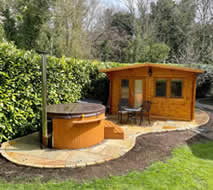
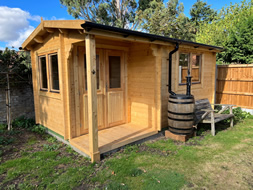
Many believe luxury garden cabins take months to build and cost a fortune, but modern bespoke options can be installed in under 8 weeks and start under £15,000. This guide clarifies what makes a garden cabin truly luxurious, from premium materials and bespoke craftsmanship to versatile uses and UK regulatory considerations, helping you make informed decisions about adding exceptional outdoor living space to your property.
Table of Contents
- What Makes A Garden Cabin ‘Luxury’?
- Materials And Craftsmanship In Luxury Garden Cabins
- Functional Uses: Leisure, Workspace And Additional Living
- Debunking Common Misconceptions About Luxury Garden Cabins
- Comparing Bespoke Luxury With Modular And Standard Cabins
- Navigating UK Planning Permissions And Regulations
- Choosing The Right Luxury Garden Cabin: A Buyer’s Framework
- Explore Bespoke Luxury Garden Cabins At Log Cabin Kits
- Frequently Asked Questions
Key takeaways
| Point | Details |
|---|---|
| Bespoke design defines luxury | Customisation in dimensions, layout, and features creates functional flexibility for leisure, office, or guest accommodation. |
| Premium materials ensure longevity | FSC-certified timber, superior insulation, and quality glazing deliver year-round comfort and durability. |
| Versatility supports multiple uses | Luxury cabins serve as home offices, guest rooms, leisure spaces, or additional living areas with proper utilities. |
| Planning rules vary by specification | Most cabins under 2.5m height qualify for permitted development, but utilities installation may require permission. |
| Cost reflects customisation levels | Bespoke luxury cabins range from £15,000 to over £50,000 depending on size, materials, and features. |
What makes a garden cabin ‘luxury’?
Luxury garden cabins stand apart from standard sheds through three defining characteristics: bespoke design, premium materials, and exceptional craftsmanship. Unlike mass-produced garden buildings that offer limited configuration options, bespoke garden cabins allow customisation in dimensions, layout, and features, providing functional flexibility for leisure, office, or guest accommodation needs.
The bespoke approach means every element serves your specific requirements. You choose timber thickness, window placement, interior layouts, electrical specifications, and finishing details. This level of personalisation transforms a simple garden structure into a tailored extension of your home that reflects your lifestyle and aesthetic preferences.
Key features that distinguish luxury garden rooms include:
- Premium timber construction with thickness ranging from 44mm to 70mm for structural integrity
- Superior insulation systems achieving U-values of 0.18 W/m²K or better for thermal efficiency
- High-quality double or triple glazing that reduces heat loss and external noise
- Professional joinery with precision-engineered tongue and groove connections
- Weather-resistant treatments and finishes that protect timber from moisture and UV damage
Craftsmanship matters enormously in luxury cabins. Skilled joiners ensure tight seals, proper drainage, and structural stability that withstand decades of British weather. Corners are mitred perfectly, doors hang true, and windows seal completely. This attention to detail prevents common problems like draughts, leaks, and warping that plague cheaper alternatives.
Materials and craftsmanship in luxury garden cabins
Premium timber forms the foundation of luxury garden cabins, with most manufacturers sourcing slow-grown Nordic spruce or Siberian larch for superior density and durability. FSC certification ensures timber comes from responsibly managed forests, addressing environmental concerns whilst guaranteeing quality standards. Thicker timber provides better insulation naturally, with 44mm boards offering baseline performance and 70mm options delivering exceptional thermal mass.
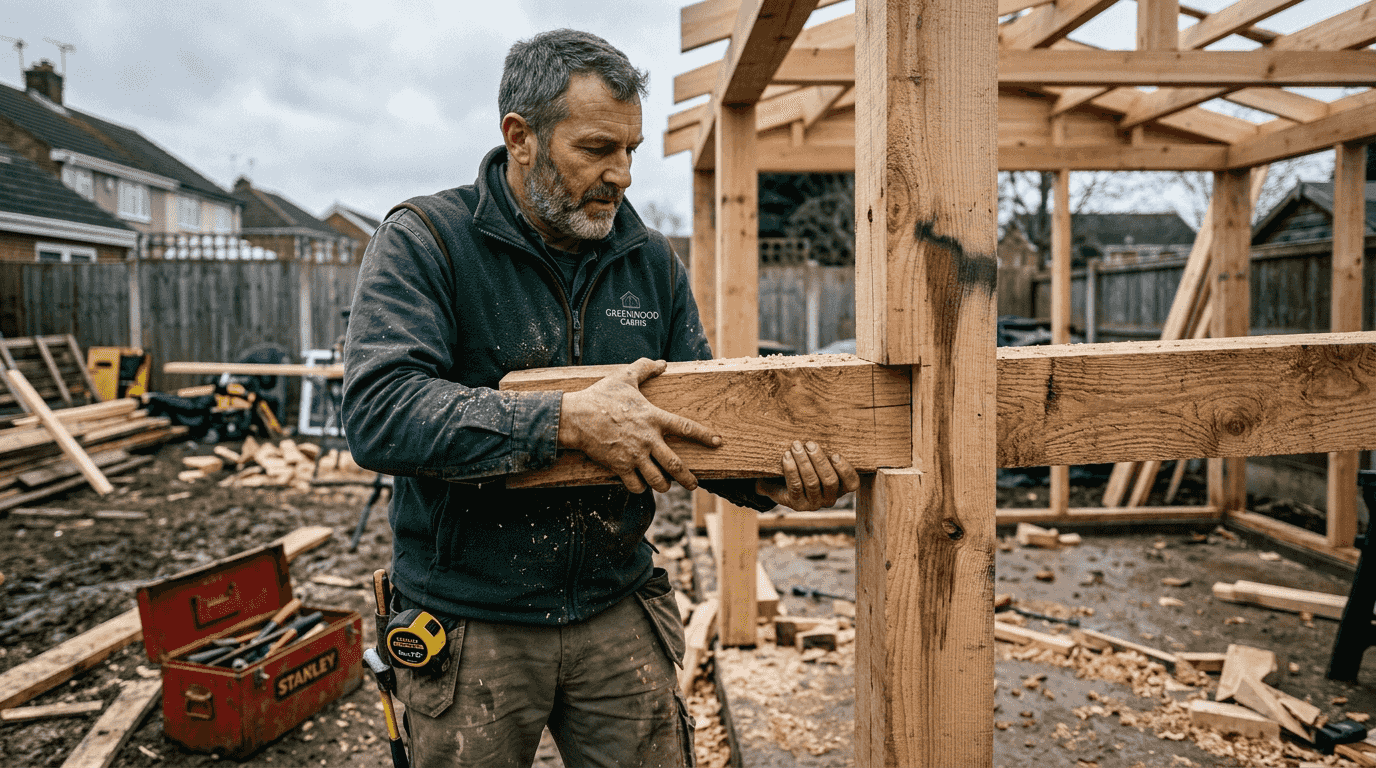
Incorporating insulation and double-glazed windows is essential in luxury garden cabins for year-round comfort and functionality, with insulation ratings reaching U-values of 0.18 W/m²K or better. Modern systems combine mineral wool or rigid foam boards in walls, floors, and roofs with vapour barriers that prevent condensation buildup. This engineering approach ensures your cabin remains comfortable in January cold and July heat without excessive heating costs.
Glazing standards separate luxury from basic builds. Double-glazed units with argon gas filling reduce heat transfer by 40% compared to standard double glazing. Low-emissivity coatings reflect internal heat back into the room whilst allowing sunlight through. Larger glazed areas flood interiors with natural light, making spaces feel more expansive and connected to your garden.
Sustainable practices extend beyond timber sourcing. Manufacturers increasingly use:
- Water-based stains and treatments that minimise volatile organic compounds
- Recycled or recyclable insulation materials with low embodied carbon
- Locally sourced components to reduce transportation emissions
- Modular construction techniques that minimise site waste
Pro Tip: Prioritise material quality over purely decorative features when budgeting. Superior insulation and glazing deliver tangible comfort improvements and energy savings, whilst fancy trim can always be added later.
The durability of garden log cabins depends heavily on proper treatment and maintenance. Factory-applied pressure treatments penetrate timber deeply, protecting against rot and insect damage for 15-25 years. Annual inspections and periodic re-staining maintain this protection, ensuring your investment appreciates rather than deteriorates. Quality bespoke cabin design incorporates maintenance access, proper ventilation, and drainage systems that prevent moisture accumulation.
For technical specifications on insulating garden buildings, the NHBC Foundation provides comprehensive guidance on achieving optimal thermal performance in garden structures.
Functional uses: leisure, workspace and additional living
Bespoke luxury cabins adapt seamlessly to leisure requirements through thoughtful layout and lighting design. Dedicated entertainment spaces benefit from dimmable LED systems, built-in shelving for media equipment, and electrical circuits supporting gaming consoles or sound systems. Comfort-focused designs incorporate underfloor heating, plush flooring options, and French doors that blur boundaries between indoor relaxation and garden views.
Home office configurations demand different priorities. Standard bespoke designs include insulation and double glazing to ensure year-round comfort whether for leisure or workspace. Professional workspace features include:
- Multiple electrical sockets with USB charging points positioned for desk setups
- Dedicated data cabling or mesh Wi-Fi systems for reliable connectivity
- Task lighting that reduces eye strain during long work sessions
- Acoustic treatments that minimise external noise from gardens or neighbouring properties
Guest accommodation represents the most demanding use case, requiring full utilities integration. Water supply enables bathroom facilities, kitchenettes, or washing areas. Waste connections allow proper drainage for showers and sinks. Heating systems maintain comfortable temperatures overnight without excessive running costs. These installations typically require building regulations approval and professional certification.
Thermal comfort and soundproofing enable true year-round functionality. Premium insulation maintains indoor temperatures between 18-21°C with minimal heating input. Acoustic insulation in walls, floors, and ceilings reduces noise transmission, crucial for concentrated work or peaceful relaxation. Proper ventilation systems prevent condensation whilst maintaining air quality, essential in well-sealed modern cabins.
Exploring bespoke garden cabin uses reveals how homeowners across the UK adapt these structures for hobbies, creative studios, fitness spaces, and meditation rooms. A home office retreat demonstrates how separating work from domestic spaces improves productivity and work-life balance.
For inspiration on modern applications, custom garden rooms trends showcase innovative ways homeowners maximise garden potential through bespoke structures.
Debunking common misconceptions about luxury garden cabins
Cost concerns often deter potential buyers who assume luxury automatically means unaffordable. Reality proves more nuanced. Luxury cabins can be built and installed in 4-8 weeks with modular methods and cost ranges from £15,000 to £50,000+ depending on specifications. Entry-level bespoke cabins with quality materials and basic customisation start around £15,000 for compact sizes. Mid-range options with enhanced insulation, superior glazing, and electrical installations typically cost £25,000-£35,000. High-end cabins exceeding £50,000 incorporate premium finishes, complex layouts, full utilities, and extensive glazing.
Build timelines represent another misunderstood aspect. Traditional on-site construction might take 8-12 weeks, but modern modular approaches dramatically accelerate delivery. Factory fabrication allows simultaneous groundwork preparation and cabin construction. Transportation and installation often complete within 1-2 days once foundations are ready. Total project duration from order to completion averages 6-10 weeks for most bespoke projects.
Planning permission myths create unnecessary anxiety. Many garden cabins qualify for permitted development rights, avoiding formal applications entirely. Key criteria include:
- Maximum height of 2.5m for buildings within 2m of boundaries
- No more than 50% garden coverage by outbuildings
- Single-storey construction only
- No habitable accommodation if using permitted development
Utilities installation often triggers planning requirements regardless of cabin size. Permanent electrical connections, water supply, or waste drainage typically require building regulations approval. Consulting planning permission for garden log cabins guidance clarifies when formal applications become necessary.
Pro Tip: Contact your local planning authority early in the design process. A brief conversation can confirm whether your proposed cabin qualifies for permitted development, saving weeks of uncertainty and potential redesign costs.
Comparing bespoke luxury with modular and standard cabins
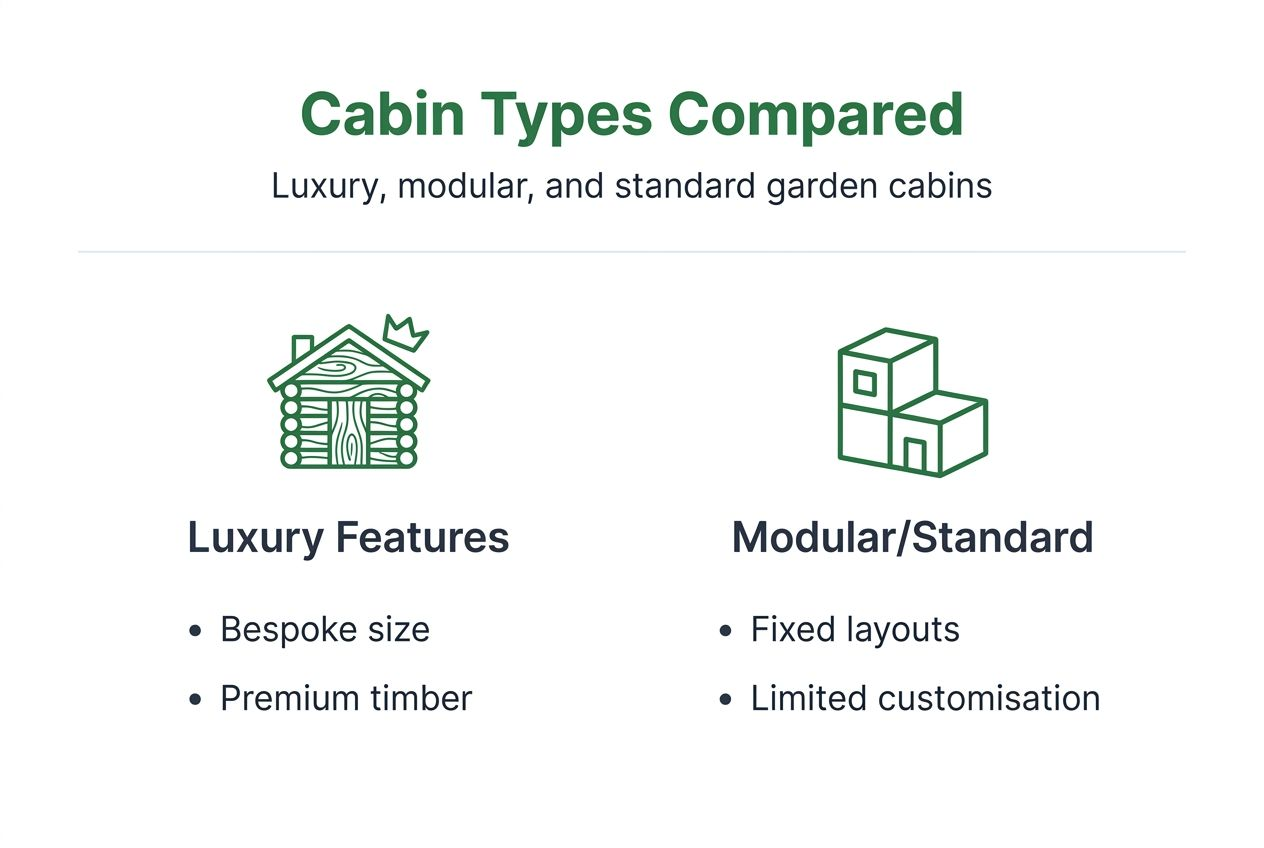
Understanding trade-offs between cabin types helps align your choice with practical needs and budget constraints. The following comparison highlights key differences:
| Feature | Bespoke luxury | Modular premium | Standard cabin |
|---|---|---|---|
| Cost range | £15,000-£50,000+ | £10,000-£25,000 | £3,000-£10,000 |
| Customisation | Fully tailored dimensions, layouts, features | Limited size/layout options | Fixed designs only |
| Build time | 6-10 weeks | 4-6 weeks | 2-4 weeks |
| Timber thickness | 44-70mm | 28-44mm | 19-28mm |
| Insulation quality | U-value 0.18-0.25 W/m²K | U-value 0.25-0.35 W/m²K | Minimal or none |
| Glazing standard | Double/triple glazed, argon-filled | Double glazed standard | Single glazed |
| Year-round use | Fully suitable | Suitable with heating | Summer use only |
| Lifespan | 30+ years with maintenance | 20-25 years | 10-15 years |
Bespoke luxury cabins justify premium pricing through longevity and functionality. Custom dimensions ensure efficient use of available garden space without compromise. Tailored electrical layouts support specific equipment needs. Personalised aesthetic choices create structures that enhance rather than detract from property value.
Modular premium options balance customisation with affordability. Pre-designed modules offer some layout flexibility whilst maintaining cost efficiency through standardised manufacturing. Quality remains good, though material thickness and insulation standards typically fall short of bespoke specifications. This category suits buyers with moderate budgets seeking year-round use.
Standard cabins serve basic storage or seasonal hobby space needs. Limited insulation restricts comfortable use to warmer months. Thinner timber provides less structural stability and thermal mass. However, initial costs remain accessible for homeowners testing whether garden buildings suit their lifestyle before committing to larger investments.
Learning how to design a bespoke cabin reveals the collaborative process between homeowners and manufacturers, balancing aspirations with practical constraints and budgets.
Navigating UK planning permissions and regulations
Permitted development rights provide the legal framework most garden cabins operate under. These rights allow certain building works without formal planning applications, subject to specific limitations. Garden buildings qualify when they remain ancillary to the main dwelling, meaning they support household activities rather than creating independent living units.
Size and positioning restrictions define permitted development boundaries. Buildings must not exceed 4m in height with dual-pitched roofs or 3m for other roof types. Those within 2m of boundaries face a 2.5m height limit. Total coverage by outbuildings cannot exceed 50% of garden area excluding the original house footprint. Front gardens typically prohibit outbuildings entirely under permitted development.
Utilities installation complicates planning status significantly. Electrical connections from your main consumer unit usually proceed without planning permission, though they require Part P building regulations compliance and certification by qualified electricians. Water supply and drainage installations almost always trigger building regulations approval, involving inspections and formal sign-off.
Key considerations for planning compliance include:
- Consulting local authority planning departments before finalising designs
- Reviewing property deeds for restrictive covenants limiting outbuildings
- Checking conservation area or listed building restrictions that override permitted development
- Obtaining neighbour consultation to prevent disputes and potential enforcement action
- Documenting all approvals and certifications for future property sales
Common pitfalls include assuming all gardens qualify equally for permitted development. Flats, maisonettes, and properties in designated areas often face additional restrictions. Some developments built after specific dates may have permitted development rights removed through planning conditions. Ignoring these nuances leads to enforcement notices requiring retrospective applications or structure removal.
Detailed guidance on planning permission for log cabins in the UK explains regional variations and special circumstances. For step-by-step processes, obtaining planning permission for garden cabins provides practical application advice.
Choosing the right luxury garden cabin: a buyer’s framework
A systematic approach prevents costly mistakes and ensures your cabin truly serves intended purposes. Follow these steps:
-
Define primary and secondary uses precisely. Distinguish between occasional hobby space and daily home office requirements. Clarify whether guests will stay overnight or just visit during daytime. This clarity drives every subsequent decision.
-
Assess available space and positioning options. Measure your garden accurately, noting boundaries, existing structures, and access routes for delivery vehicles. Consider sun orientation for natural light and views you want to frame through windows.
-
Establish a realistic budget including hidden costs. Factor in groundwork preparation, electrical installation, furniture, heating systems, and annual maintenance. Bespoke cabins require 10-15% contingency for unforeseen expenses or design refinements during the build process.
-
Research timber quality and construction standards. Request samples showing timber thickness and joinery quality. Ask about treatment processes, warranty terms, and expected lifespan. Compare insulation specifications against your climate control expectations.
-
Verify planning status and regulatory requirements. Contact your local planning authority with preliminary sketches. Confirm whether your intended utilities installation requires building regulations approval. Budget time and money for any necessary applications.
-
Evaluate supplier reputation and bespoke experience. Review portfolios showing similar projects. Request customer references and visit completed installations if possible. Assess communication quality during initial consultations, indicating how well they’ll manage your project.
-
Plan for long-term maintenance and upgrades. Understand re-treatment schedules, typical repair needs, and warranty coverage. Consider how your needs might evolve, ensuring the cabin design accommodates future modifications.
Balancing aesthetics with build quality requires prioritisation. External appearance matters for property value and personal satisfaction, but structural integrity and thermal performance deliver daily functional benefits. Choose classic designs that age gracefully rather than trendy features that date quickly.
Pro Tip: Avoid selecting cabins based solely on lowest price or fastest delivery. Quality materials and experienced craftsmanship cost more initially but prevent expensive repairs, uncomfortable conditions, and premature replacement that ultimately cost far more.
Bespoke cabin design and supply explores the end-to-end process from initial concept through final installation, helping buyers understand timelines, decision points, and collaboration requirements with manufacturers.
Explore bespoke luxury garden cabins at Log Cabin Kits
Log Cabin Kits specialises in creating luxury garden cabins tailored to your exact requirements. Our bespoke design service transforms your vision into reality, whether you need a tranquil home office, elegant guest accommodation, or versatile leisure space.
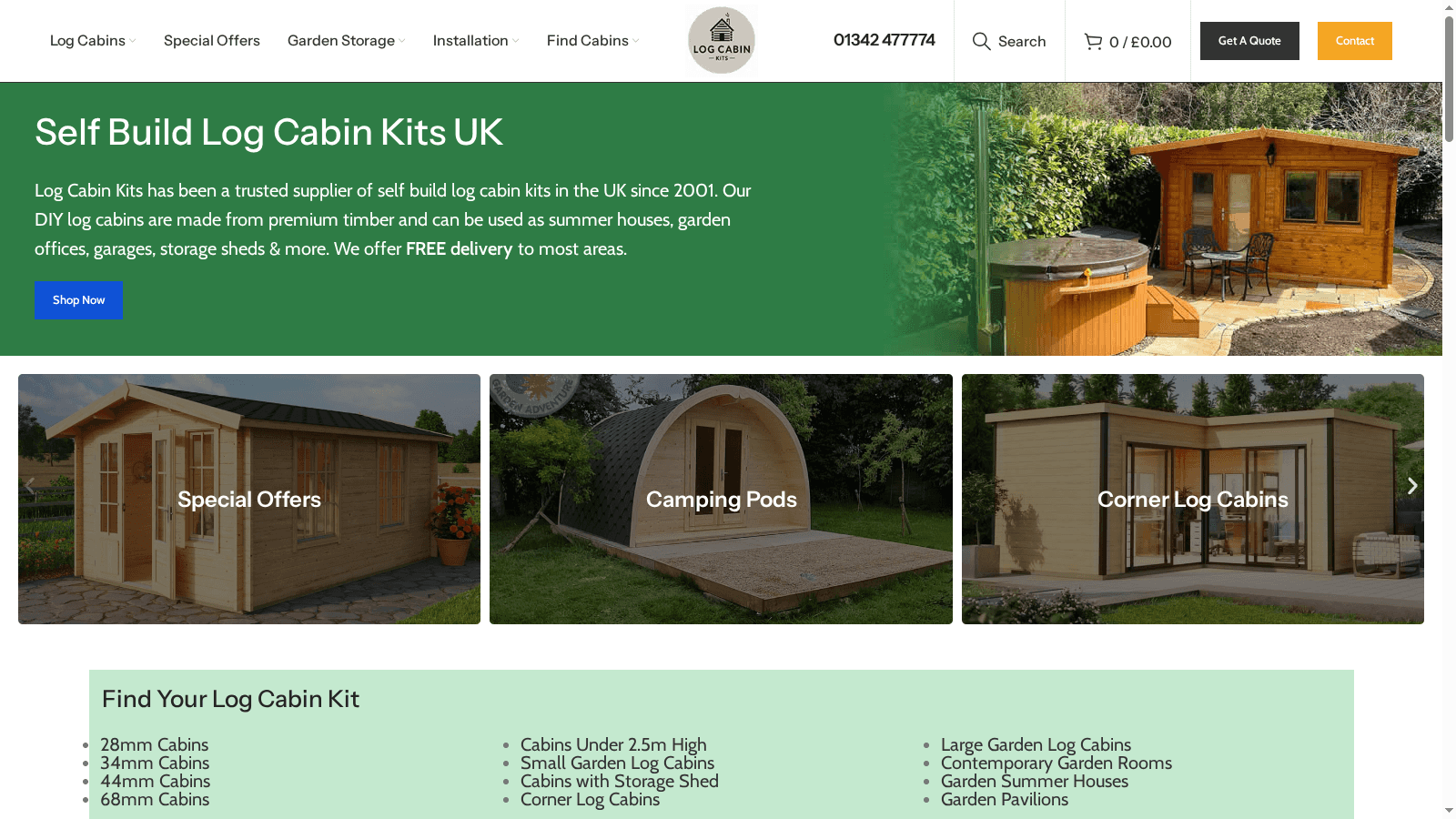
Browse our log cabin gallery showcasing completed projects across the UK for design inspiration. Every cabin demonstrates our commitment to premium materials, exceptional craftsmanship, and functional excellence.
Our custom build log cabins service offers complete flexibility in dimensions, layouts, glazing, and finishes. We guide you through design decisions, planning considerations, and installation logistics, ensuring your project proceeds smoothly from concept to completion. All orders include free UK delivery, and our experienced team handles everything from groundwork advice to final finishing touches. Start your bespoke cabin design journey today.
Frequently asked questions
What defines a luxury garden cabin versus a standard garden shed?
Luxury garden cabins feature bespoke designs tailored to specific uses, premium timber construction typically 44mm or thicker, and superior insulation achieving U-values below 0.25 W/m²K. Standard sheds use thinner timber, minimal insulation, and fixed designs unsuitable for year-round occupation. The functional difference means luxury cabins serve as genuine living spaces whilst sheds primarily offer storage.
Do I always need planning permission for a luxury garden cabin in the UK?
Planning permission depends on cabin size, height, positioning, and intended utilities. Most cabins under 2.5m height qualify for permitted development rights, avoiding formal applications. However, installing permanent water supply, drainage, or creating habitable accommodation typically requires building regulations approval regardless of size. Consulting planning permission for log cabins in the UK guidance clarifies when applications become necessary.
How much does a bespoke luxury garden cabin typically cost?
Costs usually range from £15,000 to over £50,000 depending on size, materials, and custom features. Entry-level bespoke cabins with quality construction start around £15,000 for compact designs. Mid-range options with enhanced specifications cost £25,000-£35,000. Premium cabins exceeding £50,000 incorporate extensive glazing, full utilities, and high-end finishes.
What types of uses are best suited for luxury garden cabins?
Luxury cabins excel as home offices, guest accommodation, leisure rooms, creative studios, and fitness spaces. Their year-round thermal comfort, proper insulation, and utilities capability support daily professional work, overnight guests, or hobby activities regardless of season. Bespoke design ensures layouts, electrical systems, and features align perfectly with your specific intended use.