
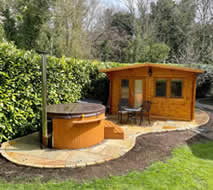
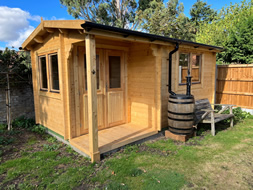
Many UK homeowners believe garden office cabins only work during warm months, but modern bespoke designs prove otherwise. Properly insulated cabins provide comfortable year-round workspaces that genuinely separate professional duties from home distractions. This guide explores what home office cabins truly are, their essential features, and how they transform productivity for remote workers seeking dedicated outdoor workspaces.
Table of Contents
- What Is A Home Office Cabin? Understanding The Basics
- Essential Features Of Bespoke Garden Office Cabins For Productivity
- UK Building Regulations And Planning Permission For Garden Office Cabins
- Comparing Garden Office Cabins With Other Home Workspace Options
- Common Misconceptions About Home Office Cabins
- Practical Steps To Choosing And Implementing Your Home Office Cabin
- Benefits Beyond Work: Enhancing Outdoor Living And Property Value
- Explore Garden Log Cabins Tailored For Your Home Office Needs
- Frequently Asked Questions
Key takeaways
| Point | Details |
|---|---|
| Definition | Bespoke garden log cabins purpose-built as dedicated home offices separate from main dwellings. |
| Essential features | Year-round insulation, ergonomic layouts, natural lighting, and customisable technology integration. |
| UK regulations | Most cabins under 30 sqm qualify for permitted development rights without planning permission. |
| Productivity boost | Dedicated garden cabins increase productivity up to 30% compared to spare room setups. |
| Customisation | Multi-room options, storage solutions, sustainable materials, and aesthetic finishes enhance functionality. |
What is a home office cabin? Understanding the basics
Home office cabins are standalone timber buildings, purpose-built for separating work from home distractions. Unlike standard garden sheds or storage structures, these bespoke cabins feature professional-grade insulation, double glazing, and ergonomic design specifically for productive work environments. Construction typically involves high-quality timber framing, weatherproof cladding, and glazed windows that maximise natural light whilst maintaining thermal efficiency.
The primary aim centres on creating physical separation between domestic life and professional responsibilities. This distinction proves vital for remote workers struggling with household interruptions during working hours. Quality cabins deliver proper heating systems, electrical installations, and internet connectivity comparable to traditional office spaces.
Common UK garden office cabins range from 8 to 20 square metres, though bespoke designs accommodate larger requirements. Typical placement prioritises level ground with good drainage, positioned to capture natural light whilst respecting boundary distances. Key differences from general garden buildings include:
- Professional insulation standards for walls, floors, and roofs
- Electrical installations meeting building regulations
- Ergonomic interior layouts optimised for desk work
- Double-glazed windows and doors for thermal efficiency
- Proper ventilation systems preventing condensation
Understanding why choose a garden office cabin helps homeowners appreciate the investment beyond simple garden structures.
Essential features of bespoke garden office cabins for productivity
Insulation standards determine year-round comfort in UK climates. Quality cabins utilise 50-100mm wall insulation, with roof insulation reaching 100-150mm to combat heat loss through the largest surface area. Floor insulation prevents cold bridging from ground contact, maintaining comfortable temperatures during winter months. These specifications ensure heating systems work efficiently without excessive energy costs.
Natural lighting dramatically impacts mood and productivity. South-facing windows capture maximum daylight whilst minimising direct glare, supplemented by skylights that illuminate deeper workspace areas. Large glazed sections reduce reliance on artificial lighting, cutting electricity usage and creating pleasant working environments connected to outdoor surroundings.
Ergonomic workspace design incorporates thoughtful layout planning. Adequate desk depth (minimum 700mm), accessible storage solutions, and cable management systems create functional environments. Technology integration includes multiple power outlets, ethernet cabling, and consideration for video conferencing equipment positioning. Customisation allows inclusion of multi-functional spaces enhancing usability beyond simple offices.
Bespoke features transform standard cabins into personalised workspaces:
- Partitioned areas separating focused work zones from meeting spaces
- Built-in shelving and storage maximising limited floor area
- Acoustic insulation reducing external noise disturbances
- Sustainable timber from certified forests supporting environmental goals
- Energy-efficient LED lighting and heating controls
Exploring productive home office tips and guidance on how to choose the right garden office ensures informed decisions. External resources on customisation options demonstrate available possibilities.
Pro tip: Position your cabin to face north or east if your work involves screen-intensive tasks, reducing glare whilst maintaining excellent ambient light throughout working hours.
UK building regulations and planning permission for garden office cabins
Most garden office cabins under 30 sqm meeting size and siting criteria fall under permitted development rights, avoiding planning permission requirements. Height restrictions typically limit structures to 2.5 metres for flat roofs or 4 metres for pitched roofs when positioned within 2 metres of boundaries. Buildings further from boundaries often permit greater heights under permitted development.
Required siting rules demand careful placement. Cabins must occupy no more than 50% of garden area surrounding the original dwelling. Distance from boundaries affects height allowances, whilst forward placement beyond the principal elevation typically requires full planning permission. These regulations protect neighbour amenity and maintain residential character.
Full planning permission becomes necessary for several scenarios. Commercial use beyond incidental home business activities triggers requirements, as do cabins exceeding 30 square metres or those in conservation areas. Listed buildings and properties with removed permitted development rights through Article 4 directions require formal applications regardless of size.
Consulting local planning authorities before purchase prevents costly mistakes. Suppliers experienced with UK building regulations for garden offices provide guidance on compliant designs. Common mistakes include:
- Assuming all garden buildings automatically qualify for permitted development
- Ignoring boundary distance requirements affecting height allowances
- Overlooking conservation area restrictions
- Proceeding without checking Article 4 direction status
- Failing to verify 50% garden coverage limits
Proper due diligence ensures smooth installation without planning delays or enforcement action.
Comparing garden office cabins with other home workspace options
Cost considerations influence workspace decisions significantly. Garden office cabins typically range from £8,000 to £25,000 depending on size and specifications, whilst home extensions cost £15,000 to £50,000 for comparable space. Spare room conversions appear cheaper initially at £2,000 to £8,000, but lack the dedicated separation that drives productivity gains.
| Option | Cost Range | Installation Time | Productivity Impact |
|---|---|---|---|
| Garden cabin | £8,000-£25,000 | 1-3 weeks | High separation benefits |
| Home extension | £15,000-£50,000 | 8-16 weeks | Moderate if separated |
| Spare room | £2,000-£8,000 | 2-4 weeks | Lower due to distractions |
Installation disruption varies dramatically. Garden cabins typically complete within one to three weeks with minimal household disturbance, as construction occurs outdoors. Extensions require 8 to 16 weeks with significant noise, dust, and restricted home access during building works. Spare room conversions involve 2 to 4 weeks of internal disruption affecting daily routines.
Dedicated garden cabins increase productivity up to 30% more than spare rooms by reducing interruptions from household activities. Physical separation eliminates casual interruptions from family members, delivery arrivals, and domestic tasks visible from workspace areas. This psychological boundary reinforces professional mindset during working hours.
Space flexibility favours garden cabins considerably. Unlike permanent extensions fixed to dwelling layouts, cabins relocate if homeowners move or repurpose spaces. Customisation possibilities exceed spare room constraints, with garden buildings comparison highlighting design freedom unavailable in existing room conversions. Future adaptability for hobbies, guest accommodation, or studio space adds long-term value.
Pro tip: Calculate total costs including groundwork, electrical connections, and furnishing when comparing options, ensuring realistic budget assessments beyond base structure prices.
Common misconceptions about home office cabins
Many believe garden cabins only function comfortably during summer months, but this misunderstanding ignores modern insulation capabilities. Garden office cabins with proper insulation provide comfortable year-round use in the UK climate, maintaining pleasant temperatures through winter with appropriate heating systems. Quality construction withstands British weather conditions without seasonal limitations.
Another prevalent myth suggests spare room offices deliver equivalent productivity to dedicated garden structures. Research contradicts this assumption, demonstrating that physical separation from domestic environments significantly reduces distractions and improves focus. Household activities remain visible and audible in spare rooms, undermining the psychological boundaries essential for concentrated work.
Widespread confusion exists regarding planning permission requirements for all garden offices. Whilst some scenarios demand formal approval, permitted development rights cover most residential garden cabins meeting size and siting criteria. This misconception deters homeowners from exploring viable workspace solutions unnecessarily.
Misunderstandings about versatility limit perceived value. Garden office cabins serve multiple purposes beyond work, functioning as:
- Creative studios for artistic pursuits
- Fitness and wellness spaces
- Guest accommodation for visitors
- Hobby workshops and craft rooms
- Quiet reading and relaxation retreats
Clarifying these misconceptions helps homeowners appreciate genuine capabilities of well-designed bespoke cabins. Modern construction techniques, improved materials, and thoughtful design create robust year-round workspaces that genuinely enhance productivity and lifestyle quality.
Practical steps to choosing and implementing your home office cabin
Assessing your specific work needs establishes foundation requirements. Evaluate daily tasks, equipment requirements, storage needs, and whether client meetings occur in your workspace. Measure available garden area, noting level ground, drainage patterns, and existing boundaries. Consider proximity to dwelling for utility connections whilst maximising natural light exposure.
Consulting bespoke cabin suppliers provides expert design guidance. Discuss insulation specifications appropriate for year-round comfort, glazing options balancing light and thermal efficiency, and technology integration requirements. Experienced suppliers recommend layouts optimising limited space whilst maintaining ergonomic principles. Request detailed specifications ensuring compliance with building standards.
Confirming planning status prevents regulatory complications. Review local authority guidance on permitted development criteria, verifying your property qualifies without Article 4 restrictions. Contact planning departments with specific cabin dimensions and proposed siting, obtaining written confirmation where requirements remain unclear. This diligence avoids costly mistakes discovered during or after installation.
Selecting appropriate features ensures long-term satisfaction:
- Choose insulation grades matching intended year-round use patterns and local climate exposure
- Specify double or triple glazing based on thermal efficiency priorities and budget constraints
- Plan electrical installations accommodating current and anticipated technology requirements
- Consider heating options from electric radiators to underfloor systems based on running costs
- Select sustainable materials and finishes aligning with environmental values and aesthetic preferences
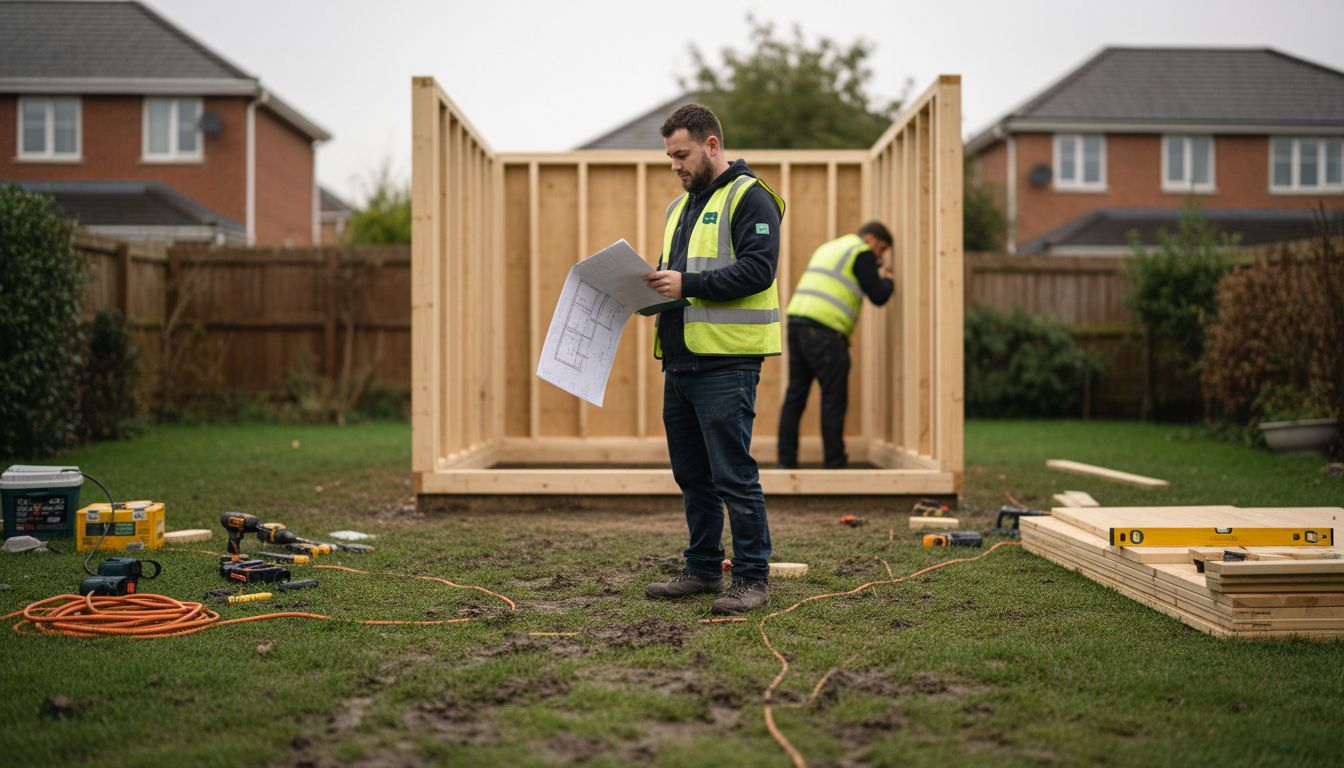
Coordinating professional installation guarantees structural integrity and regulatory compliance. A systematic approach ensures meeting workspace needs, regulatory compliance, and successful installation within budget and timeline. Verify installer credentials, insurance coverage, and warranty terms before committing. Schedule groundwork and utility connections coordinating with cabin delivery for efficient completion.
Furnishing with ergonomic essentials completes your productive workspace. Invest in adjustable office chairs, properly sized desks, and adequate storage solutions. Plan technology placement considering natural light angles preventing screen glare. Resources on step-by-step garden office selection guide comprehensive planning.
Pro tip: Budget an additional 15-20% beyond quoted cabin costs for groundwork, electrical connections, furnishing, and unexpected site preparation requirements, ensuring realistic financial planning without mid-project surprises.
Benefits beyond work: enhancing outdoor living and property value
Garden office cabins improve mental wellbeing by providing nature views and a dedicated separation from living spaces. Working surrounded by greenery reduces stress levels compared to indoor environments, whilst clear physical boundaries between professional and personal zones improve work-life balance. Natural light exposure regulates circadian rhythms, enhancing sleep quality and overall health.
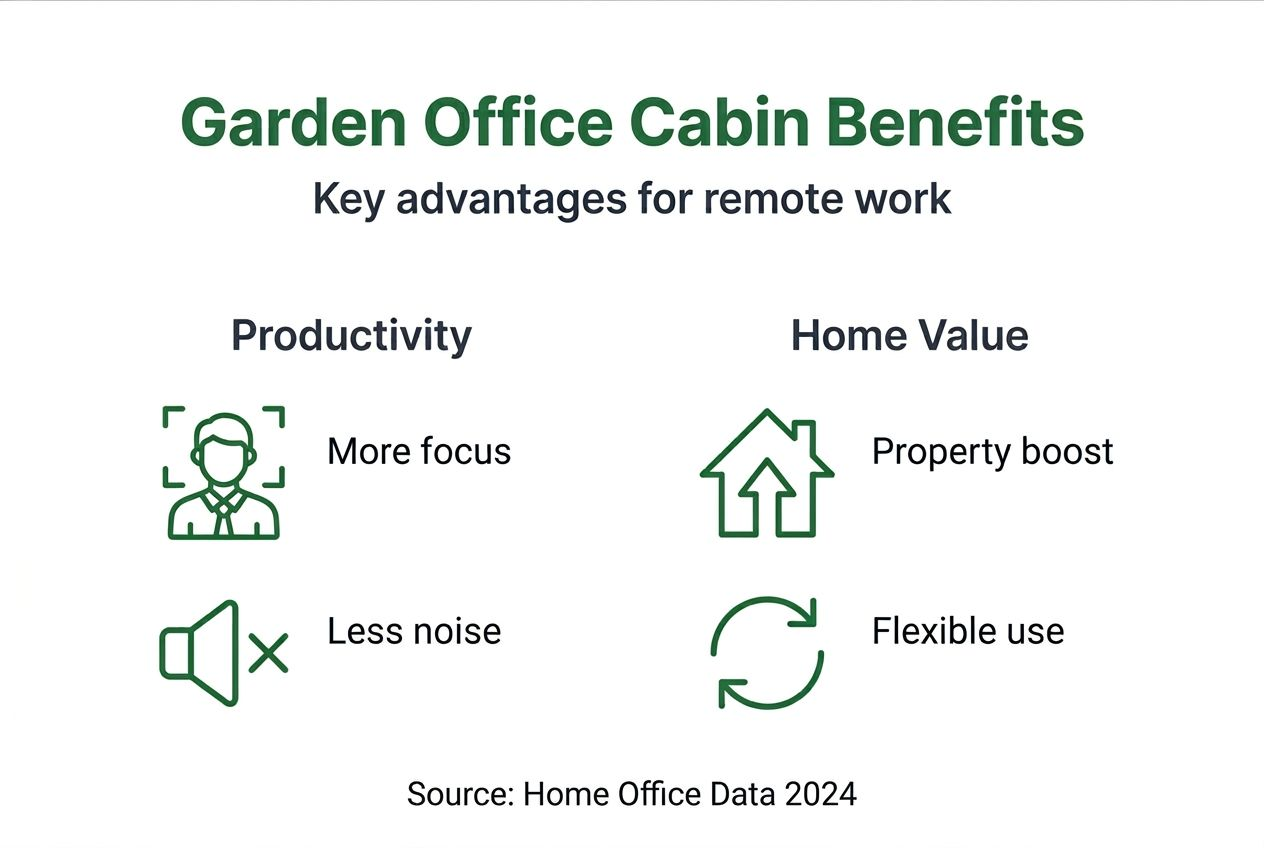
Property value increases represent tangible financial benefits. Estate agents recognise garden offices as desirable features appealing to growing remote workforce populations. Well-constructed bespoke cabins add £10,000 to £20,000 in property value, often exceeding installation costs whilst providing years of functional use before any sale.
Versatility extends cabin utility beyond professional requirements. Structures adapt to changing life circumstances:
- Creative studios supporting artistic hobbies and side businesses
- Guest accommodation providing privacy for visiting family
- Fitness spaces equipped with exercise equipment
- Quiet reading retreats separated from household activity
- Workshop areas for craft projects and repairs
Lifestyle quality improvements manifest through flexible outdoor living integration. Garden cabins encourage greater connection with outdoor spaces previously underutilised during working hours. This integration promotes physical activity during breaks, supports gardening interests, and creates additional entertaining space during warmer months.
Long-term investment value supports evolving home usability. As remote work patterns continue reshaping professional landscapes, dedicated workspace infrastructure becomes increasingly essential. Resources on benefits of garden office cabins and working from home benefits detail advantages, whilst research on productivity improvements demonstrates measurable gains justifying investment.
Explore garden log cabins tailored for your home office needs
Transforming your work environment starts with exploring bespoke garden log cabin solutions designed specifically for UK homeowners. Our range combines quality craftsmanship with customisation options that match your productivity requirements and aesthetic preferences. Whether you need compact single-person workspaces or larger multi-functional designs, expert guidance ensures your vision becomes reality.
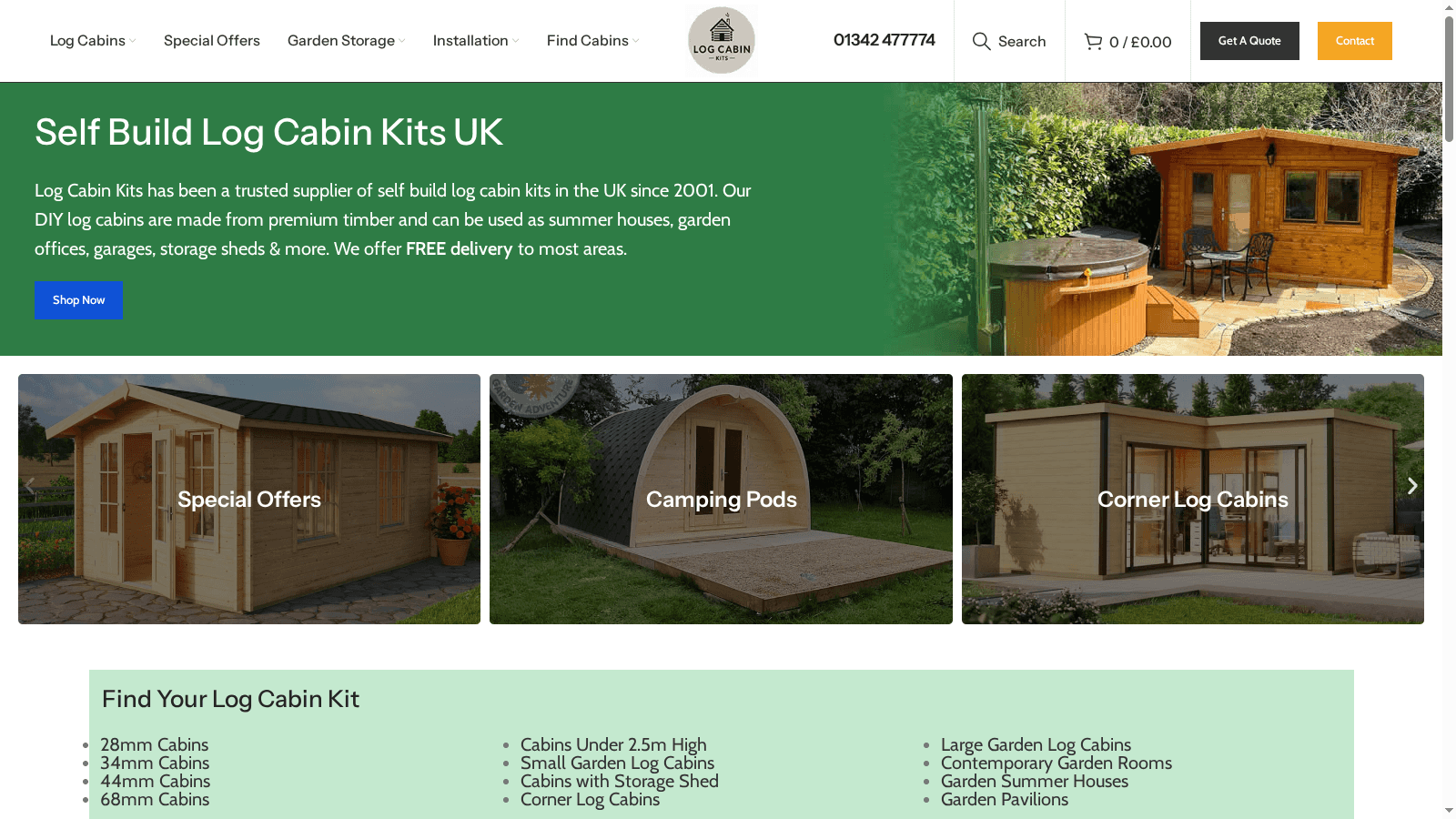
Discover comprehensive resources through our ultimate guide to garden log cabins, exploring design possibilities and practical considerations. Our customised bespoke log cabins service delivers personalised solutions tailored to your specific garden space and working style. Learn how others succeeded in transforming your work life with dedicated garden workspaces. Start planning your ideal home office environment today.
Frequently asked questions
What size home office cabin do I need for one person?
A typical single-person cabin ranges from 8 to 12 square metres, providing adequate space for desk, storage, and comfortable movement. Consider your specific equipment requirements and whether you conduct video meetings requiring additional background space. Larger sizes accommodate future needs or multi-functional use beyond pure office work.
Do I always need planning permission for a garden office cabin?
Most garden office cabins under 30 square metres meeting height and siting criteria qualify for permitted development rights without planning permission. Always verify with your local council before proceeding, as conservation areas, listed buildings, and Article 4 directions alter standard allowances. Written confirmation prevents regulatory complications during installation.
Can a garden office cabin be used all year round in the UK climate?
With appropriate insulation, double glazing, and heating options, garden cabins remain comfortable throughout the year. Modern bespoke designs specify insulation grades maintaining pleasant working temperatures regardless of season. Quality construction withstands British weather conditions, providing reliable workspaces during winter months without excessive heating costs.
What customisation options are available for garden home offices?
Options include multi-room layouts separating work and meeting zones, various insulation grades, strategic window placement, integrated storage solutions, and technology infrastructure. Custom finishes range from external cladding colours to internal wall treatments, whilst sustainable materials satisfy environmental priorities. Bespoke suppliers accommodate specific requirements matching individual workspace needs and aesthetic preferences.
Recommended
- A Productive Home Office - Log Cabin Kits To Buy Online
- Transforming Your Work Life: Why A Garden Log Cabin Is The Ultimate Home Office Solution - Log Cabin Kits To Buy Online
- Cabins For Working From Home - Log Cabin Kits To Buy Online
- How To Buy Or Build A Home Office In The Garden - Log Cabin Kits To Buy Online
- Why Choose Remote Back Office: Boosting Efficiency and Growth | Nine Archs LLC