
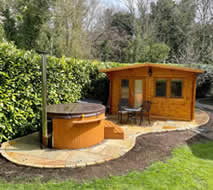
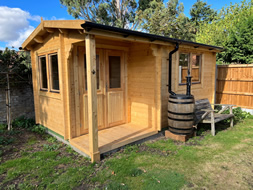
Transforming your garden log cabin into a comfortable, year-round space requires more than enthusiasm. UK homeowners face unique challenges: unpredictable weather, strict building codes, and the risk of costly mistakes without proper planning. This guide walks you through practical, legally compliant customisation steps to create a functional outdoor retreat that stands up to British conditions while avoiding common pitfalls.
Table of Contents
- Understanding UK Regulations And Permissions
- Pre-Customisation Checklist: Tools, Materials, And Preparation
- Step-By-Step Customisation Process
- Common Mistakes And Troubleshooting Tips
- Expected Customisation Results And Budgeting
- Discover Expertly Customised Log Cabins For Your Garden
- How To Customise Log Cabin: Frequently Asked Questions
Key takeaways
| Point | Details |
|---|---|
| Planning permission | UK planning permission is rarely needed under 15m² but always verify local council requirements. |
| Preparation essentials | Gather weatherproof materials, proper tools, and level foundations before starting to save time and money. |
| Customisation sequence | Follow structured steps: structural modifications, insulation, exterior protection, electrical work, then interior layout. |
| Common pitfalls | Poor weatherproofing and skipping safety certifications lead to expensive repairs and legal issues. |
| Budget expectations | Typical customisation adds 20-30% to base cabin costs with completion in 2-6 weeks depending on scope. |
Understanding UK regulations and permissions
Before picking up a hammer, you need to understand what’s legally required. The good news: UK planning permission is generally not required for garden cabins under 15 square metres unless local bylaws apply. However, size isn’t the only factor.
Permitted development rights cover most small garden structures, but exceeding height limits or placing your cabin too close to boundaries triggers planning requirements. Your cabin typically can’t be taller than 2.5 metres if within two metres of a boundary, and the total coverage of outbuildings cannot exceed 50% of your garden area.
Building regulations approval for log cabins becomes essential when you’re adding electrical systems, plumbing, or making significant structural changes. These regulations exist to protect you, ensuring your customisation meets safety and energy efficiency standards.
Local councils sometimes impose additional restrictions through conservation area rules or Article 4 directions. Before investing in materials, contact your planning department. A five minute phone call saves months of headaches.
Key regulatory checkpoints:
- Verify your cabin falls within permitted development size and placement limits
- Obtain building regulations approval for electrical, plumbing, or structural work
- Check if your property sits in a conservation area with stricter rules
- Document all approvals before starting work to avoid enforcement notices
- Consult the garden log cabin planning process UK for detailed guidance
Skipping this groundwork invites expensive problems. One homeowner in Surrey faced a £12,000 enforcement notice for unauthorised electrical work that could have cost £200 to approve properly.
Pre-customisation checklist: tools, materials, and preparation
Proper preparation determines whether your project flows smoothly or turns into a frustrating money pit. Start by assembling the right tools for the job.
Essential tools include a comprehensive carpentry set with saws, drills, and measuring equipment. You’ll need insulation applicators, paint sprayers or brushes rated for exterior timber, and proper personal protective equipment. Don’t skimp on safety gear: quality gloves, impact-resistant goggles, and ear protection are mandatory, not optional.
Material selection matters enormously in the UK climate. Choose pressure-treated timber that resists rot and insect damage. Your insulation needs to handle moisture without losing effectiveness, so mineral wool or closed-cell foam boards work best. Exterior paints and stains must be specifically rated as weatherproof for British conditions.
| Material category | Recommended options | UK weather consideration |
|---|---|---|
| Timber treatment | Pressure-treated or tantalised wood | Resists rot in high rainfall |
| Insulation | Mineral wool, PIR boards | Maintains R-value when damp |
| Exterior finish | Breathable wood stain or paint | Prevents moisture trapping |
| Roofing | EPDM rubber or felt shingles | Withstands wind and rain |
| Foundation | Concrete pads or treated bearers | Prevents frost heave damage |
Your site preparation begins with levelling. An uneven base causes structural stress, warped doors, and water pooling. Use a spirit level across multiple points to verify flatness. Check that foundations can handle frost penetration, which reaches 450mm deep in northern UK regions.
Explore various timber cabin options to understand construction quality before customising. Higher quality base cabins accept modifications more easily and last longer.
Pro Tip: Create a detailed materials list with 10% extra quantities. Running short mid-project means delays and mismatched batches, especially with timber stains where colour can vary between production runs.
Certifications matter for specific work. Any electrical installation requires a qualified electrician certified under Part P of Building Regulations. Gas work needs a Gas Safe registered engineer. These aren’t bureaucratic nuisances, they’re legal requirements that protect your home insurance validity.
Review guidance on building bespoke garden log cabin projects to understand how preparation impacts final quality. Professionals spend 30% of project time on preparation because it eliminates 70% of potential problems.
Step-by-step customisation process
Now you’re ready to transform your cabin. Follow this sequence to avoid backtracking and rework.
Structural modifications and reinforcements
Start with any structural changes: adding windows, reinforcing walls for shelving, or installing partition walls. This messy work happens first so you’re not damaging finished surfaces later. Check that load-bearing walls can handle additional weight. Add cross-bracing if you’re creating open-plan spaces by removing internal supports.
Verify all structural work complies with building regulations before proceeding. Once covered by insulation and finishes, inspectors can’t verify compliance without costly dismantling.
Insulation installation
Proper insulation reduces heat loss by up to 50%, transforming your cabin from a fair-weather shed into a comfortable year-round space. Install insulation between wall studs, under the roof, and beneath the floor if possible.
Pay special attention to thermal bridging where wooden frames create cold spots. Use insulation tape to seal gaps around windows and doors. Ventilation matters too: install breathable membranes that prevent condensation while allowing moisture escape.
Steps for effective insulation:
- Measure cavity depths and cut insulation to fit snugly without compression
- Install vapour barriers on the warm side to prevent condensation damage
- Seal all joints with appropriate tape rated for the insulation type
- Add secondary glazing to single-pane windows for improved thermal performance
- Insulate the roof space first as heat rises and escapes fastest through the top
Exterior finishes and weatherproofing

Your cabin’s exterior takes the brunt of British weather. Apply timber treatment to all exposed wood surfaces, paying extra attention to end grains where water penetrates easily. Two coats of quality wood preservative provide baseline protection.
Follow with exterior cladding if desired, or apply breathable wood stain in your chosen colour. Avoid non-breathable paints that trap moisture and cause rot. Check roof integrity and apply additional waterproofing membrane if needed. Felt roofs typically need replacing every 10 years, while EPDM rubber lasts 30 years.
Pro Tip: Apply exterior treatments during dry spells with temperatures above 10°C. Damp or cold conditions prevent proper adhesion and curing, wasting money on materials that won’t protect effectively.
Electrical installations and lighting
Electrical work requires professional involvement. A certified electrician must design, install, and test any wiring to meet building regulations approval for log cabins standards.
Plan lighting that serves your cabin’s purpose. Task lighting for workshop areas, ambient lighting for relaxation spaces, and external security lighting all have different requirements. Include adequate sockets for your needs plus 20% extra for future flexibility.
| Electrical element | Safety requirement | Typical cost impact |
|---|---|---|
| Mains power connection | Certified electrician, RCD protection | £400-800 |
| Internal lighting circuit | Part P compliance, circuit breakers | £200-400 |
| Socket outlets | IP-rated for moisture resistance | £30-60 per socket |
| External lighting | Weatherproof fittings, PIR sensors | £80-150 per fitting |
| Inspection and certification | Mandatory testing and documentation | £150-250 |
Interior layout optimisation
With utilities installed, focus on interior comfort. Plan your layout around your cabin’s purpose: home office, gym, studio, or relaxation retreat. Multifunctional furniture maximises limited space. Wall-mounted desks fold away when not needed. Storage benches provide seating and organisation.
Consider flooring carefully. Laminate handles moisture better than carpet, while vinyl offers warmth underfoot. Install skirting boards to finish edges and hide minor gaps.
Learn from bespoke garden log cabin building projects that demonstrate how professional planning creates functional, attractive spaces efficiently.
Common mistakes and troubleshooting tips
Even experienced DIYers make costly errors. Learn from others’ mistakes to protect your investment.
Ignoring frost protection risks
Failing to apply frost protection around the base can lead to foundation shifts causing up to a 15% increase in maintenance costs within five years in the UK’s colder regions. Frost heave lifts and cracks foundations, warping your entire structure.
Solution: Ensure foundations extend below the frost line or use adjustable feet that compensate for ground movement. Install gravel drainage around the perimeter to prevent water accumulation that freezes and expands.
Skipping electrical certification
DIY electrical work might seem like cost savings, but it creates severe safety hazards and invalidates home insurance. One spark from faulty wiring can destroy your cabin and spread to your main house.
Solution: Budget for certified electricians from the start. Their work includes testing and certification that proves compliance. This documentation is essential when selling your property or making insurance claims.
Underestimating insulation needs
Thin or poorly installed insulation leaves your cabin cold, damp, and unusable for much of the year. You’ve spent thousands on a structure that sits empty because it’s uncomfortable.
Solution: Calculate insulation requirements based on UK Building Regulations thermal performance standards. Aim for U-values of 0.16 W/m²K for walls and 0.13 W/m²K for roofs. Professional advice from planning permission for garden cabins resources helps avoid this expensive mistake.
Poor space planning
Rushing into customisation without considering how you’ll actually use the space results in awkward layouts and wasted areas. Furniture doesn’t fit, traffic flow feels cramped, and the cabin becomes frustrating rather than enjoyable.
Solution: Create a scale floor plan on graph paper or use free design software. Place furniture cutouts to test arrangements before committing to fixed elements like partition walls or built-in storage.
Pro Tip: Live with your cabin for a week before making permanent changes. Use temporary furniture arrangements to test different layouts. What seems perfect on paper often feels different in reality.
Neglecting regular maintenance
Customisation doesn’t end when tools are put away. Without ongoing timber treatment and inspections, weather damage accumulates silently until major repairs become necessary.
Solution: Schedule annual inspections checking for wood rot, seal failures, and roof damage. Reapply timber treatment every 3-5 years depending on exposure. Prevention costs a fraction of remedial work.
“The difference between a cabin that lasts 10 years and one that serves you for 30 comes down to consistent, basic maintenance. Treat your cabin like you treat your car: regular checks prevent breakdowns.”
Expected customisation results and budgeting
Setting realistic expectations prevents disappointment and helps you plan effectively. Customisation timelines vary based on complexity and whether you’re working solo or with help.
Simple projects like interior painting and basic insulation typically complete within 2-3 weeks working weekends. Comprehensive customisation including electrical installation, exterior cladding, and structural modifications usually requires 4-6 weeks. Weather delays add time, especially for exterior work that needs dry conditions.
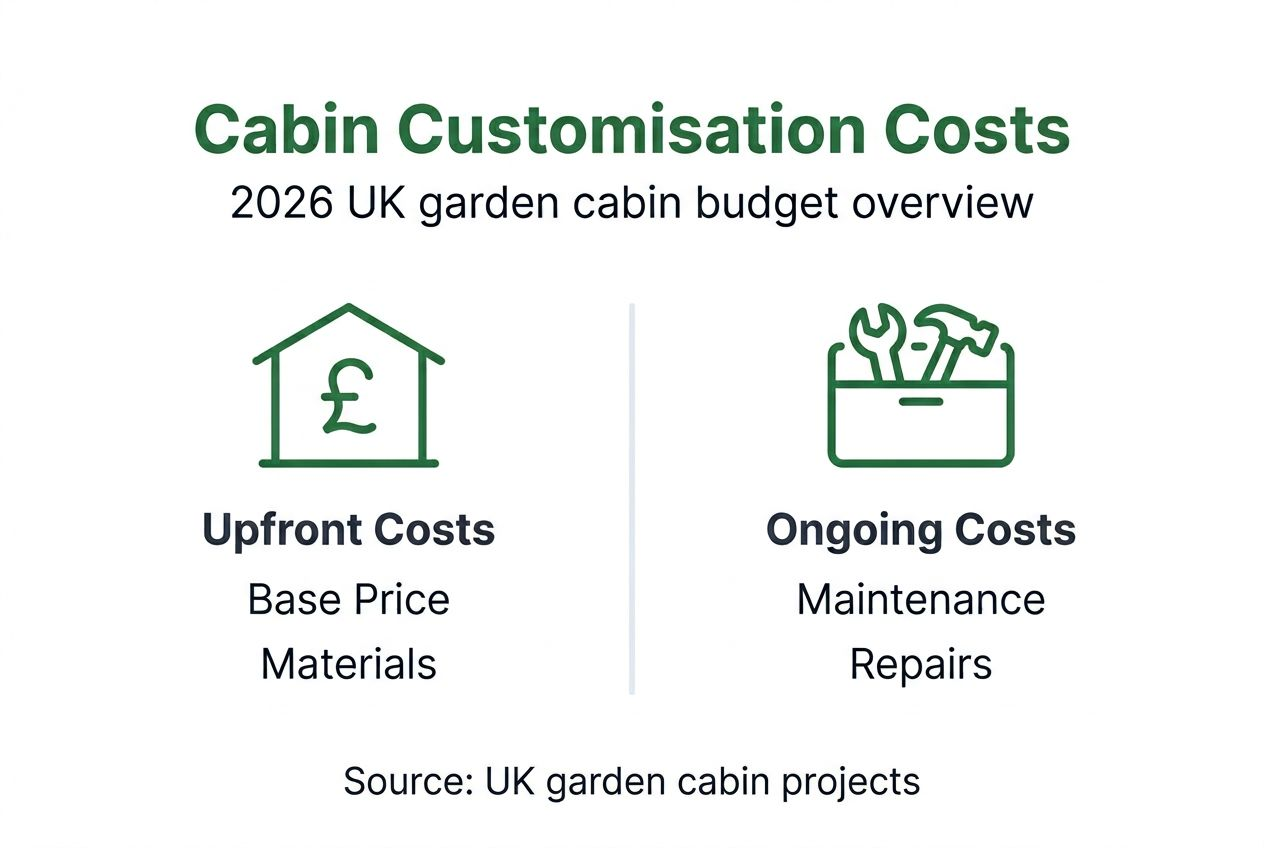
Costs generally run 20-30% above your base cabin price for moderate customisation. A £3,000 cabin might need £600-900 for quality insulation, exterior treatment, and interior finishes. Electrical installation adds another £400-800. Going fully bespoke with custom windows, premium materials, and professional installation can double your initial cabin investment.
| Customisation scope | Typical duration | Budget multiplier | Key elements included |
|---|---|---|---|
| Basic (DIY) | 2-3 weeks | +15-20% | Interior paint, basic insulation, shelving |
| Moderate (mixed) | 3-4 weeks | +20-30% | Full insulation, electrical, exterior treatment |
| Comprehensive (professional) | 4-6 weeks | +30-50% | Structural changes, premium finishes, certified installations |
| Luxury bespoke | 6-8 weeks | +50-100% | Custom features, high-end materials, full professional build |
Success metrics help you judge whether your project achieved its goals:
- Interior stays dry during heavy rain with no leaks or condensation
- Electrical installation passes inspection with proper certification
- Space maintains comfortable temperature without excessive heating costs
- Project completes within 20% of estimated timeline and budget
- Cabin serves its intended purpose effectively
Maintenance scheduling extends your cabin’s lifespan dramatically. Budget £100-200 annually for minor repairs and treatment reapplication. This small ongoing investment prevents the £2,000-5,000 remedial work that neglected cabins eventually require.
Professional services increase upfront costs but reduce project duration and eliminate many risks. A skilled carpenter completes in days what takes weekends to DIY. Certified tradespeople provide warranties and insurance protection you can’t get doing it yourself.
Explore modern production methods for garden log cabins to understand how quality construction simplifies customisation and improves long-term value.
Discover expertly customised log cabins for your garden
You now understand what successful cabin customisation requires: proper planning, quality materials, and attention to building regulations. Why not skip the trial and error?
Explore professionally designed solutions through bespoke cabin design services that handle compliance, construction, and customisation from start to finish. Browse the garden log cabin gallery for inspiration showcasing what’s possible when expert craftsmanship meets your vision.
Every custom build log cabin includes free UK delivery and construction by experienced professionals who understand British weather challenges intimately. Transform your garden with confidence, backed by specialists who’ve perfected the process.
How to customise log cabin: frequently asked questions
Do I need planning permission to customise my garden log cabin?
Planning permission depends on your cabin’s size and modifications. Garden cabins under 15m² typically fall under permitted development rights, but adding significant height, changing use to habitable space, or placing the cabin too close to boundaries may trigger requirements. Always verify with your local council before starting work to avoid enforcement notices.
Can I do all the customisation work myself?
You can handle interior decorating, painting, and basic carpentry yourself if you have the skills. However, electrical work legally requires a Part P certified electrician, and gas installations need a Gas Safe registered professional. Structural modifications benefit from professional assessment to ensure safety and building regulations compliance.
What are the best insulation materials for UK garden log cabins?
Mineral wool and PIR (polyisocyanurate) foam boards perform excellently in British conditions. Mineral wool handles moisture without losing insulating properties, whilst PIR boards offer superior thermal performance in limited space. Both need proper installation with vapour barriers and sealed joints to prevent condensation and maintain effectiveness throughout our damp climate.
How long does a typical cabin customisation project take?
Basic interior customisation takes 2-3 weeks working part-time, whilst comprehensive projects including electrical installation and exterior work require 4-6 weeks. Weather delays extend timelines, especially for exterior treatments requiring dry conditions. Professional contractors complete faster but cost more upfront.
What ongoing maintenance does a customised log cabin need?
Annual inspections checking for wood rot, seal failures, and roof damage are essential. Reapply exterior timber treatment every 3-5 years depending on exposure and weather protection. Clean gutters seasonally, check door and window seals annually, and address minor issues immediately before they become expensive repairs.