
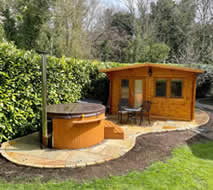
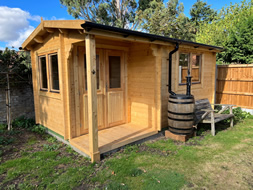
Timber frame cabins often suffer from unfair assumptions about durability and quality, leaving UK homeowners uncertain about whether they’re a smart garden retreat choice. This guide cuts through the confusion, revealing what timber frame cabins truly are, how they’re built, and why they offer a fast, sustainable, and highly customizable solution for your bespoke garden cabin. You’ll gain expert insights to confidently choose and design a timber frame cabin that transforms your outdoor space.
Table of Contents
- Understanding Timber Frame Cabins: Definition And Structure
- How Timber Frame Cabins Are Built: A Step-By-Step Process
- Key Benefits Of Timber Frame Cabins For UK Homeowners
- Customization And Design Flexibility Opportunities
- Common Misconceptions About Timber Frame Cabins
- Choosing The Right Timber Frame Cabin For Your Garden
- Explore Bespoke Timber Frame Garden Cabins Today
- Frequently Asked Questions About Timber Frame Cabins
Key Takeaways
| Point | Details |
|---|---|
| Definition | Timber frame cabins use heavy timber beams as a structural skeleton, differing from traditional log or brick cabins. |
| Build Speed | Off-site fabrication and on-site assembly reduce construction time by 30-40%, minimizing disruption. |
| Sustainability | Sustainably sourced timber supports environmental goals and can reduce heating costs by up to 30%. |
| Design Flexibility | Open-plan layouts, large windows, and diverse cladding options enable bespoke customization. |
| Misconceptions | Properly treated timber frames are highly durable and meet modern UK soundproofing standards. |
Understanding Timber Frame Cabins: Definition and Structure
Timber frame cabins are built around a structural skeleton of heavy timber beams that carry the load, rather than relying on walls for support. This construction method fundamentally differs from traditional brick or log cabins, where walls themselves bear the weight. The timber frame acts as the cabin’s backbone, allowing walls to be non-load-bearing and opening up exciting design possibilities.
In the UK, about 31.8% of self-build garden cabins use timber framing, making it a popular choice for bespoke garden retreats. This preference stems from timber framing’s adaptability to various styles and its deep roots in British architectural tradition. Whether you envision a modern glass-fronted studio or a rustic cottage-style retreat, timber framing provides the structural foundation.
Understanding basic terminology helps you navigate supplier conversations and design decisions:
- Frame: The load-bearing skeleton of vertical posts and horizontal beams
- Beams: Heavy timber members that support the roof and transfer loads
- Load-bearing structure: The timber framework that carries all weight, not the walls
- Panels: Pre-fabricated wall sections filled with insulation and cladding
This structural approach enables you to enjoy larger windows, open interiors, and diverse exterior finishes while maintaining strength. Timber frame construction combines traditional craftsmanship with modern engineering precision, delivering garden cabins that balance aesthetic appeal with structural integrity. The benefits of garden cabins extend beyond structure to transform how you use your outdoor space.
How Timber Frame Cabins Are Built: A Step-by-Step Process
The construction journey for timber frame cabins follows a precise sequence that maximizes efficiency and quality. Understanding each stage helps you appreciate why timber frames deliver faster results with consistent standards.
-
Design and Engineering: Architects and engineers create detailed plans, calculating load requirements and specifying timber grades. This stage defines your cabin’s appearance, size, and structural integrity.
-
Off-Site Fabrication: Components are precision-cut and assembled off-site, reducing build time on-site to just days for skeleton assembly. Factory conditions ensure accuracy and quality control impossible to achieve outdoors.
-
Site Preparation: Your garden site receives a stable foundation, typically concrete pads or ground screws, ensuring level support for the frame. Proper groundwork prevents settling and moisture issues.
-
On-Site Assembly: Pre-fabricated panels arrive ready to connect, with the main frame erected in days. Cranes lift large sections into place, and skilled workers secure joints and connections.
-
Finishing Touches: Roofing, windows, doors, utilities, and interior finishes complete your cabin. This stage personalizes your space and makes it functional.
Two panel systems dominate timber frame construction, each offering distinct advantages:
| Feature | Open Panel | Closed Panel |
|---|---|---|
| Insulation | Installed on-site after frame erection | Pre-installed in factory during fabrication |
| Build Time | Moderate; requires weather protection | Faster; arrives weatherproof |
| Cost | Lower initial cost | Higher upfront but saves labour |
| Quality Control | Dependent on on-site conditions | Factory precision ensures consistency |
| Customization | Easier to modify insulation on-site | Limited changes once manufactured |
Open panels suit budget-conscious projects where you manage the build timeline carefully. Closed panels excel when speed and weather resistance matter most, delivering a weatherproof shell faster. When planning your timber frame cabin, consider which panel type aligns with your priorities and budget. Explore timber cabin options to compare approaches and find your ideal match.
Key Benefits of Timber Frame Cabins for UK Homeowners
Timber frame cabins deliver compelling advantages that make them ideal for UK garden retreats, combining practical performance with environmental responsibility.
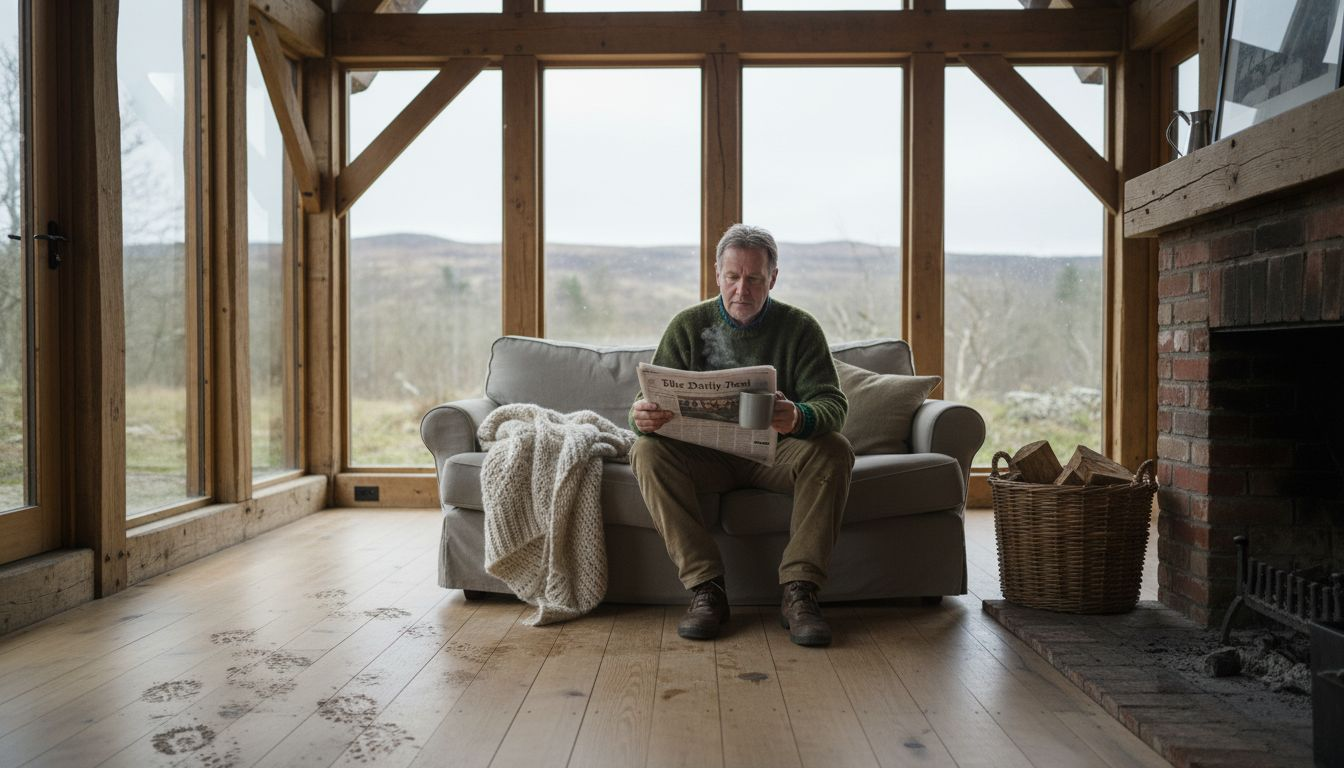
Energy Efficiency: Well-insulated timber frames reduce heating costs by up to 30% compared to traditional brick builds. The wood itself provides natural insulation, and modern panels incorporate high-performance materials that minimize heat loss. Your garden cabin stays comfortable year-round without excessive energy bills.
Sustainability: Sustainably sourced timber supports your environmental goals and complies with UK regulations promoting responsible forestry. Trees absorb carbon during growth, making timber a renewable building material with a lower carbon footprint than concrete or steel. Pro Tip: Choose FSC or PEFC certified timber to guarantee your cabin’s wood comes from responsibly managed forests.
Speed of Construction: Build time drops by 30 to 40% compared to traditional methods, minimizing disruption to your garden and daily life. Off-site fabrication continues regardless of weather, and rapid on-site assembly means your cabin takes shape in days, not months. Faster builds also reduce labour costs.
Design Flexibility: Timber frame cabins support open-plan interiors, large windows, and diverse cladding materials like brick, stone, timber, or render. The structural frame carries loads, freeing walls to be purely aesthetic. You can create airy, light-filled spaces that blend seamlessly with your garden surroundings.
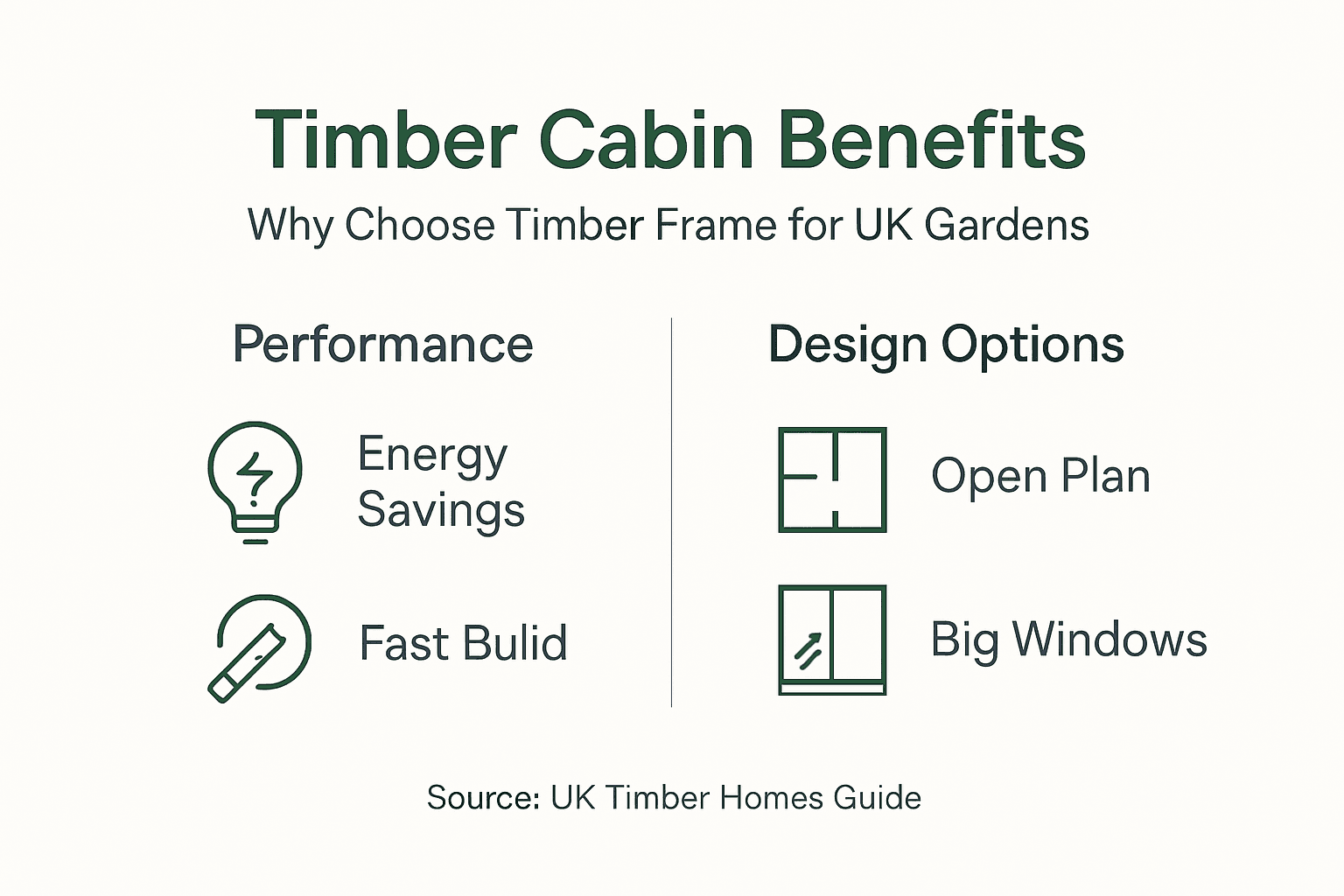
These benefits combine to deliver a garden cabin that’s comfortable, sustainable, quick to build, and uniquely yours. The benefits of log cabins in UK gardens extend to wellbeing benefits of garden cabins that enhance your lifestyle. When you’re ready to personalize your space, discover how decorating your garden cabin transforms it into a true retreat.
Customization and Design Flexibility Opportunities
Timber frame construction opens extraordinary possibilities for tailoring your garden cabin to reflect your style and functional needs. The structural independence of the timber skeleton liberates design choices in ways traditional builds cannot match.
External Cladding Variety: Choose from brick, stone, timber, render, or combinations to achieve your desired aesthetic. Want a traditional cottage look? Opt for brick or stone cladding. Prefer modern minimalism? Sleek render or vertical timber boards deliver contemporary appeal. Timber frame cabins support diverse cladding materials, enabling you to match your home’s architecture or create deliberate contrast.
Open-Plan Interiors: Strong timber beams eliminate the need for internal load-bearing walls, creating spacious, flowing layouts. Your garden office, studio, or guest suite can feel expansive and uncluttered, maximizing usable space within your cabin’s footprint.
Exposed or Concealed Framework: Celebrate the natural beauty of timber by leaving beams exposed for rustic charm and visual warmth. Alternatively, conceal the frame behind finishes for a clean, modern appearance. The choice is yours, and it dramatically influences your cabin’s character.
Large Window Installations: Structural strength permits extensive glazing that floods interiors with natural light and blurs boundaries between inside and outside. Floor-to-ceiling windows or corner glass panels create stunning garden views and enhance the sense of space.
Pro Tip: Collaborate early with suppliers to discuss your design vision and confirm feasibility. Early engagement ensures your customization ideas integrate smoothly into the engineering and fabrication process. Explore customization options for timber cabins and discover bespoke garden cabins uses to inspire your project.
Common Misconceptions About Timber Frame Cabins
Misunderstandings about timber frame cabins can create unnecessary hesitation among UK homeowners considering garden retreats. Let’s correct the most persistent myths with facts.
-
Myth: Timber frame cabins are less durable than brick buildings. Fact: Properly treated timber frames last multiple generations with maintenance, achieving longevity comparable to brick when protected from moisture and pests.
-
Myth: Timber frames are inherently noisy and lack soundproofing. Fact: Modern timber frames include soundproofing measures achieving acoustic performance comparable to brick houses, meeting UK Building Regulations for sound transmission.
-
Myth: Timber builds cost more and take longer than traditional construction. Fact: Build time is 30 to 40% faster, and competitive pricing often matches or undercuts brick builds, especially when factoring in reduced labour costs.
-
Myth: Timber frame cabins require constant upkeep. Fact: Regular maintenance is necessary, similar to any building, but consists primarily of checking seals, treating timber surfaces every few years, and ensuring drainage functions properly.
Why These Myths Persist: Outdated information and unfamiliarity with modern timber engineering fuel misconceptions. Advances in timber treatment, insulation technology, and panel fabrication have transformed timber frame construction into a high-performance, reliable building method. Understanding the reality helps you make informed decisions.
Regular inspections for moisture ingress, pest activity, and exterior finish condition protect your investment. With proper care, your timber frame cabin serves your family for decades. Learn more about benefits and myths about log cabins and garden cabin durability facts to build confidence in your choice.
Choosing the Right Timber Frame Cabin for Your Garden
Selecting the ideal timber frame cabin involves weighing technical options, costs, and supplier capabilities to ensure your garden retreat meets expectations and complies with UK regulations.
Open Panel vs Closed Panel Comparison:
| Consideration | Open Panel | Closed Panel |
|---|---|---|
| Insulation Installation | On-site after frame erection | Pre-installed during factory fabrication |
| Weather Dependency | Higher; requires protection during insulation phase | Lower; arrives weatherproof and ready |
| Build Timeline | Moderate; additional on-site labour needed | Faster; reduced on-site work |
| Initial Cost | Lower upfront material cost | Higher upfront but saves labour time |
| Quality Consistency | Variable; depends on site conditions | Factory precision ensures uniformity |
| Customization Ease | Easier to adjust insulation on-site | Limited changes after manufacturing |
Key Selection Factors:
- Sustainable Timber Certification: Verify FSC or PEFC certification to ensure responsible sourcing and environmental compliance.
- Supplier Expertise: Choose suppliers with proven experience in bespoke timber frame cabins and strong UK market knowledge.
- Planning Permission: Understand local planning requirements early. Most garden cabins under 2.5 metres height and specific placement criteria may qualify as permitted development, but verify with your local authority.
- Budget and Timeline Alignment: Balance your budget against desired features and urgency. Closed panels cost more initially but deliver faster, while open panels suit tighter budgets with flexible timelines.
- Design Support: Assess whether suppliers offer design consultation and engineering services to translate your vision into reality.
Pro Tip: Engage suppliers early in your planning process to discuss bespoke designs, clarify UK Building Regulations compliance, and obtain accurate cost estimates. Early collaboration prevents costly revisions and ensures your cabin meets structural, thermal, and aesthetic requirements. Start planning your garden cabin, review customization advice for timber cabins, and explore bespoke timber frame cabin benefits to inform your decision.
Explore Bespoke Timber Frame Garden Cabins Today
Now that you understand timber frame cabins’ construction, benefits, and customization potential, it’s time to explore real solutions tailored to UK gardens. Log Cabin Kits specializes in bespoke timber frame cabins designed for homeowners seeking unique garden retreats that reflect personal style and functional needs.
Our range includes sustainably sourced timber, flexible design options, and expert guidance through planning, customization, and UK regulations compliance. Whether you envision a home office, art studio, guest accommodation, or relaxation sanctuary, we deliver cabins built to your specifications with precision and care.
Discover our expertly customised bespoke log cabins and explore how we translate your vision into reality. Ready to start? Order bespoke log cabins with free UK delivery and benefit from our streamlined process. Learn more about sustainable garden cabins and how they support your environmental goals.
Frequently Asked Questions About Timber Frame Cabins
What maintenance is required to ensure durability of timber frame cabins?
Inspect your cabin annually for moisture ingress, pest activity, and exterior finish condition. Treat timber surfaces with appropriate preservatives every three to five years, and ensure drainage systems function properly to prevent water accumulation. Regular maintenance protects your investment and extends cabin lifespan for decades.
Can I customize the insulation and external cladding myself?
With open panel systems, you can install insulation on-site, offering flexibility to choose materials and manage costs. External cladding is typically applied by professionals to ensure weatherproofing and structural integrity, but your design choices dictate the aesthetic outcome. Discuss customization options with your supplier early.
How do timber frame cabins handle UK weather and moisture?
Properly treated timber and quality insulation protect against moisture, wind, and rain common in UK climates. Breathable membranes and ventilation gaps prevent condensation buildup, while external cladding shields the frame. Regular checks and maintenance keep your cabin weatherproof and comfortable year-round.
What is the typical cost range for a bespoke timber frame garden cabin?
Costs vary widely based on size, specification, and customization level, typically ranging from £15,000 to £50,000 or more for fully bespoke UK garden cabins. Open panel systems cost less initially, while closed panels and premium finishes increase investment. Obtain detailed quotes from suppliers to match your budget and requirements.
Are timber frame cabins suitable for home office use or guest accommodation?
Absolutely. Timber frame cabins provide excellent insulation, soundproofing, and comfort, making them ideal for home offices, guest suites, studios, or gyms. Open-plan layouts and large windows create productive, inviting spaces. Many UK homeowners successfully use timber frame cabins as multi-functional garden retreats that enhance property value and lifestyle.