
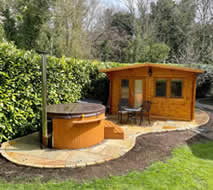
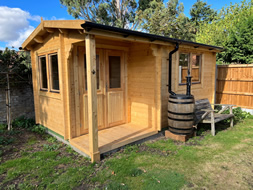
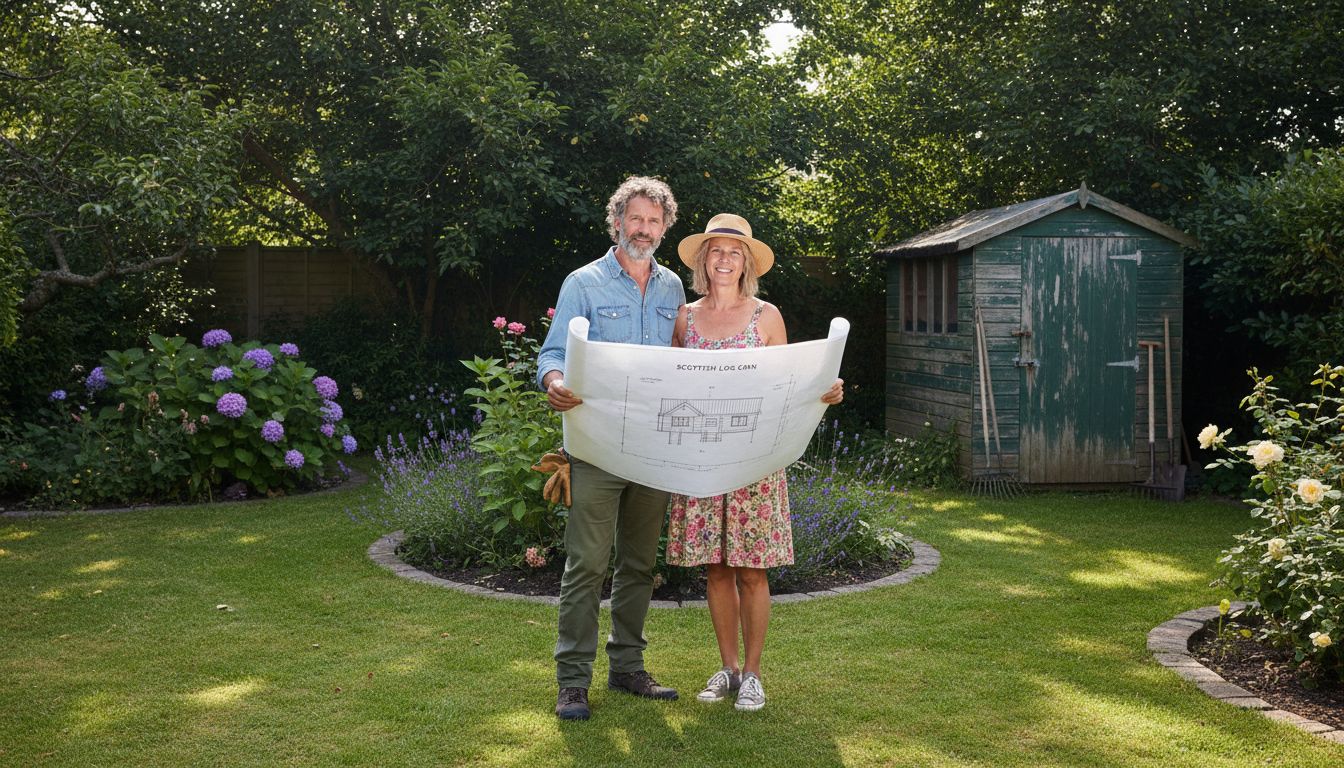
More than 40 percent of British homeowners now seek ways to make the most of their outdoor spaces, leading to a surge in interest for versatile garden log cabins. Deciding on the right option involves much more than choosing a style or size. The process calls for careful planning, from measuring your garden and setting a budget to considering materials and installation. This guide breaks down each essential step, helping you create a stunning garden retreat tailored to your British home.
Table of Contents
- Step 1: Assess Your Garden Space And Needs
- Step 2: Set Your Budget And Planning Preferences
- Step 3: Explore Building Styles And Materials
- Step 4: Customise Features And Finishes
- Step 5: Verify Installation Requirements
Quick Summary
| Key Point | Explanation |
|---|---|
| 1. Assess your garden space accurately | Measure the area, width, and length of your intended log cabin location, noting existing features and conditions that affect placement. |
| 2. Set a realistic budget and check regulations | Determine your financial limits and local planning rules to ensure compliance and make informed choices about your log cabin. |
| 3. Choose suitable building styles and materials | Select designs and materials that align with your aesthetic preferences and functional needs, considering durability and maintenance. |
| 4. Personalise features to match your lifestyle | Customise the cabin’s interior and exterior finishes for a unique look and functionality that aligns with your intended use. |
| 5. Verify installation requirements and access | Assess foundational needs and local regulations to ensure proper installation, including access routes for construction. |
Step 1: Assess your garden space and needs
Before selecting the perfect garden log cabin, you need to understand the unique characteristics of your outdoor area. Accurate spatial assessment is crucial for making an informed decision that complements your garden’s layout and potential. The Royal Horticultural Society recommends precise measurement techniques to map out your available space effectively.
Start by gathering basic measurements of your garden. Use a measuring tape to determine the total area, width, and length of the potential location for your log cabin. Pay special attention to existing features like trees, garden beds, pathways, and property boundaries. Garden Organic suggests evaluating the site’s aspect to understand sun exposure and potential limitations. Consider factors such as ground levelness, soil type, and drainage conditions that might impact your garden building placement.
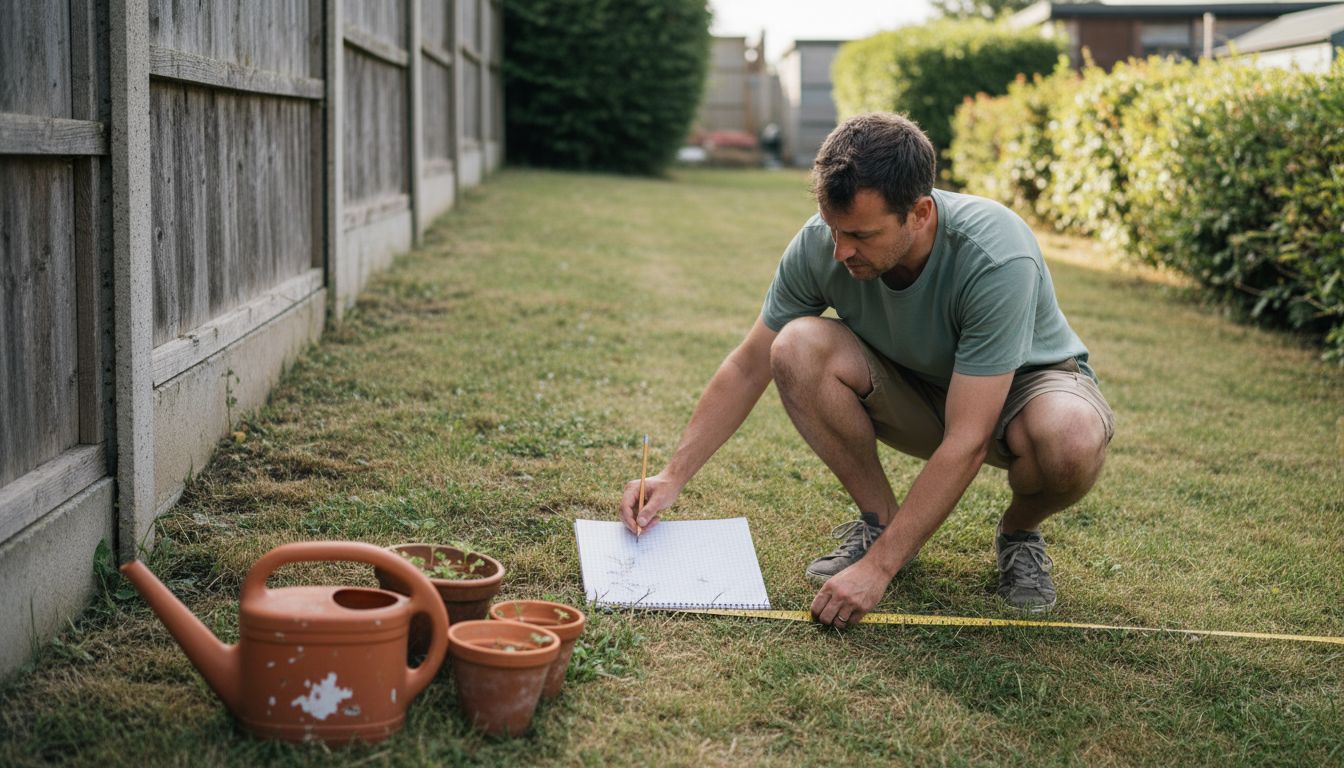
A strategic approach involves creating a simple sketch of your garden, marking fixed features and potential cabin locations. Consider clearance requirements minimum 30 centimetres from boundaries and ensure adequate space for installation and future maintenance. Think about how the log cabin will interact with your existing garden design its purpose, whether for storage, workspace, or relaxation will guide your spatial planning and ultimately determine the most suitable size and positioning.
Step 2: Set your budget and planning preferences
Setting a clear budget and understanding your planning preferences is crucial when selecting a garden log cabin. Your financial boundaries and local regulations will significantly influence your choices and help narrow down the available options for your outdoor space.
The Complete Guide to Why Garden Buildings Add Value highlights that garden buildings are not just an expense but a potential investment. Start by establishing a realistic budget that covers not only the cabin itself but also installation, potential groundwork, and any additional features you might want. Consider your long term goals whether you need a simple storage solution or a multifunctional workspace will impact your budget allocation.
Think strategically about planning permissions. While many garden log cabins fall under permitted development rights, some locations or specific designs might require formal planning approval. Check with your local council about size restrictions, height limitations, and positioning requirements. A good rule of thumb is to budget approximately 10% extra for unexpected expenses or potential modifications. By planning carefully and understanding your financial and regulatory constraints, you will be well prepared to make an informed decision about your garden log cabin investment.
Step 3: Explore building styles and materials
Selecting the right building style and materials is crucial for creating a garden log cabin that meets your functional needs and aesthetic preferences. The Garden Room Guide recommends strategically combining materials to maximise your budget while ensuring durability and visual appeal.
Wood types for garden buildings vary significantly in performance and appearance. Consider options like Siberian Larch or Thermowood for their exceptional durability and low maintenance characteristics. Think about how different exterior cladding materials will interact with your garden landscape some woods offer natural weathering properties that can create a beautiful patina over time, while others maintain a more consistent appearance.
When exploring building styles, balance aesthetics with practicality. Look for designs that complement your existing garden architecture and suit your intended use. Pay attention to details like roof pitch, window placement, and door configurations. Pre designed models can offer cost effective solutions, but bespoke designs provide opportunities for personalisation. Your final choice should reflect not just your current needs, but also potential future uses of the garden building.
Step 4: Customise features and finishes
Personalising your garden log cabin transforms it from a standard structure into a unique space that perfectly reflects your lifestyle and aesthetic preferences. Customisation options for garden cabins offer remarkable opportunities to create a truly bespoke outdoor building.
Start by considering interior and exterior finishes that complement your existing garden design. Think about practical elements like additional windows for natural light, integrated storage solutions, or optional extras such as veranda spaces and different roofing styles. Colour choices can dramatically impact the overall appearance lighter tones can make a small cabin feel more spacious, while darker finishes provide a more contemporary aesthetic.
Pay attention to functional customisations that enhance usability. Electrical packages, insulation options, and flooring materials can transform your log cabin from a basic structure to a versatile living space. Consider your intended use whether as a home office, relaxation area, or storage solution and select features that support those specific requirements. Remember that thoughtful customisation is about balancing visual appeal with practical functionality.
Ready to go to the next stage ? Send us some details about your project using our bespoke cabin design page and we will get back in touch with a quote.
Step 5: Verify installation requirements
Successful garden log cabin installation depends on carefully verifying technical and regulatory requirements before construction begins. Bespoke Garden Buildings require precise planning to ensure smooth implementation and compliance with local regulations.
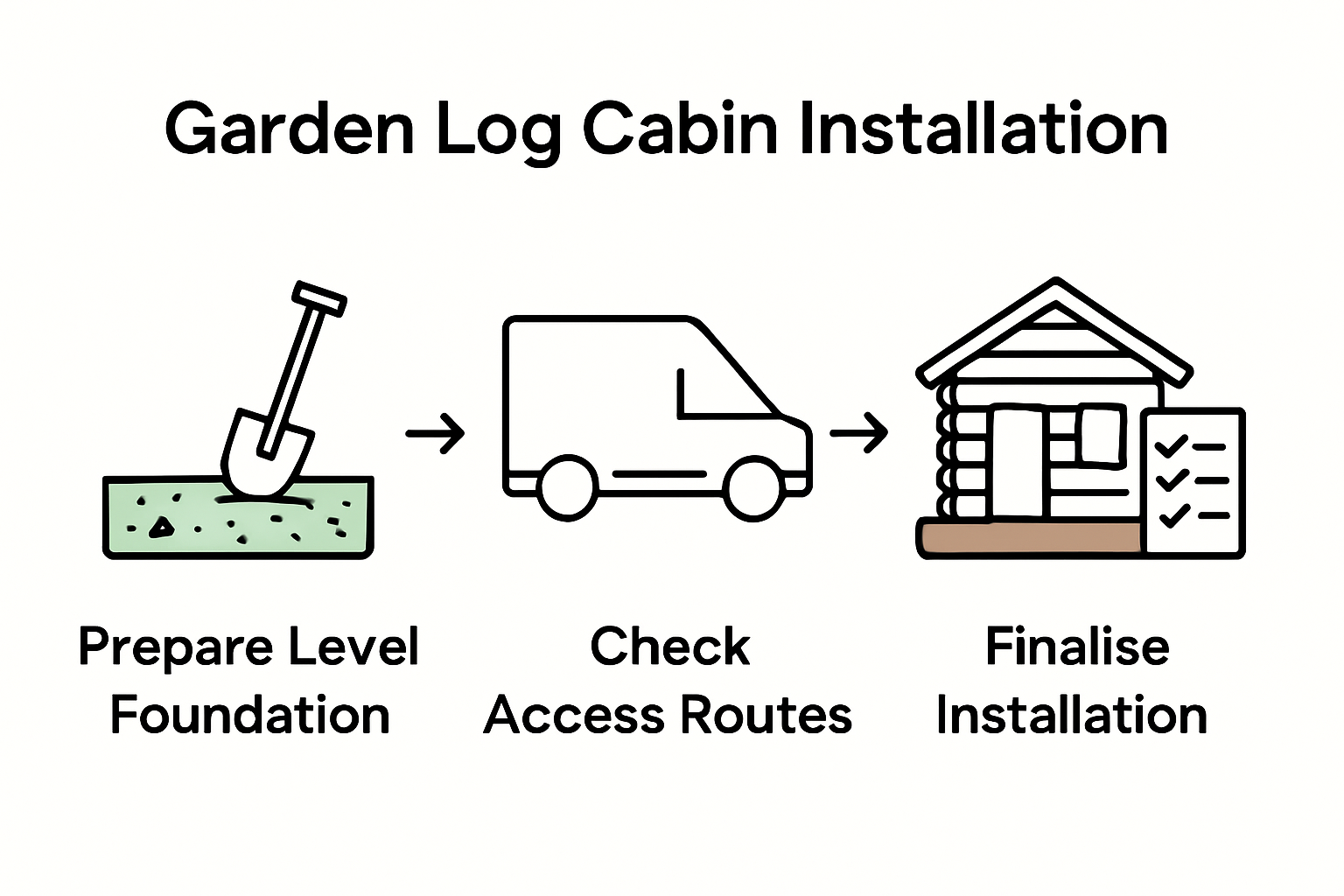
First, assess your garden terrain and prepare the foundation. Most garden log cabins require a level, stable base such as a concrete slab or robust timber frame. Measure the exact dimensions of your chosen cabin and create a foundation that matches precisely allowing approximately 10 centimetres extra on each side for potential adjustments. Check local building regulations regarding permitted development rights, which typically allow structures under 2.5 metres in height without formal planning permission.
Consider practical installation factors like access routes for delivery vehicles, potential need for specialist equipment, and the time of year for installation. Winter months can present challenges with ground conditions and weather unpredictability. Professional installation teams can provide detailed site surveys to identify potential obstacles and ensure your garden log cabin is positioned perfectly within your outdoor space.
Discover Your Ideal Garden Building with Expert Guidance and Custom Options
Choosing the perfect garden building involves careful consideration of space, budget, style and installation needs as outlined in our detailed guide. We understand that finding a bespoke solution that matches your outdoor space while fulfilling your functional and aesthetic goals can feel overwhelming. Key challenges like assessing your garden layout, setting realistic budgets, and navigating planning requirements demand personalised support and quality craftsmanship.
At Log Cabin Kits, we offer a wide range of garden buildings designed to suit diverse tastes and purposes. Whether you want a cosy workspace or elegant relaxation area our custom options allow you to customise finishes, materials and features to perfectly align with your vision. Experience the peace of mind that comes with expert advice and precision installation tailored specifically to your garden’s unique conditions.
Ready to transform your outdoor space into a stunning, functional retreat with confidence? Explore our bespoke garden buildings at Log Cabin Kits, and take the first step towards creating a garden building that truly complements your lifestyle. Visit our website now to find detailed product options and start designing your dream garden cabin today.
Frequently Asked Questions
How do I assess my garden space for a log cabin?
Begin by measuring the total area, width, and length of your garden. Create a simple sketch that includes fixed features like trees and pathways to identify the best location for your log cabin.
What budget should I set for a garden log cabin?
Establish a budget that includes the cost of the log cabin, installation, and any groundwork needed. It’s advisable to set aside an additional 10% for unexpected expenses.
What building styles and materials should I consider?
Choose a building style and materials that compliment your existing garden design and suit your intended use. Consider durable wood types like Siberian Larch, and balance aesthetic appeal with functionality.
How can I customise my garden log cabin?
Personalise your log cabin by selecting interior and exterior finishes that align with your vision. Think about features such as insulation, additional windows, and versatile layouts to enhance its functionality.
What installation requirements should I verify?
Before installation, ensure the foundation is level and stable, matching the dimensions of your log cabin. Check for local building regulations regarding height and permitted structures to avoid complications.
How do I ensure my log cabin will serve my needs long-term?
Consider your intended use for the log cabin, whether for storage, workspace, or relaxation, and plan the size and features accordingly. Think about future needs and opt for flexible design elements that can adapt over time.