
Eco-Friendly Garden Rooms: Sustainable Urban Living
Over 60 percent of British homeowners feel limited by traditional home extensions when trying to live sustainably in the city. For those passionate about eco-friendly living, bespoke garden rooms create fresh opportunities to combine style, comfort, and environmental responsibility right outside the back door. Discover how modern designs, smart materials, and innovative features are transforming urban garden spaces into sustainable sanctuaries across the United Kingdom.
Table of Contents
- Eco-friendly Garden Rooms Defined
- Types And Sustainable Features Available
- Materials, Insulation And Energy Efficiency
- Customisation For Urban UK Homeowners
- Planning Permission And UK Regulations
- Costs, Long-term Savings And Common Pitfalls
Key Takeaways
| Point | Details |
|---|---|
| Eco-friendly garden rooms | These structures utilise sustainable materials and practices to minimise environmental impact and support local ecosystems. |
| Types and features | Key designs include biodiversity rooms and carbon-neutral structures, each serving specific ecological purposes while enhancing urban living. |
| Material and energy efficiency | Selecting responsibly sourced materials and effective insulation methods is crucial for optimising energy performance and durability. |
| Planning and costs | Understanding local regulations and focusing on quality materials can lead to significant long-term savings and reduce potential legal issues. |
Eco-friendly garden rooms defined
Eco-friendly garden rooms represent a sustainable approach to creating functional outdoor living spaces that minimise environmental impact while maximising ecological benefits. These innovative structures are designed to integrate seamlessly with natural surroundings, utilising environmentally conscious materials and construction techniques that support broader sustainability goals.
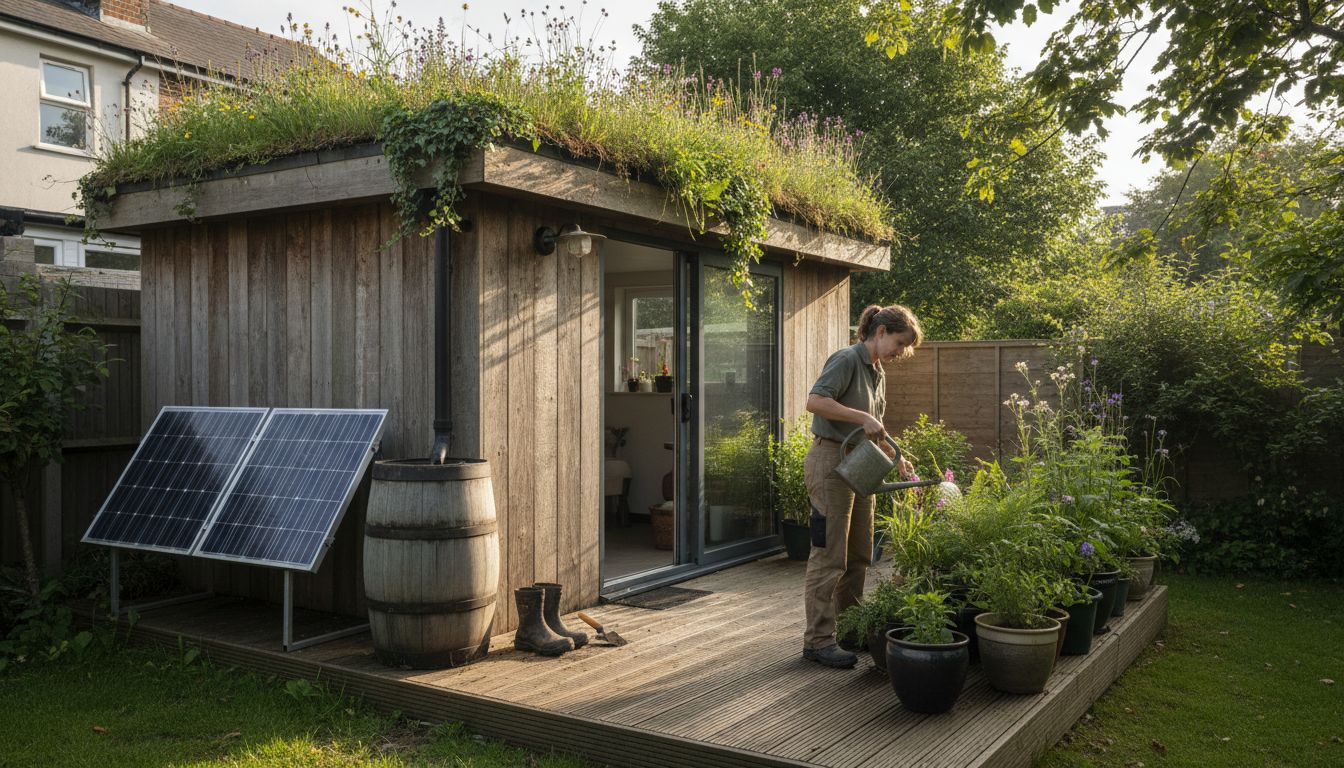
At their core, these garden rooms embody principles of ecological design by promoting biodiversity and reducing carbon footprint. Key characteristics include using responsibly sourced timber, implementing energy-efficient construction methods, and incorporating features that support local wildlife habitats. Sustainable garden rooms often feature:
- Recycled or responsibly sourced building materials
- Natural insulation techniques
- Rainwater harvesting systems
- Green roofing options with native plant species
- Solar panel integration for renewable energy
Moreover, these spaces are not just about construction but about creating holistic environments that connect urban dwellers with nature. By using organic methods and reducing chemical interventions, eco-friendly garden rooms help transform outdoor spaces into mini ecosystems that support local wildlife and contribute to broader environmental conservation efforts.
Garden room tip: Consider incorporating native plant species in your garden room design to maximise local ecological benefits and create a self-sustaining microenvironment.
Types and sustainable features available
Sustainable garden rooms offer a diverse range of designs and features that enable urban dwellers to create environmentally responsible outdoor spaces. These structures go beyond traditional garden buildings by integrating ecological principles into every aspect of their design, from materials selection to functional capabilities.
The primary types of sustainable garden rooms include eco-designed spaces that prioritise local wildlife and carbon reduction. These can be categorised into several distinctive styles:
- Biodiversity Rooms: Specifically designed to support local ecosystems
- Carbon-Neutral Structures: Built with minimal environmental impact
- Food Production Rooms: Integrated growing spaces for urban agriculture
- Renewable Energy Rooms: Equipped with solar panels and energy-efficient systems
- Native Habitat Rooms: Featuring indigenous plant species and wildlife support features
Key sustainable features that distinguish these garden rooms include innovative water management and organic design principles. These might encompass rainwater harvesting systems, green roofs planted with native species, natural timber sourcing, and construction techniques that minimise disruption to existing ecological networks. Advanced designs incorporate passive solar heating, superior insulation made from recycled materials, and structural elements that can be easily dismantled or recycled at the end of their lifecycle.
The following table compares the different types of sustainable garden rooms and their primary ecological benefits:
| Garden Room Type | Primary Aim | Key Ecological Benefit |
|---|---|---|
| Biodiversity Room | Support for local wildlife | Enhanced habitat creation |
| Carbon-Neutral Structure | Reduced emissions | Lower environmental impact |
| Food Production Room | Urban agriculture | Increased food self-sufficiency |
| Renewable Energy Room | Sustainable power generation | Reduced reliance on the grid |
| Native Habitat Room | Indigenous flora/fauna | Improved ecosystem resilience |
Pro gardening tip: Prioritise multi-functional garden room designs that serve ecological purposes while providing practical living and working spaces.
Materials, insulation and energy efficiency
Crafting an eco-friendly garden room demands meticulous attention to materials, insulation, and energy efficiency. The selection of sustainable building components plays a crucial role in creating a structure that minimises environmental impact while maximising thermal performance and comfort.
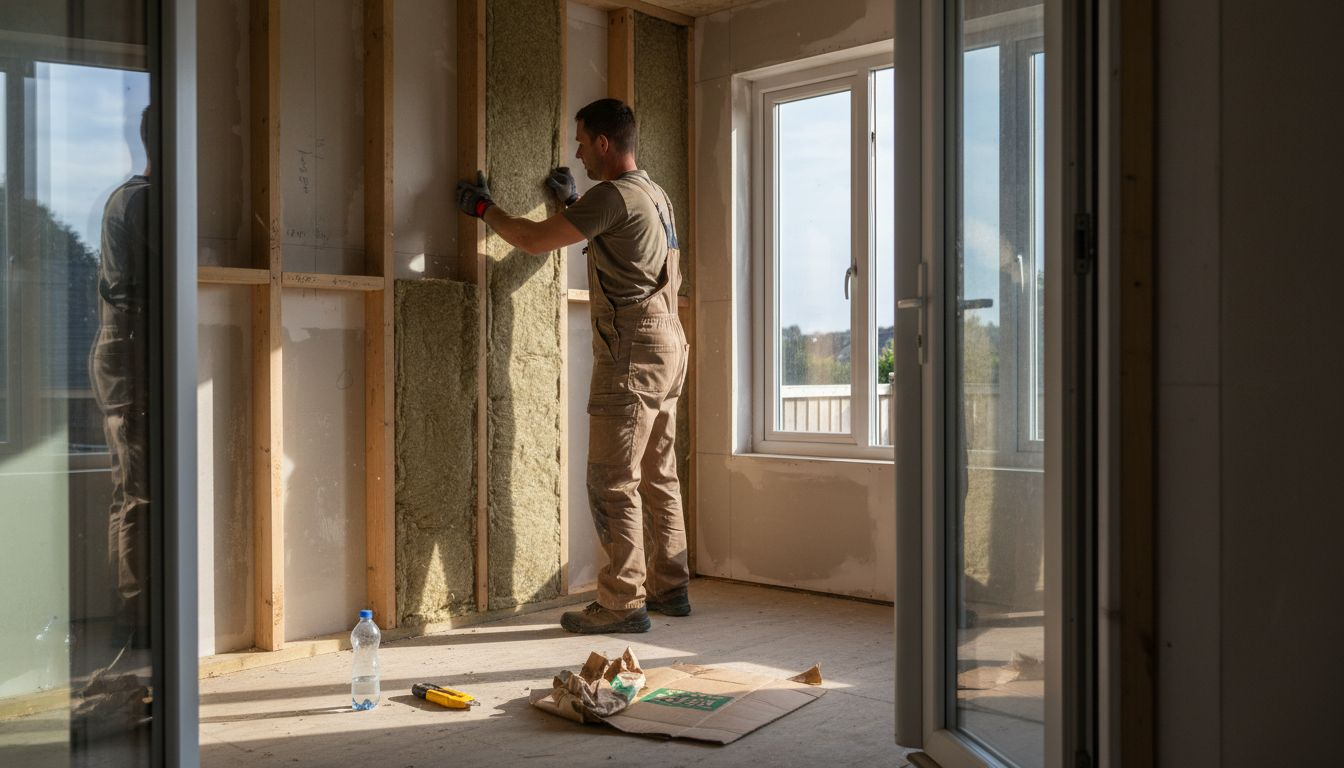
Materials selection forms the foundation of an energy-efficient garden room. Sustainable timber sourced from responsibly managed forests, recycled steel, and low-carbon concrete alternatives provide robust yet environmentally conscious building options. The Great British Insulation Scheme highlights the critical importance of selecting high-performance insulating materials that significantly reduce heat loss and lower energy consumption.
Insulation strategies are paramount in creating an energy-efficient garden room. Advanced options include:
- Natural wool insulation
- Recycled cellulose materials
- Cork-based insulating panels
- Sheep’s wool thermal barriers
- Hemp-based insulation products
Energy efficiency extends beyond insulation to include smart design principles. Double-glazed windows with low-emissivity coatings, strategic solar orientation, and integrated renewable energy systems like photovoltaic panels can transform a garden room into a near-zero energy structure. Thermal mass materials such as clay renders and stone elements can help regulate internal temperatures, reducing reliance on artificial heating and cooling systems.
Here is a summary of how sustainable material and insulation choices affect garden room performance:
| Material/Insulation | Carbon Impact | Energy Efficiency | Durability |
|---|---|---|---|
| Responsibly sourced timber | Low embodied carbon | Good thermal retention | Highly durable |
| Recycled cellulose | Very low emissions | Excellent insulation | Moderately durable |
| Hemp-based insulation | Renewable resource | High thermal mass | Resistant to mould |
| Double-glazed glass | Reduces heat loss | Superior temperature control | Long lifespan |
Pro installation tip: Invest in professional thermal imaging assessment to identify and seal potential heat loss points during your garden room construction.
Customisation for urban UK homeowners
Urban homeowners in the United Kingdom face unique challenges when designing garden rooms, requiring innovative solutions that maximise limited outdoor spaces while meeting strict environmental and aesthetic standards. Customisation becomes a critical strategy for transforming compact urban gardens into functional, sustainable living spaces, enabling residents to create personalised extensions of their homes.
Design considerations for urban garden rooms must address multiple constraints, including space limitations, local planning regulations, and ecological responsibilities. Successful customisation involves strategic approaches such as:
- Vertical gardening techniques
- Multifunctional room layouts
- Integrated storage solutions
- Compact, modular furniture designs
- Flexible interior configurations
Urban garden customisation emphasises organic practices and wildlife integration, transforming small spaces into biodiverse ecosystems. This approach includes incorporating native plant species, creating compact wildlife habitats, and designing spaces that support local pollinators. Clever design strategies like using container gardening, installing green roofs, and implementing water-efficient landscaping can turn even the smallest urban garden room into a sustainable sanctuary.
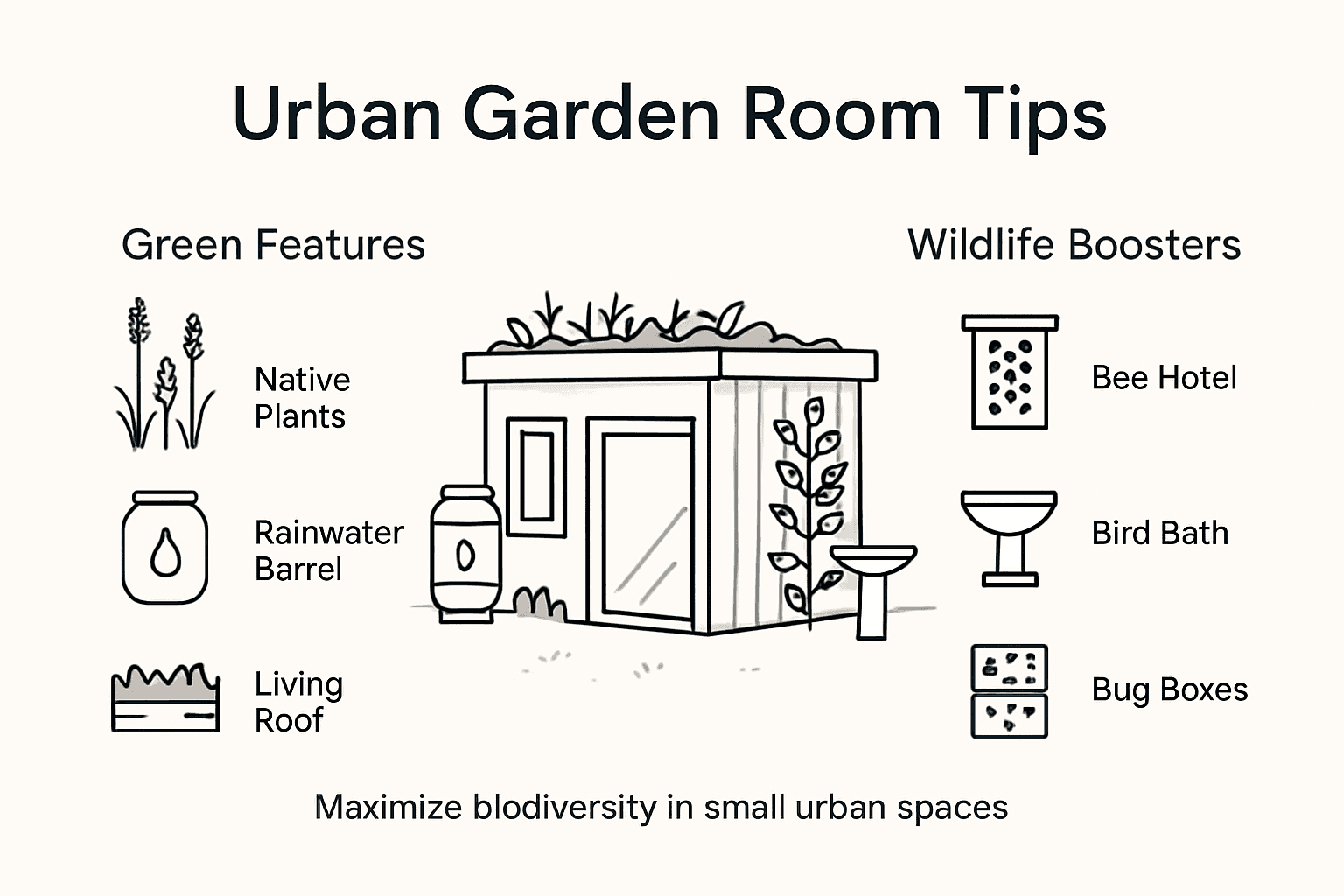
Pro design tip: Prioritise multifunctional design elements that maximise space efficiency and ecological impact in your urban garden room.
Planning permission and UK regulations
Navigating planning permissions for garden rooms in the United Kingdom requires careful understanding of complex local and national regulations. Garden room construction is subject to specific planning guidelines that vary depending on location, size, and intended use, making it essential for homeowners to research their local authority’s specific requirements.
Most garden rooms benefit from permitted development rights, which allow construction without formal planning permission under certain conditions. These conditions typically include:
- Single-storey structure
- Maximum height restrictions (usually 2.5 metres)
- Located to the rear or side of the property
- Does not cover more than 50% of garden area
- Not used as a permanent residence
Local planning regulations can significantly impact garden room construction, with special considerations for conservation areas and listed properties. Urban homeowners must be particularly mindful of additional restrictions in dense residential areas, including potential limitations on building size, materials, and visual impact. Key factors that might require full planning permission include structures exceeding permitted development dimensions, proximity to property boundaries, and potential impact on neighbourhood aesthetics.
Pro planning tip: Always consult your local planning authority and obtain written confirmation of permitted development status before commencing garden room construction.
Costs, long-term savings and common pitfalls
Investing in an eco-friendly garden room requires careful financial planning and understanding of both immediate expenses and long-term economic benefits. Sustainable home improvements can significantly reduce energy bills and household carbon emissions over time, making them a strategic investment for environmentally conscious homeowners.
Initial costs for sustainable garden rooms typically include:
- High-quality sustainable materials
- Professional design and installation
- Energy-efficient technologies
- Ecological landscaping
- Compliance with building regulations
While upfront expenses might seem substantial, long-term savings can be achieved through strategic design and material choices. Common financial pitfalls to avoid include underestimating installation complexity, choosing low-quality materials, and neglecting ongoing maintenance requirements. Homeowners should prioritise a fabric first approach, focusing on energy-efficient design elements that reduce future heating and cooling expenses.
Key considerations for managing costs include thorough research, obtaining multiple quotes, understanding local regulations, and planning for potential future adaptations. Potential savings can be realised through reduced energy consumption, increased property value, and minimised maintenance expenses over the garden room’s lifecycle.
Pro budget tip: Invest in high-quality, sustainable materials and professional installation to maximise long-term financial and environmental returns.
Transform Your Outdoor Space with Sustainable Garden Rooms
Urban living often means limited garden space combined with a growing desire to create eco-friendly retreats that support biodiversity and reduce carbon footprints. If you are aiming to incorporate renewable energy features, use responsibly sourced timber, or design a multifunctional garden room that maximises space while respecting UK planning regulations then exploring bespoke options is essential. These challenges can be overcome with carefully designed garden rooms that blend efficiency, sustainability and style.
Discover how bespoke garden buildings from Log Cabin Kits can help you realise your vision of sustainable urban living. Our customisable solutions allow you to incorporate advanced insulation, native plant integration and renewable energy-ready layouts tailored to your unique garden. Take the next step towards creating an eco-friendly garden sanctuary that delivers long-term energy savings and enhances your property value by visiting Log Cabin Kits today. Explore practical, environmentally conscious options designed specifically for UK homeowners who demand quality and sustainability.
Frequently Asked Questions
What are eco-friendly garden rooms?
Eco-friendly garden rooms are sustainable outdoor living spaces designed to minimise environmental impact while promoting ecological benefits. They utilise responsibly sourced materials, energy-efficient construction methods, and features that support local wildlife habitats.
What sustainable features can I include in my garden room design?
Sustainable features for garden rooms may include recycled or responsibly sourced building materials, natural insulation, rainwater harvesting systems, green roofs with native plants, and solar panels for renewable energy.
How do eco-friendly garden rooms contribute to urban biodiversity?
Eco-friendly garden rooms support urban biodiversity by creating habitats for local wildlife, using native plant species, and integrating features like compact wildlife habitats that encourage pollinators and other beneficial organisms.
Do I need planning permission to build a garden room?
Most garden rooms can be built under permitted development rights, avoiding the need for formal planning permission, provided they meet specific conditions such as height restrictions and location limitations. However, it’s essential to consult local planning regulations to ensure compliance.