
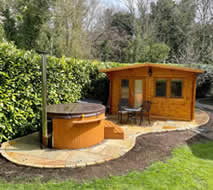
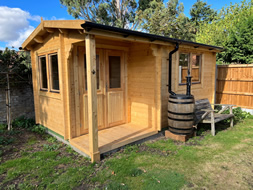

Over 60 percent of British homeowners are now choosing to enhance their outdoor spaces with versatile garden buildings. These structures are no longer just storage sheds but have become central features in modern British gardens, offering everything from home offices to creative retreats. With thoughtful placement and smart design, garden buildings can completely transform the look and function of any outdoor area while blending beautifully with the natural landscape.
Table of Contents
- Landscaping With Garden Buildings Explained
- Types Of Garden Buildings And Their Uses
- Design Strategies For Seamless Outdoor Integration
- UK Planning Rules And Legal Considerations
- Cost Factors And Common Mistakes To Avoid
Key Takeaways
| Point | Details |
|---|---|
| Versatile Extension | Garden buildings can significantly extend living spaces, providing functional areas that blend with the outdoor environment. |
| Strategic Design | Thoughtful placement and material selection are essential for integrating garden buildings into existing landscapes, ensuring harmony with nature. |
| Planning Considerations | Homeowners must understand local planning regulations regarding size, height, and proximity to boundaries to avoid legal complications. |
| Comprehensive Budgeting | It’s vital to consider all cost factors beyond the initial purchase, including installation, site preparation, and long-term maintenance expenses. |
Landscaping With Garden Buildings Explained
Garden buildings have emerged as transformative elements in modern landscape design, offering versatile solutions for extending living spaces beyond traditional home boundaries. These structures provide unique opportunities to reimagine outdoor environments, blending functional practicality with aesthetic sophistication. From compact garden studios to expansive timber workshops, garden buildings enable homeowners to create personalised extensions of their living areas that seamlessly integrate with natural surroundings.
Understanding the principles of landscaping with garden buildings requires a nuanced approach to spatial design and environmental harmony. Botanical landscape integration strategies emphasise the importance of selecting structures that complement existing garden topography and plant life. Successful implementations consider factors like sunlight exposure, vegetation patterns, and the overall visual rhythm of the outdoor space. Garden buildings are not mere standalone structures but integral components of a holistic landscape design that enhances both utility and visual appeal.
The strategic placement of garden buildings can dramatically transform outdoor areas, creating multipurpose zones that serve various functions. These versatile spaces might function as home offices, art studios, recreational retreats, or storage solutions. When thoughtfully positioned, a garden building can act as a visual anchor, drawing the eye and creating interesting perspectives within the landscape. Key considerations include:
- Maintaining clear sightlines and visual connectivity
- Ensuring adequate natural light and ventilation
- Selecting materials that harmonise with existing garden elements
- Creating smooth transitions between built structures and natural environments
By understanding these core principles, homeowners can effectively leverage garden buildings to unlock the full potential of their outdoor spaces, turning underutilised areas into vibrant, functional extensions of their living environment.
Types Of Garden Buildings And Their Uses
Garden buildings represent a diverse range of architectural structures designed to enhance outdoor living spaces, offering multifunctional solutions for modern homeowners. Architectural garden structures range from traditional wooden pergolas to contemporary garden studios, each serving unique purposes and aesthetic requirements. These versatile spaces can transform underutilised garden areas into productive and enjoyable environments that extend living capabilities beyond traditional indoor boundaries.

The most common types of garden buildings include summer houses, garden offices, storage sheds, workshops, and recreational spaces. Garden offices have surged in popularity, providing professionals with dedicated remote working environments that separate home and professional life. Summer houses offer relaxation spaces where individuals can unwind, read, or entertain guests while enjoying direct connections with surrounding landscape. Storage solutions like timber sheds enable homeowners to organise gardening equipment, bicycles, and outdoor accessories efficiently.
When selecting a garden building, homeowners should consider several critical factors:
- Purpose and intended use of the space
- Available garden dimensions and topographical constraints
- Aesthetic compatibility with existing property design
- Desired level of insulation and year-round functionality
- Budget and long-term maintenance requirements
Specialised garden buildings can also serve niche requirements, such as art studios, home gyms, meditation rooms, or children’s playspaces. These tailored structures provide flexible solutions that adapt to changing lifestyle needs, transforming garden spaces into dynamic, multipurpose environments that enhance property value and quality of life.
Design Strategies For Seamless Outdoor Integration
Creating a harmonious relationship between garden buildings and their surrounding landscape requires thoughtful design strategies that go beyond mere aesthetic considerations. Urban domestic garden design emphasises the importance of developing spaces that not only look appealing but also function as integrated ecological systems. Successful outdoor integration demands a holistic approach that considers the interplay between architectural structures, natural elements, and the existing environmental context.
Key design principles for achieving seamless outdoor integration include careful material selection, colour coordination, and strategic positioning. Homeowners should select garden building materials that complement existing landscape features, such as using timber finishes that echo surrounding tree bark or selecting colours that blend with natural vegetation. Positioning is crucial - garden buildings should be situated to create visual dialogue with existing landscape elements, utilising natural contours and avoiding disruption to established garden ecosystems.
The design process involves several critical considerations:
- Maintaining natural sight lines and visual flow
- Selecting materials with environmental sustainability
- Creating smooth transitions between built structures and natural spaces
- Considering seasonal changes and landscape dynamics
- Preserving existing vegetation and ecological patterns
Community garden aesthetic principles further suggest that successful integration is not just about visual harmony but also about creating spaces that promote ecological complexity and social engagement. By approaching garden building design as an opportunity to enhance rather than replace existing landscape characteristics, homeowners can create outdoor spaces that feel both purposeful and naturally embedded in their environment.
UK Planning Rules And Legal Considerations
Navigating the complex landscape of planning regulations for garden buildings requires a comprehensive understanding of local and national legal frameworks. Built environment regulations provide critical guidance for homeowners seeking to enhance their outdoor spaces with architectural structures. Understanding these rules is essential to ensure compliance and avoid potential legal complications that could arise from inappropriate installation or design.
In the United Kingdom, garden buildings typically fall under specific permitted development rights, which vary depending on several key factors. These include the proposed structure’s size, height, location within the property, and proximity to property boundaries. Most garden buildings under 2.5 metres in height can be constructed without formal planning permission, but exceptions exist for properties in conservation areas, listed buildings, or areas with specific architectural heritage considerations.
Key legal considerations for garden building installations include:
- Maximum permitted floor area (typically 50% of garden space)
- Height restrictions for different building types
- Distance from property boundaries
- Materials and design compatibility with local architectural guidelines
- Potential impact on neighbour’s rights and visual amenities
Historic parks and garden regulations further complicate the planning landscape for properties with special historical significance. Homeowners must carefully research local planning constraints, potentially consulting local authorities or professional planning consultants to ensure full compliance with regional and national building regulations. Proactive communication and thorough documentation can help streamline the approval process and prevent potential legal challenges.
Cost Factors And Common Mistakes To Avoid
Purchasing and installing a garden building involves complex financial considerations that extend far beyond the initial purchase price. Garden design perceptions reveal that homeowners often underestimate the total investment required for creating functional and aesthetically pleasing outdoor spaces. Understanding the comprehensive cost landscape is crucial for making informed decisions and avoiding unexpected financial surprises.
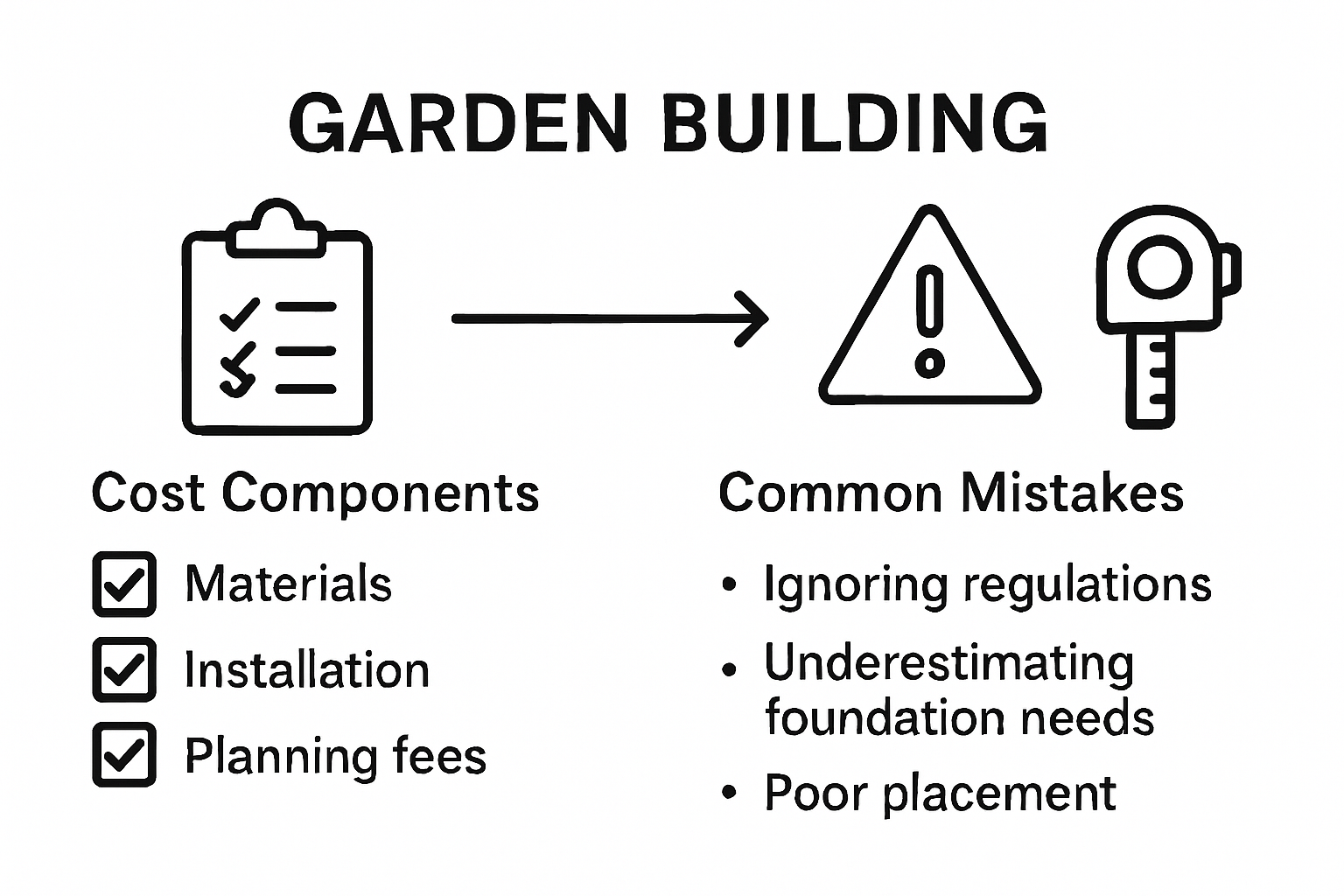
The primary cost factors for garden buildings include materials, construction complexity, site preparation, foundations, and potential additional features like electrical installations or interior finishing. Timber-based structures typically range from £5,000 to £25,000, depending on size, quality, and customisation options. Hidden expenses can quickly accumulate, such as groundwork preparation, drainage considerations, and potential planning permission fees. Homeowners should budget approximately 15-20% above the quoted structure price to accommodate these additional expenses.
Common mistakes to avoid during garden building investment include:
- Neglecting comprehensive site surveys
- Underestimating foundation and ground preparation costs
- Failing to consider long-term maintenance expenses
- Overlooking potential planning and legal compliance requirements
- Choosing low-quality materials to reduce initial expenditure
Smart technology integration strategies further emphasise the importance of holistic planning, highlighting how initial cost-cutting measures can lead to significantly higher expenses in the long term. Experienced homeowners recommend obtaining multiple quotes, conducting thorough research, and consulting professionals to develop a comprehensive financial strategy that accounts for both immediate and future investment requirements.
Transform Your Garden With Bespoke Garden Buildings
Landscaping with garden buildings offers exciting possibilities but also raises challenges such as selecting the right structure to blend naturally with your outdoor space and meeting UK planning regulations. If you want to overcome common pain points like inadequate site preparation, material mismatch, or visual disharmony, a customised garden building can be the perfect solution. Our bespoke options at Log Cabin Kits allow you to create a timber garden building that complements your garden’s natural contours and supports your lifestyle needs, whether that be a home office, studio or relaxing retreat.
Explore our range of customisable garden buildings to design a harmonious extension of your home. Don’t compromise on quality or style when transforming your outdoor space. Visit Log Cabin Kits today to discover how easy it is to bring your landscaping vision to life with expert solutions tailored just for you.
Frequently Asked Questions
What are the different types of garden buildings available?
Garden buildings come in various types, including summer houses, garden offices, storage sheds, workshops, and recreational spaces. Each serves unique purposes, such as creating dedicated workspaces or providing areas for relaxation and storage.
How can I ensure my garden building integrates well with my existing landscape?
To achieve seamless integration, consider using materials and colours that complement your existing garden features, maintaining natural sight lines, and strategically positioning the building to enhance visual flow within the outdoor space.
What legal considerations should I be aware of when installing a garden building?
Key legal considerations include complying with permitted development rights, which can depend on factors such as the building’s size, height, and distance from property boundaries. It’s crucial to check local regulations and possibly consult with local authorities.
What are common mistakes to avoid when investing in a garden building?
Common mistakes include neglecting site surveys, underestimating foundation costs, failing to account for long-term maintenance, overlooking planning permissions, and opting for low-quality materials to cut initial costs.