
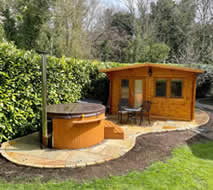
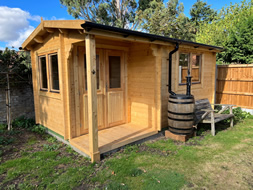
Imagine stepping into your garden and finding not just an outdoor structure, but a functional space that truly adapts to your lifestyle. Garden cabins in the United Kingdom have evolved beyond simple sheds, combining style with versatile usability for modern homeowners. Blending intelligent design, robust materials, and seamless indoor-outdoor connection, these bespoke cabins offer flexible living spaces perfect for a productive home office and a stronger work-life balance.
Table of Contents
- Garden Cabins Explained And Common Myths
- Popular Designs And Bespoke Features In 2026
- Work-From-Home Revolution And Lifestyle Shifts
- Legal Considerations And Planning Requirements UK
- Costs, Value, And Alternatives Compared
Key Takeaways
| Point | Details |
|---|---|
| Versatile Living Spaces | Garden cabins are modern extensions providing multifunctional areas for work, leisure, and creativity, thereby enhancing home usability. |
| Cost-Effectiveness | They represent an economical solution compared to traditional extensions, with lower construction costs and minimal disruption to the existing home. |
| Regulatory Flexibility | Many garden cabins can be installed under permitted development rights, streamlining the planning process for homeowners. |
| Increased Property Value | A well-designed garden cabin can boost market appeal and property value by offering additional functional space that attracts potential buyers. |
Garden Cabins Explained and Common Myths
Garden cabins have transformed from simple storage spaces into versatile living areas for UK homeowners, challenging traditional perceptions about outdoor structures. Far more than basic timber buildings, these modern spaces offer flexibility and functionality that extend home living boundaries.
Understanding garden cabins requires separating fact from fiction. The evolution of garden design reveals how these structures have emerged as contemporary solutions for modern lifestyle needs. Unlike outdated myths suggesting garden buildings are purely utilitarian, contemporary cabins serve multiple sophisticated purposes.
Common misconceptions about garden cabins include:
- They are just oversized sheds
- Garden cabins are expensive and impractical
- Planning permissions make installation impossible
- They decrease property value
- Only suitable for specific garden sizes
In reality, garden cabins represent intelligent home expansion. They provide flexible living spaces that can transform into home offices, art studios, gym rooms, or relaxation zones. Modern designs incorporate sophisticated insulation, electrical systems, and aesthetic considerations that make them genuine extensions of living spaces.
Here is a summary of how common garden cabin myths compare to reality:
| Myth | Reality | Impact on Homeowners |
|---|---|---|
| Oversized sheds | Versatile living spaces | Expands usable living area |
| Too expensive | Flexible price range | Accessible across budgets |
| Hard to get permission | Permitted development rights exist | Streamlined installation process |
| Decreases property value | Can boost market appeal | Attracts potential buyers |
| Only for large gardens | Various size configurations | Fits small and awkward spaces |
Construction quality matters significantly. High-end garden cabins use premium materials like Nordic spruce, engineered timber frames, and double-glazed windows, ensuring durability and thermal efficiency. These are not temporary structures but robust, long-term investments.
The modern garden cabin market has exploded with customisation options. Homeowners can now select:
- Size configurations matching specific garden dimensions
- Architectural styles complementing existing property design
- Interior layouts tailored to personal requirements
- Advanced technological integrations like solar panels and smart home connections
Garden cabins represent more than architectural additions - they’re lifestyle solutions adapting to changing work and leisure patterns.
Pro tip: Before investing, carefully measure your garden space and consult local planning regulations to ensure seamless integration of your new garden cabin.
Popular Designs and Bespoke Features in 2026
The garden cabin landscape in 2026 is experiencing a remarkable transformation, driven by evolving lifestyle needs and technological innovations. Homeowners are increasingly seeking multifunctional garden spaces that seamlessly blend aesthetic appeal with practical utility.
Contemporary garden cabin designs are characterised by their intelligent, adaptable configurations. These structures are no longer simple timber buildings but sophisticated living extensions that reflect individual lifestyle requirements. Modern cabins incorporate cutting-edge features that prioritise comfort, efficiency, and personal expression.
Key design trends for 2026 include:
- Minimalist architectural lines with clean, geometric forms
- Large panoramic windows creating seamless indoor-outdoor connections
- Sustainable materials like recycled timber and eco-friendly composites
- Modular designs allowing flexible interior configurations
- Advanced thermal insulation for year-round usability
- Smart home technology integration
Customisation options have reached unprecedented levels of sophistication. Homeowners can now personalise every aspect of their garden cabin, from structural design to interior finishes. This trend reflects a broader shift towards individualised living spaces that genuinely represent personal taste and functional requirements.
Material innovations are particularly exciting. High-performance timber selections like thermally modified Nordic spruce offer enhanced durability and aesthetic versatility. These materials provide superior resistance to weathering while maintaining natural visual warmth.
Technological integrations are transforming garden cabins into intelligent living spaces:
- Solar panel roof options for sustainable energy generation
- Integrated home office connectivity systems
- Climate control mechanisms with smartphone app management
- Advanced security features with biometric access
Garden cabins in 2026 are not just buildings - they’re personalised lifestyle solutions that adapt to changing work and living patterns.
Pro tip: Consider your long-term lifestyle needs and potential future uses when designing your garden cabin to ensure maximum flexibility and value.
Work-from-Home Revolution and Lifestyle Shifts
The landscape of work and living has undergone a profound transformation, with garden cabins emerging as the quintessential solution for modern professionals seeking sustainable work environments. Remote working has fundamentally reshaped how individuals conceptualise productivity, comfort, and work-life boundaries.
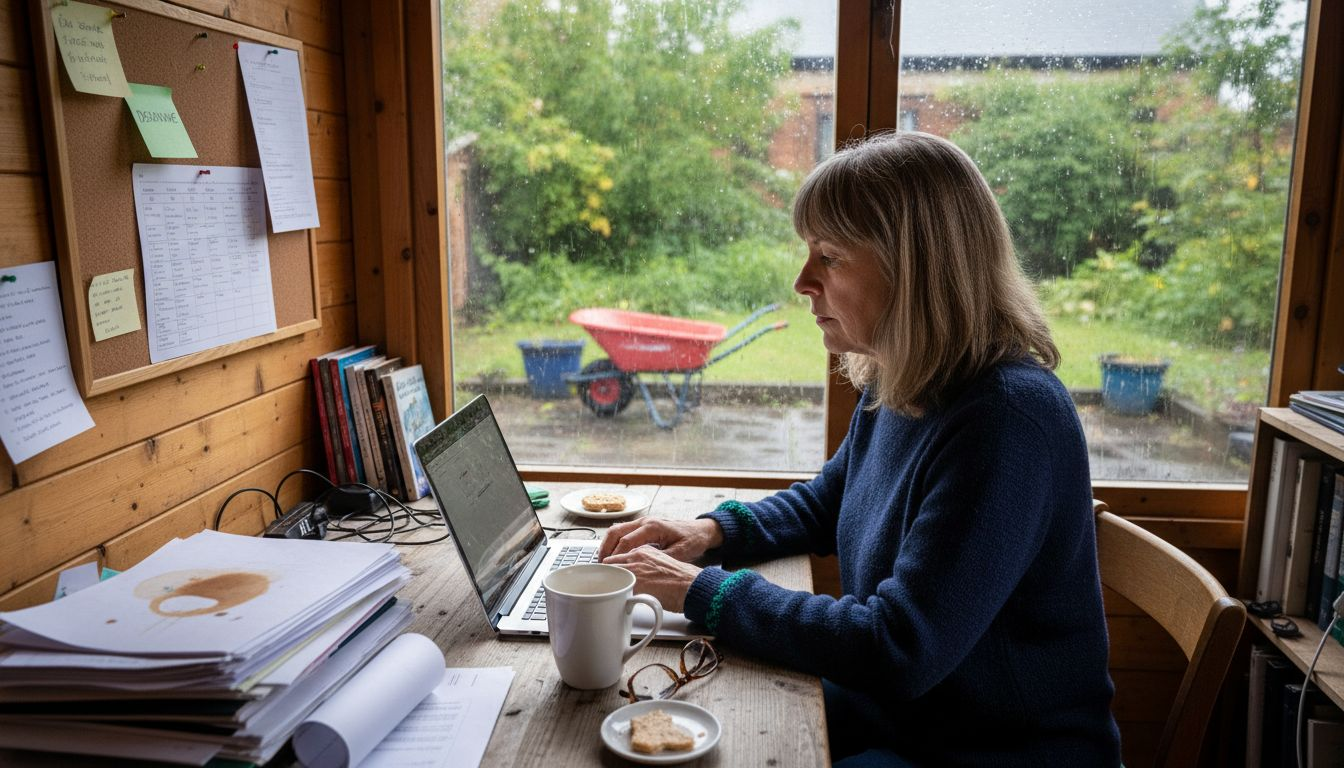
The post-pandemic era has accelerated a dramatic shift in workplace dynamics. Professionals are no longer confined to traditional office settings, instead creating personalised workspaces that blend professional efficiency with personal wellness. Garden cabins represent more than just physical structures - they are sophisticated lifestyle solutions that address complex contemporary needs.
Key benefits of garden cabin home offices include:
- Complete physical separation from domestic distractions
- Reduced commuting time and environmental impact
- Enhanced mental health through nature proximity
- Customisable work environments
- Cost-effective alternative to commercial office rentals
- Increased property value through intelligent spatial design
Psychological boundaries play a crucial role in this transformation. By establishing a physical and mental divide between work and personal spaces, garden cabins help professionals maintain crucial mental wellness and productivity. The ability to ‘commute’ just a few metres while maintaining professional focus represents a revolutionary approach to work organisation.
Technological infrastructure has become integral to these modern workspaces. High-speed internet connections, ergonomic designs, and smart climate control systems transform garden cabins into professional-grade environments that rival traditional office settings.
The evolution of remote work has prompted several significant lifestyle adaptations:
- Redesigning personal and professional spatial concepts
- Prioritising flexible work arrangements
- Investing in home-based productivity infrastructure
- Reimagining work-life integration
Garden cabins are not just buildings - they are adaptive ecosystems supporting modern professional and personal evolution.
Pro tip: Design your garden cabin workspace with both current and potential future professional needs in mind, ensuring maximum long-term flexibility and utility.
Legal Considerations and Planning Requirements UK
Navigating the legal landscape for garden cabins in the United Kingdom requires careful consideration of multiple regulatory frameworks. Homeowners must understand building regulations to ensure their garden cabin project remains compliant and avoids potential legal complications.
The UK’s planning regulations for garden cabins are nuanced, with different requirements depending on the structure’s size, location, and intended use. Permitted development rights provide some flexibility, allowing certain installations without formal planning permission, but these rights come with specific limitations that homeowners must carefully evaluate.
Key legal considerations include:
- Maximum permitted floor area
- Height restrictions for standalone structures
- Distance from property boundaries
- Intended usage (residential vs. auxiliary)
- Impact on neighbouring properties
- Conservation area restrictions
- Listed building constraints
Permitted development rights offer significant advantages for garden cabin projects. These rights typically allow structures under certain dimensions to be built without requiring full planning permission. However, homeowners must be aware that these rights are not unlimited and can vary significantly based on local authority regulations.
Building regulations approval represents a critical legal requirement. Unlike planning permission, this focuses on technical aspects such as structural integrity, fire safety, thermal performance, and electrical installations. Some garden cabins may be exempt, but larger or more complex structures will require detailed compliance checks.
The approval process typically involves several crucial steps:
- Initial site assessment and measurements
- Detailed design documentation
- Submission to local planning authority
- Potential site inspections
- Final certification
Legal compliance is not just about avoiding penalties - it’s about ensuring your garden cabin is safe, sustainable, and valuable.
Pro tip: Always consult your local planning authority early in the process and consider engaging a professional architectural consultant to navigate complex regulatory requirements.
Costs, Value, and Alternatives Compared
The financial landscape for home improvement presents garden cabins as a compelling option for UK homeowners seeking versatile additional space. Home renovation costs demonstrate that garden cabins offer a more economical alternative compared to traditional extensions or property modifications.
Cost considerations extend far beyond initial construction expenses, encompassing long-term value, functionality, and potential property appreciation. Garden cabins represent a strategic investment that balances immediate utility with future financial benefits, providing homeowners with a flexible solution to space constraints.
Comparative cost analysis reveals several key advantages:
- Significantly lower construction costs versus traditional home extensions
- Reduced disruption to existing property infrastructure
- Faster installation timelines
- Lower regulatory compliance expenses
- Potential for immediate functional utility
- Minimal foundation requirements
- Enhanced property marketability
Financial flexibility becomes a critical factor in garden cabin selection. Prices can range dramatically, from budget-friendly prefabricated options to bespoke, high-end architectural designs. Homeowners can select solutions that precisely match their budgetary constraints and aesthetic preferences.
Market value implications are particularly noteworthy. A well-designed garden cabin can potentially increase property value by providing additional functional space that appeals to future buyers. The versatility of these structures - functioning as home offices, studios, or leisure spaces - makes them an attractive feature for potential purchasers.
The following table compares popular UK space-expanding solutions:
| Solution Type | Cost Range | Disruption Level | Added Property Value |
|---|---|---|---|
| Garden cabin | Low to mid | Minimal | Often increases resale appeal |
| House extension | High | Significant | Substantial but costly |
| Conservatory | Moderate | Moderate | May improve but needs upkeep |
| Garage conversion | Moderate | Moderate | Dependent on location and use |
| Loft renovation | High | Major | Usually boosts value strongly |
Alternative space solutions compared:
- Traditional home extension
- Conservatory
- Garage conversion
- Garden cabin
- Loft renovation
Garden cabins represent more than a cost-effective solution - they’re an investment in lifestyle and property potential.
Pro tip: Consider obtaining multiple quotes and factor in long-term utility and potential property value increase when budgeting for your garden cabin project.
Discover Your Perfect Garden Cabin to Enhance Your UK Home
If you have been thinking about extending your living space with a versatile garden cabin but worry about complex planning permissions or high costs discussed in the article, you are not alone. Many UK homeowners face the challenge of finding a flexible, stylish, and affordable solution that fits both their garden size and evolving lifestyle needs. Whether you want a bespoke home office, a creative studio, or a personal retreat, modern garden cabins offer smart functionality combined with elegant design.
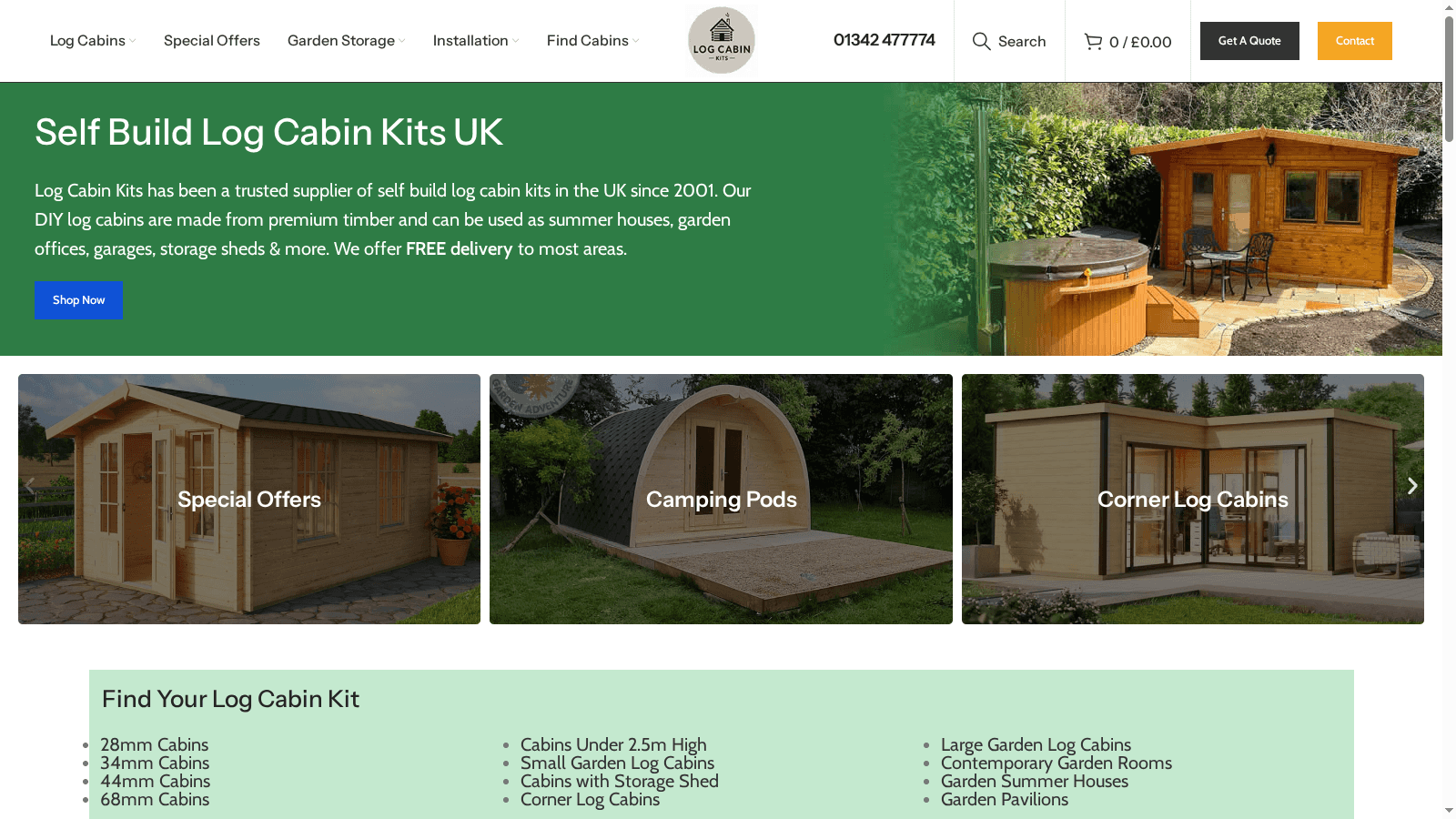
Explore our extensive range at Log Cabin Kits, where each garden cabin can be custom-built to your exact specifications. Enjoy peace of mind with expert guidance through planning and installation, plus materials engineered for durability and thermal efficiency. Don’t wait to transform your outdoor space into a valuable asset that complements your home and enhances your lifestyle now. Visit our landing page to get started and see how easy it is to design your own garden cabin today.
Frequently Asked Questions
What are the main benefits of installing a garden cabin?
Garden cabins offer flexible living spaces that can be used as home offices, art studios, gyms, or relaxation areas, providing an intelligent home expansion solution that enhances property value and function.
Do garden cabins require planning permission?
Many garden cabins fall under permitted development rights, allowing homeowners to build without formal planning permission if they meet specific criteria, but it’s essential to check local regulations.
How do garden cabins compare to traditional home extensions?
Garden cabins are generally more cost-effective, cause less disruption during installation, and offer similar functional benefits compared to traditional home extensions, often increasing property appeal without extensive renovation.
What materials are commonly used in garden cabin construction?
High-quality garden cabins typically use materials like Nordic spruce and engineered timber frames, featuring double-glazed windows for durability and thermal efficiency, ensuring they are robust and long-lasting.