
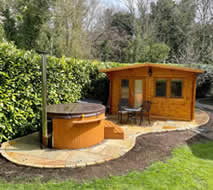
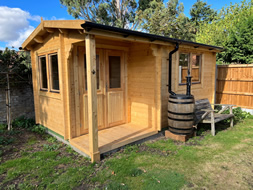
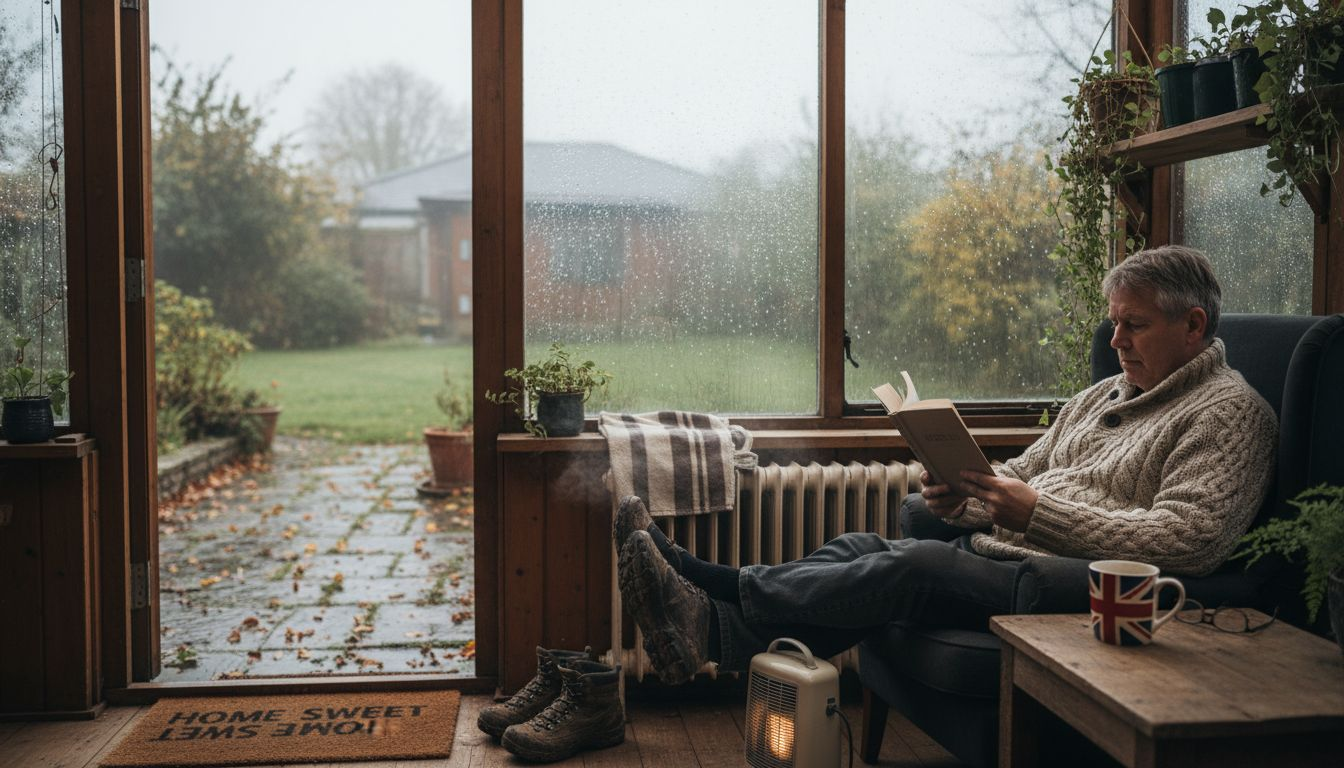
Most British homeowners underestimate how much their garden spaces can transform with the right structure. Thanks to advances in materials and design, modern weatherproof garden rooms withstand the wild mood swings of the British climate and offer year-round comfort. With over 60% of garden building buyers now seeking spaces that serve as more than simple storage, there is growing interest in practical, stylish options that outlast ordinary sheds and redefine what is possible in outdoor living.
Table of Contents
- What Are Weatherproof Garden Rooms
- Variations And Design Options
- Planning And Building Regulation Requirements
- Essential Weatherproofing Features
- Costs, Maintenance And Practical Risks
Key Takeaways
| Point | Details |
|---|---|
| Weatherproof Construction | Weatherproof garden rooms are designed to endure the UK’s unpredictable weather, featuring advanced insulation, waterproofing systems, and durable materials. |
| Planning Considerations | Understanding planning permission requirements is essential; many garden rooms can be constructed without full approvals if they meet certain criteria. |
| Customisation Options | Homeowners can personalise their garden rooms with various sizes, architectural styles, and interior configurations to enhance functionality and aesthetics. |
| Maintenance Requirements | Regular maintenance, including inspections and upkeep of seals and drainage systems, is vital to ensure long-term performance and structural integrity. |
What Are Weatherproof Garden Rooms
Weatherproof garden rooms are standalone structures designed to provide functional, adaptable spaces that withstand the United Kingdom’s unpredictable climate. These purpose-built spaces blend robust construction techniques with intelligent materials to create versatile outdoor buildings that remain comfortable and protected throughout the year. Composite wood garden rooms represent an innovative solution, constructed from a sophisticated blend of 60% recycled wood and 40% polymers that resist environmental challenges.
Unlike traditional garden sheds, weatherproof garden rooms feature comprehensive design elements specifically engineered to repel moisture and maintain interior stability. These structures typically incorporate advanced insulation systems, waterproof roofing membranes, and sealed construction techniques that prevent water ingress, temperature fluctuations, and structural degradation. The key characteristics include:
- Fully sealed exterior cladding
- High-performance thermal insulation
- Robust weatherproofing membranes
- Double-glazed windows with tight seals
- Elevated foundations to prevent ground moisture
The primary objective of a weatherproof garden room is to create a functional space that remains usable throughout different seasons. Whether you’re planning a home office, art studio, or relaxation retreat, these buildings offer protection against rain, wind, and temperature variations. Modern garden room designs have evolved to include sophisticated climate control features that ensure year-round comfort and utility.
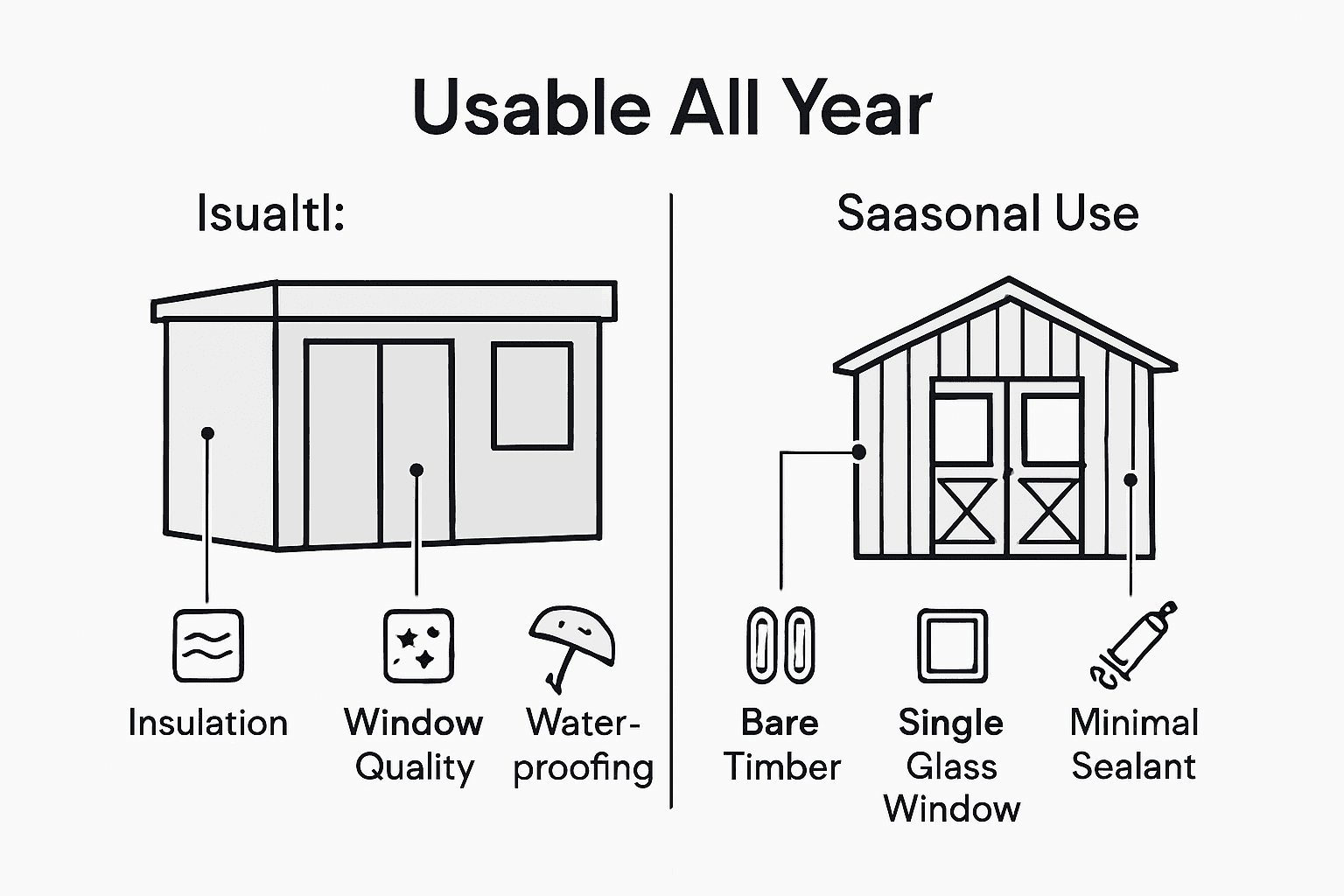
Here is a summary comparing weatherproof garden rooms to traditional garden sheds:
| Aspect | Weatherproof Garden Room | Traditional Garden Shed |
|---|---|---|
| Insulation | Advanced, year-round comfort | Minimal, basic protection |
| Weather Resistance | High, robust against rain and wind | Limited, vulnerable to leaks |
| Typical Use | Office, studio, leisure space | Storage for tools and equipment |
| Structural Materials | Composite, modern engineered panels | Timber or metal, often untreated |
| Regulatory Complexity | Often needs permissions, more regulated | Usually less regulated |
Pro Tip: Waterproofing Wisdom: When selecting a weatherproof garden room, prioritise structures with BBA-certified roofing systems and comprehensive warranty coverage to guarantee long-term performance and protection against environmental challenges.
Variations And Design Options
Weatherproof garden rooms offer an impressive range of design variations to suit diverse aesthetic preferences and functional requirements. Composite wood garden rooms exemplify this flexibility, providing homeowners with extensive customisation options that transform these structures from simple outdoor spaces into personalised retreats. The ability to select specific materials, colours, and architectural styles ensures each garden room becomes a unique extension of your home and personal taste.
The primary design variations typically encompass several key categories:
- Size Options
- Compact units (2m x 2m)
- Medium spaces (3m x 3m)
- Large professional studios (5m x 4m)
- Architectural Styles
- Contemporary minimalist
- Traditional timber frame
- Modern modular designs
- Exterior Finishes
- Natural wood cladding
- Composite panel systems
- Render and paint options
Interior configurations present another significant area of customisation. Modern garden room designs now incorporate sophisticated features like integrated electrical systems, advanced insulation, and multiple window configurations. Homeowners can select bi-folding doors, sliding glass panels, or traditional French doors to create seamless transitions between indoor and outdoor spaces.
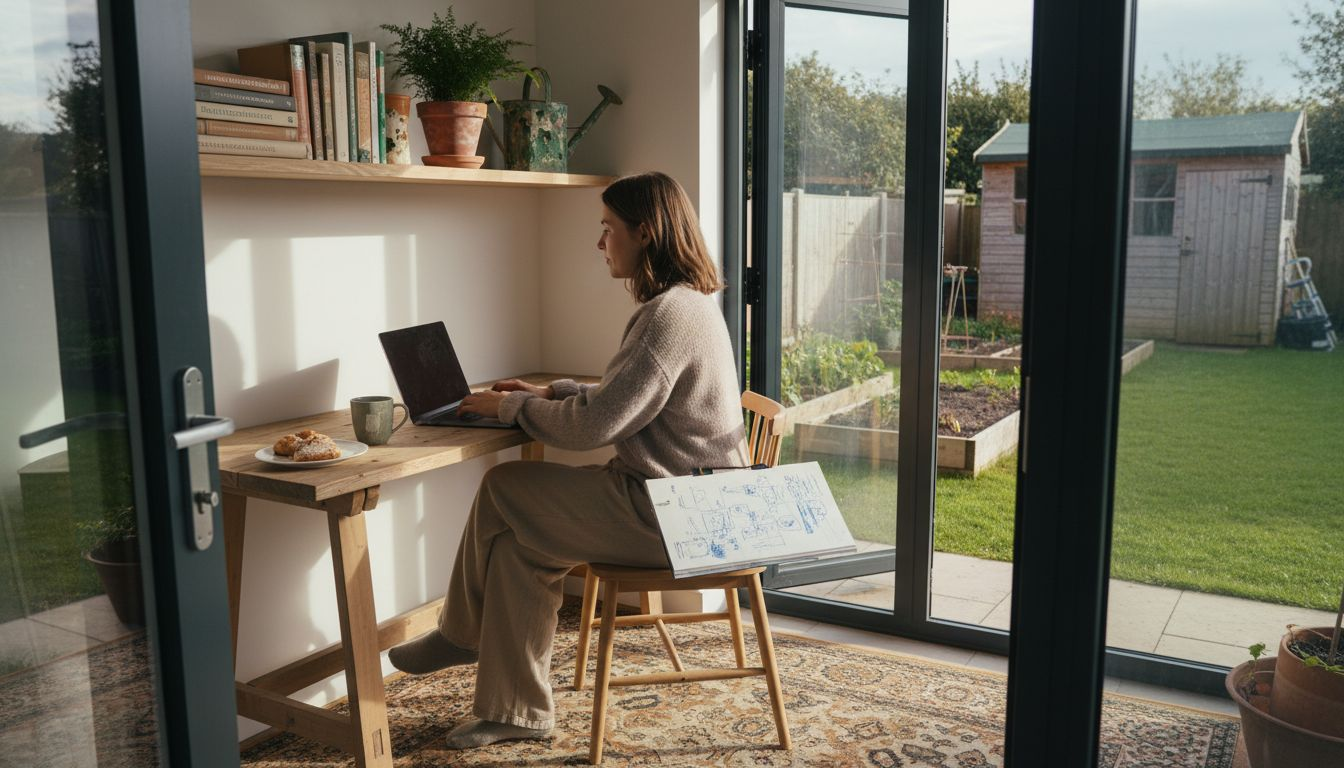
Material selection plays a crucial role in determining the garden room’s performance and aesthetic appeal. Some manufacturers offer specialised composite materials that combine durability with design flexibility, allowing for weather resistance and visual harmony with existing garden landscapes. These options enable homeowners to create structures that are not merely functional but also visually striking additions to their outdoor environments.
Pro Tip: Design Consultation: Always request design samples and mock-ups before finalising your garden room to ensure the chosen style and materials perfectly match your aesthetic vision and practical requirements.
Planning And Building Regulation Requirements
Navigating the legal landscape of garden room construction requires careful consideration of planning permission guidelines specific to United Kingdom regulations. Most garden rooms fall under permitted development rights, which means homeowners can typically construct these structures without obtaining full planning permission, provided they meet specific criteria. The key requirements centre around size, height, and intended usage of the garden room.
The primary parameters for permitted development include:
- Maximum single-storey height of 2.5 metres
- Coverage limited to 50% of the land surrounding the original house
- No sleeping accommodation
- Structure positioned within the curtilage of the existing property
- Distance from property boundaries and main dwelling
Certain scenarios automatically trigger the need for formal planning permission. These include properties located in:
- Conservation areas
- Areas of Outstanding Natural Beauty
- National Parks
- Listed building sites
- Designated World Heritage Sites
Building regulations compliance becomes crucial when garden rooms deviate from standard permitted development conditions. Structures intended for habitation, those exceeding standard size limitations, or rooms with integrated electrical and plumbing systems typically require comprehensive building regulation approval. This process ensures the construction meets safety standards, structural integrity requirements, and thermal efficiency regulations.
Local planning authorities maintain significant discretion in interpreting these guidelines, making it essential to consult your specific council before commencing construction. Each local authority may have nuanced interpretations of permitted development rights, and some may require additional documentation or have more stringent requirements based on local architectural conservation goals.
The table below offers an at-a-glance overview of common planning and building regulation scenarios for garden rooms:
| Scenario | Planning Permission Needed | Building Regulations Apply |
|---|---|---|
| Under 2.5m, no sleeping use, within curtilage | Rarely required | Not usually, unless electrics |
| Conservation area or listed building | Often required | Always if living space or large |
| Intended for home office with plumbing | Sometimes required | Likely needed |
| Exceeds 50% garden coverage or >2.5m height | Required | Required |
Pro Tip: Permission Preparation: Always contact your local planning department for a free pre-application consultation to confirm exact requirements and potentially save time and money during your garden room project.
Essential Weatherproofing Features
Creating a truly weatherproof garden room requires a comprehensive approach to material selection and structural design. Composite wood garden rooms represent the pinnacle of modern weatherproofing technology, incorporating advanced materials that protect against moisture, temperature fluctuations, and environmental degradation. The goal is to create a structure that remains comfortable, functional, and structurally intact throughout the unpredictable British climate.
The critical weatherproofing features include:
- Foundation Protection
- Elevated base construction
- Damp-proof membranes
- Ventilated substructure
- Exterior Shielding
- BBA-certified waterproof roofing
- Sealed exterior cladding
- Water-resistant composite materials
- Thermal Management
- High-performance insulation
- Thermal break technologies
- Draught-proof sealing systems
Moisture management represents a particularly crucial aspect of garden room weatherproofing. Proper design must address multiple potential entry points for water, including ground moisture, rainfall, and condensation. Building resilience strategies emphasise the importance of creating multiple layers of protection, incorporating advanced materials that actively repel and redirect moisture while maintaining breathability.
Window and door interfaces demand special attention in weatherproofing design. These potential weak points require precision engineering, including multi-point locking systems, compression seals, and thermally broken frames that prevent heat loss and water infiltration. Advanced garden rooms now incorporate intelligent design features like integrated drainage channels, silicon-based sealants, and graduated exterior surfaces that actively direct water away from critical structural components.
Pro Tip: Moisture Defence: Conduct an annual inspection of your garden room’s exterior seals and drainage systems, paying special attention to window and door interfaces, to prevent potential water ingress and maintain long-term structural integrity.
Costs, Maintenance And Practical Risks
Garden room costs represent a significant investment that varies dramatically depending on design complexity, materials, and intended usage. Entry-level wooden structures might start around £600, while sophisticated, fully insulated garden rooms can reach up to £50,000. Homeowners should anticipate not just initial construction expenses but also ongoing maintenance and potential utility cost implications.
The primary cost categories include:
- Initial Construction
- Basic materials
- Foundation preparation
- Labour costs
- Design and planning fees
- Ongoing Expenses
- Annual maintenance
- Potential utility upgrades
- Insurance considerations
- Potential repair work
Maintenance represents a critical aspect of garden room ownership, directly impacting long-term structural integrity and performance. Regular inspections are essential to identify potential issues such as moisture ingress, structural settling, or material degradation. Typical maintenance activities include:
- Checking and replacing exterior sealants
- Inspecting roof and foundation integrity
- Cleaning and treating wooden surfaces
- Monitoring electrical and plumbing systems
- Ensuring proper drainage around the structure
Practical risks extend beyond financial considerations, encompassing regulatory and structural challenges. Potential complications include planning permission disputes, building regulation non-compliance, and unexpected structural maintenance requirements. Homeowners must remain vigilant about local council regulations, ensuring their garden room meets all necessary legal and safety standards.
Pro Tip: Financial Foresight: Always budget an additional 15-20% above the initial quote for unexpected maintenance and potential modifications to your garden room project.
Discover Your Perfect Weatherproof Garden Room Solution Today
Are you ready to transform your outdoor space into a fully weatherproof garden room that combines durability with style and year-round comfort? Balancing advanced insulation, moisture defence, and bespoke design options can feel overwhelming, but our expert range at Log Cabin Kits is carefully curated to meet these exact challenges. Whether you need a compact office, a spacious studio, or a relaxing retreat, our selection includes high-performance materials and weatherproof features designed to withstand the unpredictable United Kingdom climate.
Explore customisable garden rooms that prioritise thermal efficiency, elevated foundations, and sealed construction to keep your space cosy and protected. Start your effortless journey now by visiting Log Cabin Kits and see how easy it is to create a durable, attractive outdoor building. Don’t wait until the next rainy day to future-proof your garden room. Act today to secure comfort and style all year round.
Frequently Asked Questions
What are weatherproof garden rooms?
Weatherproof garden rooms are standalone structures designed to provide versatile outdoor spaces that can withstand various weather conditions. These buildings are constructed with advanced materials and insulation techniques to ensure they remain comfortable and functional throughout the year.
How do weatherproof garden rooms compare to traditional garden sheds?
Weatherproof garden rooms offer advanced insulation, high weather resistance, and are intended for various uses such as offices or studios, while traditional garden sheds primarily serve as storage spaces and generally lack sophisticated weatherproofing features.
What are some essential features to look for in a weatherproof garden room?
Key features include fully sealed exterior cladding, high-performance thermal insulation, robust waterproofing membranes, double-glazed windows, and elevated foundations to protect against moisture and temperature fluctuations.
Do I need planning permission to build a weatherproof garden room?
Most weatherproof garden rooms fall under permitted development rights, allowing construction without full planning permission, provided they meet specific criteria regarding size, height, and intended use. However, it’s essential to check with local authorities for any unique regulations.