
Most british homeowners want outdoor spaces that truly reflect their needs, yet settle for generic sheds that rarely fit the bill. Custom garden sheds provide a unique solution, letting you choose every detail from materials to layout and features. With over 40 percent of UK buyers now favouring bespoke options, these tailored buildings deliver both style and practicality. Discover how investing in a custom shed can transform your garden and add long-term value to your property.
Table of Contents
- Defining Custom Garden Sheds in the UK
- Popular Shed Styles and Personalisation Options
- Design Features and Material Choices Explained
- UK Planning Permission and Legal Regulations
- Budgeting, Installation, and Maintenance Considerations
Key Takeaways
| Point | Details |
|---|---|
| Customisation Options | Homeowners can tailor garden sheds with various design parameters such as size, style, and materials to fit specific needs. |
| Material Selection | Choices range from pressure-treated timber to premium options like cedar, affecting durability and maintenance requirements. |
| Planning Regulations | While many garden sheds fall under permitted development rights, specific conditions must be met to avoid legal issues. |
| Budgeting and Maintenance | Consider the full financial implications including installation, additional features, and ongoing maintenance for the shed’s longevity. |
Defining Custom Garden Sheds in the UK
A custom garden shed represents a personalised outdoor storage solution tailored precisely to individual homeowner requirements. Unlike standard off-the-shelf structures, these bespoke buildings offer unprecedented flexibility in design, materials, and functionality. Homeowners can create garden sheds that seamlessly integrate with their landscape, match architectural aesthetics, and fulfil specific storage or workspace needs.
In the UK garden building market, custom garden sheds typically involve selecting from multiple design parameters including size, roof style, cladding material, and additional features. These personalised structures range from compact 2m x 2m utility spaces to expansive 4m x 4m multipurpose workshops. The defining characteristic is the ability to modify standard designs to suit unique garden layouts and personal preferences.
Custom garden sheds differ fundamentally from mass-produced alternatives by offering comprehensive design flexibility across critical dimensions. Homeowners can specify exact measurements, choose premium timber grades, select specialised roofing materials, and incorporate bespoke features like integrated workbenches, skylights, or enhanced security systems. This level of customisation ensures that garden sheds are not merely storage solutions, but extensions of personal living spaces that enhance property functionality and aesthetic appeal.
Popular Shed Styles and Personalisation Options
UK garden shed styles have evolved dramatically, offering homeowners unprecedented design flexibility. Contemporary garden buildings now range from traditional wooden constructions to modern modular designs that seamlessly blend functionality with aesthetic appeal. Personalisation options have expanded to include multiple architectural styles, each catering to different aesthetic preferences and practical requirements.
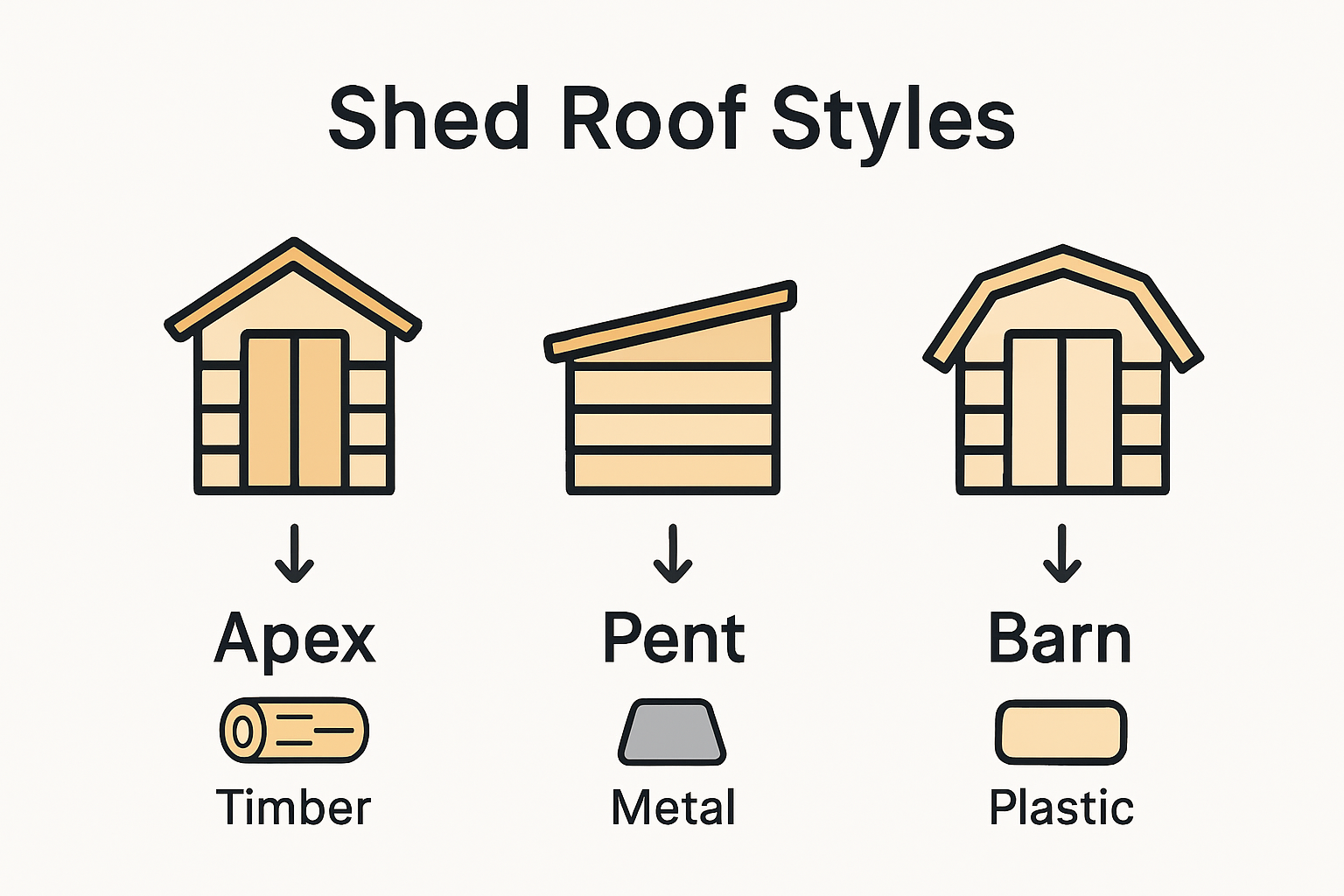
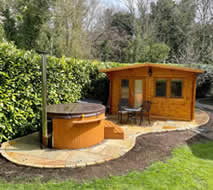
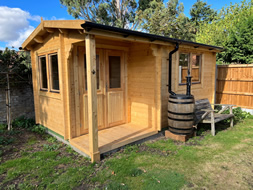
The most popular shed styles in the UK typically include classic apex roof designs, contemporary pent roof structures, and traditional log cabin configurations. Each style offers unique advantages: apex roofs provide excellent water drainage, pent roofs create a sleek minimalist look, and log cabin styles deliver robust timber construction. Personalisation options extend beyond basic architectural choices, allowing homeowners to customise everything from external cladding materials to interior configurations.
Material selection remains a critical aspect of shed personalisation, with options ranging from pressure-treated softwoods to premium cedar and engineered timber composites. Homeowners can select exterior colours, choose specific window placements, add bespoke door configurations, and incorporate additional features like integrated shelving, electricity connections, and enhanced security mechanisms. These comprehensive personalisation options transform garden sheds from mere storage spaces into versatile outdoor rooms that reflect individual lifestyle needs and aesthetic sensibilities.
Design Features and Material Choices Explained
Custom garden shed design features represent a sophisticated blend of functionality and aesthetic precision. Modern UK homeowners increasingly demand structures that transcend traditional storage solutions, seeking multifunctional spaces that complement their garden’s architectural language. The design process involves carefully considering spatial requirements, material durability, and visual integration with existing landscape elements.
Structural design options play a crucial role in determining a shed’s overall performance and appearance. Key design features typically include roof pitch, wall thickness, foundation type, and window placement. Comprehensive design flexibility allows homeowners to create truly bespoke outdoor buildings that reflect personal style while meeting practical storage and workspace needs. Roof styles range from classic apex and pent configurations to more contemporary flat and curved designs, each offering distinct advantages in water drainage, interior headroom, and visual appeal.
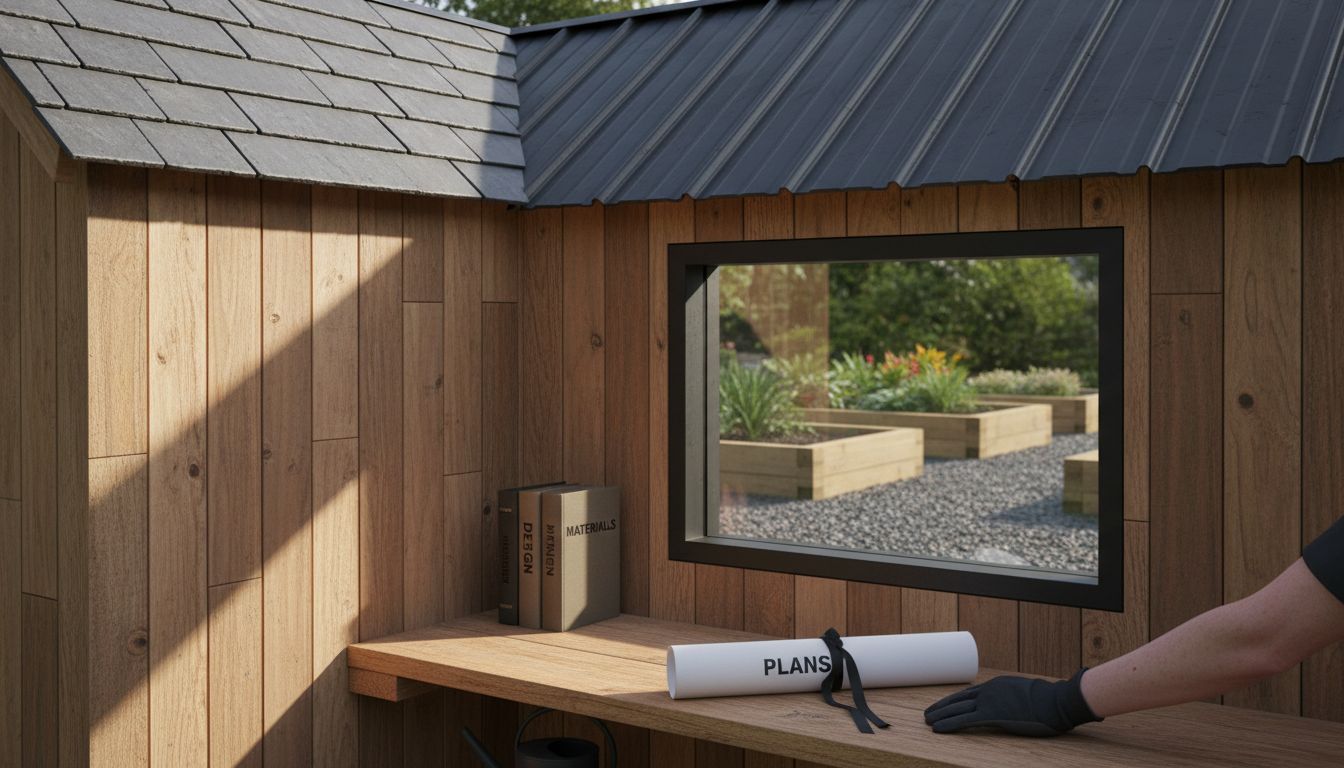
Material selection represents another critical dimension of custom garden shed design. Homeowners can choose from an extensive range of timber types, including pressure-treated softwoods, premium cedar, larch, and engineered composite materials. Each material brings unique characteristics: cedar offers natural weather resistance, pressure-treated timber provides enhanced durability, and composite materials deliver low-maintenance solutions with superior longevity. Advanced design options now include options for integrated electrical systems, enhanced insulation, security features, and modular interior configurations that transform these structures from simple storage spaces into versatile outdoor rooms.
UK Planning Permission and Legal Regulations
Navigating the legal landscape of garden shed construction requires careful understanding of UK planning regulations. Homeowners must recognise that while many garden structures fall under permitted development rights, specific conditions must be meticulously observed to avoid potential legal complications. The complexity of these regulations demands a nuanced approach to garden building projects.
Planning permission requirements for garden sheds can vary significantly depending on several critical factors. According to UK regulations, garden sheds are typically considered permitted development if they meet specific criteria: the structure must be single-storey, with a maximum eaves height of 2.5 metres, and positioned strategically within the property boundaries. Permitted development guidelines indicate that garden buildings should not cover more than 50% of the garden area, and must be positioned carefully to avoid potential boundary disputes.
Crucial legal considerations extend beyond simple dimensional restrictions. Homeowners must carefully evaluate additional factors such as the shed’s proximity to property boundaries, total floor area, and intended usage. Structures intended for sleeping accommodation or commercial purposes invariably require formal planning permission. Local council regulations can introduce further nuanced requirements, making it essential to consult local planning authorities before commencing any garden building project. Professional consultation can help navigate the complex landscape of permitted development rights, ensuring complete compliance with local and national building regulations.
Budgeting, Installation, and Maintenance Considerations
Budgeting for a custom garden shed involves careful financial planning and understanding the comprehensive costs beyond the initial purchase price. Homeowners must consider multiple financial aspects, including materials, labour, site preparation, potential additional features, and long-term maintenance requirements. The total investment can vary significantly depending on the complexity of design, chosen materials, and specific customisation options.
Installation considerations demand meticulous attention to detail, with critical factors including ground preparation, foundation requirements, and precise positioning. Proper site selection involves assessing ground levelness, drainage conditions, and proximity to existing structures. Homeowners should budget for potential additional expenses such as professional ground levelling, concrete base installation, or specialised foundation work. Preparation costs can range from modest DIY solutions to more substantial professional interventions, depending on the specific garden landscape and shed design.
Maintenance represents a crucial ongoing investment in preserving the shed’s structural integrity and aesthetic appeal. Different timber types and construction materials require varying levels of care, with some demanding annual treatments and others offering more low-maintenance solutions. Regular maintenance tasks typically include wood treatment, checking for potential water damage, examining structural joints, and addressing any signs of weathering or wear. Comprehensive maintenance strategies help extend the shed’s lifespan and protect the initial investment, ensuring the structure remains functional and visually appealing for many years.
Discover Your Perfect Custom Garden Shed Today
Designing a bespoke garden shed that truly fits your space and lifestyle can feel overwhelming with all the choices around size, style, materials and legal rules. Many homeowners struggle to balance personalisation needs with practical issues like planning permission and long-term maintenance. This guide highlights how a custom garden shed can transform your outdoor space while meeting your exact requirements.
Turn this vision into reality with Log Cabin Kits where you can explore a wide range of customisable garden buildings designed for flexibility, durability and style. Whether you seek detailed design advice, installation support or robust materials tailored for UK weather, our expert team is ready to help you avoid common pitfalls and build the perfect shed. Start creating your dream garden shed now—visit Log Cabin Kits and unlock bespoke garden solutions designed with you in mind.
Frequently Asked Questions
What are custom garden sheds?
Custom garden sheds are personalised outdoor storage solutions designed to meet specific homeowner requirements. They offer flexibility in design, materials, and functionality, allowing homeowners to create sheds that blend seamlessly with their landscape and fulfil unique storage or workspace needs.
What styles are available for custom garden sheds?
Popular styles of custom garden sheds include classic apex roof designs, contemporary pent roof structures, and traditional log cabin configurations. Each style offers distinct advantages, such as water drainage, a minimalist appearance, or solid timber construction, catering to various aesthetic and practical preferences.
Popular styles of custom garden sheds include classic apex roof designs, contemporary pent roof structures, and traditional log cabin configurations. Each style offers distinct advantages, such as water drainage, a minimalist appearance, or solid timber construction, catering to various aesthetic and practical preferences.
Many custom garden sheds fall under permitted development rights and do not require planning permission, provided they meet specific criteria such as size and positioning. However, sheds intended for sleeping accommodation or commercial use typically do require formal planning permission. It’s essential to consult local planning authorities before construction.
What should I consider for the maintenance of my custom garden shed?
Maintenance for a custom garden shed includes tasks such as wood treatment, checking for water damage, and inspecting structural components. The level of maintenance varies by materials used, with some types requiring annual treatments while others are more low-maintenance. Regular care helps extend the shed’s lifespan and preserves its appearance.