
Over 40 percent of British homeowners now consider adding a separate garden room to expand their living space. The appeal goes far beyond traditional sheds, especially as more people rethink how to balance home comforts with outdoor living. If you are curious about the real differences, key features, and surprising misconceptions about modern garden rooms, this guide will help you understand why these innovative spaces are changing British homes.
Table of Contents
- Defining Modern Garden Rooms And Misconceptions
- Types Of Modern Garden Rooms In The UK
- Key Features And Customisation Options
- Planning Permission And Building Regulations
- Cost Factors, Installation, And Maintenance
Key Takeaways
| Point | Details |
|---|---|
| Modern Garden Rooms Redefine Spaces | These structures are sophisticated extensions of living areas, offering diverse functionalities beyond that of traditional garden sheds. |
| Customisation Options Enhance Usability | Homeowners can personalise every aspect, from cladding materials to interior layouts, to suit their specific needs and preferences. |
| Planning and Regulations Are Crucial | Understanding local planning permissions and building regulations ensures compliant construction, preventing potential legal issues. |
| Costs Involve Multiple Factors | The financial investment varies significantly based on size, material choice, and features, with a wide range from basic to bespoke installations. |
Defining Modern Garden Rooms and Misconceptions
Modern garden rooms represent a revolutionary approach to home extension and personal space design, offering homeowners a flexible solution that blends indoor comfort with outdoor aesthetics. These versatile structures are far more than simple sheds or basic outdoor buildings - they are sophisticated, purpose-built spaces that can transform how you utilise your garden and extend your living area.
Contrary to popular misconceptions, modern garden rooms are not one-size-fits-all constructions. They represent a nuanced architectural solution that can serve multiple purposes, from home offices and creative studios to relaxation spaces and guest accommodations. Modern garden studios have evolved dramatically, incorporating advanced design principles that prioritise functionality, thermal efficiency, and aesthetic harmony with existing landscapes.
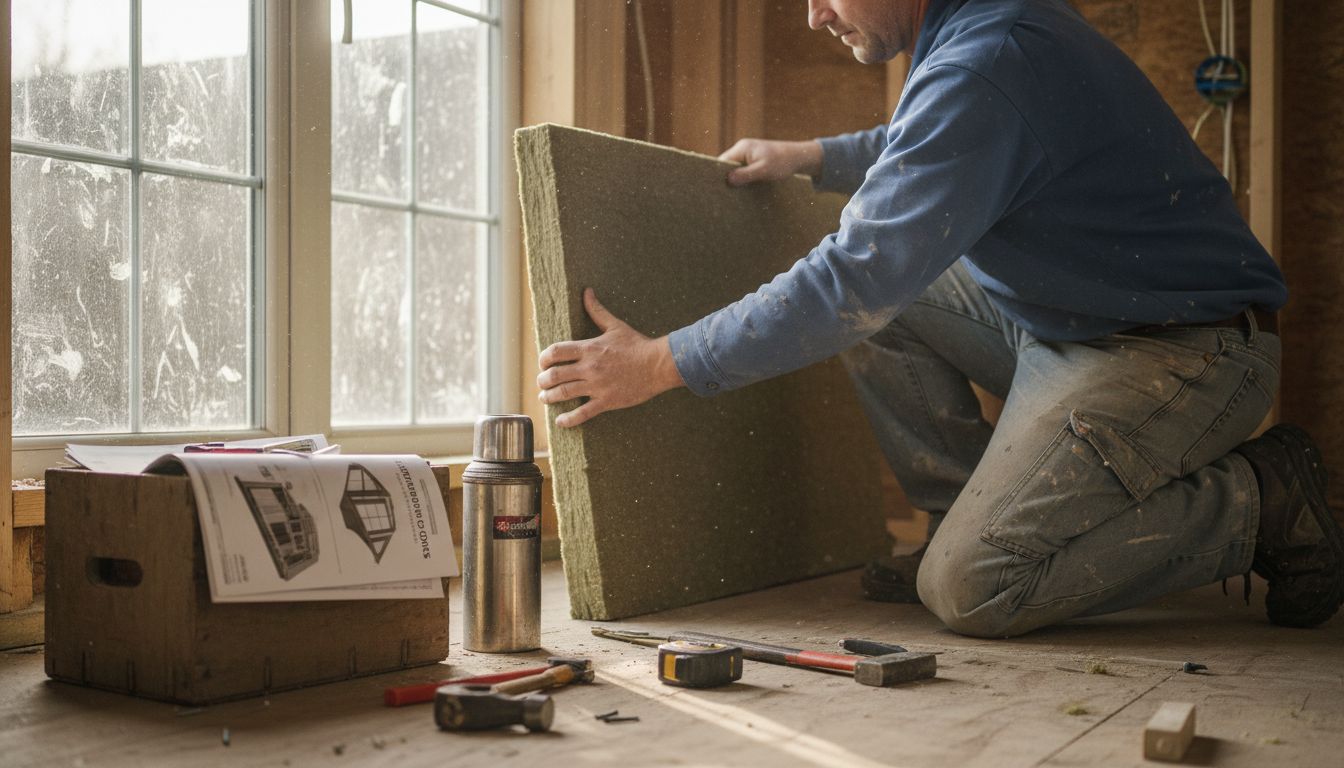
The key characteristics that distinguish modern garden rooms include their modular design, high-quality insulation, and seamless integration with surrounding garden environments. Thermal performance is particularly crucial, with contemporary garden rooms engineered to provide year-round usability. Unlike traditional garden structures, these spaces are constructed using advanced materials and techniques that ensure comfortable temperatures, effective soundproofing, and minimal environmental impact. Insulated garden rooms demonstrate how technology and design can create adaptable living spaces that extend well beyond conventional outdoor building expectations.
Types of Modern Garden Rooms in the UK
Modern garden rooms in the United Kingdom encompass a diverse range of architectural styles and functional designs, each tailored to meet specific homeowner needs and preferences. Bespoke garden rooms have emerged as a particularly popular category, offering customisable solutions that can seamlessly integrate with various property types and garden landscapes.
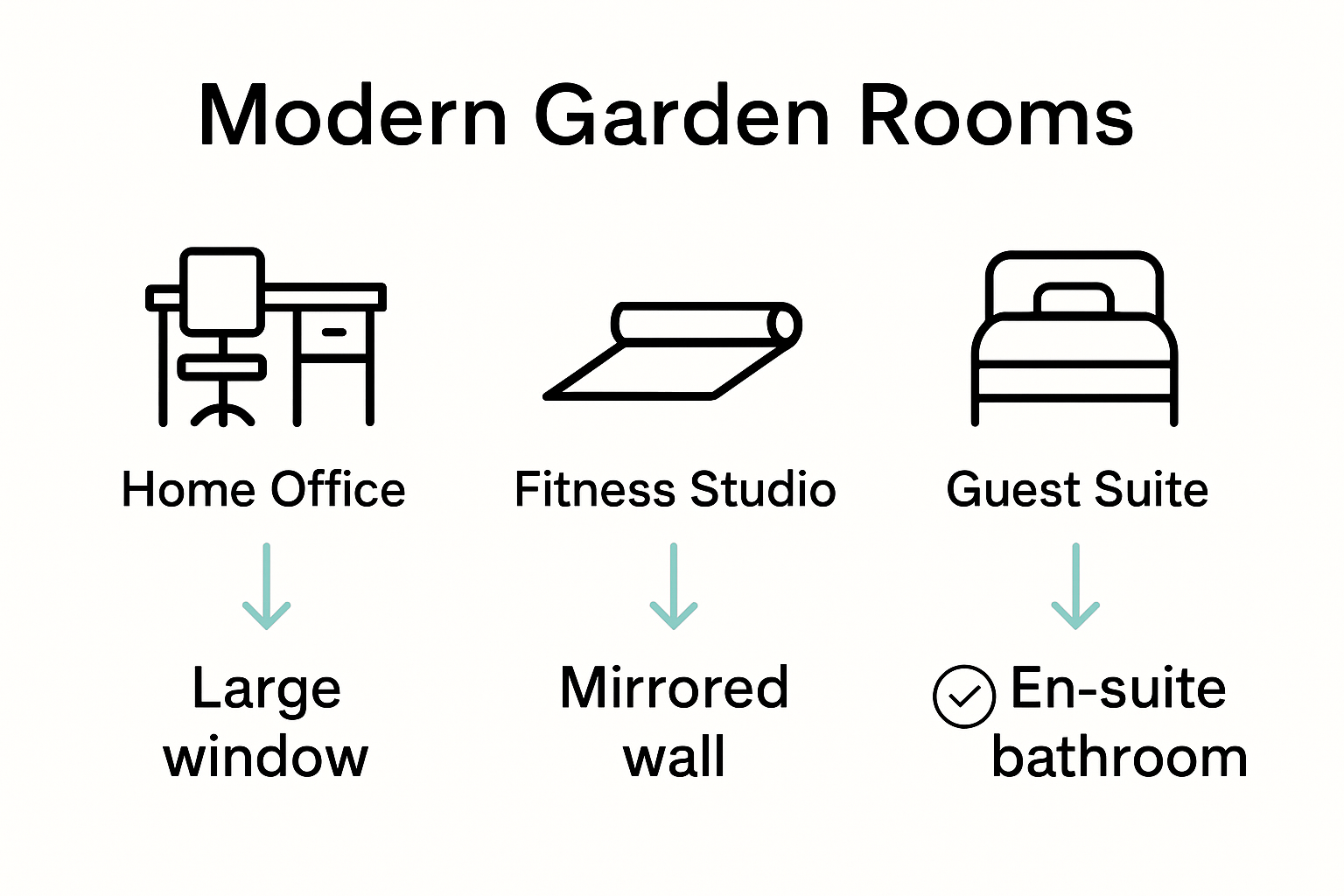
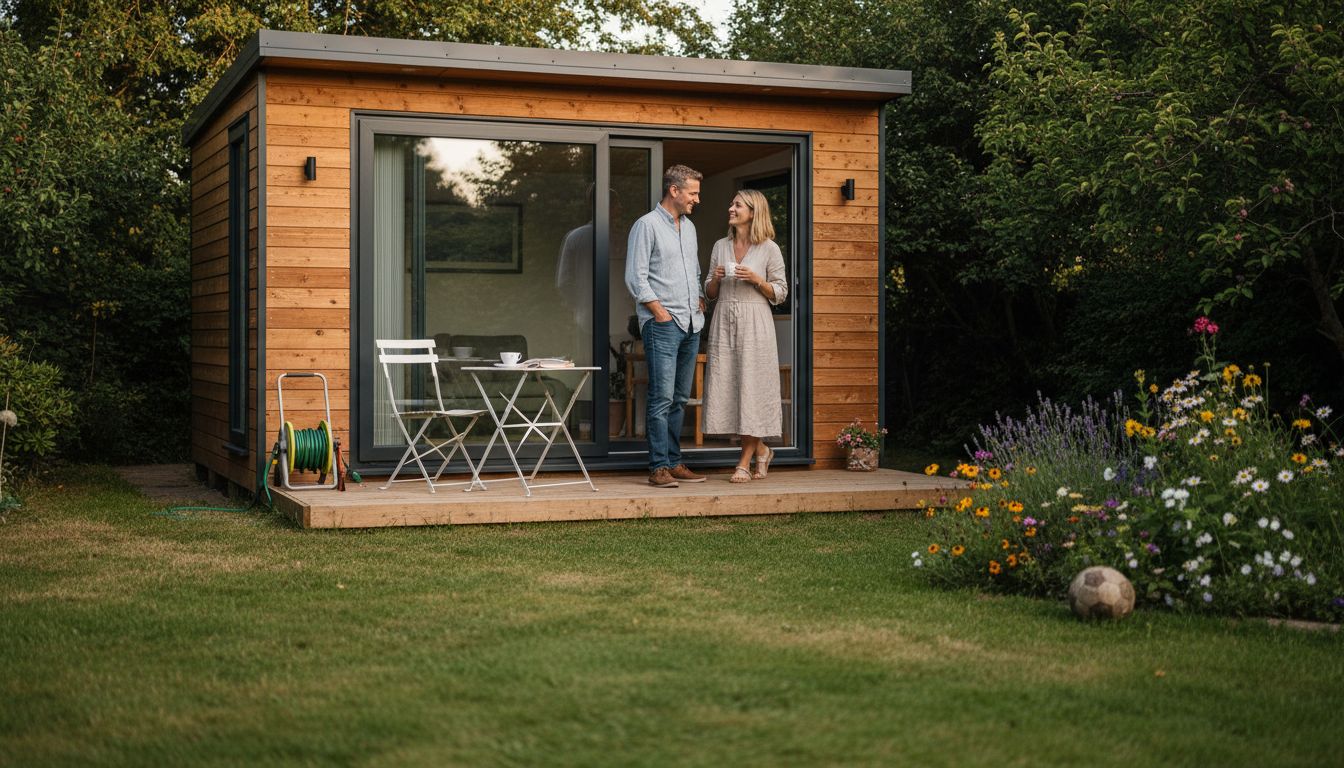
The primary types of modern garden rooms include home office spaces, creative studios, fitness and wellness retreats, guest accommodations, and multipurpose recreational areas. Contemporary designs range from minimalist glass-fronted structures that maximise natural light to more traditional timber-framed buildings that echo classic architectural elements. Some homeowners opt for modular designs that can be easily expanded or reconfigured, while others prefer standalone structures with distinct architectural character.
Regional variations play a significant role in garden room design across the UK. Urban properties in cities like London might favour compact, highly functional spaces with sleek, modern aesthetics, whereas rural properties in regions like the Cotswolds might incorporate more natural materials and designs that blend harmoniously with surrounding landscapes. Garden building configurations demonstrate remarkable versatility, ranging from compact 2-metre structures to expansive 30-square-metre rooms that serve as complete secondary living spaces.
Key distinguishing features of modern garden rooms include advanced thermal insulation, sustainable construction materials, integrated technology systems, and flexible design principles. These structures are no longer simple outdoor additions but sophisticated architectural solutions that extend living spaces, enhance property value, and provide functional environments adaptable to changing lifestyle needs.
Key Features and Customisation Options
Modern garden rooms offer an extraordinary range of customisation possibilities, allowing homeowners to create truly personalised spaces that reflect individual aesthetic preferences and functional requirements. Customisation options have evolved dramatically, enabling users to transform these structures from basic outdoor buildings into sophisticated extensions of their living environments.
The core customisation features typically encompass several critical aspects of design and functionality. Homeowners can select from a variety of external cladding materials, including contemporary timber finishes, composite panels, and innovative sustainable materials. Window configurations range from expansive floor-to-ceiling glass panels that maximise natural light to more traditional glazing options with multiple opening mechanisms. Roofing styles also present significant variation, with choices including flat, mono-pitch, and traditional pitched designs that can dramatically alter the architectural character of the garden room.
Interior customisation represents another realm of creative potential. Clients can specify electrical configurations, including the number and placement of power outlets, lighting solutions, and integrated technology systems. Insulation standards, flooring materials, and internal wall finishes can be tailored to create environments ranging from minimalist workspaces to luxurious relaxation zones. Sound insulation, heating solutions, and connectivity options further enhance the adaptability of these versatile structures.
Advanced customisation extends beyond aesthetic choices to include functional adaptations for specific purposes. Garden rooms can be configured as home offices with integrated storage, fitness studios with specialised flooring, creative workshops with optimised lighting, or even self-contained guest accommodations with comprehensive amenities. The remarkable flexibility of modern garden room design ensures that each space can be meticulously crafted to meet the unique lifestyle requirements of individual homeowners.
Planning Permission and Building Regulations
Navigating the legal landscape of garden room construction requires a nuanced understanding of planning permission and building regulations. Planning permission requirements can be complex, with specific guidelines determining whether a garden room needs formal approval or can be constructed under permitted development rights.
Most garden rooms in the United Kingdom benefit from permitted development rights, which allow construction without a full planning application. However, these rights come with critical conditions. Structures must typically be single-storey, with a maximum height of 2.5 metres, and occupy less than 50% of the garden’s total area. The placement is crucial - garden rooms must be positioned at least 2 metres from any property boundary, and cannot be situated in front of the original house. Homeowners must also consider the total footprint of all additional structures, which must not exceed 30 square metres.
Building regulations compliance represents another critical aspect of garden room construction. While smaller structures might be exempt, rooms intended for sleeping, extensive electrical work, or those exceeding specific size thresholds will require formal building regulation approval. This process ensures the structure meets fundamental safety standards, including appropriate foundations, structural integrity, electrical safety, and thermal efficiency.
Local authority variations can significantly impact planning and building regulation requirements. Urban areas often have more stringent regulations compared to rural locations, and conservation areas or listed properties introduce additional complexity. Homeowners are strongly advised to consult their local planning department or seek professional advice before commencing construction, as non-compliance can result in enforcement actions, potential demolition orders, and complications when selling the property.
Cost Factors, Installation, and Maintenance
Understanding the financial implications of garden room construction involves navigating a complex landscape of upfront investments and long-term considerations. Garden room costs can vary dramatically, influenced by factors including size, materials, design complexity, and additional features such as electrical installations and advanced insulation systems.
The typical price range for garden rooms spans from approximately £5,000 for basic modular structures to £50,000 for bespoke, high-end installations. Material selection plays a crucial role in determining overall expenses. Timber-framed rooms offer cost-effective solutions, while composite and premium materials increase initial investment but provide enhanced durability and reduced maintenance requirements. Key cost components include foundation preparation, structural framework, external cladding, roofing, glazing, electrical work, and interior finishing. Homeowners should budget for potential additional expenses such as groundwork, planning consultations, and potential utility connections.
Installation processes demand careful consideration of site preparation, access constraints, and professional expertise. Most garden room projects require approximately 2-4 weeks for complete construction, with professional installers managing everything from initial groundwork to final interior detailing. Maintenance requirements vary based on construction materials, but generally involve annual inspections, periodic treatments for wooden structures, and routine checks of electrical and insulation systems. Timber buildings might need regular wood preservative applications, while composite structures typically demand minimal upkeep.
Long-term operational costs represent another critical financial dimension. Garden rooms can incrementally increase household utility expenses, particularly when used as heated workspaces or year-round recreational areas. Energy-efficient design choices, such as high-quality insulation, double-glazed windows, and strategic positioning, can mitigate these ongoing expenses. Intelligent design and material selection can transform a garden room from a potential financial burden into a valuable property asset that enhances both lifestyle quality and potential real estate value.
Transform Your Garden with Bespoke Modern Garden Rooms
Discover how modern garden rooms can redefine your living space by blending style, comfort, and functionality seamlessly. If you are seeking a solution that provides advanced thermal insulation, bespoke customisation options, and a range of architectural styles tailored to your lifestyle, explore our expertly crafted garden buildings. These structures overcome common challenges like limited space and planning permissions while offering durable and attractive extensions to your home environment.
Take advantage of our wide selection of bespoke garden rooms designed to fit your unique needs. Whether you want a home office, creative studio, or luxurious guest accommodation, start your journey today at LogCabinKits.co.uk and experience the perfect fusion of modern design and garden harmony. Don’t wait to enhance your property value and lifestyle with a customised garden room that truly feels like part of your home.
Frequently Asked Questions
What are modern garden rooms?
Modern garden rooms are versatile outdoor structures designed to extend living spaces, serving various purposes such as home offices, studios, or guest accommodations. Unlike traditional sheds, they prioritise aesthetics and functionality, incorporating advanced materials for year-round usability.
Do I need planning permission to build a garden room?
Most garden rooms can be built under permitted development rights, which allow construction without full planning permission, provided they adhere to specific conditions like height and placement. However, larger structures or those intended for sleeping may require formal approval.
What customisation options are available for garden rooms?
Homeowners can customise garden rooms in many ways, including external cladding materials, window designs, roofing styles, electrical configurations, and interior finishes. This allows for the creation of spaces that reflect individual style and functional needs.
How long does it take to install a modern garden room?
The installation of a modern garden room typically takes around 2-4 weeks, depending on the complexity of the project. Professional installers manage everything from groundwork to final detailing to ensure a smooth construction process.