Blog


For many UK homeowners, transforming a bespoke garden log cabin into a vibrant space for leisure starts with understanding how light shapes the mood and practical use. The right lighting helps you maximise natural sunlight, balance energy needs, and create an inviting atmosphere for reading or entertaining. With guidance from industry experts and a focus on everyday power and lighting assessments, you can tailor your solution to suit all seasons and activities.
Table of Contents
- Step 1: Assess Natural And Available Power Sources
- Step 2: Select Lighting Types For Ambience And Function
- Step 3: Install Chosen Lighting Fixtures Safely
- Step 4: Verify Performance And Fine-Tune Placement
Brief Summary
| Essential Insight | Explanation |
|---|---|
| 1. Assess available power sources first | Understand natural light and electrical infrastructure to choose the right lighting for your garden cabin. |
| 2. Mix ambient and task lighting | Combine different lighting types to create a welcoming atmosphere and provide functionality for various activities. |
| 3. Hire professionals for safe installation | Always prioritise safety by having a qualified electrician handle mains electricity connections and complex installations. |
| 4. Fine-tune lighting placement and angles | Test your installed lights and adjust positions to ensure optimal brightness and comfort in your cabin space. |
| 5. Document your lighting setup | Take notes or photos of your lighting arrangement, helping with future adjustments or troubleshooting. |
Step 1: Assess natural and available power sources
Before you install any lighting in your garden log cabin, take a moment to understand what power you’ve got to work with. This isn’t about being technical—it’s simply knowing your starting point so you can choose the right lighting approach.
Start by assessing what natural light your cabin receives throughout the day. Consider how the sun moves across your garden during different seasons. Morning light, afternoon exposure, and evening angles all matter when you’re planning cosy outdoor spaces.
Most garden cabins can benefit from a combination of natural daylight and supplementary electric lighting rather than relying on one source alone.
Next, check your available power infrastructure. Look at whether you have mains electricity accessible near your cabin location. Understanding UK energy infrastructure and availability helps you plan realistic solutions for your specific setting.
Consider these practical assessment points:
- Distance from your home’s main electrical supply to the cabin location
- Whether you need underground cabling or above-ground routes
- If solar options might work alongside electric lighting
- Your budget for professional electrical installation versus simpler alternatives
- Local building regulations that might affect power installation
Think about what you’ll actually use your cabin for. A quiet reading retreat needs different power planning than a space for entertaining guests. Evening gatherings need reliable electric lighting, whilst a daytime workspace might rely more on natural light with optional backup.
For guidance on evaluating these considerations properly, review exterior lighting power assessment guidelines from industry experts. They’ll help you understand capacity and suitability for your specific outdoor environment.
Pro tip: Draw a simple sketch of your cabin’s location and mark where natural light falls at different times of day, then identify the nearest power source—this five-minute sketch saves hours of planning confusion later.
Step 2: Select lighting types for ambience and function
Now that you understand your power situation, it’s time to choose the right lighting fixtures for your cabin. The key is balancing two things: creating a warm, welcoming atmosphere and ensuring you have enough light to actually use the space comfortably.
Think about how you’ll spend time in your cabin. Reading requires brighter, focused light, whilst relaxing with friends needs softer, ambient glow. Most successful cabin spaces use a combination of both.
Mixing ambient lighting with task-specific fixtures gives you flexibility to adjust the mood based on what you’re actually doing.
Start by considering your main lighting options. Overhead ceiling lights provide broad coverage across the entire space. Wall-mounted sconces create softer pools of light that are perfect for corners and seating areas. String lights or pendant fixtures add character whilst offering flexible brightness levels.
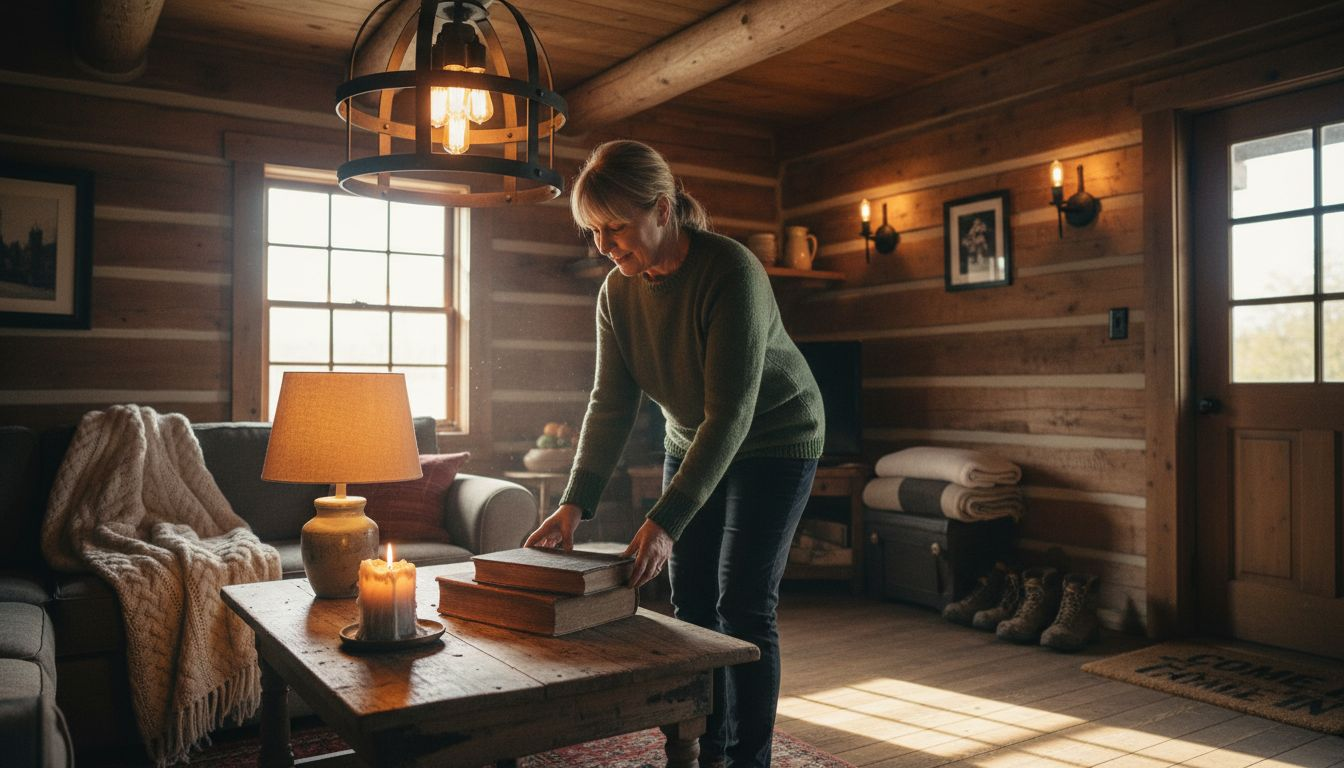
Here is a comparison of common lighting options for garden cabins:
| Lighting Type | Best For | Main Advantage | Typical Drawback |
|---|---|---|---|
| Overhead Ceiling Light | General room coverage | Uniform, bright illumination | Can create harsh shadows |
| Wall-Mounted Sconce | Corners & seating areas | Softens ambience, space-saving | Limited coverage |
| String or Pendant Light | Accents & flexibility | Decorative, adaptable layout | Less suitable for tasks |
| Solar-Powered Fixture | Off-grid applications | Energy-saving, easy to install | Dependent on sunlight |
When selecting fixtures, think about these practical aspects:
- Brightness levels you need at different times of day
- Colour temperature (warm versus cool light affects atmosphere)
- Weather resistance and durability for outdoor conditions
- Energy efficiency, especially if you’re relying on solar or limited power
- How easily you can control dimming or switching different zones
Your cabin’s style matters too. Rustic fixtures complement traditional log designs, whilst modern minimalist styles work better with sleek, contemporary fittings. Understanding ambient and functional lighting specifications helps you make choices that actually work for residential outdoor spaces like yours.
Layer your lighting strategically. Combine overhead fixtures with accent lights around seating areas and pathways. This approach lets you create different moods without installing entirely new systems. If you’re considering electric options, think about how you might add solar-supplemented lighting later as a cost-effective upgrade.
Pro tip: Visit your cabin at different times of day before selecting fixtures so you can see exactly where shadows fall and where you’ll genuinely need light most.
Step 3: Install chosen lighting fixtures safely
Proper installation is where your lighting plan becomes reality. Safety matters most here because you’re working with electricity and potentially at height in an outdoor environment. When in doubt, hire a qualified electrician to handle the work.
Start by turning off power at the main circuit breaker before touching any electrical components. This single step prevents accidents and injuries during installation. Always double-check that power is genuinely off before you begin working.
Professional installation following UK safety standards protects both your cabin and the people using it.
If you’re installing simple fixtures like battery-powered solar lights, the process is straightforward. Mount them according to manufacturer instructions, ensuring they’re secure and positioned for optimal coverage. Weatherproof sealing at connection points prevents water damage and corrosion.
For hardwired electric installations, the process requires more care. Following UK electrical safety standards for installations ensures your cabin meets legal requirements and functions safely.
Key safety steps include:
- Switching off mains power before any electrical work
- Using appropriate cable and conduit rated for outdoor use
- Installing weatherproof junction boxes and covers
- Testing all circuits after installation is complete
- Securing cables away from foot traffic and sharp edges
- Having a qualified electrician inspect and certify the work
Consider hiring a professional for anything involving mains electricity connections. The cost is worthwhile compared to the risk of fire, electric shock, or system failure. Professional installers understand local building regulations and can handle unexpected complications safely.
To help you decide on professional versus DIY installation, see this summary:
| Approach | Upfront Cost | Safety Level | Typical Use Case |
|---|---|---|---|
| Professional Hire | Higher, one-off fee | Certified, compliant | Mains-powered installations, complex cabling |
| DIY Solar/Battery | Low, ongoing (batteries) | Basic safety, unregulated | Small-scale additions, temporary or flexible lighting |
After installation, test each fixture thoroughly before inviting people into the space. Check that switches work smoothly, lights respond as expected, and nothing feels hot or shows signs of damage. Take time to adjust fixture angles and positions to achieve the ambiance you want.
Pro tip: Label every switch with masking tape and a marker so you remember which lights each one controls, especially useful once you have multiple zones operating independently.
Step 4: Verify performance and fine-tune placement
Your lighting is installed, but the real work happens now. Spend time observing how your fixtures perform throughout the day and evening, then adjust them to get exactly the atmosphere and function you want.
Wait until dusk to test your outdoor lighting properly. Daylight masks what your fixtures actually accomplish, so you need darkness to see their true impact. Spend at least an hour evaluating brightness, coverage, and colour quality as evening falls.
Fine-tuning fixture angles and positions after installation makes the difference between adequate lighting and genuinely cosy ambiance.
Walk around your cabin space and note where light pools feel right and where shadows create problems. Check whether reading is comfortable at your seating areas, if pathways feel safe underfoot, and if the overall mood matches what you envisioned. Pay attention to glare and harsh shadows that might need adjustment.
When assessing exterior lighting performance, minimising light pollution and visual discomfort creates a better experience for you and your neighbours. Small angle adjustments often solve unexpected issues without requiring new installations.
Make these practical adjustments:
- Tilt overhead fixtures downward if they create harsh glare on surfaces
- Raise or lower wall sconces to eliminate shadows across seating areas
- Reposition accent lights to highlight architectural features you want to emphasise
- Test dimmer switches at different levels to find your preferred brightness
- Check colour temperature against your surroundings (warm light feels cosier)
Don’t rush this testing phase. Live with your lighting for several days through different weather conditions and times of night. You’ll notice subtle issues that only become obvious through actual use. Maybe one corner needs brighter light for safety, or perhaps a fixture creates reflection on windows.
Document what works by taking notes or photos at different brightness levels. This record helps if you ever need to troubleshoot problems or explain your setup to an electrician later.
Pro tip: Test your lighting at the times you’ll actually use your cabin most—if you mostly gather there after work, spend your testing time in early evening rather than late night.
Elevate Your Garden Log Cabin Lighting Experience
Creating cosy and functional outdoor lighting can feel overwhelming with all the considerations about power sources, fixture types and safety standards explained in our guide. You want your garden log cabin to offer both ambience and practical brightness without the hassle or risk. At Log Cabin Kits, we specialise in bespoke and custom-built garden cabins designed to help you make the most of natural light while giving you perfect spaces for adding tailored lighting setups.
Discover how a thoughtfully crafted cabin from our collection can simplify your lighting plans. Enjoy cabins that complement your lighting goals whether you prefer warm ambient sconces or bright task lighting. Take control now by visiting Log Cabin Kits to explore our custom options and find inspiration for your ideal setup. Make your cosy outdoor space come alive with the right foundation today.
Frequently Asked Questions
How can I assess the natural light in my garden log cabin?
To assess natural light, observe how sunlight moves across your garden throughout different times of the day and seasons. Draw a simple sketch marking where natural light falls, which will help you plan your lighting needs effectively.
What types of lighting should I choose for different activities in my garden log cabin?
Select a mix of ambient lighting, such as overhead fixtures, and task lighting, such as wall sconces or table lamps, to cater to various activities. For example, bright, focused light is ideal for reading, while softer lighting creates a cosy atmosphere for socialising.
What are the safety precautions to consider during lighting installation in my garden log cabin?
Always turn off power at the main circuit breaker before starting any installation, and ensure all fixtures are weatherproof. It’s essential to follow safety guidelines closely, especially when working with mains electricity, to avoid risks such as electrical shock.
How can I fine-tune the lighting after installation to achieve the right ambiance?
To fine-tune your lighting, observe how the fixtures perform after dusk and adjust their angles to reduce glare and enhance mood. Spend a few evenings testing different brightness levels, and take notes on adjustments you make to create your desired atmosphere.
What factors should I consider when choosing lighting types for my garden log cabin?
Consider brightness levels, colour temperature, and weather resistance when selecting lighting types. For instance, if you need flexible options, combine solar-powered fixtures with electric lights to create a balanced lighting scheme that suits your usage needs.
How can I ensure my garden log cabin lighting is energy efficient?
Choose energy-efficient lighting options, such as LED fixtures or solar-powered lights, to reduce energy consumption. For example, replace incandescent bulbs with LED equivalents, which can lower your lighting energy use by up to 75%.
Recommended
- How To Decorate Garden Cabin For A Cosy UK Retreat
- Cabins: Bringing The Outdoors In | LogCabinKits.co.uk
- How To Make The Most Of Your Garden Log Cabin – Log Cabin Kits To Buy Online
- Alpine-Inspired Décor Ideas For Your Garden Log Cabin – Log Cabin Kits To Buy Online
- 7 Must-Have Features for Luxury Cottages in Canada