
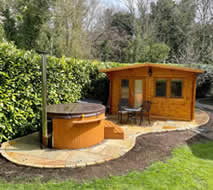
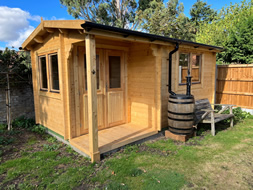
Year-Round Garden Office: Transforming UK Homeworking

Most british remote workers spend over 200 days a year tackling unpredictable weather, yet still crave a productive space connected to nature. The shift towards tailored garden offices offers a powerful alternative to cramped indoor setups or noisy coffee shops. Discover how a truly year-round garden office can provide comfort, value, and seamless adaptation for your unique working style, whether you are navigating a rainy morning in London or need guaranteed warmth on a chilly Aberdeen afternoon.
Table of Contents
- What Makes a Year-Round Garden Office?
- Types and Bespoke Design Options Available
- Insulation, Heating and Ventilation Essentials
- UK Planning Permission and Building Regulations
- Running Costs, Tax Implications, and Value Added
Key Takeaways
| Point | Details |
|---|---|
| Year-Round Functionality | A year-round garden office is designed to provide comfort and productivity in all seasons, featuring robust insulation and high-performance materials. |
| Bespoke Design Options | Modern garden offices allow for extensive customisation to suit individual aesthetic and functional needs, from contemporary to traditional styles. |
| Effective Heating and Ventilation | Attention to heating and ventilation is crucial, with advanced systems ensuring a comfortable working environment while conserving energy. |
| Financial Considerations | Garden offices may offer tax deductions and can increase property value by 5-10%, making them a wise investment for remote workers. |
What Makes a Year-Round Garden Office?
A year-round garden office transforms remote working by creating a dedicated, comfortable workspace that adapts seamlessly to changing British weather conditions. Unlike traditional garden structures, these specialised spaces are engineered to provide consistent comfort, productivity, and functionality throughout seasonal variations. Essential garden office design considerations go far beyond simple shelter.
Key characteristics distinguish a true year-round garden office from standard garden buildings. Robust insulation represents the primary differentiator, enabling temperature regulation during freezing winter mornings and sweltering summer afternoons. Professional-grade garden offices incorporate high-performance materials like double-glazed windows, advanced wall construction techniques, and thermal breaks that prevent heat loss while maintaining internal temperature stability.
Structural integrity plays a crucial role in creating a reliable workspace. Premium garden offices feature reinforced foundations, weatherproof roofing, and moisture-resistant construction materials that withstand UK climate challenges. Electrical infrastructure becomes another critical component, with integrated heating systems, robust electrical connections, and strategic positioning to maximise natural light while protecting against environmental extremes.
Additionally, successful year-round garden offices prioritise ventilation and adaptability. Adjustable windows, removable panels, and smart design elements allow occupants to modify their workspace environment quickly. Professional garden office solutions also incorporate sound insulation, ensuring a quiet working environment regardless of external conditions.
Expert Tip: Invest in professional installation with precise groundwork and comprehensive weatherproofing to guarantee your garden office performs optimally throughout every season.
Types and Bespoke Design Options Available
Garden offices have evolved far beyond standard prefabricated structures, offering an impressive array of bespoke design options for discerning UK homeowners. Customisation now represents the cornerstone of modern garden office design, allowing professionals to create spaces that perfectly match their aesthetic preferences and functional requirements.

The primary design categories encompass several distinctive styles, each tailored to specific architectural preferences and spatial constraints. Contemporary garden offices often feature minimalist geometric designs with clean lines and extensive glass frontage, while traditional models incorporate pitched roofs and timber-framed constructions that blend seamlessly with garden landscapes. Modular designs enable remarkable flexibility, allowing homeowners to expand or reconfigure their workspace as professional needs change.
Here is a summary of the main building categories and their defining features:
| Category | Key Design Elements | Typical Materials |
|---|---|---|
| Contemporary | Minimalist, large windows, flat roofs | Aluminium, composite, large glass |
| Traditional | Pitched roofs, timber frames, classic look | Timber (Cedar, Spruce), felt |
| Modular | Expandable, reconfigurable panels | Mixed timber, composite panels |
Material selection plays a crucial role in defining the office’s character and performance. High-grade timber remains a popular choice, with Western Red Cedar and Scandinavian Spruce offering exceptional durability and natural aesthetic appeal. Advanced composite materials provide alternatives for those seeking low-maintenance solutions, with options ranging from aluminium-clad exteriors to weather-resistant composite panels that ensure long-term structural integrity.
Functionality extends beyond structural considerations. Sophisticated garden offices now incorporate intelligent design elements like integrated electrical systems, advanced insulation technologies, and adaptable interior layouts. Options include sliding glass doors, adjustable interior partitions, built-in storage solutions, and configurable workspaces that can transform to support different working styles and professional requirements.
Expert Tip: Consider your long-term professional needs when designing your garden office, planning for potential future expansions or technological upgrades to maximise your investment’s flexibility and functionality.
Insulation, Heating and Ventilation Essentials
Creating a comfortable year-round garden office demands meticulous attention to heating and insulation strategies. Thermal efficiency represents the cornerstone of maintaining a consistent, productive working environment, protecting against the unpredictable British climate while minimising energy consumption.
Multi-layered insulation approaches provide the most effective temperature regulation. Professional garden offices typically incorporate high-performance materials like closed-cell foam insulation, which offers superior thermal resistance compared to traditional fibreglass alternatives. Wall constructions often feature integrated thermal breaks, creating an uninterrupted barrier that prevents heat transfer and eliminates cold spots. Double-glazed windows with low-emissivity coatings further enhance thermal performance, reflecting internal heat while allowing natural light to penetrate.
Heating solutions have become increasingly sophisticated, moving beyond simple electric radiators. Infrared panel heaters provide targeted warmth with exceptional energy efficiency, while underfloor heating systems distribute heat evenly across the workspace. Smart thermostatic controls enable precise temperature management, allowing remote workers to programme heating schedules that optimise comfort and minimise unnecessary energy expenditure. Supplementary options like heat pumps can offer renewable heating alternatives, reducing both environmental impact and long-term running costs.
Ventilation represents another critical component of year-round garden office design. Strategically placed windows, adjustable air vents, and mechanical ventilation systems with heat recovery ensure consistent air quality and temperature control. These systems prevent moisture buildup, reduce the risk of condensation, and create a healthy working environment that adapts to seasonal variations. Advanced ventilation designs incorporate humidity sensors and automatic climate control, providing an intelligent approach to maintaining optimal working conditions.
Expert Tip: Invest in a multi-zone heating and ventilation system that allows independent temperature control for different areas of your garden office, maximising both comfort and energy efficiency.
UK Planning Permission and Building Regulations
Navigating the complex landscape of planning permission and building regulations is crucial for UK homeowners considering a garden office installation. Legal compliance represents a fundamental prerequisite that can significantly impact your project’s feasibility, potentially preventing costly retrospective modifications or enforcement actions.
Most garden offices benefit from permitted development rights, which allow construction without formal planning permission, provided specific criteria are met. These guidelines typically include restrictions on total floor area, maximum height, and proximity to property boundaries. Structures must not cover more than 50% of the garden, remain single-storey with a maximum height of 2.5 metres, and be positioned at least 2 metres from any property boundary. However, exceptions exist for properties in conservation areas, listed buildings, or regions with additional planning constraints.
Building regulations represent another critical consideration for garden office installations. While smaller structures under 15 square metres might be exempt, offices intended for permanent work use usually require compliance certification. Key regulatory requirements encompass structural integrity, electrical safety, thermal insulation, and ventilation standards. Professional garden office providers often manage these technical specifications, ensuring that designs meet stringent UK building control standards. Electrical installations, in particular, must conform to Part P regulations, necessitating certification from qualified electricians.
Homeowners should also consider potential limitations imposed by local authorities, which can vary significantly between different council jurisdictions. Some regions maintain stricter interpretations of permitted development rights, potentially requiring additional documentation or formal approval. Consulting local planning departments or seeking professional advice can provide clarity on specific regional requirements, helping to prevent potential legal complications.
Expert Tip: Always contact your local planning authority for a formal confirmation of permitted development status before commencing garden office construction, as individual property circumstances can significantly impact regulatory compliance.
Running Costs, Tax Implications, and Value Added
Understanding the comprehensive financial landscape of a garden office involves more than initial investment considerations. Economic efficiency plays a pivotal role in determining the long-term viability of your workspace, with potential tax advantages and property value implications that extend far beyond traditional home improvements.
Running costs for a modern garden office are significantly influenced by energy efficiency and technological choices. High-performance insulation, smart heating systems, and renewable energy integrations can dramatically reduce monthly utility expenses. Modern garden offices typically consume between 1.5 to 3 kilowatt-hours per day for heating and electrical requirements, translating to approximate annual running costs of £150-£300. Carefully selected customisation options can further optimise energy performance and minimise ongoing expenditure.
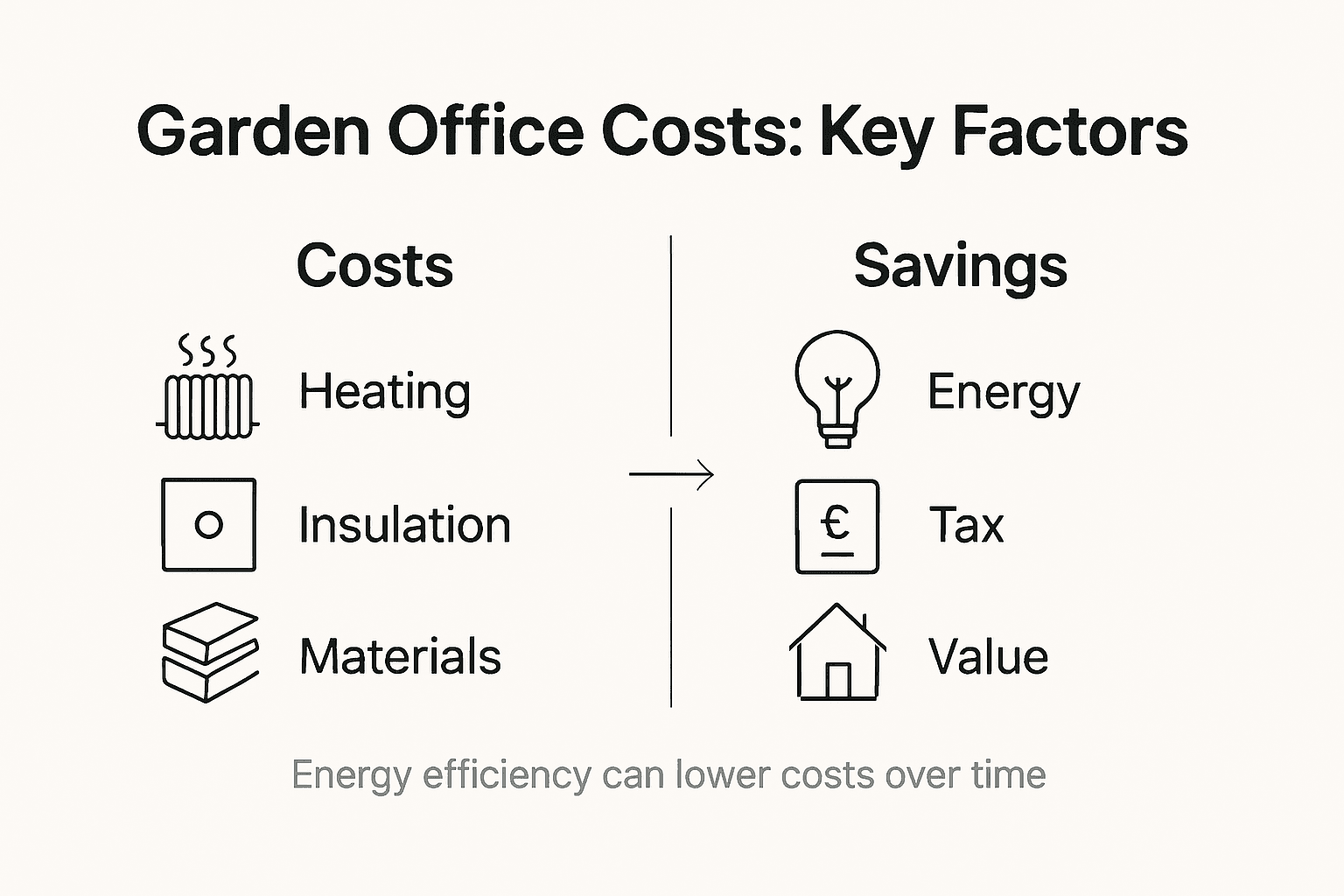
Tax implications represent another critical financial consideration for remote workers. Garden offices used exclusively for professional purposes may qualify for significant tax deductions. Self-employed individuals can potentially claim a proportion of construction costs, ongoing maintenance expenses, and utility bills as legitimate business expenses. HMRC guidelines allow proportional claims based on the workspace’s dedicated professional usage, potentially reducing annual tax liabilities. Professional consultation with an accountant can help navigate these complex regulations and maximise potential fiscal benefits.
Property value enhancement emerges as a compelling long-term advantage of investing in a high-quality garden office. Professionally constructed garden offices can increase residential property values by approximately 5-10%, depending on design quality, local property markets, and overall implementation. Potential buyers increasingly view purpose-built garden workspaces as desirable features, recognising their functionality and aesthetic appeal. Factors such as architectural design, material quality, and seamless integration with existing landscape contribute significantly to potential value appreciation.
Consider these factors when evaluating the running costs and value of a garden office:
| Cost Factor | Typical Range | Impact on Value |
|---|---|---|
| Annual energy use (heating/electric) | £150–£300 | Lowers monthly bills |
| Tax relief (work use only) | Proportional claim | Reduces tax liability |
| Property value boost | 5–10% increase | Attracts buyers, raises price |
Expert Tip: Maintain comprehensive documentation of your garden office installation, including design specifications, energy performance certificates, and receipts, to substantiate potential tax claims and future property valuation.
Discover Your Perfect Year-Round Garden Office Solution
Creating a dedicated garden office that stands up to the changing British climate requires careful attention to insulation, heating, ventilation, and bespoke design options. If you are searching for a durable, comfortable workspace that enhances your homeworking experience throughout the year, you understand the importance of quality materials and thoughtful planning highlighted in our guide. Avoid the frustration of poorly insulated or temporary structures and instead invest in a garden office tailored to your unique needs.
Transform your professional life today with expert-crafted garden buildings available at LogCabinKits.co.uk. Explore our range of bespoke garden rooms designed for year-round comfort and productivity. Take the leap to a smart, stylish, and energy-efficient garden office that blends seamlessly with your garden and meets UK building regulations. Act now to enjoy the benefits of a dedicated, inspiring workspace all year long. Visit Log Cabin Kits and start customising your ideal garden office today.
Frequently Asked Questions
What are the key features of a year-round garden office?
A year-round garden office typically includes robust insulation, weatherproof construction, effective heating systems, and adequate ventilation to maintain a comfortable working environment throughout the changing seasons.
How can I customise my garden office design?
Customization options for garden offices include selecting materials, layout configurations, and additional features such as sliding glass doors, built-in storage, and adjustable interior partitions to suit your aesthetic preferences and functional needs.
What insulation and heating options are available for a garden office?
High-performance insulation materials, such as closed-cell foam, are recommended for thermal efficiency. Heating solutions like infrared panel heaters or underfloor heating systems can provide consistent warmth while conserving energy.
Do I need planning permission for my garden office?
Most garden offices qualify under permitted development rights, bypassing the need for formal planning permission, provided they meet specific criteria regarding size and positioning. However, it’s essential to check with your local planning authority for any site-specific regulations.