
Over half of British homeowners with small to medium-sized gardens struggle to keep tools and supplies organised. Cluttered sheds and overflowing corners can turn a relaxing gardening session into a stressful hunt for equipment. Finding efficient storage makes life much easier, saving time and keeping your space tidy. This guide walks you through practical ways British gardeners can assess, plan, and organise their garden storage for smoother, stress-free gardening every season.
Table of Contents
- Step 1: Assess Your Garden Storage Requirements
- Step 2: Plan Your Optimal Storage Layout
- Step 3: Select Suitable Garden Storage Buildings
- Step 4: Organise Gardening Tools And Equipment
- Step 5: Verify Your Storage Workflow For Efficiency
Quick Summary
| Key Insight | Explanation |
|---|---|
| 1. Assess Your Storage Needs | Evaluate your gardening space and activities to identify precise storage requirements before purchasing solutions. |
| 2. Design an Effective Layout | Create a garden layout that strategically places storage for easy access and minimal movement during tasks. |
| 3. Choose Suitable Storage Types | Select storage buildings considering durability, aesthetics, and functionality for your gardening needs. |
| 4. Organise Your Tools Effectively | Use dedicated zones and organising systems for tools to ensure quick access and proper maintenance. |
| 5. Regularly Review Workflow | Continuously check your storage efficiency and adjust the layout as your gardening needs evolve over time. |
Step 1: Assess your garden storage requirements
Identifying your precise garden storage needs starts with a comprehensive evaluation of your outdoor space and gardening activities. Before investing in storage solutions, you’ll want to create a strategic plan that maximises efficiency and organisation.
Begin by creating a detailed garden plan that maps out your garden’s dimensions, existing features, and potential storage locations. Measure your garden carefully noting the shape, size, and key elements like trees, buildings, or fixed structures. Consider access points, sunlight patterns, and how different areas of your garden are used. This assessment will help determine the optimal placement and size of storage solutions that seamlessly integrate with your gardening workflow.
Analyse the types of gardening activities you regularly undertake and inventory the tools and materials you need to store. A thoughtful garden design approach ensures your storage placement supports efficient maintenance and matches your specific gardening patterns. Think about frequency of tool usage, weight of equipment, and accessibility requirements.
Expert Tip: Photograph your garden space from multiple angles to help visualise potential storage placements and understand spatial relationships more accurately.
Step 2: Plan your optimal storage layout
Creating an efficient garden storage layout requires strategic thinking and careful planning. Your goal is to design a functional space that seamlessly integrates storage solutions with your gardening workflow and garden aesthetics.
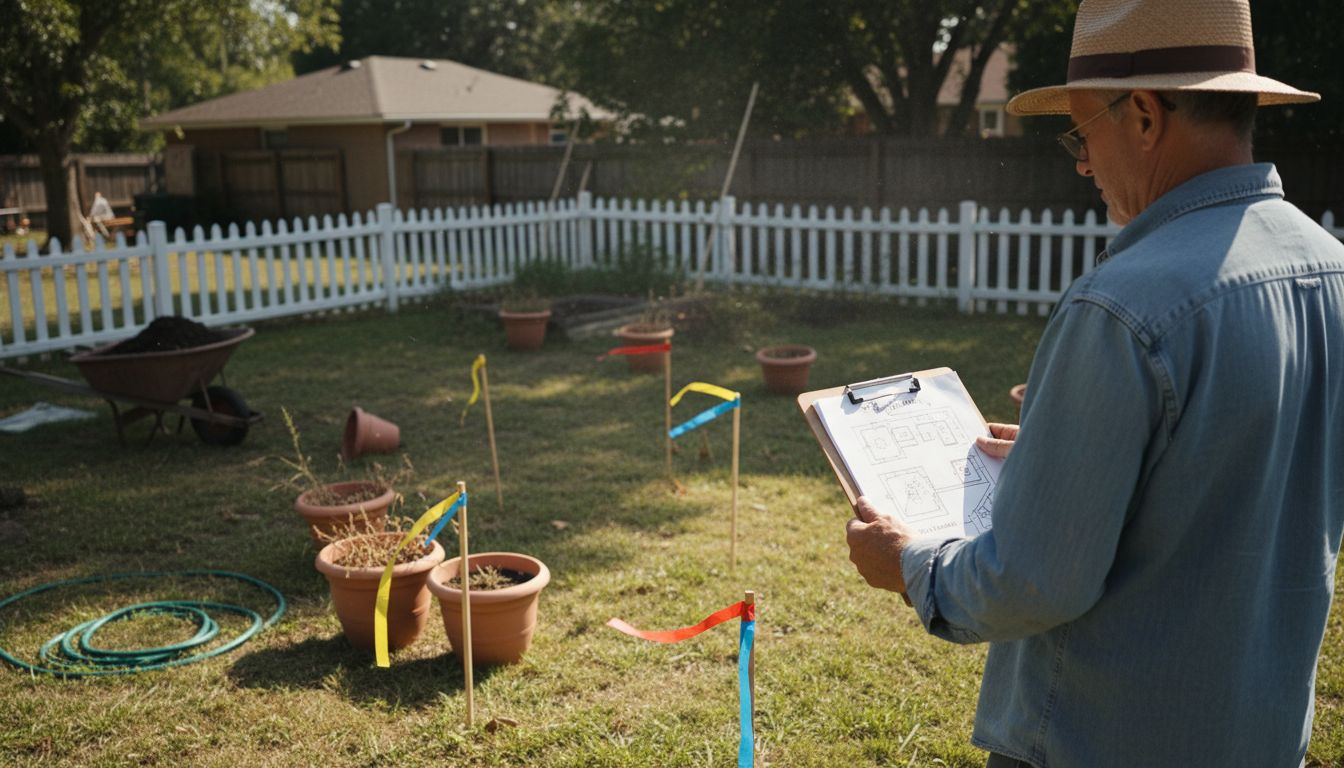
Start by developing a precise garden layout plan that maps out potential storage locations. Mark existing structures, boundaries, and shaded areas carefully. Scale plans help position storage buildings strategically while maintaining visual appeal and functional garden zones. Consider the natural pathways and proximity to key gardening areas to minimise unnecessary movement and optimise tool accessibility.
Apply permaculture design principles to create a multifunctional storage layout. Position storage buildings near primary work areas to reduce time spent transporting tools and equipment. Analyse your typical gardening activities and create a flow that supports your specific maintenance patterns. Think about sunlight exposure, ground stability, and how storage placement might impact your garden’s overall functionality.
Expert Tip: Use coloured tape or garden stakes to temporarily mark potential storage locations, allowing you to visualise and test different layout configurations before making permanent decisions.
Step 3: Select suitable garden storage buildings
Choosing the right garden storage building is crucial to creating an efficient and attractive outdoor workspace. Your selection will impact not just storage functionality but also the overall aesthetic and usability of your garden.
Begin by examining garden design principles that guide storage building selection. Consider materials that offer durability and weather resistance while complementing your garden’s existing style. Wooden structures provide a natural aesthetic, while metal units offer increased security and low maintenance. Pay attention to size requirements that match your tool collection and garden layout. Ensure the building provides adequate protection from moisture, allows proper ventilation, and integrates seamlessly with surrounding landscape features.
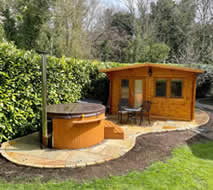
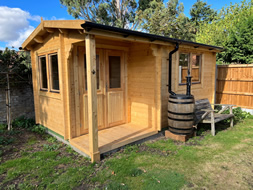
Look beyond pure functionality when making your selection. UK garden storage examples demonstrate how storage buildings can be both practical and visually appealing. Factor in maintenance requirements, potential future expansion of your garden tool collection, and how the structure will age over time. Consider additional features like lockable doors, internal shelving, and roof designs that prevent water accumulation. Your chosen storage building should reflect your gardening style while providing robust, organised storage solutions.
Expert Tip: Photograph your current garden tools and storage needs before purchasing to ensure you select a building with precisely the right dimensions and features.
Here’s a quick reference for common types of garden storage buildings and their ideal use cases:
| Storage Type | Best For | Key Strength |
|---|---|---|
| Wooden Shed | Traditional tool storage | Natural look, blends with garden |
| Metal Shed | Secure equipment storage | High security, low maintenance |
| Plastic Unit | Small tool/supply storage | Lightweight, weather resistant |
| Garden Cupboard | Hand tools and chemicals | Compact, easy wall placement |
| Storage Bench | Frequently used items | Multi-use, seating and storage |
Step 4: Organise gardening tools and equipment
Effective organisation of gardening tools transforms your outdoor workspace from chaotic to streamlined, making every gardening task more enjoyable and efficient. Proper tool management saves time, reduces frustration, and helps protect your valuable equipment from damage.
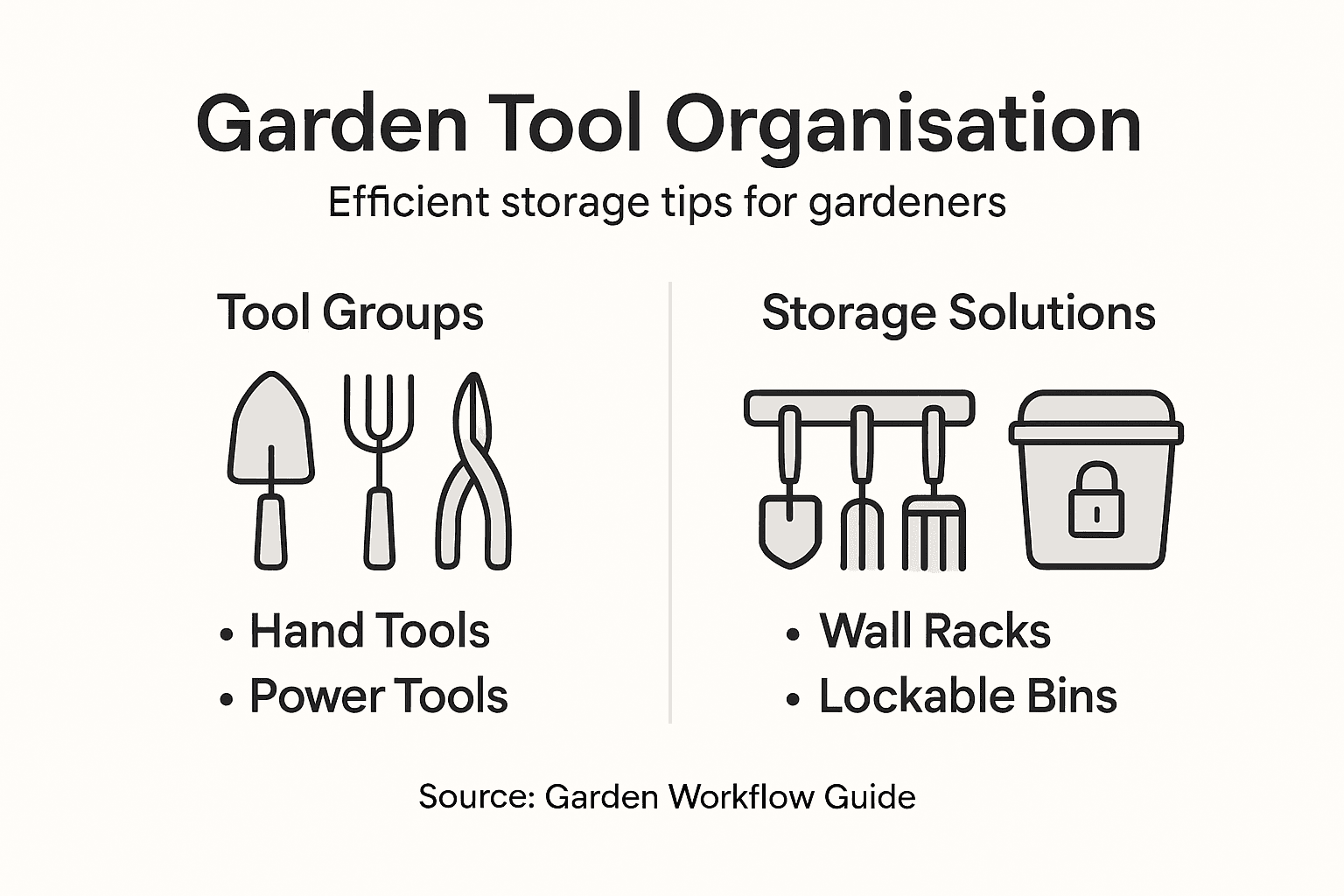
Start by implementing tool safety practices that ensure careful storage and maintenance. Group tools according to their function creating dedicated zones for cutting implements, digging equipment, and smaller hand tools. Use wall mounted racks, sturdy containers, and purpose designed organisers to keep everything accessible and protected from moisture. Consider weight, frequency of use, and seasonal requirements when arranging your storage system. Clean tools after each use and create a designated cleaning station to remove soil and prevent rust.
Prioritise ergonomic and specialist gardening tool selection that matches your specific gardening needs. Lightweight tools with comfortable grips reduce physical strain and improve overall efficiency. Create a logical workflow by positioning frequently used tools at eye level and storing seasonal or specialised equipment in easily accessible but slightly less prominent areas. Invest in tool belts or portable carriers for quick access during active gardening sessions.
Expert Tip: Conduct a quarterly tool inventory to remove damaged items, sharpen blades, and reorganise your storage system for maximum efficiency.
Step 5: Verify your storage workflow for efficiency
Validating the effectiveness of your garden storage system requires a systematic and thoughtful approach. Regular assessment ensures your workflow remains optimised, adaptable, and aligned with your evolving gardening needs.
Begin by examining storage regulations that impact garden organisation. Consider safety standards especially when storing potentially hazardous materials like garden chemicals or fuel. Assess your current storage layout for potential risks, accessibility issues, and opportunities for streamlining. Look critically at how tools and equipment move between storage and active garden areas, identifying any unnecessary steps or bottlenecks in your workflow.
Implement a comprehensive review process by integrating garden management strategies that support efficient organisation. Track the time spent retrieving tools, the frequency of use for different equipment, and seasonal variations in your gardening routine. Create a simple tracking system that allows you to measure workflow efficiency objectively. Consider environmental factors like drainage, proximity to work zones, and how storage placement impacts overall garden functionality. Regularly rotate and reassess your storage arrangement to maintain peak performance and adaptability.
Expert Tip: Create a simple spreadsheet or journal to document your storage workflow observations, helping you make data driven improvements over time.
The following summary helps you review important efficiency checkpoints for your storage workflow:
| Workflow Factor | What to Monitor | Example Improvement |
|---|---|---|
| Tool Access Time | Minutes to retrieve equipment | Relocate frequently used tools |
| Safety Compliance | Proper handling/storage | Add labelled chemical containers |
| Seasonal Adjustments | Storage changes per season | Rotate tools for easy access |
| Layout Adaptability | Ease of adding new storage | Modular storage systems |
Transform Your Garden Storage Into a Model of Efficiency and Style
If you have been facing challenges organising your gardening tools or struggle to find storage solutions that fit perfectly within your garden workflow then expert help is just a click away. This article highlights key pain points such as optimising storage layout, selecting suitable buildings and maintaining an efficient workflow. With these goals in mind custom garden buildings can offer a tailored solution that complements your gardening routine while keeping everything accessible and secure.

Explore bespoke garden storage options designed to enhance both functionality and aesthetics at Log Cabin Kits. Don’t settle for clutter or inconvenient layouts when you can customise your outdoor workspace with durable and stylish storage buildings. Start building smarter today by visiting Log Cabin Kits now and discover how a personalised garden building can master your garden storage workflow for lasting organisation.
Frequently Asked Questions
How do I assess my garden storage requirements?
Start by evaluating your outdoor space and activities. Measure your garden, identify existing features, and consider access points and sunlight patterns to determine optimal storage locations.
What is the best way to plan my garden storage layout?
Develop a detailed garden layout plan that marks existing structures and potential storage spots. Position storage buildings close to primary work areas to streamline access and enhance overall efficiency.
How can I choose the right garden storage building?
Select a storage building that complements your garden’s aesthetics and meets your durability needs. Consider materials such as wood, metal, or plastic, and ensure the size fits your tool collection and garden layout requirements.
What are effective ways to organise gardening tools and equipment?
Group tools by function and create designated storage zones. Use wall-mounted racks and durable containers to keep everything readily accessible and in good condition, prioritising frequently used tools at eye level.
How do I verify my storage workflow for efficiency?
Regularly assess your storage layout and workflow to identify inefficiencies. Track the time taken to retrieve tools and adjust your arrangement to eliminate any unnecessary steps or bottlenecks.
What should I monitor to ensure my garden storage is efficient?
Keep an eye on factors such as tool access time and safety compliance. Implement a system to evaluate and fine-tune your storage setup, aiming for a more streamlined process to enhance daily gardening tasks.