

British homeowners know that garden organisation is more than just stacking tools in a corner. With unpredictable seasons and frequent rain, keeping valuables safe outdoors is vital. In fact, over 60 percent of British garden equipment is damaged or lost without proper storage each year. Understanding what garden storage solutions really offer can help you protect your gear efficiently, maximize your outdoor space, and preserve both your investment and your peace of mind.
Table of Contents
- Foundation: What Garden Storage Solutions Mean
- Types Of Garden Storage Explained
- How Garden Storage Enhances Utility
- Planning And Regulatory Requirements
- Financial And Practical Implications
Key Takeaways
| Point | Details |
|---|---|
| Diverse Storage Solutions | Garden storage options include wooden log cabins, metal units, plastic boxes, and integrated benches, catering to varying needs and garden sizes. |
| Enhanced Organisation | Implementing garden storage systems reduces clutter and protects tools, leading to a more efficient outdoor living space. |
| Regulatory Awareness | Homeowners must understand local planning regulations to ensure compliance when installing garden storage structures. |
| Cost Considerations | Evaluate the total cost of ownership, including maintenance and lifespan, to make informed decisions about garden storage investments. |
Foundation: What Garden Storage Solutions Mean
Garden storage solutions are specialised structures and systems designed to protect and organise outdoor equipment in British gardens. These functional spaces serve multiple purposes beyond simple storage, creating dedicated areas where gardening tools, recreational gear, and seasonal items can be safely housed and preserved from unpredictable British weather conditions. Garden storage solutions guide highlights the versatility of these practical installations.
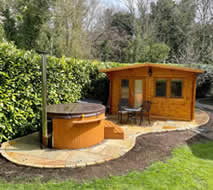
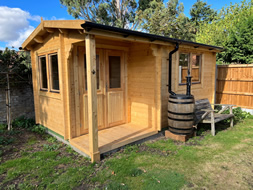
At their core, garden storage solutions encompass a wide range of structures including log cabins, storage boxes, compact tool sheds, and integrated outdoor storage units. Each option offers unique benefits tailored to different garden sizes and homeowner requirements. Wooden log cabins, for instance, provide robust protection for expensive gardening equipment, bicycles, and outdoor furniture while simultaneously enhancing the aesthetic appeal of the garden landscape.
The fundamental purpose of these storage solutions extends beyond mere item protection. They play a crucial role in maintaining garden organisation, reducing clutter, and creating a more streamlined outdoor living space. By providing dedicated storage areas, homeowners can keep their gardens tidy, protect valuable equipment from moisture and potential theft, and create a more functional external environment that supports their gardening and leisure activities.
Pro Tip for Garden Storage: Before selecting a garden storage solution, carefully measure your available garden space and inventory your storage needs to ensure you choose a structure that provides optimal functionality without overwhelming your outdoor area.
Types Of Garden Storage Explained
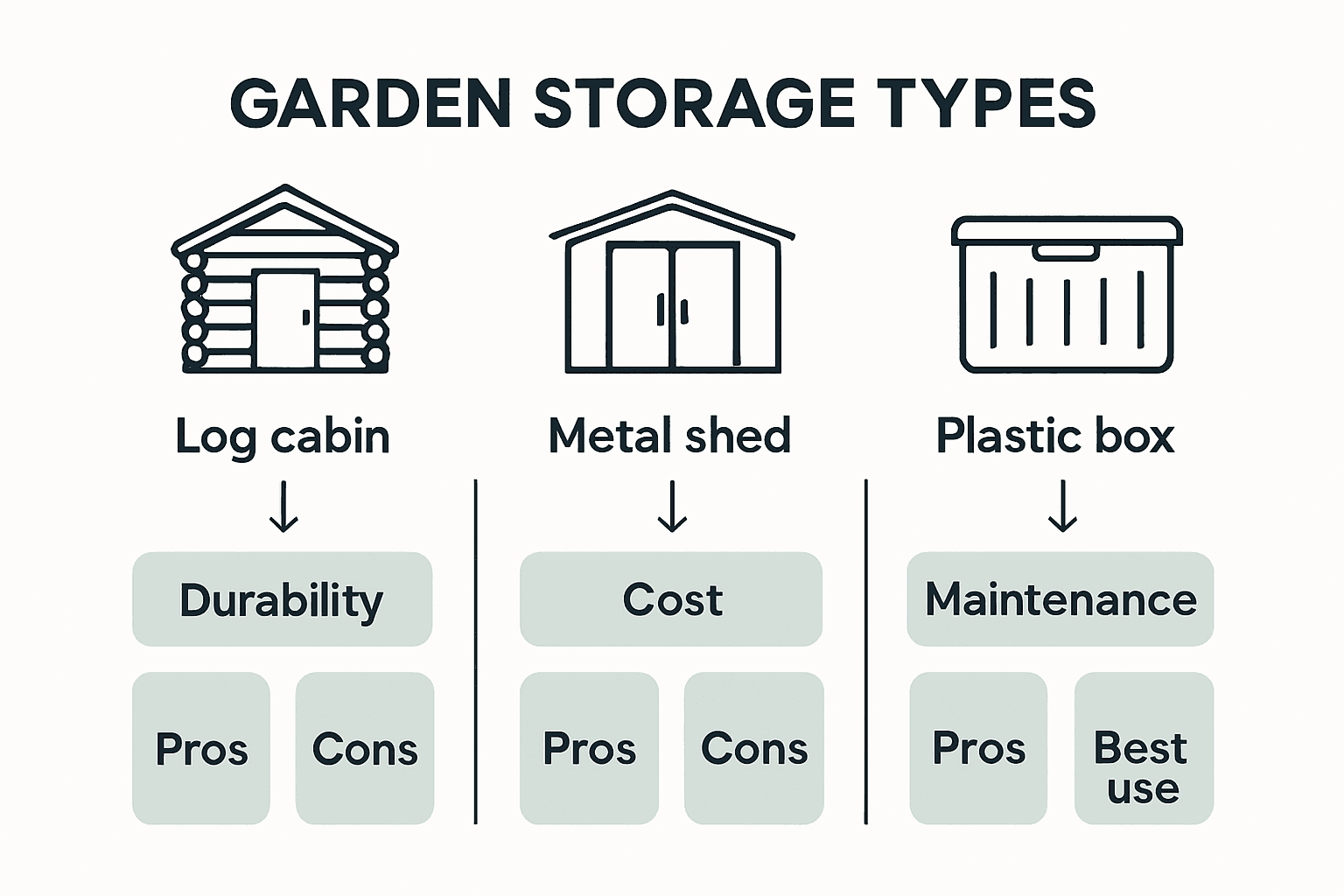
Garden storage solutions in the United Kingdom encompass a diverse range of structures designed to meet various outdoor organisation needs. Essential garden storage solutions reveal several key categories that homeowners can consider for their outdoor spaces. The primary types include wooden log cabins, metal storage units, plastic storage boxes, integrated garden benches with hidden storage, and purpose-built garden sheds.
Wooden log cabins represent a premium storage solution that goes beyond mere functionality. These versatile structures offer robust protection for gardening equipment, recreational gear, and outdoor furniture while simultaneously enhancing the aesthetic appeal of garden landscapes. They provide substantial interior space, excellent weather resistance, and can be customised to match individual garden design preferences. Metal storage units, in contrast, offer durability and low maintenance, making them ideal for gardeners seeking a more industrial-style storage option.
Plastic storage boxes and compact garden containers represent another important category, particularly suitable for smaller gardens or those with limited space. These lightweight, weather-resistant solutions are perfect for storing gardening tools, children’s outdoor toys, and seasonal equipment. Integrated garden benches with hidden storage compartments provide a dual-purpose solution, offering seating and concealed storage in a single, space-efficient design. Each storage type presents unique advantages, allowing homeowners to select options that best complement their specific garden layout and storage requirements.
Pro Tip for Garden Storage Selection: Always measure your available garden space and assess your specific storage needs before investing in a garden storage solution to ensure optimal functionality and seamless integration with your existing outdoor design.
Below is a comparative summary of the main types of garden storage solutions in the UK:
| Storage Type | Key Benefit | Ideal Garden Size | Notable Limitation |
|---|---|---|---|
| Wooden Log Cabin | Large capacity, attractive | Medium to large | Higher upfront cost |
| Metal Storage Unit | Durable, low maintenance | All sizes | Can lack aesthetic appeal |
| Plastic Storage Box | Lightweight, weatherproof | Small to medium | Less secure for valuables |
| Storage Bench (with hidden) | Dual-purpose, saves space | All sizes | Limited storage volume |
| Traditional Garden Shed | Versatile, expandable | Medium to large | Needs regular upkeep |
How Garden Storage Enhances Utility
Garden storage solutions fundamentally transform outdoor spaces by dramatically improving their functional utility and organisation. Comprehensive garden storage strategies demonstrate how strategic storage can revolutionise the way homeowners interact with and maximise their garden environments. By creating dedicated spaces for tools, equipment, and seasonal items, these solutions eliminate clutter, protect valuable possessions, and create a more streamlined outdoor living experience.

The utility enhancement extends beyond simple item storage. Integrated garden storage solutions offer multiple functional benefits, including protection from harsh British weather conditions, secure containment of valuable gardening equipment, and the ability to create multipurpose outdoor spaces. Wooden log cabins, for instance, can serve as storage units, workshop spaces, relaxation areas, and aesthetic garden features simultaneously. This multifunctionality means homeowners can effectively transform previously underutilised garden areas into productive, organised, and visually appealing spaces.
Moreover, garden storage solutions contribute significantly to garden maintenance and organisation efficiency. By providing designated spaces for tools, gardening accessories, outdoor furniture, and seasonal equipment, these storage options help gardeners maintain a systematic approach to garden management. Compact storage units enable quick access to necessary equipment, reduce time spent searching for misplaced items, and protect expensive gardening tools from environmental degradation. The strategic placement of storage solutions can also help create visual boundaries, define garden zones, and enhance overall landscape design.
Pro Tip for Maximising Garden Utility: Consider selecting garden storage solutions that offer dual functionality, such as storage benches or cabins with integrated workspaces, to maximise both utility and space efficiency in your outdoor environment.
Planning And Regulatory Requirements
Navigating the regulatory landscape for garden storage solutions in the United Kingdom requires careful consideration of local planning guidelines and permitted development rights. Planning regulations for garden structures provide crucial guidance for homeowners looking to install garden storage units without encountering legal complications. Generally, most garden storage solutions fall under permitted development rights, which allow construction without formal planning permission, provided specific conditions are met.
The key regulatory considerations for garden storage structures include precise measurements, placement, and intended usage. Typically, garden buildings must adhere to strict parameters: they should not occupy more than 50% of the garden area, maintain a maximum height of 2.5 metres, and remain purely functional without serving as living accommodation. Structures positioned within 2 metres of a property boundary are subject to additional height restrictions, with limitations on ridge and eaves height to prevent overshadowing neighbouring properties.
Specific local authorities may impose additional requirements or interpretations of national guidelines, making it essential for homeowners to consult their local planning department directly. Some conservation areas, listed properties, and regions with specific architectural restrictions might have more stringent regulations that could impact garden storage installation. Factors such as the structure’s visual impact, materials used, and proximity to neighbouring properties can influence regulatory approval, necessitating a nuanced approach to garden storage planning.
Pro Tip for Regulatory Compliance: Always contact your local planning authority for a preliminary discussion before installing any permanent garden storage structure, as regional variations in interpretation can significantly impact your project’s approval.
Financial And Practical Implications
Garden storage solutions represent a significant investment that requires careful financial planning and strategic consideration. Comprehensive garden storage cost analysis reveals the complex financial landscape of outdoor storage options, with prices ranging dramatically from budget-friendly plastic storage boxes to premium wooden log cabins costing several thousand pounds. The financial implications extend far beyond initial purchase price, encompassing long-term maintenance costs, durability, and potential property value enhancement.
The practical considerations of garden storage solutions involve intricate trade-offs between initial investment, functionality, and long-term utility. Wooden structures, while typically more expensive, offer superior durability and aesthetic appeal, potentially increasing garden and property value. Plastic and metal alternatives provide more economical options with lower maintenance requirements, making them attractive for budget-conscious homeowners. Each material presents unique advantages: wooden structures offer natural insulation and customisation, metal units provide robust security, and plastic containers deliver lightweight, cost-effective storage solutions.
The following table outlines major cost and maintenance considerations for garden storage:
| Material | Typical Cost Range | Expected Lifespan | Maintenance Needs |
|---|---|---|---|
| Wood | £1,000–£5,000+ | 15–25 years | Annual treatment required |
| Metal | £250–£2,500 | 20–30 years | Occasional anti-rust checks |
| Plastic | £50–£800 | 10–15 years | Minimal cleaning only |
Beyond direct financial outlay, garden storage solutions contribute to broader economic benefits by protecting valuable gardening equipment, recreational gear, and seasonal items from weather damage. The potential cost savings from preventing equipment deterioration can substantially offset the initial investment. Homeowners must consider factors such as material longevity, maintenance frequency, replacement costs, and the potential impact on property valuation when selecting a garden storage solution. Multipurpose structures that serve additional functions like workspace or relaxation areas can provide enhanced value proposition, transforming a simple storage investment into a more comprehensive garden improvement.
Pro Tip for Financial Planning: Calculate the total cost of ownership, including initial purchase, potential maintenance, and expected lifespan, rather than focusing solely on the upfront price when selecting a garden storage solution.
Transform Your UK Garden with Tailored Storage Solutions
Struggling to keep your garden organised amid the ever-changing British weather Explore bespoke garden buildings that combine durability with style to protect your valuable equipment and enhance your outdoor space From wooden log cabins to multifunctional storage units discover solutions designed specifically to meet your needs whether for storing gardening tools or creating a relaxing retreat
Experience the perfect blend of functionality and elegance today Visit Log Cabin Kits to explore a wide range of customisable garden buildings that align with national planning regulations and your personal style Don t wait Let us help you increase your garden s utility and add lasting value to your home with expert craftsmanship tailored just for you Check out our full selection at Log Cabin Kits and start transforming your garden now
Frequently Asked Questions
What are garden storage solutions?
Garden storage solutions are specialised structures designed to protect and organise outdoor equipment in gardens. They include items like log cabins, storage boxes, tool sheds, and integrated storage units that help reduce clutter and enhance garden functionality.
How do I choose the right garden storage solution for my needs?
To select the right garden storage solution, measure your available garden space, assess your storage needs, and consider the types of items you need to store. This will ensure you choose a solution that complements your garden design without overwhelming the area.
What are the main types of garden storage solutions?
The main types of garden storage solutions include wooden log cabins, metal storage units, plastic storage boxes, integrated garden benches with hidden storage, and traditional garden sheds. Each type has unique benefits tailored to various garden sizes and storage requirements.
What are the financial implications of installing garden storage solutions?
The financial implications involve initial purchase prices, long-term maintenance costs, and material longevity. Wooden structures may have higher upfront costs but offer better durability and aesthetic appeal, while plastic and metal options can be more economical with lower maintenance needs.