

Blog


Choosing the wrong roofing material for your garden cabin can lead to premature failures, costly repairs, and frustration within just a few years. Many UK homeowners assume the cheapest option will suffice, only to discover leaks, sagging, or rot far sooner than expected. The right roofing material depends on your cabin’s roof pitch, your budget, aesthetic preferences, and how much maintenance you’re willing to commit to. This guide clarifies the key roofing options available, explains how roof pitch influences your choice, and helps you select a durable, cost-effective solution that will protect your garden cabin for decades.
Table of Contents
- Understanding Roof Pitch And Its Impact On Material Choice
- Common Garden Cabin Roofing Materials: Pros, Cons, And Suitability
- Enhancing Garden Cabin Roof Performance: Insulation And Maintenance
- Comparing Costs, Aesthetics, And Environmental Impact Of Roofing Options
- Discover Bespoke Garden Cabins With Expert Roofing Options
- Frequently Asked Questions
Key takeaways
| Point | Details |
|---|---|
| Roof pitch dictates material | Flat or low-pitch roofs under 10° suit EPDM and felt, while shingles and metal need 14°+ for proper drainage. |
| EPDM offers longevity | Single-sheet EPDM rubber roofing lasts 30+ years with minimal seams and professional installation. |
| Felt is a false economy | Traditional felt costs less upfront but requires replacement every 5 years, making it expensive long term. |
| Green roofs need support | Eco-friendly living roofs provide insulation and biodiversity but demand structural reinforcement and regular upkeep. |
| Maintenance extends lifespan | Annual inspections and prompt repairs prevent minor issues from becoming costly replacements. |
Understanding roof pitch and its impact on material choice
Roof pitch is the angle or slope of your cabin roof, typically measured in degrees or as a ratio of rise to run. A flat roof sits at 0-5°, low-pitch roofs range from 5-10°, and steeper pitches exceed 14°. This angle determines how quickly rainwater and snow shed from the surface, which directly affects which roofing materials will perform reliably. Flat and low-pitch roofs struggle to drain water efficiently, so they require materials that form continuous, watertight membranes. Steeper pitches allow overlapping materials like shingles or metal sheets to channel water downwards without pooling.
For garden cabins with flat or low-pitch roofs, EPDM rubber and traditional felt are the most practical choices. EPDM creates a single, seamless layer that resists standing water, while felt can be torched or adhered in overlapping strips to form a waterproof barrier. Both materials tolerate minimal slope without compromising drainage. Shingles, metal sheets, and tiles, however, need pitches above 14° to function properly. Water must flow quickly off these surfaces to prevent seepage through overlaps and fixings. Installing shingles on a flat roof invites leaks, rot, and structural damage within months.
Mismatching your roofing material to your cabin’s pitch is one of the most common and costly mistakes. A beautiful cedar shingle roof on a 5° pitch will trap moisture, leading to moss growth, wood decay, and frequent repairs. Conversely, using felt on a steeply pitched roof wastes the opportunity for better aesthetics and longer lifespan. Before selecting any material, measure your cabin’s pitch accurately or consult your cabin roof design to understand what your structure can support.
Key pitch and material pairings:
- Flat to low pitch (0-10°): EPDM rubber, traditional felt, fibreglass
- Medium pitch (10-14°): Felt shingles, some metal profiles
- Steep pitch (14°+): Cedar shingles, metal sheets, tiles, slate
Understanding these fundamentals ensures you choose a material that will perform reliably in UK weather conditions, protecting your investment and avoiding premature roof failures.
Common garden cabin roofing materials: pros, cons, and suitability
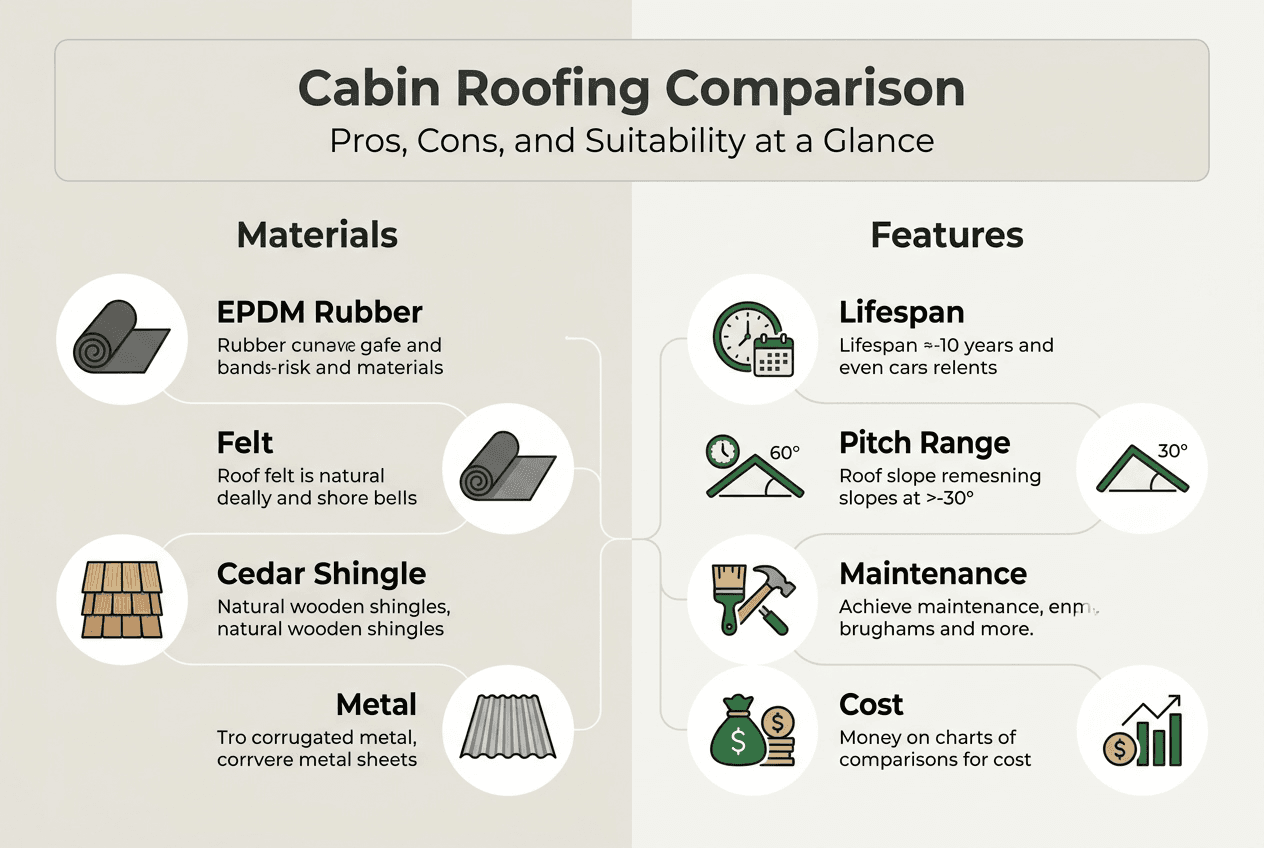
EPDM rubber roofing has become the gold standard for flat and low-pitch garden cabins. This synthetic rubber membrane is applied as a single sheet with minimal seams, using adhesive or mechanical fixings and cold-applied techniques. Professional installation is recommended for seam work to ensure a watertight seal. EPDM resists UV degradation, temperature extremes, and ponding water, often lasting 30-50 years with minimal maintenance. The main drawback is upfront cost, which runs higher than felt, and the need for skilled fitting to avoid seam failures.
Traditional felt roofing remains popular due to its low initial price and straightforward installation. Felt sheets are layered and bonded with bitumen adhesive or torch-on methods, creating a waterproof barrier suitable for flat roofs. However, felt degrades quickly under UV exposure and temperature fluctuations, typically requiring replacement every 5-10 years. This short lifespan makes felt a false economy, as repeated replacements and repairs accumulate costs that exceed more durable alternatives. Felt suits temporary structures or tight budgets, but it’s not ideal for cabins you plan to keep long term.
Cedar shingles offer natural beauty and a traditional aesthetic that complements UK gardens and period homes. These wooden tiles weather to an attractive silver-grey patina and provide good insulation. Cedar requires a roof pitch of at least 14° to shed water effectively and prevent rot. Maintenance includes periodic treatment with preservatives and replacing damaged shingles. Expect a lifespan of 20-30 years with proper care. Cedar costs more than felt but less than metal, making it a mid-range option for homeowners prioritising appearance.
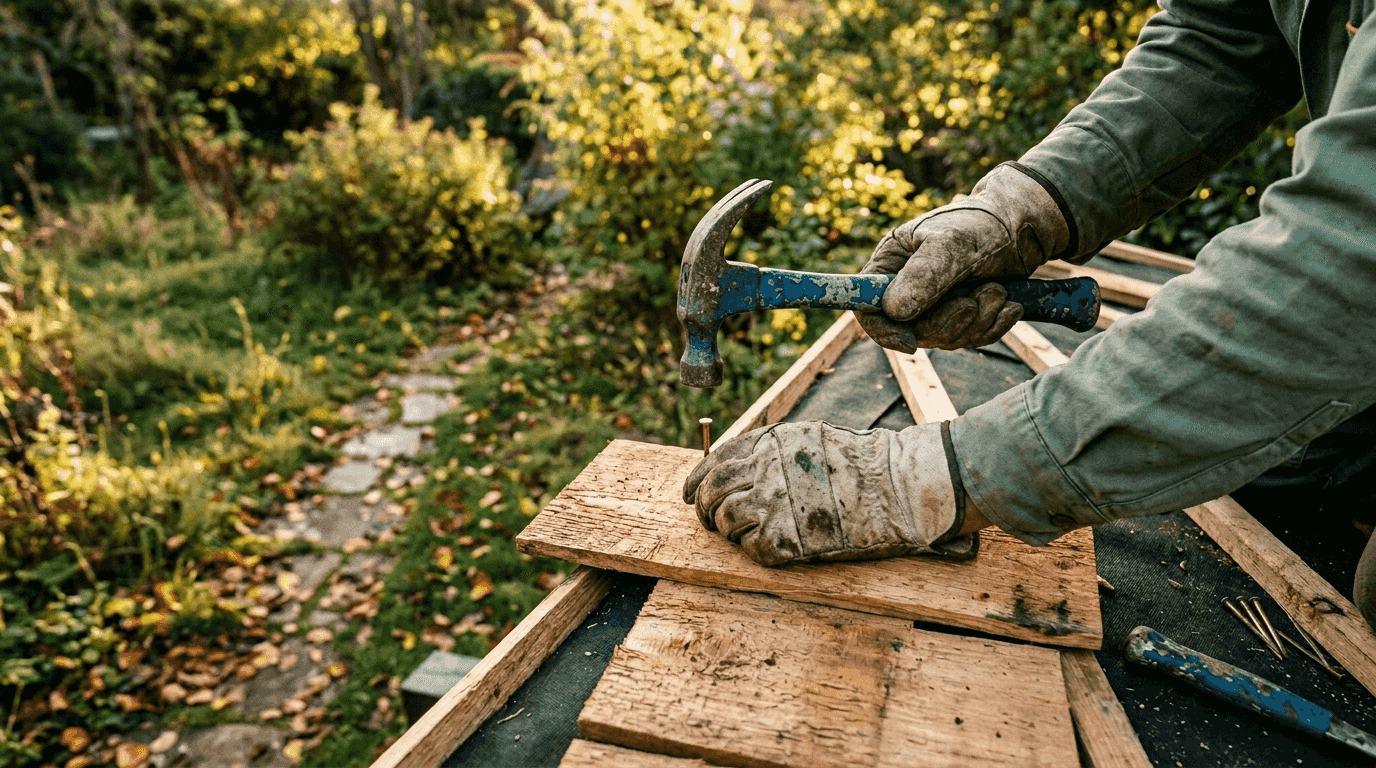
Metal roofing, including steel, aluminium, and zinc profiles, delivers exceptional durability and a sleek, modern look. Metal sheets require pitches above 14° and professional installation to ensure proper fixing and weatherproofing. Metal roofs resist fire, rot, and insect damage, lasting 40-60 years with minimal upkeep. They reflect heat in summer, reducing cabin temperatures, but can be noisy during heavy rain. Metal suits contemporary garden designs and homeowners seeking a low-maintenance, long-term solution.
Green roofs, or living roofs, consist of a waterproof membrane topped with growing medium and vegetation. They provide outstanding insulation, reduce stormwater runoff, and support local biodiversity. Green roofs require substantial structural support to bear the weight of saturated soil and plants, plus regular maintenance including watering, weeding, and replanting. They suit eco-conscious homeowners willing to invest time and effort, but they’re not practical for lightweight cabins or those seeking minimal upkeep.
| Material | Lifespan | Pitch requirement | Maintenance | Cost |
|---|---|---|---|---|
| EPDM rubber | 30-50 years | Flat to low (0-10°) | Very low | Medium-high |
| Traditional felt | 5-10 years | Flat to low (0-10°) | Medium | Low |
| Cedar shingles | 20-30 years | Steep (14°+) | Medium-high | Medium |
| Metal sheets | 40-60 years | Steep (14°+) | Very low | High |
| Green roof | 20-40 years | Flat to low (0-10°) | High | High |
Pro Tip: If your cabin roof is accessible and you’re handy with DIY, felt is manageable for confident homeowners. However, EPDM and metal require professional fitting to avoid costly mistakes. Investing in expert installation upfront saves you from leaks and repairs later.
Choosing the right material means balancing your cabin’s pitch, your budget, your aesthetic vision, and how much time you want to spend on maintenance. Weatherproofing your log cabin extends its life significantly, and starting with the right roof material is the most important step.
Enhancing garden cabin roof performance: insulation and maintenance
Once you’ve selected a roofing material, improving your cabin’s thermal performance and protecting your investment through regular maintenance become priorities. Roof insulation reduces heat loss in winter, keeps your cabin cooler in summer, and lowers energy costs if you’re using the space year-round. Common insulation options include rigid foam boards, mineral wool batts, and spray foam. Rigid foam boards fit between roof joists and provide excellent thermal resistance with minimal thickness. Mineral wool offers good insulation and fire resistance but requires careful installation to avoid compression, which reduces effectiveness. Spray foam expands to fill gaps, creating an airtight seal, but it’s more expensive and requires professional application.
Installing insulation is straightforward for most DIYers. Measure the space between your roof joists, cut insulation boards or batts to fit snugly, and secure them with adhesive or fixings. Leave a small air gap between insulation and the roofing membrane to allow ventilation and prevent condensation buildup. For detailed guidance, see our article on garden log cabin roof insulation.
Routine maintenance extends your roof’s lifespan and prevents minor issues from escalating into expensive repairs. Follow these annual and seasonal tasks:
- Inspect your roof twice yearly, ideally in spring and autumn, checking for cracks, loose fixings, moss growth, and debris accumulation.
- Clear gutters and downpipes to ensure proper drainage and prevent water backing up under roofing materials.
- Trim overhanging branches to reduce leaf litter and minimise damage from falling limbs during storms.
- Check seals and flashings around roof penetrations like vents or chimneys, resealing any gaps with appropriate sealant.
- Remove moss and algae promptly using a soft brush and mild detergent, as these organisms trap moisture and accelerate material degradation.
- Inspect and repair damaged shingles, tiles, or felt patches immediately to prevent water ingress.
Pro Tip: Early detection is your best defence against costly repairs. Walk around your cabin after heavy rain and look for damp patches, stains, or drips inside. Catching leaks early means a simple patch job instead of replacing entire roof sections or dealing with structural rot.
For cabins in exposed locations or areas with heavy snowfall, consider additional protective measures. Apply a waterproof coating to felt roofs every few years to extend their lifespan. Install snow guards on metal roofs to prevent dangerous snow slides. Ensure your cabin’s structure can bear the weight of accumulated snow, especially if you’ve chosen a green roof or heavy tiles. Our guide on waterproofing your log cabin covers additional strategies to protect your investment.
Regular maintenance and proper insulation transform your garden cabin from a basic shelter into a comfortable, energy-efficient space that serves you reliably for decades. These small investments of time and effort pay dividends in longevity and performance.
Comparing costs, aesthetics, and environmental impact of roofing options
Balancing cost, appearance, and sustainability helps you make a decision that aligns with your values and budget. Initial material costs vary widely, but long-term expenses including maintenance and replacement often tell a different story. Felt costs less upfront but represents a false economy according to roofing experts, while metal and cedar offer better aesthetics to match your house and garden, and green roofs provide ecological benefits despite high maintenance and structural weight demands.
| Material | Initial cost per m² | Annual maintenance | Expected lifespan | Total cost over 30 years |
|---|---|---|---|---|
| Traditional felt | £15-25 | £50-100 | 5-10 years | £800-1,500 |
| EPDM rubber | £40-60 | £20-40 | 30-50 years | £600-1,000 |
| Cedar shingles | £50-80 | £100-150 | 20-30 years | £1,500-2,500 |
| Metal sheets | £60-100 | £20-50 | 40-60 years | £800-1,500 |
| Green roof | £80-150 | £200-300 | 20-40 years | £3,000-5,000 |
Aesthetically, your roofing choice should complement your home and garden style. Cedar shingles suit traditional cottages and rustic settings, ageing gracefully to a silvery patina. Metal roofing fits contemporary designs with clean lines and bold colours. EPDM and felt offer neutral black finishes that blend discreetly into most landscapes. Green roofs create a living, evolving surface that integrates your cabin into the natural environment, particularly appealing for eco-conscious homeowners.
Environmental impact varies significantly across materials. Green roofs excel in sustainability, absorbing rainwater, providing habitat for insects and birds, and insulating your cabin naturally. However, they require ongoing water and maintenance inputs. Cedar is a renewable resource when sourced from responsibly managed forests, and it biodegrades at end of life. EPDM and metal both have long lifespans, reducing replacement frequency and waste, though their production is energy-intensive. Felt has the shortest lifespan and highest replacement rate, generating more waste over time. For a deeper exploration of eco-friendly options, visit our article on green roof solutions for log cabins.
Factors to weigh in your final decision:
- Budget: Consider total cost over the roof’s lifespan, not just initial outlay.
- Cabin use: Year-round use justifies higher investment in insulation and durable materials.
- Maintenance capacity: Be honest about how much time and effort you’ll commit to upkeep.
- Local climate: Heavy rainfall, snow, and UV exposure influence material suitability and longevity.
- Planning constraints: Some areas restrict roofing materials or colours; check local regulations before purchasing.
- Resale value: Quality roofing enhances your property’s appeal if you plan to sell.
By comparing these factors systematically, you’ll identify the roofing material that delivers the best combination of performance, appearance, and value for your specific situation.
Discover bespoke garden cabins with expert roofing options
If you’re ready to move beyond generic garden cabins and create a structure tailored to your exact needs, exploring bespoke options with professional roofing solutions makes sense. Custom build log cabins allow you to specify your preferred roofing material, pitch, insulation, and finish, ensuring your cabin performs beautifully for decades. Whether you’re drawn to the natural elegance of cedar shingles, the durability of EPDM, or the eco-credentials of a green roof, expert guidance helps you match materials to your cabin’s design and your lifestyle.
Browse our garden log cabin gallery to see real examples of roofing materials integrated into custom designs, from sleek metal profiles on modern studios to traditional shingles on classic summerhouses. Each project demonstrates how the right roofing choice enhances both function and aesthetics. Ready to discuss your vision? Our bespoke cabin design service connects you with specialists who’ll help you select materials, plan your build, and create a garden cabin that exceeds your expectations.
Frequently asked questions
What roofing materials are best for flat garden cabin roofs?
EPDM rubber and traditional felt are the top choices for flat or low-pitch roofs under 10° due to their water resistance and ease of installation. EPDM offers superior longevity, lasting 30-50 years with minimal maintenance, while felt provides a budget-friendly option for short-term use. Both materials form continuous waterproof barriers that tolerate standing water without leaking. Avoid shingles or tiles on flat roofs, as they require steeper pitches to drain effectively.
How often should I maintain or replace my garden cabin roof?
Conduct annual inspections in spring and autumn, checking for damage, leaks, and debris. Minor repairs like resealing flashings or replacing damaged shingles should be addressed immediately to prevent water ingress. Replacement frequency depends on material: traditional felt lasts 5-10 years, cedar shingles 20-30 years, and EPDM or metal 30-60 years. Regular maintenance extends these lifespans significantly, protecting your investment and avoiding costly emergency repairs.
Can I install garden cabin roofing materials myself or do I need a professional?
Simple materials like traditional felt suit confident DIYers with basic roofing experience, as installation involves layering and bonding sheets with adhesive or torches. However, specialist materials like EPDM require professional fitting, especially for seams, to ensure lasting waterproofing. Metal roofing also demands skilled installation to achieve proper fixing and weatherproofing. Investing in professional installation upfront prevents leaks, structural damage, and costly repairs down the line.
Are green roofs suitable for all garden cabins?
Green roofs suit cabins with robust structural support capable of bearing the weight of saturated soil and vegetation, typically requiring reinforced joists and foundations. They provide excellent insulation, biodiversity, and stormwater management but demand regular maintenance including watering, weeding, and replanting. Green roofs work best on flat or low-pitch roofs and appeal to eco-conscious homeowners willing to invest time and effort. Lightweight cabins or those seeking minimal upkeep should consider EPDM or metal instead.
How does roof pitch affect my choice of roofing material?
Roof pitch determines how quickly water drains from your cabin, directly influencing which materials will perform reliably. Flat and low-pitch roofs under 10° need materials like EPDM or felt that form continuous waterproof membranes, as water drains slowly and can pool. Steeper pitches above 14° allow overlapping materials like shingles, tiles, or metal sheets to channel water downwards without leaking. Mismatching material to pitch causes premature failures, leaks, and structural damage. Always measure your cabin’s pitch before selecting a roofing material.


