Blog


Finding the right balance between comfort, efficiency and a lighter carbon footprint can feel daunting for British homeowners exploring bespoke garden log cabins. Growing awareness of sustainable living is reshaping how people view these traditionally rustic spaces, with well-insulated cabins now offering credible year-round use. This guide clears up common misconceptions about thermal performance, highlights the environmental and practical strengths of proper insulation, and helps you make informed choices for a truly energy-efficient outdoor haven.
Table of Contents
- Insulated Log Cabins Explained And Misconceptions
- Types Of Insulation For Log Cabins In Britain
- Energy Efficiency And Thermal Performance Benefits
- Environmental Impact And Sustainability Credentials
- Costs, Savings And Common Mistakes To Avoid
- Uk Regulations And Compliance For Insulated Cabins
Key Takeaways
| Point | Details |
|---|---|
| Insulated Log Cabins Surpass Misconceptions | Modern log cabins utilise advanced insulation technologies to provide year-round comfort, debunking outdated beliefs of them being drafty. |
| Effective Insulation Options are Crucial | Homeowners should consider various insulation materials tailored to the UK’s climate to enhance energy efficiency. |
| Financial Planning is Essential | Initial investments in quality insulation yield significant long-term savings on heating costs, making professional consultation advisable. |
| Regulatory Compliance is Necessary | Understanding local building regulations and seeking professional advice ensures proper installation and avoids legal issues. |
Insulated log cabins explained and misconceptions
Insulated log cabins represent a sophisticated solution for homeowners seeking energy-efficient and comfortable living spaces. These structures go far beyond traditional garden buildings, offering remarkable thermal performance and versatility for UK properties. Log cabin insulation strategies have evolved dramatically, challenging many outdated perceptions about their effectiveness.
Contrary to popular belief, modern log cabins are not drafty, cold structures. They incorporate advanced insulation technologies that transform them into year-round living spaces. The key components that enable superior thermal performance include:
- High-quality timber with natural insulating properties
- Multi-layered wall construction
- Advanced sealing techniques
- Integrated thermal barriers
- Optional double-glazed window systems
Many homeowners mistakenly assume log cabins are only suitable for summer use. However, proper insulation fundamentally changes this perception. By implementing strategic heating and insulation methods, these structures can maintain comfortable temperatures throughout British winters.
The misconception that log cabins are inherently poor at thermal regulation stems from older, uninsulated designs. Modern engineering has completely transformed cabin construction, using sophisticated materials and techniques to create highly efficient living spaces. Thermal performance now rivals traditional brick and mortar buildings, with some log cabin designs achieving exceptional energy ratings.
Pro tip: Always request detailed insulation specifications when purchasing a log cabin to ensure optimal thermal efficiency and comfort.
Types of insulation for log cabins in Britain
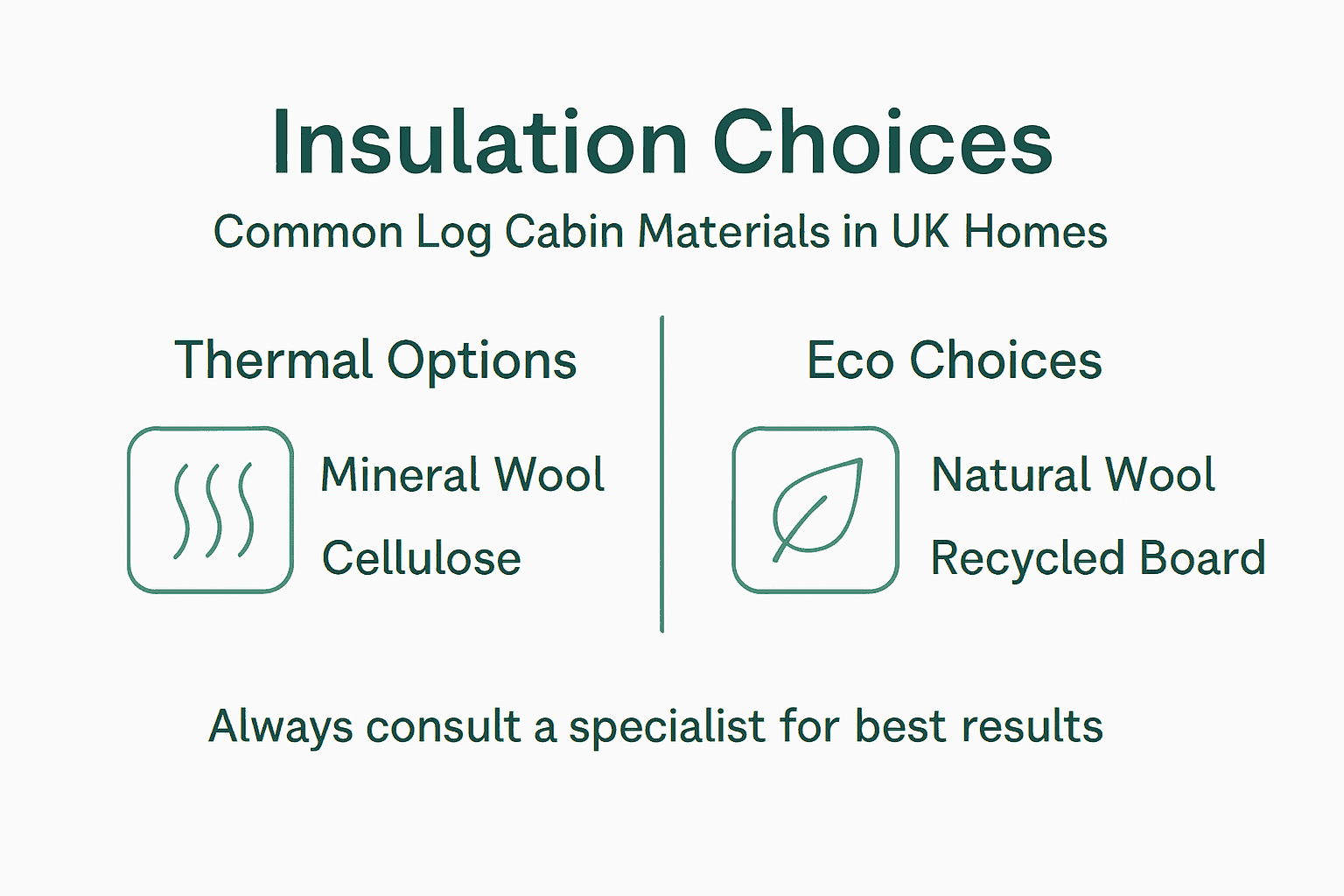
Choosing the right insulation is critical for creating energy-efficient log cabins in the UK’s variable climate. Sustainable insulation choices have evolved significantly, offering homeowners multiple options to enhance thermal performance and reduce energy consumption.
The primary types of insulation for log cabins in Britain include:
- Mineral wool: Excellent fire resistance and sound dampening
- Fibreglass: Cost-effective and widely available
- Spray foam: Superior air sealing capabilities
- Natural wool: Environmentally friendly and breathable
- Cellulose: Recycled material with good thermal properties
Each insulation type offers unique benefits tailored to different requirements. Thermal performance varies depending on the material’s density and installation technique. Some materials like spray foam provide exceptional air-tight sealing, while others like natural wool offer superior breathability for garden log cabin wall insulation.
British homeowners must consider factors beyond mere thermal efficiency. Climate adaptability, moisture resistance, and environmental impact play crucial roles in selecting appropriate insulation. Modern log cabin designs now integrate multiple insulation layers, creating sophisticated thermal barriers that significantly reduce heat loss and improve overall energy efficiency.
Pro tip: Consult a professional insulation specialist to determine the most suitable material for your specific log cabin design and local climate conditions.
Here’s a concise comparison of common log cabin insulation materials and their unique properties:
| Insulation Material | Thermal Efficiency | Sustainability Level | Notable Strength |
|---|---|---|---|
| Mineral Wool | High | Moderate | Fire resistance |
| Fibreglass | Moderate | Low | Cost advantage |
| Spray Foam | Very High | Low | Air tightness |
| Natural Wool | High | High | Breathability |
| Cellulose | Moderate | High | Recycled content |
Energy efficiency and thermal performance benefits
Log cabins have transformed from basic structures to sophisticated energy-efficient solutions for British homeowners. Make your log cabin energy efficient strategies now encompass cutting-edge thermal design principles that dramatically reduce energy consumption and enhance indoor comfort.
The key energy efficiency benefits of modern log cabins include:
- Reduced heating costs by up to 40%
- Improved thermal mass retention
- Minimal heat transfer through walls
- Enhanced indoor temperature stability
- Lower carbon footprint compared to traditional buildings
Thermal performance in log cabins stems from multiple design considerations. The natural insulating properties of timber, combined with advanced construction techniques, create a robust thermal envelope that outperforms many conventional building materials. Strategic placement of windows, careful seal installation, and innovative insulation materials contribute to exceptional energy conservation.
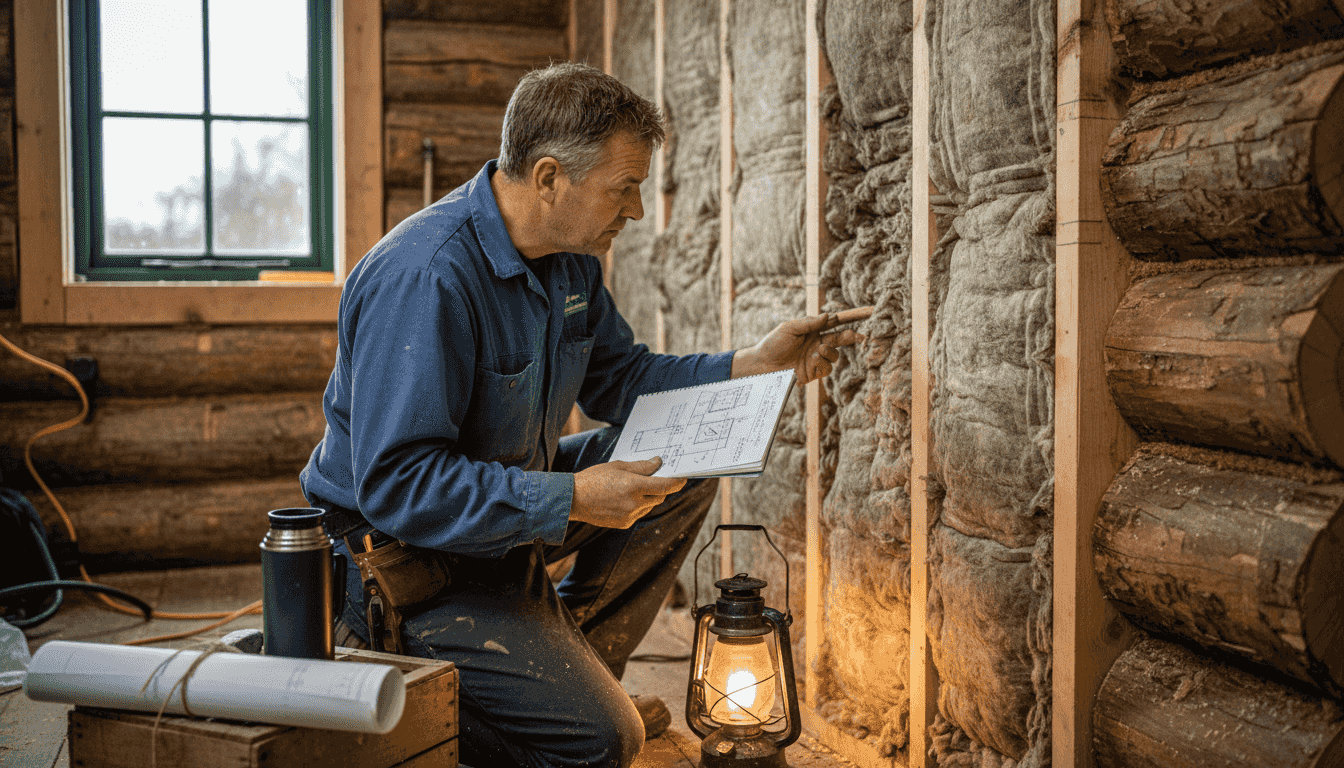
Modern log cabins leverage scientific principles of heat transfer and material science to create remarkable living spaces. By implementing multi-layered insulation systems and using advanced sealing technologies, these structures maintain consistent internal temperatures with minimal external energy input. The result is a living environment that remains comfortable throughout the UK’s challenging seasonal variations.
Pro tip: Consider professional thermal imaging analysis to identify and address potential heat loss points in your log cabin’s construction.
Environmental impact and sustainability credentials
Modern log cabins represent a significant leap forward in sustainable living solutions for environmentally conscious British homeowners. Sustainable living with garden log cabins demonstrates how these structures can dramatically reduce carbon footprints while providing functional living spaces.
The key environmental sustainability features of log cabins include:
- Renewable timber sourcing from managed forests
- Significantly reduced energy consumption
- Minimal waste during construction
- Extended building lifespan
- Natural carbon sequestration properties
Sustainable design goes beyond mere material selection. By utilising eco-friendly construction techniques and selecting environmentally responsible insulation materials, log cabins can achieve remarkable energy efficiency. Timber’s natural insulating properties, combined with advanced manufacturing processes, create structures that consume less energy and generate lower carbon emissions compared to traditional brick and mortar buildings.
British homeowners are increasingly recognising the environmental credentials of log cabins as a responsible housing alternative. The ability to create low-impact living spaces that blend seamlessly with natural surroundings while maintaining high performance standards represents a significant advancement in sustainable architectural design. Recycled and locally sourced materials further enhance the environmental benefits, making log cabins an intelligent choice for those committed to reducing their ecological footprint.
Pro tip: Research timber certification programmes to ensure your log cabin uses sustainably sourced wood from responsible forest management schemes.
Costs, savings and common mistakes to avoid
Navigating the financial landscape of log cabin insulation requires strategic planning and informed decision-making. Log cabin insulation mistakes can quickly transform a cost-saving project into an expensive undertaking if homeowners aren’t careful with their approach.
Key financial considerations and potential pitfalls include:
- Initial insulation investment ranges from £1,500 to £5,000
- Potential energy savings of 25-40% annually
- Long-term return on investment through reduced heating costs
- Importance of professional installation
- Avoiding budget-driven compromises on quality
Cost-effective strategies demand a comprehensive understanding of insulation options and installation techniques. Budget-conscious homeowners should prioritise comprehensive thermal performance over initial price point, recognising that cheaper solutions often result in higher long-term expenses. Professional assessment can help identify the most appropriate insulation method for specific log cabin requirements, preventing costly mistakes.
British homeowners frequently encounter common insulation errors that significantly impact financial outcomes. These include inadequate vapour barrier installation, neglecting proper sealing techniques, and selecting inappropriate insulation materials for the UK’s humid climate. Understanding these potential pitfalls allows for more informed decision-making, ensuring that the investment in log cabin insulation delivers both comfort and financial benefits.
Pro tip: Request multiple professional quotes and compare detailed thermal performance specifications before committing to an insulation project.
Below is a structured overview of the main financial considerations for UK log cabin insulation:
| Financial Aspect | Typical Range or Risk | Best Practice Tip |
|---|---|---|
| Initial Investment | £1,500–£5,000 | Budget for quality over price |
| Annual Energy Savings | 25–40% | Choose high thermal performance |
| Installation Quality | Major impact on cost savings | Use certified professionals |
| Long-Term Value | Home resale and comfort | Proper insulation boosts property |
UK regulations and compliance for insulated cabins
Navigating the complex landscape of building regulations is crucial for UK homeowners planning log cabin installations. Building regulations compliance requires careful consideration of multiple legal and structural requirements.
Key regulatory considerations for insulated log cabins include:
- Planning permission requirements
- Building control approval processes
- Thermal efficiency standards
- Structural integrity regulations
- Electrical and utility connection rules
Compliance frameworks differ significantly depending on the cabin’s intended use and location. Residential log cabins typically face more stringent regulations compared to garden structures, with specific requirements around:
- Maximum permitted floor area
- Height restrictions
- Distance from property boundaries
- Insulation performance standards
- Safety and fire regulations
British local authorities maintain detailed guidelines that homeowners must carefully navigate. Professional consultation becomes essential, as non-compliance can result in substantial financial penalties and potential mandatory dismantling of unauthorised structures. The complexity of these regulations underscores the importance of working with experienced professionals who understand local building codes and can guide homeowners through the compliance process.
Pro tip: Always consult your local planning department and obtain written confirmation of regulatory requirements before commencing any log cabin installation project.
Discover Bespoke Insulated Log Cabins Designed for UK Comfort
Struggling to find a log cabin that combines energy efficiency with year-round comfort? Many homeowners face the challenge of outdated designs that lack proper thermal performance and insulation. At Log Cabin Kits, we specialise in bespoke and custom builds crafted to overcome these common pitfalls. Our cabins incorporate advanced insulation techniques and premium materials tailored specifically to the British climate, ensuring your garden space stays warm, cosy, and efficient.
Do not settle for drafty summer sheds when you can enjoy a fully insulated log cabin all year round. Explore our custom build options today and take advantage of expert advice on insulation and heating solutions that deliver long-term savings and sustainability. Act now to transform your outdoor living experience with a cabin that truly meets the high standards of UK home comfort and efficiency.
Frequently Asked Questions
What insulation options are available for log cabins?
The primary insulation types for log cabins include mineral wool, fibreglass, spray foam, natural wool, and cellulose. Each type offers unique benefits such as fire resistance, cost-effectiveness, and eco-friendliness.
How can insulated log cabins maintain comfortable temperatures in winter?
Insulated log cabins utilize high-quality timber, multi-layered wall construction, advanced sealing techniques, and optional double-glazed windows to ensure optimal thermal performance, allowing them to maintain comfortable temperatures year-round.
What are the energy efficiency benefits of modern log cabins?
Modern log cabins can reduce heating costs by up to 40%, improve thermal mass retention, and lower carbon footprints compared to traditional buildings, making them more energy-efficient and sustainable.
How do building regulations affect the installation of insulated log cabins?
Building regulations include factors such as planning permission, thermal efficiency standards, structural integrity, and safety requirements. Compliance with these regulations is crucial for legal installation and avoiding penalties.
Recommended
- Log Cabin Insulation: Comfort, Efficiency, And UK Needs
- Insulate Your Garden Log Cabin – Log Cabin Kits to Buy Online
- Energy-Efficient Heating – Log Cabin Kits to Buy Online
- Insulating the Roof of Cabin | Log Cabin Kits
- Impact of Insulation on HVAC Performance and Costs – HVAC Service and Repair | Louisville, KY | Project Heating & Cooling