
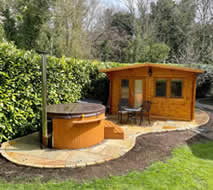
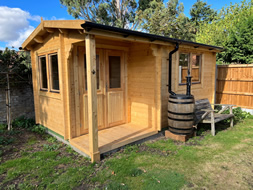
Tired of seeing that awkward garden corner go unused while you dream of a space tailored for your needs? The right bespoke corner log cabin changes everything, turning underused plots into flexible, stylish zones for work, hobbies, or relaxation. With British gardens demanding smart solutions, these cabins fit neatly into tight corners, offering real benefits without losing precious lawn or light. Discover how thoughtful design transforms outdoor living and gives every metre of your garden true purpose.
Table of Contents
- Corner Log Cabin Purpose And Concept
- Types And Design Variations Explained
- Key Features For Bespoke UK Cabins
- Popular Uses In Modern Gardens
- Space-Saving And Practical Advantages
- Choosing, Customising And Common Pitfalls
Key Takeaways
| Point | Details |
|---|---|
| Maximising Garden Space | Corner log cabins efficiently utilise garden corners, transforming underused areas into functional spaces without sacrificing central lawn and planting areas. |
| Bespoke Design is Essential | Customisation allows corner cabins to be tailored to your specific needs, ensuring they enhance both functionality and aesthetic appeal within your garden. |
| Versatile Functionality | Corner cabins can serve multiple purposes, such as home offices, creative spaces, or guest accommodation, adapted to fit your lifestyle requirements. |
| Prioritise Durability | Choosing quality materials and designs that address British weather conditions will extend the lifespan and functionality of your corner cabin significantly. |
Corner Log Cabin Purpose And Concept
A corner log cabin represents a thoughtful shift in how you use your garden. Rather than treating your outdoor space as purely decorative, a well-designed corner cabin transforms it into a genuinely functional extension of your home. Unlike standard structures, a corner placement maximises your available garden real estate. You gain sheltered space while maintaining sight lines across your garden and natural light flow to your main house. The concept is straightforward: position a compact yet purposeful structure in a corner of your plot, creating a dedicated zone for whatever matters most to you.
The real power of a corner log cabin lies in its flexibility. You might use it as a dedicated workspace, a retreat for hobbies, a guest accommodation, or simply a quiet space to escape. Many garden enthusiasts discover that outdoor living spaces fundamentally change how they enjoy their gardens through the seasons. Since corner positioning is efficient, you avoid wasting central garden area, leaving your lawn and planting space untouched. The cabin becomes a deliberate addition rather than an intrusion. Bespoke corner cabins are particularly valuable because they slot perfectly into irregular plot shapes, maximising the awkward spaces that most prefabricated structures struggle to accommodate.
What separates a corner cabin from generic garden structures is the customisation at its heart. Rather than forcing a standard size or layout to fit your corner, a bespoke cabin is designed specifically around your space, your needs, and your aesthetic preferences. You control the entrance position, window placement, internal layout, and even the timber finish. This personalised approach means your cabin genuinely works with your garden rather than against it. A corner cabin can be as modest as a 2m by 2m retreat or scaled up to become a serious multifunctional space.
Practical insight When planning your corner cabin placement, consider morning light direction and prevailing winds, then work backwards to determine optimal window and door positioning, ensuring comfort throughout the year.
Types And Design Variations Explained
Corner log cabins come in far more varieties than you might initially think. The design possibilities expand considerably when you move away from one-size-fits-all thinking and embrace bespoke customisation. Your corner cabin can be a simple single-room retreat measuring just 3m by 3m, or it can sprawl into a complex multi-zone space with separate living, sleeping, and working areas. The key difference between a standard cabin and a corner cabin lies in how the structure integrates with your specific plot. A well-designed corner cabin feels like it was always meant to be there, nestled perfectly into the geometry of your garden rather than fighting against an awkward space.
Design variations break down into several practical categories. Compact retreats work brilliantly for modest gardens, offering a cosy workspace, studio, or guest bedroom without dominating your plot. Extended cabins give you multiple distinct zones within a single structure, perfect if you want a studio setup with a sleeping area or a lounge with a kitchenette. Open-plan designs maximise the sense of space and light, ideal when you want flexibility to reconfigure the interior for different purposes. Partitioned layouts create defined rooms, which many people prefer for dedicated uses like home offices or guest accommodation. The beauty of bespoke design is that you might combine elements from multiple approaches. For instance, you could have a partially open space that uses a clever internal partition to divide work from rest zones when needed.
Your roof style, orientation, and timber finish all contribute to how the cabin functions. Pitched roofs offer generous headroom and weatherproofing; flat roofs create a contemporary look and easier maintenance. Timber selection ranges from traditional golden pine to darker treated finishes that age beautifully over time. Window positioning makes an enormous difference. Strategically placed windows can frame garden views, maximise afternoon light, or provide privacy depending on what your corner cabin is for. Many people overlook this during planning and regret it later. The most successful bespoke corner cabins balance aesthetic appeal with practical function, ensuring the structure enhances your garden’s character whilst delivering exactly what you need from the space.
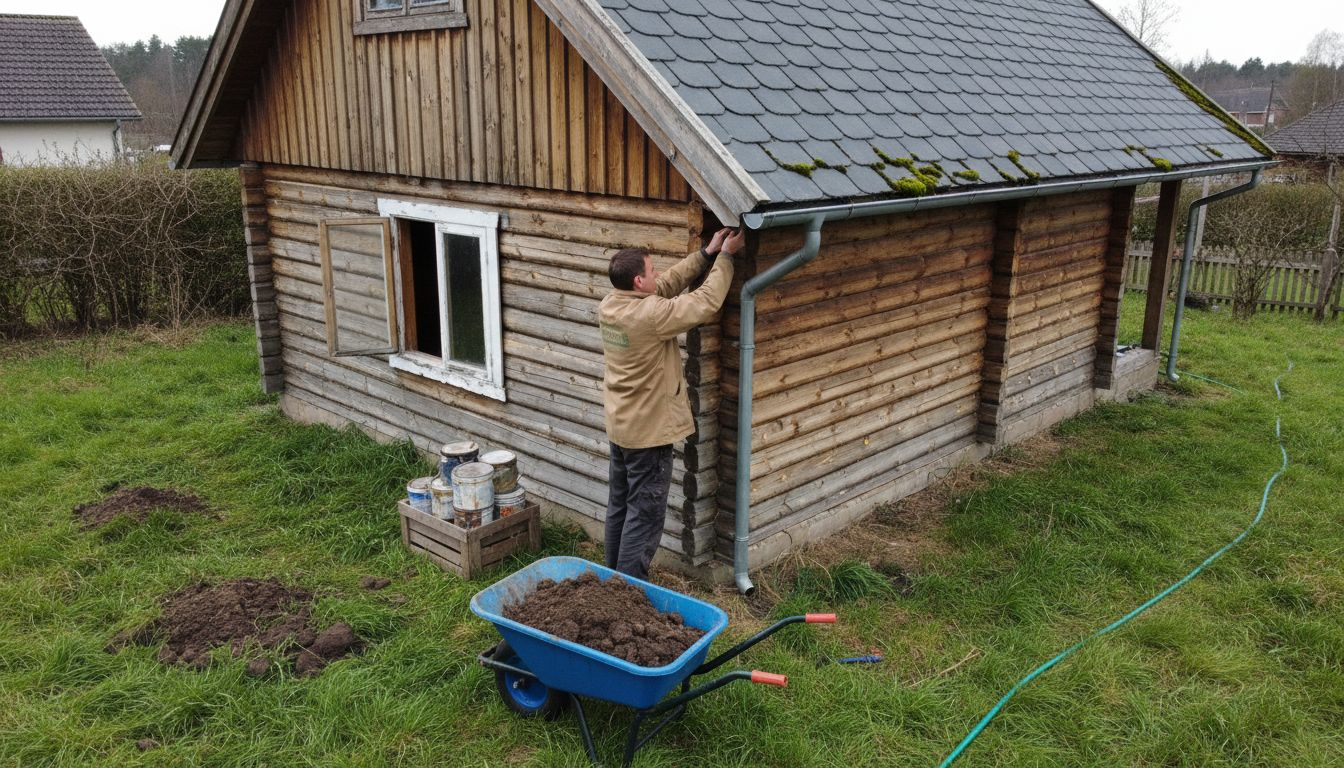
When evaluating benefits of choosing a log cabin, consider how the design variation you select will interact with your daily habits and seasonal weather patterns.
Practical insight Sketch your corner space from multiple angles and imagine how morning light, afternoon shadows, and prevailing winds will affect comfort throughout the day, then adjust your chosen design variation accordingly.
Key Features For Bespoke UK Cabins
Bespoke UK corner cabins are built to handle the specific demands of British weather and gardens. Standard cabins often fail because they’re designed for generic conditions. Your bespoke cabin, by contrast, can be engineered precisely for your location’s rainfall patterns, wind exposure, and seasonal temperature swings. Timber selection becomes critical here. Many bespoke builders use pressure-treated timber or naturally durable species that resist the damp British climate far better than cheaper alternatives. The walls themselves are typically constructed with thicker logs than mass-produced versions, providing superior insulation and longevity. Your corner cabin isn’t just a structure; it’s an investment in durability.
Key features that distinguish quality bespoke cabins include proper ventilation systems that prevent condensation and internal decay, elevated flooring that keeps moisture from pooling beneath the cabin, and high-quality roofing materials that shed water reliably for decades rather than years. Many UK garden enthusiasts underestimate the importance of drainage around the cabin’s perimeter. Poor drainage causes rot faster than anything else. A well-designed bespoke cabin includes guttering, downpipes, and gravel or paving that channels water away from the structure. Window quality matters enormously too. Double-glazed or triple-glazed windows with proper seals keep warmth in and drafts out, making your cabin comfortable even in winter months. The door frame and weatherstripping are equally important; gaps here undermine everything else you’ve invested in.
Interior features depend entirely on your intended use, but certain elements appear in the best bespoke designs. Proper insulation in walls and roof prevents cold spots and condensation. Electrical provision should be planned from the start, with conduits run during construction rather than added afterwards. Flooring options range from simple timber joists to fully finished boards or even composite decking, depending on your purpose and budget. Customisation options for bespoke cabin design let you tailor every detail to your exact requirements. The most successful bespoke cabins balance initial investment with genuine functionality. You’re not paying for unnecessary bells and whistles; you’re paying for thoughtful engineering that makes your corner cabin work reliably for 20, 30, or even 40 years.
Practical insight Prioritise durability features like timber quality and drainage over cosmetic upgrades when planning your bespoke cabin, as these directly extend the cabin’s lifespan and prevent costly repairs down the line.
For reference, here’s a summary of crucial bespoke corner cabin features for British gardens:
| Feature | Purpose | Benefit for UK Gardens |
|---|---|---|
| Pressure-treated timber | Resists moisture and decay | Extended lifespan in wet climate |
| Elevated flooring | Prevents ground moisture ingress | Reduces risk of rot and mould |
| Double-glazed windows | Improves insulation, reduces noise | Comfortable year-round use |
| Proper drainage system | Directs water away from cabin | Protects structure foundation |
Popular Uses In Modern Gardens
Corner log cabins have become remarkably versatile solutions for modern garden challenges. The shift towards remote working has transformed how people view their outdoor spaces. Rather than purely recreational areas, gardens now serve multiple practical purposes. A corner cabin can address this shift brilliantly. Whether you need a dedicated workspace away from household distractions, a creative studio, or simply a quiet retreat, your bespoke cabin adapts to what you actually need. Garden log cabins increasingly serve as dedicated workspaces for remote workers seeking professional separation from home life. This isn’t about luxury or indulgence. It’s about functional necessity. A properly designed garden log cabin gives you the boundary that makes working from home genuinely sustainable.
Beyond home offices, corner cabins excel as creative and hobby spaces. Photographers set up studios for editing and client meetings. Artists create uninterrupted painting or sculpture studios. Musicians practise without bothering neighbours. Crafts enthusiasts establish proper workbenches for woodworking, jewellery making, or textile work. The beauty lies in having a dedicated zone with climate control, electricity, and proper lighting. You stop wrestling with dining table setups or converting spare bedrooms. Fitness enthusiasts build small gyms or yoga studios. Gardeners use them as potting sheds with actual comfort and organisation. Writers and authors discover that changing location dramatically improves creative output. The list extends far beyond what most people initially consider. Your specific use drives the design, but the principle remains constant: a purposeful space transforms how effectively you pursue what matters.
Guest accommodation represents another popular use, especially for families with elderly relatives or frequent visitors. A corner cabin provides genuine independence for guests whilst maintaining proximity to your main house. No shared bathrooms, no navigating through family routines. A small kitchenette means guests can prepare light refreshments without intruding on your kitchen. Some people use their cabins seasonally as holiday spaces, weekend escapes, or meditation retreats. The growing interest in sustainable living finds expression here too. A well-insulated corner cabin reduces overall household energy demand. You’re not heating unused rooms in the main house; you’re using targeted, efficient heating in a smaller space. Many UK garden enthusiasts discover that their corner cabin becomes a refuge from the demands of modern life. It’s a space that genuinely works for you rather than against you.
Practical insight Before committing to a final design, spend a week noting how you’d actually use the space throughout the day and across seasons, then design your cabin specifically around those patterns rather than guessing what you might need.
Here’s a comparison of popular corner log cabin uses and the design considerations for each:
| Intended Use | Important Features | Typical Size Range | Additional Consideration |
|---|---|---|---|
| Home Office | Insulation, soundproofing | 2m x 2m to 3m x 4m | Reliable electrical supply |
| Creative Studio | Natural light, ventilation | 3m x 3m and above | Flexible interior layout |
| Guest Accommodation | Heating, privacy, bathroom | 3m x 4m and above | Kitchenette or en suite option |
| Fitness Space | Durable flooring, air flow | 2.5m x 3m to 4m x 5m | Space for equipment storage |
| Hobby Workshop | Workbenches, bright lighting | Variable, 2m x 2m+ | Easy-clean surfaces |
Space-Saving And Practical Advantages
Corner placement is where bespoke cabin design truly shines. Most gardens contain at least one awkward corner: an area too narrow for comfortable seating, too shaded for planting, or simply unused because it doesn’t fit standard landscape design. These spaces feel wasted. A corner cabin transforms dead space into purposeful real estate. You’re not sacrificing your manicured lawn or your patio seating area. Instead, you’re activating a zone that would otherwise sit empty. The geometry works in your favour. Corner log cabins maximise garden space by fitting snugly into underutilised corner areas, providing roomy interiors without compromising central garden usability. This is particularly valuable if you have a smaller plot. A 2.5m by 3m cabin tucked into a corner gives you genuine interior space whilst leaving your garden feeling open rather than cramped.
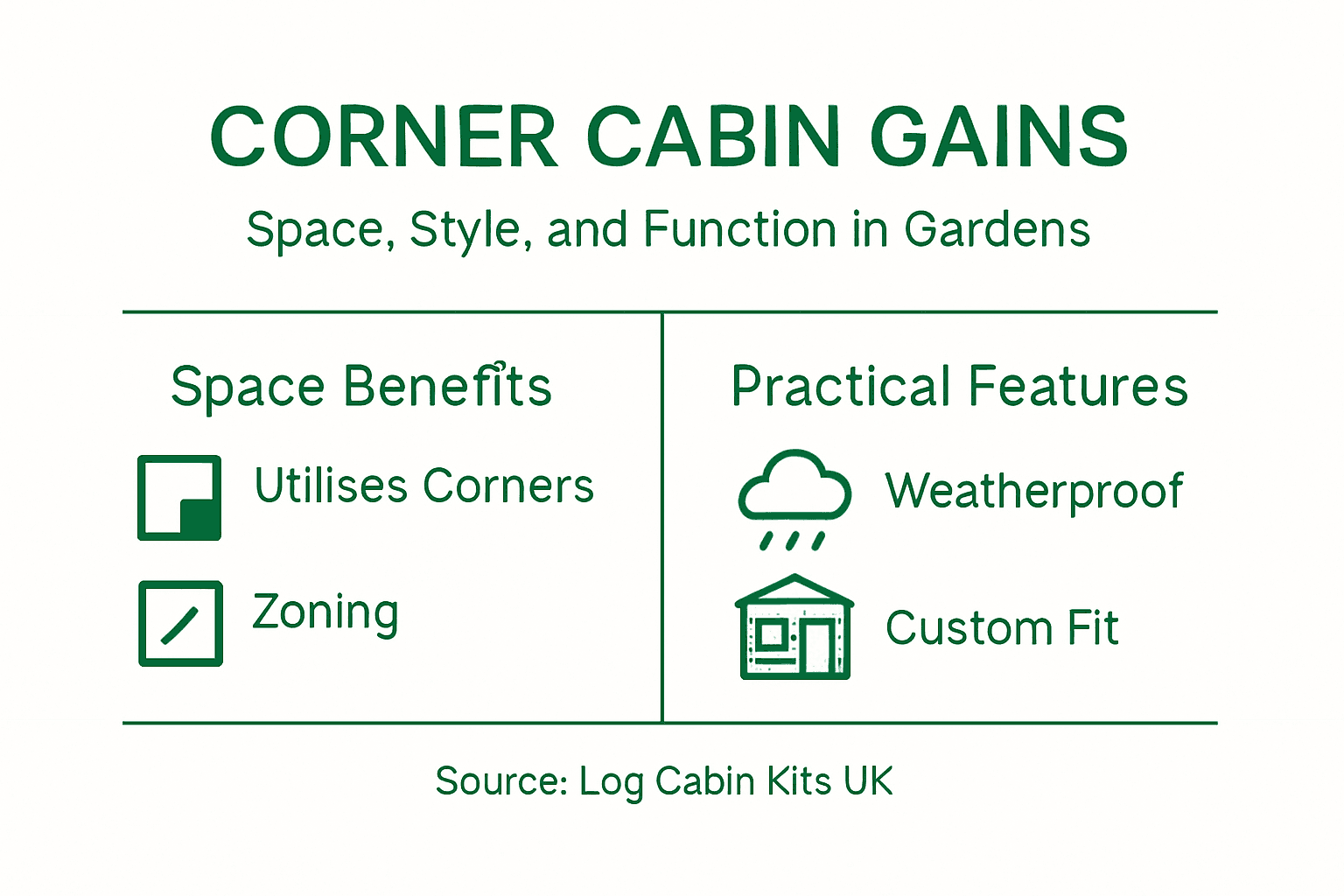
The practical advantages extend beyond square footage. A corner cabin creates distinct zones within your garden, which actually makes smaller spaces feel larger. Your eye travels naturally from the main house across open lawn to the cabin at the far corner, creating depth and visual interest. This zoning principle explains why garden designers charge money for it. You’re not just adding a structure; you’re fundamentally improving how your garden functions and feels. Internal layout benefits from corner positioning too. Entrance doors can face away from neighbours’ sight lines, providing privacy. Windows can frame specific garden views rather than looking at fence panels. Utility connections like electricity and water run more efficiently along garden perimeters, requiring shorter cable and pipe runs than central installations. These might seem like minor details, but they compound into genuine savings and improved functionality.
Climate control represents another underrated advantage. A corner cabin positioned correctly catches morning sun whilst avoiding afternoon heat buildup. The two exterior walls exposed to weather create natural cross-ventilation opportunities when windows are positioned thoughtfully. You’re working with your garden’s microclimate rather than fighting it. Many people discover their corner cabin stays warmer in winter and cooler in summer than they anticipated, simply because the positioning and design respond to actual site conditions. This reduces heating and cooling demands, lowering your energy costs. The bespoke approach means these practical advantages aren’t accidental. Your corner cabin is designed specifically for your garden’s orientation, your local climate, and your actual usage patterns. You gain efficiency by design rather than hoping generic solutions happen to work.
Practical insight Map your garden’s sun path throughout a full day, then align your cabin’s main glazing to capture beneficial light whilst positioning solid walls against prevailing winter winds for maximum energy efficiency.
Choosing, Customising And Common Pitfalls
Selecting your corner cabin requires honest thinking about what you actually need versus what sounds appealing. Many people start with vague ideas like “a quiet space” or “somewhere to get away” then discover these intentions don’t translate into practical specifications. Begin by spending time in your garden corner at different times of day and in various weather conditions. Notice how light moves, where wind funnels, which neighbours might have sightlines. This groundwork informs everything from size to orientation. Bespoke design means your cabin can accommodate specific requirements: a north-facing wall for shade-loving hobbies, large windows toward views, compact footprint in tight spaces. The customisation options seem endless, which is exactly where people stumble. You don’t need every feature available. Prioritise ruthlessly. If you’re primarily using your cabin as a workspace, insulation and heating matter far more than a kitchenette. If it’s guest accommodation, prioritise comfort basics over luxury extras that you’ll never use. Customisation options for bespoke cabin design should enhance your specific purpose, not inflate the budget.
Common pitfalls emerge during planning and installation. Size miscalculation ranks high on the list. People underestimate how much internal space they actually need, then build a cabin that feels cramped. Conversely, some oversize their structure and regret the garden dominance. Sketch to scale using graph paper or digital tools. Stand in your marked corner and visualise actual dimensions. Window placement mistakes create genuine regrets. A cabin facing the wrong direction catches afternoon heat you don’t want or misses morning light entirely. Electrical and plumbing location decisions made hastily mean expensive relocations later. Underestimating weather exposure causes performance problems. A cabin positioned to catch every prevailing wind becomes uncomfortable. Poor drainage around the perimeter leads to moisture issues and rot within years. Foundation mistakes determine whether your cabin settles unevenly or remains stable. These aren’t cosmetic concerns. They directly impact longevity and functionality.
Permitting and planning requirements vary across local authorities. Some areas require approval for structures above certain sizes or in conservation zones. Building regulations affect insulation standards, electrical safety, and structural requirements. Many people overlook these early, then face costly modifications. Contact your local authority before finalising designs. Discuss requirements with your bespoke cabin provider. Quality builders understand these regulations and design accordingly. Poor site preparation ranks alongside poor design choices. Uneven ground, inadequate drainage, or lack of access during construction compounds every other problem. Budget for proper site assessment and foundation work. Avoiding mistakes in log cabin construction requires attention to detail throughout planning and installation phases. The most successful corner cabin projects treat customisation as a tool for solving real problems, not as an opportunity to add unnecessary features.
Practical insight Create a detailed written brief listing your cabin’s primary purpose, specific dimensions needed, essential features, and must-haves versus nice-to-haves, then share this with your bespoke designer before any preliminary drawings begin.
Unlock Your Garden’s Full Potential with a Bespoke Corner Log Cabin
If you have an awkward or underused garden corner that feels like wasted space you are not alone. The challenge of transforming these difficult areas into functional, stylish retreats is exactly why bespoke corner log cabins are gaining popularity. This carefully designed solution addresses key pain points such as optimising space without compromising natural light or garden views while also providing a durable, weather resistant structure tailored to your unique needs. Whether you seek a peaceful home office studio or a cosy guest retreat choosing a cabin that fits your garden’s layout and climate can truly transform how you live outdoors.
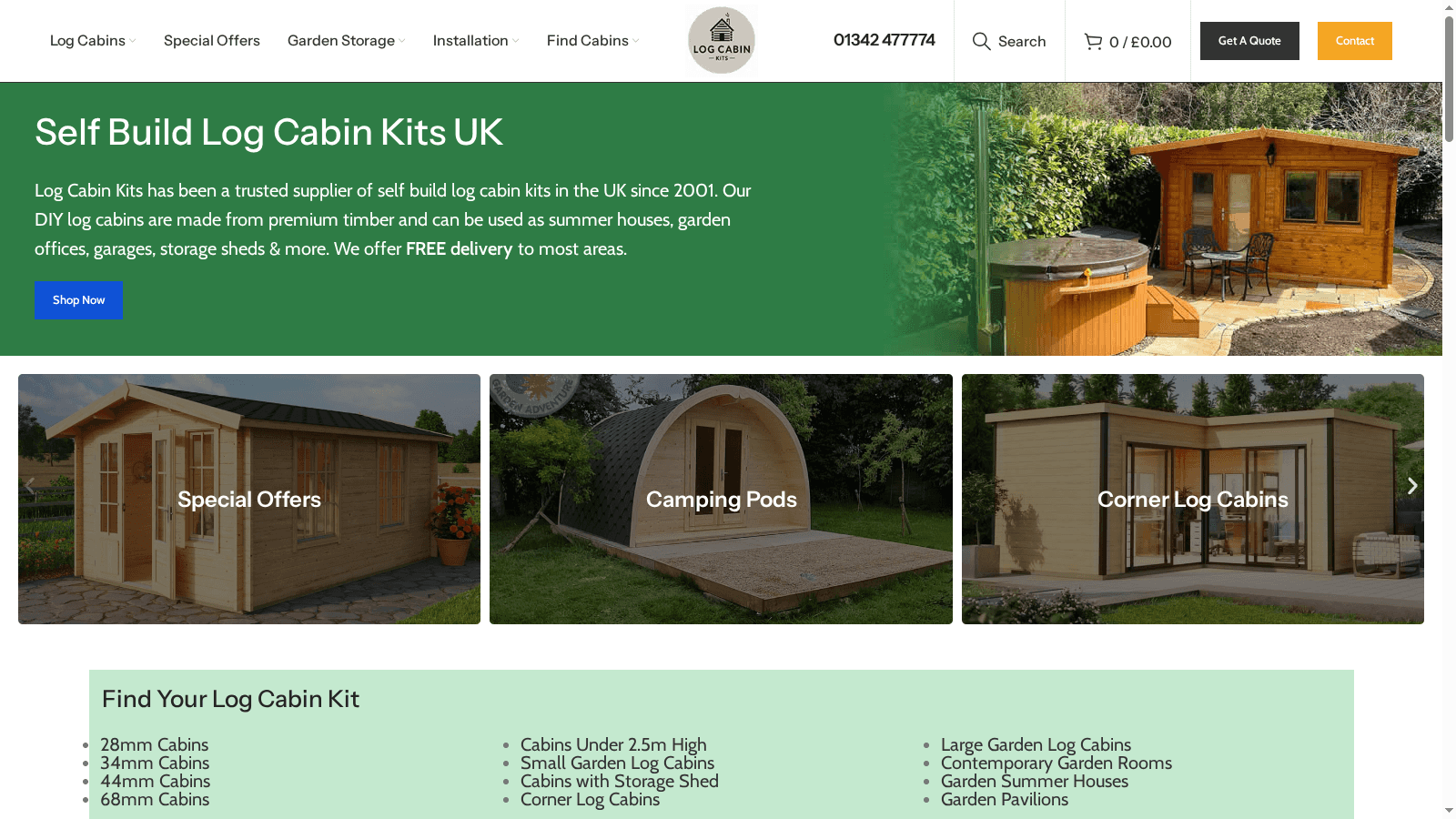
Explore the possibilities at Log Cabin Kits where you can customise every feature to ensure your corner cabin works perfectly for you. From timber finishes to window placement and insulation options each detail is crafted with your garden and lifestyle in mind. Do not let inconvenient garden shapes limit your ambitions. Visit https://logcabinkits.co.uk today and start designing a corner cabin that unlocks new enjoyment and purpose for your outdoor space. You can also discover more on customisation options for bespoke cabin design to make sure every detail fits your vision.
Frequently Asked Questions
What are the benefits of a corner log cabin?
A corner log cabin optimises garden space by making use of awkward areas that are often left unused. It provides a functional extension of your home, ideal for workspaces, hobbies, guest accommodation, or quiet retreats, while maintaining the visual appeal and usability of your garden.
How can I customise my corner log cabin?
You can customise your corner log cabin in various ways, including choosing the size, layout, window placement, entrance position, and timber finish. This bespoke approach ensures the cabin fits seamlessly into your garden and meets your specific needs.
What features should I consider when designing a corner log cabin?
Important features to consider include proper insulation, ventilation, drainage, high-quality windows, and elevated flooring. These elements ensure durability, comfort, and effective use of the space throughout different weather conditions.
What are common uses for corner log cabins in modern gardens?
Common uses for corner log cabins include home offices, creative studios, guest accommodation, hobby workshops, and fitness spaces. Their flexible design allows them to adapt to various activities, enhancing the overall functionality of your garden.
Recommended
- Cabins: Bringing the Outdoors In | LogCabinKits.co.uk
- Using Your Log Cabin as a Gardening and Potting Shed
- Turning a Cabin into a Recreational Room | Log Cabin Kits
- Transform Your Garden with a Log Cabin Recreational Room - Log Cabin Kits to Buy Online
- Stylish Slate Coasters for Every Home Decor – The Regimental Store Ltd