
How layout transforms custom garden buildings: function & style
TL;DR:
- Proper layout ensures garden buildings feel like a natural extension of the landscape.
- Key elements include orientation, window placement, and access paths to maximize usability.
- Designing with flexibility and future needs in mind creates long-lasting, harmonious garden spaces.
Layout isn’t just about where you put the sofa. For custom garden buildings, it’s the single biggest factor that determines how useful your space feels and how well it sits within your garden. Get it wrong and you’ll have a beautiful cabin that faces the wrong way, blocks your light, or simply doesn’t work for how you live. Get it right, and you’ve got a space that earns its place every single day. This guide walks you through everything you need to know about layout, from orientation and window placement to how your building connects with the wider landscape.
Table of Contents
- Why layout matters in garden buildings
- Core elements of effective garden building layout
- The layout planning process for bespoke buildings
- Layout and garden harmony: blending building with landscape
- Our perspective: the one layout truth most people overlook
- Explore bespoke garden layouts with expert support
- Frequently asked questions
Key Takeaways
| Point | Details |
|---|---|
| Layout shapes use and style | A smart layout determines how a custom garden building feels and functions every day. |
| Light and views matter | Window and door placement influence both comfort inside and your connection with the outdoors. |
| Plan for adaptability | Flexible layouts help your building change with your needs over time. |
| Harmony adds value | Linking building layout and landscape boosts both visual appeal and practicality. |
Why layout matters in garden buildings
Most people spend a lot of time choosing the right size of cabin or picking the perfect cladding colour. Layout? That often gets left until later, almost as an afterthought. But layout shapes your experience of a garden building more than almost anything else.
Think about how you approach a space. The path you walk to get there, the door you open, the first view you see when you step inside. All of these are layout decisions. And they all affect how the building feels, day after day.
“Layout affects aesthetics through integration with the garden landscape, window placement for views and light, and material harmony with your home.”
When layout works well, the building feels like a natural extension of the garden. When it doesn’t, even the most stylish cabin can feel out of place or awkward to use.
Here are some of the most common layout mistakes we see:
- Placing windows where they face a fence instead of the garden
- Siting the building so it blocks sunlight to the house or lawn
- Ignoring the natural approach route from the house
- Choosing a style that clashes with the existing home and garden aesthetic
- Designing purely for floor area without thinking about flow
These aren’t minor issues. They affect how much you actually use and enjoy the space. A garden office that’s awkward to reach on a rainy morning quickly becomes a chore. A studio that overheats because it faces south with no shade becomes unusable in summer.
If you’re drawn to the latest garden building design trends, it’s worth pausing to consider whether those trends actually suit your specific plot. Trends are a great starting point, but your layout must respond to your garden, not someone else’s.
For anyone planning a working space, looking at smart office layout ideas can be genuinely eye-opening. Small shifts in how a room is arranged make a big difference to productivity and comfort.
With the fundamentals clear, let’s examine the core elements that make up an effective custom garden building layout.
Core elements of effective garden building layout
Getting your layout right means making several interconnected decisions early in the process. These aren’t things to leave until the build stage. The earlier you think about them, the better the outcome.
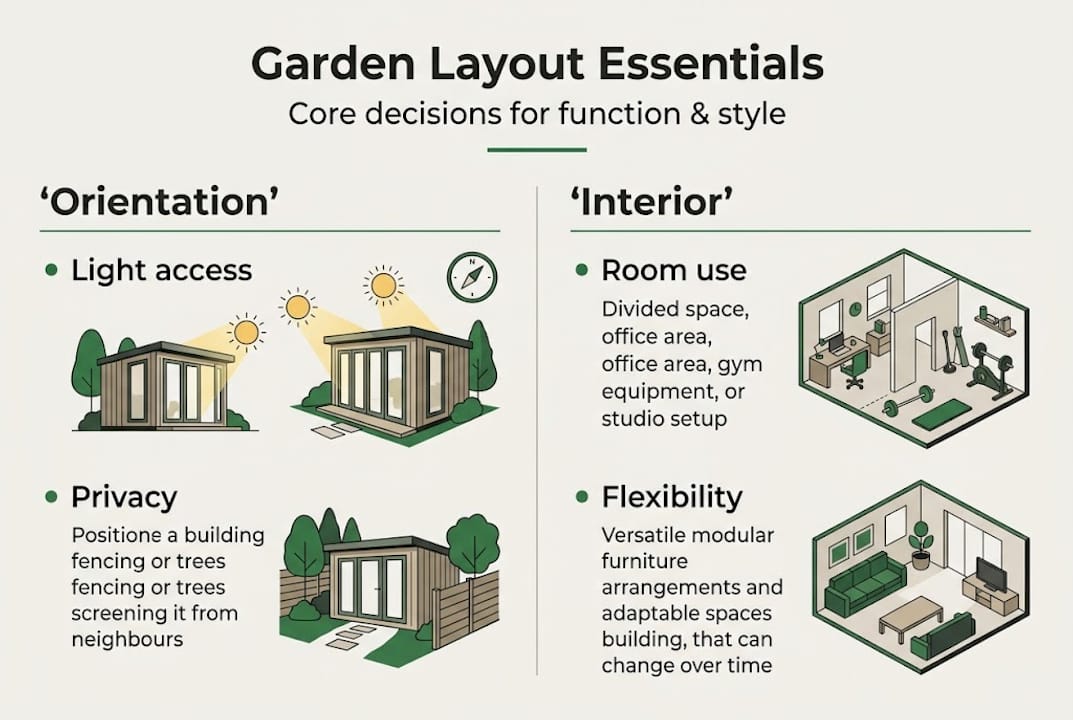
1. Orientation for light and privacy North-facing buildings can feel dark and cold. South-facing ones can overheat without proper shading. East-facing is great for morning light; west-facing suits afternoon use. Think about when you’ll use the space most, and orient for best light accordingly.
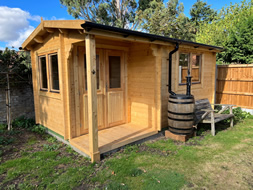
2. Window and door placement Windows aren’t just for light. They frame views, support ventilation, and set the mood. Positioned thoughtfully, they connect the inside with the garden beautifully. Understanding how to approach choosing garden room windows is one of the most valuable steps you can take.
3. Access paths and connections How you reach the building matters. A direct, sheltered path from the house makes daily use easy. A route that takes you across wet grass in winter does not.
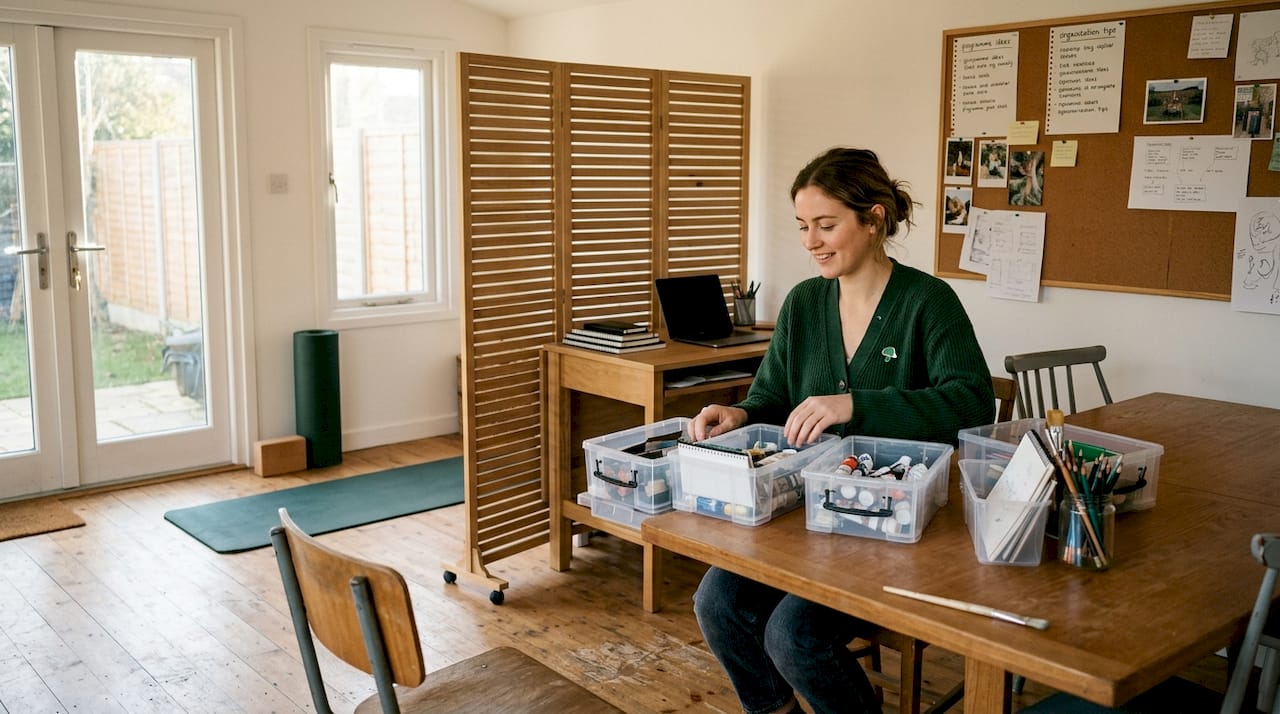
4. Spatial layout for intended use A garden office needs very different internal arrangement to a yoga studio or a leisure cabin. Think about your furniture, your workflow, and your natural movement through the space. A thorough approach to bespoke garden office planning will cover all of this.
Comparison: single-purpose vs. multi-purpose layout
| Feature | Single-purpose layout | Multi-purpose layout |
|---|---|---|
| Zoning needed | Minimal | Essential |
| Storage requirements | Focused | Varied |
| Window arrangement | Task-specific | Flexible and varied |
| Future adaptability | Lower | Higher |
| Internal dividers | Rarely needed | Often beneficial |
Pro Tip: Don’t just design for how you use the space now. Think about how it might need to work in three or five years. A little flexibility built into the layout saves a lot of disruption later.
Now that you know the essential choices, let’s see how the layout process works, from vision to reality.
The layout planning process for bespoke buildings
Planning a bespoke garden building layout isn’t a single decision. It’s a process, and going through each stage carefully pays off enormously.
1. Define your purpose clearly Before anything else, write down exactly how you plan to use the space. Working, creating, relaxing, exercising? Will more than one person use it? Will it serve different purposes at different times? This purpose brief is your foundation. As a starting point, layout planning starts with purpose and site assessment, then moves to visualisation.
2. Carry out a site assessment Walk your garden at different times of day. Note where the light falls, where it’s shaded, where you naturally walk, and what views you want to capture or avoid. Consider drainage, access, and any overlooking from neighbouring properties.
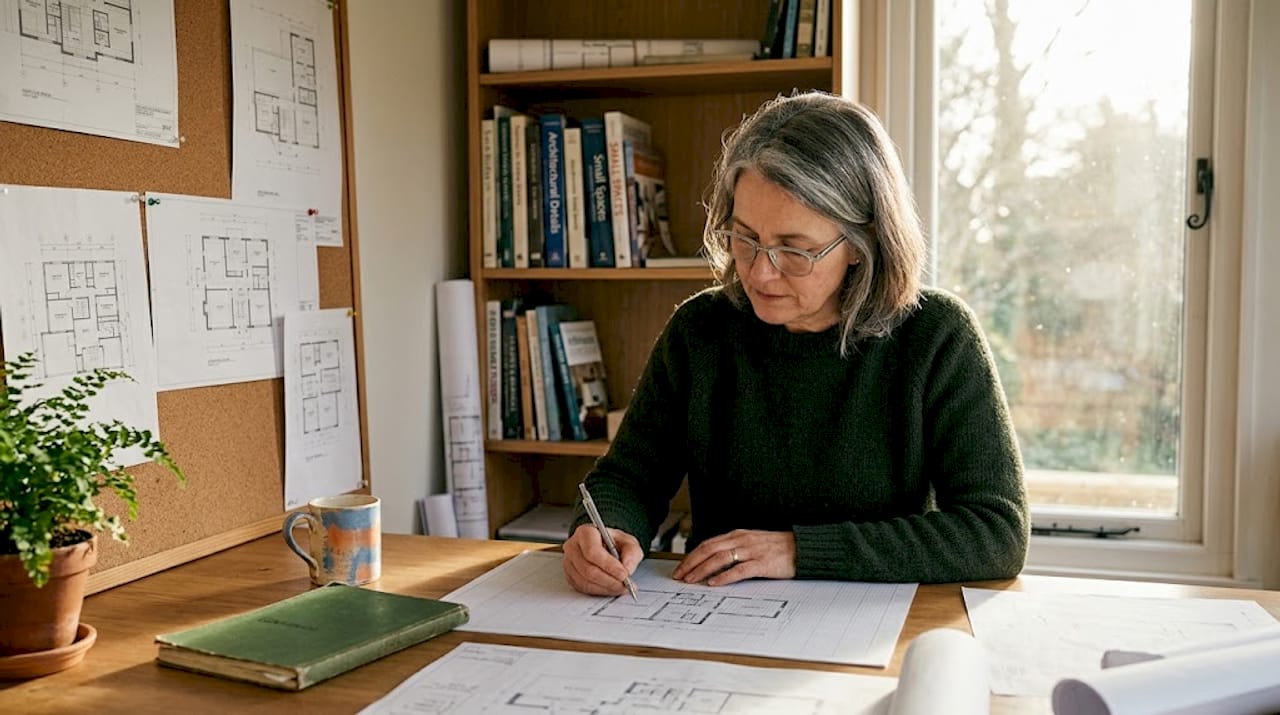
3. Sketch or model your ideas You don’t need to be an architect. A rough sketch of the footprint with windows, doors, and internal layout is enough to test your thinking. Many suppliers offer 3D visualisation tools that help you see the result before committing.
4. Consider a multi-purpose approach If your needs are likely to evolve, planning a multi-purpose building from the start gives you real flexibility. Open-plan layouts with moveable storage or partitions can adapt as life changes.
5. Review all intended uses before finalising This step is often skipped. Once you have a draft layout, test it mentally for every use case. Sit at the desk. Walk to the storage. Check the view from the main seating area. Thinking through the essential garden office elements is a useful way to ensure nothing critical gets missed.
Pro Tip: Always revisit your layout after your first draft. Fresh eyes, even just a day later, often reveal something you hadn’t considered.
Next, discover how layout choices can enhance the finished building’s harmony with your garden and home.
Layout and garden harmony: blending building with landscape
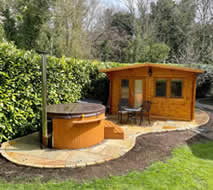
A garden building should feel like it belongs. Not dropped into the plot as an afterthought, but sited and designed to work with the garden rather than against it. Layout plays a central role in achieving that.
Landscape integration through window placement and material choices ties the structure to its surroundings in a way that feels considered and intentional.
Here are the key principles for blending your building into its landscape:
- Frame the right views. Position the building so the main outlook from inside is your best garden view, not a fence or utility area.
- Use planting to soften edges. Hedging, climbing plants, or border planting around the base of the building makes it feel settled and established.
- Design the path with intention. A well-designed path leading to the building creates a sense of arrival and connects it with the garden naturally.
- Match materials to your home. Timber that echoes the house’s colour palette or boundary fencing ties everything together visually.
For practical ideas on this topic, landscaping with garden buildings offers plenty of real-world inspiration.
Layout features that support landscape harmony
| Layout feature | Effect on blending |
|---|---|
| South or east-facing glazing | Maximises light, reduces cold feel |
| Inset veranda or covered porch | Creates a visual link to the garden |
| Green or sedum roof | Softens appearance from above and from the house |
| Boundary planting beside the building | Reduces hard edges, improves privacy |
| Path leading directly from house | Strengthens the physical and visual connection |
| Materials echoing the house | Provides visual continuity across the property |
Common pitfalls here include blocking a key garden sightline with the building’s bulk, or choosing materials that look fine in isolation but jar against the house or boundary walls. The way space shapes your landscape composition matters far more than many people realise when siting a garden structure.
Having explored harmony, let’s wrap up with the most important layout lessons for your next project.
Our perspective: the one layout truth most people overlook
Here’s something we see time and again. People pour energy into aesthetics, features, and square footage. Then they wonder why the finished building doesn’t quite work the way they hoped. The truth is, most layout problems come from planning for today rather than for the next ten years.
Your life changes. Children grow up and leave. Work patterns shift. Hobbies evolve. A garden building designed with adaptability in mind stays genuinely useful across all of that. One designed only for a single moment in time becomes awkward far sooner than expected.
The smartest thing you can do is treat layout as a living question rather than a fixed answer. Start with purpose, revisit regularly, and build in flexibility wherever you can. If you want inspiration for bespoke garden buildings, look at how other people have tackled adaptable layouts. The most successful projects always have one thing in common: they were designed to evolve.
Explore bespoke garden layouts with expert support
Ready to put these ideas into practice? We make it easy to see effective layouts in action before you commit to anything. Browse our garden log cabin gallery to explore real builds and get a genuine feel for how different layouts perform in real gardens.
When you’re ready to move forward, our bespoke cabin design service connects you with experienced designers who understand exactly what makes a layout work. You can also order a bespoke log cabin tailored precisely to your plot, your purpose, and your style. We’re here to help at every step. Just get in touch for a free, no-pressure conversation.
Frequently asked questions
How does layout impact energy efficiency in garden buildings?
Strategic layout improves efficiency significantly. Orientation for light reduces the need for artificial heating and lighting, while well-placed windows capture passive solar warmth and support natural ventilation.
What is the best starting point for planning a layout?
Always begin with a clear purpose brief. Layout planning starts with understanding exactly how you’ll use the space, which then informs every other decision from orientation to internal arrangement.
Can a custom garden building layout adapt to future needs?
Absolutely. By prioritising open-plan spaces and flexible internal divisions, you can future-proof for adaptability so the building remains genuinely useful as your needs change over time.
How do I make my garden building layout blend with the landscape?
Focus on path design, planting around the structure, and matching your materials to the house and garden. Integration with garden landscape is achieved through these deliberate, connected choices rather than any single feature.