

Blog


Finding genuine moments to unwind can feel almost impossible for many UK homeowners. The search for a quiet sanctuary often ends at the back door, where the garden offers untapped potential for personal retreats. Bespoke log cabins transform outdoor spaces into versatile escapes with rustic charm and modern amenities, giving you a dedicated area to recharge away from daily demands. Discover how the right cabin elevates relaxation and brings lasting value to your garden lifestyle.
Table of Contents
- Garden Retreat Cabins Defined And Debunked
- Popular Cabin Styles For UK Gardens
- Key Features Of Bespoke Log Cabins
- Planning Permission And Legal Requirements
- Financial, Practical, And Lifestyle Impacts
Key Takeaways
| Point | Details |
|---|---|
| Garden Retreat Cabins Enhance Wellbeing | These structures provide a dedicated space for relaxation and personal growth, separating mental work from home life. |
| Bespoke Design Offers Flexibility | Customisation options allow homeowners to create spaces tailored to individual needs, enhancing both functionality and aesthetics. |
| Legal Considerations are Essential | Homeowners must understand local planning regulations to determine whether their cabin requires formal approval. |
| Investment Yields Long-Term Benefits | While the initial cost can be significant, garden cabins can boost property value and provide versatile living spaces. |
Garden Retreat Cabins Defined and Debunked
Garden retreat cabins represent more than just a wooden structure tucked away in your outdoor space. These versatile spaces offer a sanctuary for personal wellbeing, providing a dedicated area to disconnect from daily stressors and reconnect with oneself. Unlike traditional garden sheds, these bespoke structures are carefully designed to create a transformative environment that supports mental and physical relaxation.
Understanding what defines a garden retreat cabin involves recognising its core characteristics:
- Purposeful Design: Intentionally crafted spaces that go beyond storage
- Personalisation: Tailored to individual wellness needs and aesthetic preferences
- Multi-functional Areas: Can serve as yoga studios, meditation spaces, home offices, or creative workshops
- Psychological Separation: Creates a mental and physical boundary from household distractions
Many homeowners mistakenly view garden cabins as simple outdoor storage solutions. However, modern cabin design principles reveal they are sophisticated wellness environments. These spaces are engineered to provide psychological comfort, offering a sense of retreat without leaving your property.
The psychological benefits of having a dedicated garden cabin extend far beyond mere aesthetics. By creating a separate space that signals transition and intentionality, individuals can effectively manage stress, improve mental clarity, and establish healthy boundaries between work and relaxation.
Pro tip: Consider your personal wellness goals when designing your garden retreat cabin, ensuring the space reflects your unique needs and supports your mental and physical wellbeing.
Popular Cabin Styles for UK Gardens
UK gardens are witnessing a remarkable transformation with contemporary garden room designs that blend functionality with aesthetic appeal. These modern cabin styles offer homeowners versatile spaces that extend living areas beyond traditional indoor boundaries, creating unique outdoor retreats tailored to individual preferences.
The most popular cabin styles for British gardens include:
- Traditional Log Cabins: Classic wooden structures with rustic charm
- Modern Minimalist Pods: Sleek, geometric designs with clean lines
- Eco-Friendly Garden Rooms: Sustainable structures with advanced environmental features
- Multi-Purpose Leisure Cabins: Flexible spaces adaptable for work, relaxation, and hobbies
- Scandinavian-Inspired Designs: Lightweight, bright structures emphasising natural materials
Each cabin style offers unique benefits for UK homeowners. Traditional log cabins provide a timeless connection to natural materials, while contemporary designs focus on maximising space efficiency and creating seamless indoor-outdoor transitions. Modern garden rooms often incorporate large glass panels, allowing natural light and providing stunning views of surrounding landscapes.
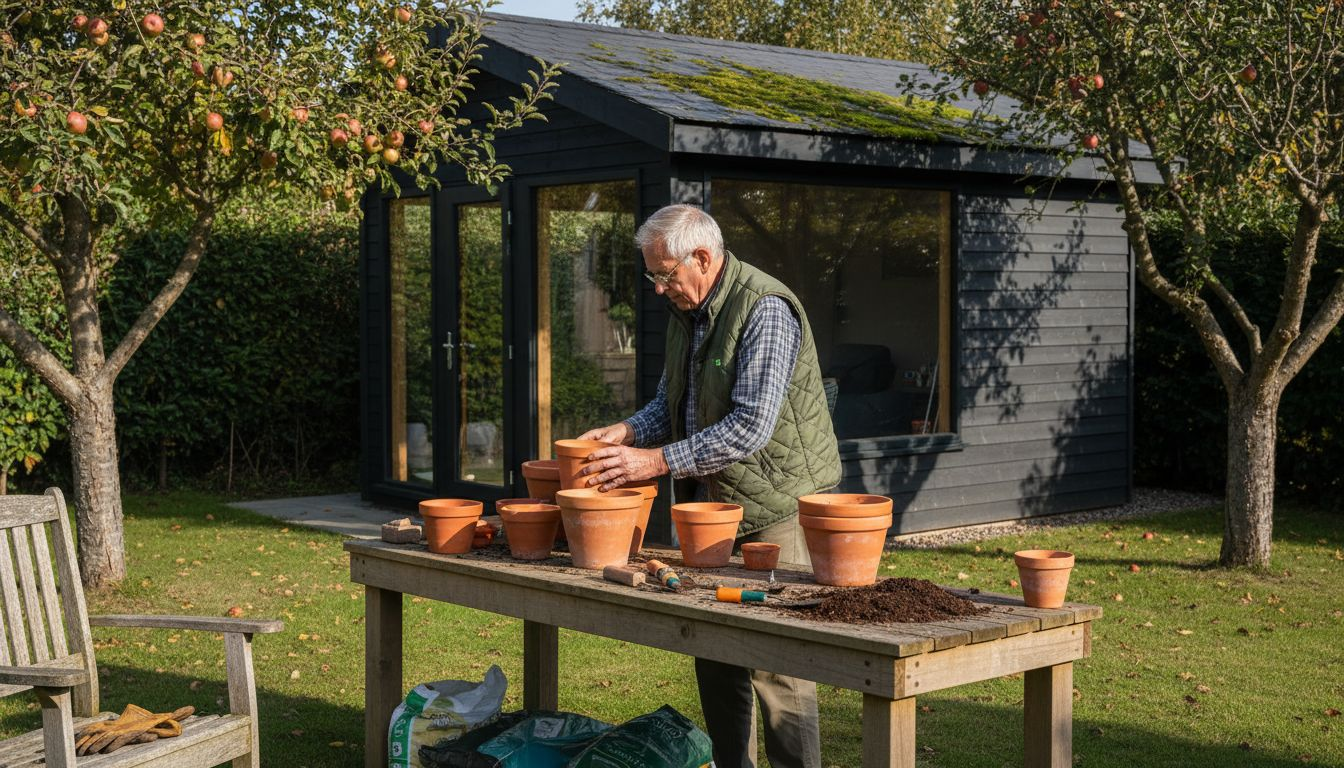
The evolution of garden cabin designs reflects changing lifestyle needs. Homeowners now seek spaces that serve multiple functions – from home offices and creative studios to wellness retreats and entertainment areas. These versatile structures offer a perfect solution for those wanting to maximise their outdoor living potential without significant property renovations.
Here is a quick comparison of popular garden cabin styles found in UK gardens:
| Style | Visual Appeal | Typical Use Cases | Sustainability Focus |
|---|---|---|---|
| Traditional Log Cabin | Rustic, natural wood finish | Reading nooks, guest rooms | Depends on timber sourcing |
| Modern Minimalist Pod | Clean lines, geometric shape | Home offices, study spaces | Often includes insulation |
| Eco-Friendly Garden Room | Contemporary with green roofs | Yoga spaces, wellness retreats | High, uses sustainable tech |
| Scandinavian-Inspired Cabin | Light woods, airy interiors | Creative studios, small gyms | Prioritises natural materials |
Pro tip: Consider your specific garden dimensions and lifestyle requirements when selecting a cabin style to ensure the perfect match for your outdoor space.
Key Features of Bespoke Log Cabins
Bespoke log cabins represent the pinnacle of personalised outdoor living spaces, offering customisation options that transform ordinary garden structures into extraordinary retreats. These tailored structures go far beyond standard prefabricated designs, providing homeowners with the opportunity to create a truly unique space that reflects their individual lifestyle and aesthetic preferences.
The key features of bespoke log cabins include:
- Personalised Dimensions: Custom sizing to fit precise garden specifications
- Flexible Interior Configurations: Adaptable layouts for multiple purposes
- Premium Material Selection: High-quality timber and sustainable building materials
- Advanced Insulation Systems: Ensuring year-round comfort and energy efficiency
- Integrated Technology Options: Electrical and connectivity solutions
- Architectural Design Flexibility: Multiple roof styles and exterior finishes
Modern bespoke log cabins represent a sophisticated solution for UK homeowners seeking to maximise their outdoor living potential. Unlike standard garden structures, these personalised spaces can be meticulously designed to serve multiple functions – from home offices and creative studios to wellness retreats and entertainment areas. The ability to customise every aspect ensures that each cabin becomes an extension of the homeowner’s personal style and practical requirements.
Structural integrity and aesthetic appeal are paramount in bespoke log cabin design. Manufacturers now offer comprehensive consultation processes that allow clients to select everything from timber types and window placements to interior finishes and technological integrations. This level of personalisation ensures that each cabin is not just a structure, but a carefully crafted living space that enhances both property value and personal wellbeing.
Pro tip: Always consult with professional designers to understand how subtle design choices can dramatically transform your bespoke log cabin’s functionality and aesthetic appeal.
Planning Permission and Legal Requirements
Navigating the legal landscape for garden log cabins requires careful consideration of planning permission regulations that vary across different local authorities in the United Kingdom. Homeowners must understand the specific guidelines that determine whether their proposed garden cabin project requires formal approval or falls within permitted development rights.
Key legal considerations for garden log cabins include:
- Size Restrictions: Maximum dimensions without planning permission
- Location Constraints: Distance from property boundaries and highways
- Height Limitations: Different rules for single and double-storey structures
- Permitted Development Rights: Specific conditions for residential properties
- Conservation Area Regulations: Additional restrictions in protected zones
- Building Materials: Compliance with local architectural guidelines
The complexity of planning regulations means that no single rule applies universally across the United Kingdom. Each local council maintains distinct interpretations of permitted development rights, making it crucial for homeowners to consult their specific local authority before commencing any garden cabin project. Factors such as the cabin’s intended use, total floor area, and proximity to existing structures can significantly impact the approval process.
Most garden cabins can be constructed without full planning permission, provided they meet specific criteria. These typically include limitations on total floor area, maximum height, and positioning relative to the main dwelling. However, exceptions exist for listed properties, conservation areas, and properties with existing modifications, necessitating a thorough understanding of local planning guidelines.
Pro tip: Always contact your local planning department for a pre-application consultation to confirm the exact requirements for your specific garden cabin project.
Financial, Practical, and Lifestyle Impacts
Garden log cabins represent a significant investment that extends far beyond mere financial considerations, offering transformative lifestyle benefits for UK homeowners seeking versatile outdoor living solutions. These structures provide a unique combination of practical utility, potential property value enhancement, and personal wellbeing improvements that make them an increasingly attractive option for modern households.
Key financial and lifestyle impacts include:
- Property Value Enhancement: Potential increase in overall home market value
- Working from Home: Creating dedicated remote workspace without costly extensions
- Mental Health Benefits: Personal retreat space for stress reduction
- Utility Cost Savings: Potential energy-efficient design options
- Flexible Living Spaces: Adaptable areas for multiple household needs
- Personal Productivity: Dedicated space for hobbies and creative pursuits
The practical implications of installing a garden log cabin extend well beyond initial investment considerations. Homeowners can potentially recoup significant value through increased property marketability, reduced need for external office rentals, and the creation of multipurpose spaces that adapt to changing lifestyle requirements. The ability to design a bespoke space tailored to individual needs means these structures offer remarkable flexibility compared to traditional home improvements.
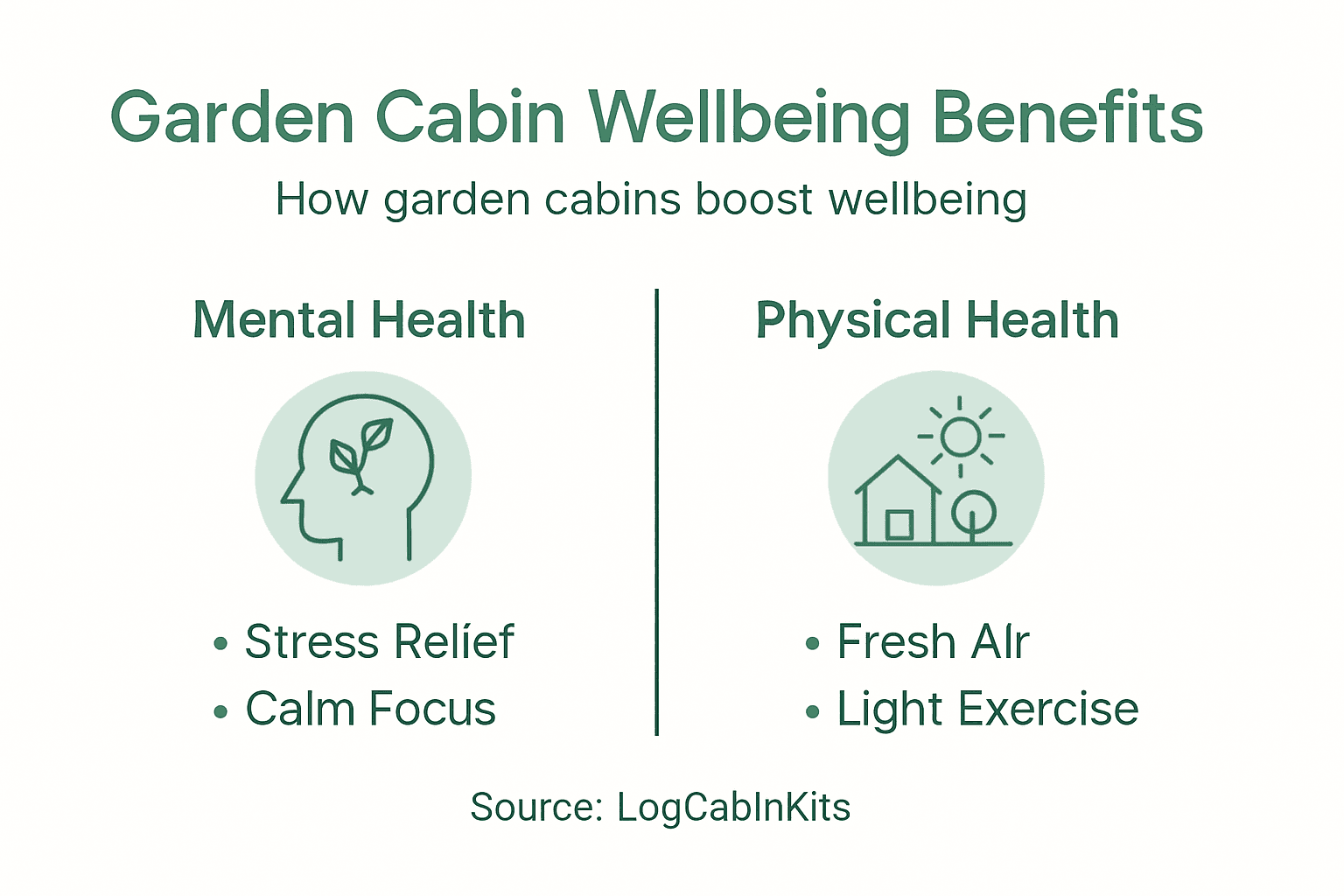
Financial considerations should account for both immediate installation costs and long-term lifestyle benefits. While initial investment might seem substantial, the potential for creating a multifunctional space that supports work, leisure, and personal growth represents exceptional value. Modern log cabins can serve as home offices, fitness studios, creative workshops, or relaxation retreats, effectively providing a cost-effective solution to expanding living and working capabilities.
Below is a summary of financial and lifestyle impacts when investing in a garden log cabin:
| Impact Area | Short-Term Effect | Long-Term Benefit |
|---|---|---|
| Financial | Upfront investment required | Potential property value increase |
| Practical Utility | Gains new usable space | Adaptable area for changing needs |
| Personal Wellbeing | Immediate stress relief zone | Improved mental health over time |
| Workspace Solution | Instant remote working option | Saves cost on coworking offices |
Pro tip: Consider the long-term lifestyle and financial benefits when budgeting for your garden log cabin, focusing on versatility and potential return on investment.
Create Your Personal Garden Retreat Cabin for Lasting Wellbeing
The challenge highlighted in the article centres on finding a dedicated space that fosters mental and physical wellbeing away from everyday distractions. If you have experienced the frustration of lacking a tranquil outdoor haven designed for relaxation or productivity, your search ends here. Our bespoke garden log cabins address key needs such as purposeful design, personalisation, and psychological separation—all vital for creating a true sanctuary within your own garden.
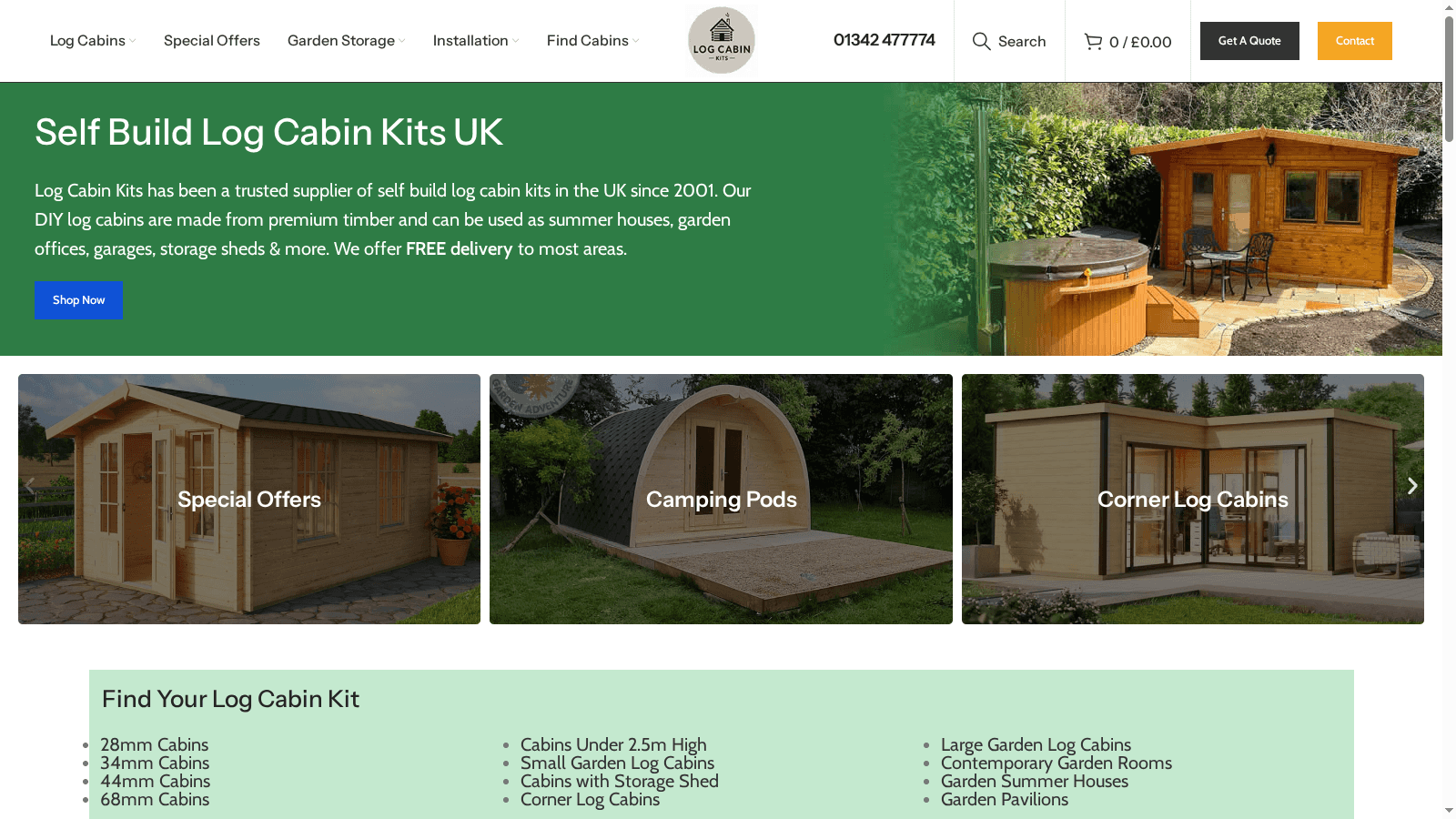
Discover how a customised garden cabin can transform your lifestyle today at LogCabinKits. Whether you desire a peaceful yoga studio, a quiet home office, or a creative retreat, our expert designs ensure every detail supports your wellbeing goals. Start your journey now by exploring our bespoke cabin options and learn about the planning requirements to make your dream cabin a reality. Visit https://logcabinkits.co.uk to take the first step toward a healthier and more balanced lifestyle.
Frequently Asked Questions
What are garden retreat cabins?
Garden retreat cabins are bespoke outdoor structures designed to serve as personal sanctuaries, allowing individuals to disconnect from daily stressors and reconnect with themselves. Unlike traditional storage sheds, these cabins are purposefully designed for relaxation and wellness.
How can a garden retreat cabin improve mental health?
A garden retreat cabin creates a psychological separation from household distractions, providing a dedicated space for relaxation activities such as yoga, meditation, or creative pursuits. This intentional environment can help reduce stress, enhance mental clarity, and promote overall wellbeing.
What should I consider when designing my garden retreat cabin?
When designing a garden retreat cabin, consider your personal wellness goals, the dimensions of your garden, and your lifestyle needs. Tailor the space for specific activities, ensuring it reflects your aesthetic preferences and maximises comfort.
Do I need planning permission for a garden cabin?
Planning permission requirements for garden cabins vary depending on local regulations. Typically, cabins that meet certain size and height restrictions may fall under permitted development rights, but it’s essential to consult your local authority to confirm specific guidelines.
Recommended
- Create a Peaceful Yoga Retreat in Your Garden Cabin – Log Cabin Kits to Buy Online
- Create a Tranquil Garden Log Cabin Retreat | Log Cabin Kits
- Creating Tranquility in Your Garden Log Cabin – Log Cabin Kits to Buy Online
- Creating a Yoga Retreat in Your Log Cabin | Log Cabin Kits
- Weekend Getaways: Maximizing Value and Adventure – PilotTravelDeals.com
- Role of Wellness in Lifestyle – Transforming Daily Choices – EQUA – Sustainable Water Bottles


