
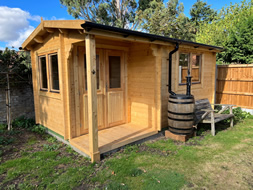
Most homeowners believe a sturdy timber structure alone guarantees a garden cabin’s longevity. This misconception leads to premature rot, costly repairs, and disappointment when cabins deteriorate within a few years. The reality is that waterproof garden cabins offer year-round enjoyment and protect your investment against the UK’s relentless rain, humidity, and frost. This article explains why waterproofing matters, the proven methods that deliver lasting protection, and how to choose the best cabin for British conditions.
Table of Contents
- Understanding Waterproofing And Its Importance For Garden Cabins
- Exploring Core Waterproofing Methods And Materials For Lasting Protection
- Integrating Insulation And Maintenance For Comprehensive Garden Cabin Waterproofing
- Discover Bespoke Waterproof Garden Cabins From Log Cabin Kits
Key takeaways
| Point | Details |
|---|---|
| Waterproofing extends cabin life | Proper protection prevents rot and decay, adding decades to your cabin’s usable lifespan. |
| Multiple methods work together | Oil-based finishes, EPDM roofing, raised foundations, and drainage create comprehensive protection. |
| Insulation enhances waterproofing | High-performance materials reduce condensation and moisture ingress whilst improving comfort. |
| Regular maintenance is essential | Simple seasonal tasks preserve waterproofing and prevent expensive repairs. |
| Bespoke designs suit UK climate | Custom builds integrate waterproofing from the ground up for optimal durability. |
Understanding waterproofing and its importance for garden cabins
Waterproofing for garden cabins involves creating multiple protective barriers that prevent moisture penetration into timber structures. This goes far beyond applying a single coat of treatment. It encompasses foundation design, roofing materials, external finishes, drainage systems, and ongoing maintenance routines.
The UK climate presents unique challenges for outdoor structures. Annual rainfall exceeds 1,000mm in most regions, with persistent humidity levels throughout autumn and winter. Frost cycles cause timber to expand and contract, creating microscopic cracks where water infiltrates. Without proper protection, these conditions accelerate decay dramatically.
Effective waterproofing relies on several integrated components:
- Oil-based wood finishes penetrate deeper and last 3-5 years compared to water-based finishes lasting 2-3 years, providing superior moisture barriers
- Raised foundations that elevate cabins above ground level, preventing water pooling
- Damp-proof membranes between foundations and timber floors
- Proper drainage systems directing water away from cabin perimeters
- High-quality roofing materials that shed water efficiently
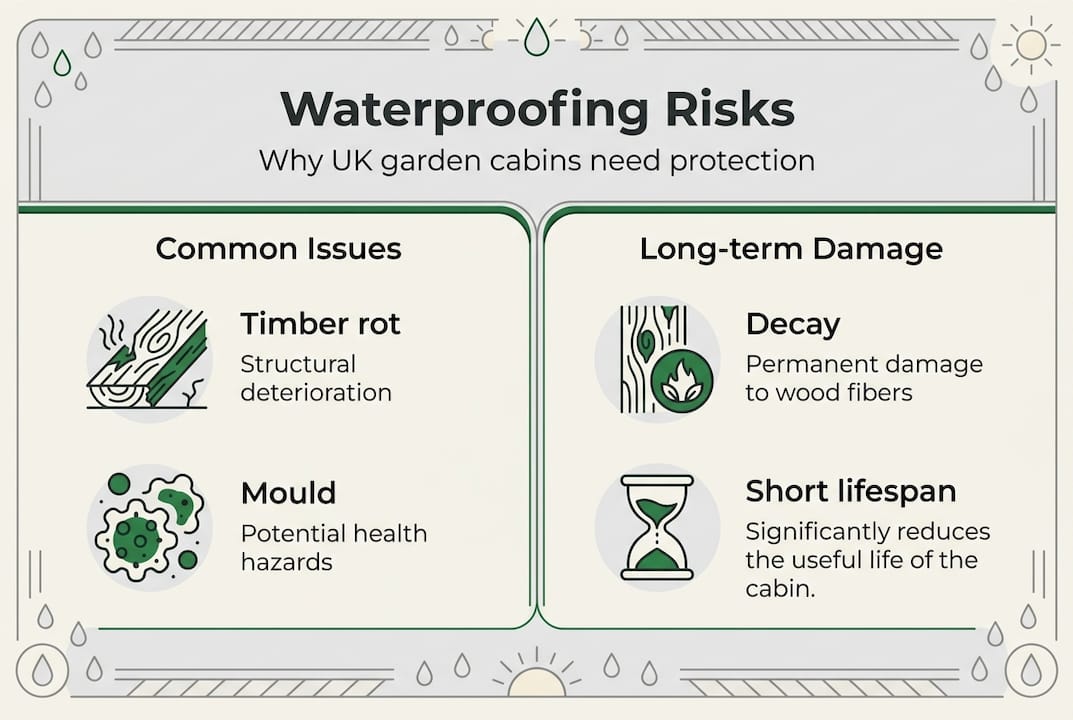
When waterproofing fails, rot develops within timber joints and floor sections. Mould spores colonise damp surfaces, creating health hazards and unpleasant odours. Structural integrity weakens, requiring extensive repairs or complete replacement.
Conversely, properly waterproofed cabins deliver remarkable benefits. You gain genuine year-round usability, transforming your garden cabin into a comfortable workspace, gym, or entertaining area regardless of weather. The structure maintains its aesthetic appeal and market value. Most importantly, you avoid the frustration and expense of premature deterioration. Top tips for waterproofing your log cabin provide practical guidance for implementing these protective measures effectively.
Pro Tip: Schedule your initial waterproofing treatment during dry weather between May and September when timber moisture content is lowest, ensuring maximum finish penetration and adhesion.
Exploring core waterproofing methods and materials for lasting protection
Understanding the specific waterproofing techniques available helps you make informed decisions about cabin construction and ongoing care. Each method contributes distinct protective qualities that work synergistically.
Oil-based versus water-based finishes represent the primary choice for external timber treatment. The comparison reveals significant performance differences:
| Finish Type | Penetration Depth | Lifespan | Moisture Resistance | Maintenance Frequency |
|---|---|---|---|---|
| Oil-based | Deep (3-5mm) | 3-5 years | Excellent | Every 2-3 years |
| Water-based | Surface (1-2mm) | 2-3 years | Good | Annually |
Oil-based finishes contain natural oils that penetrate timber fibres, creating water-repellent barriers from within. They enhance wood grain appearance whilst providing flexible protection that moves with timber expansion. Water-based alternatives dry faster and emit fewer odours but require more frequent reapplication.
Roofing material selection dramatically impacts long-term waterproofing success. EPDM roofing can last up to 50 years, greatly enhancing cabin waterproofing through its exceptional durability and seamless installation. This synthetic rubber membrane resists UV degradation, temperature extremes, and physical damage far better than traditional felt.
Foundation design prevents ground moisture from wicking into timber structures. Essential elements include:
- Concrete pads or paving slabs creating a stable, raised base
- Damp-proof membranes installed between foundations and floor joists
- Adequate ventilation beneath floor structures
- Perimeter drainage channels directing water away from cabin footprints
These roof maintenance tips explain how regular inspections preserve roofing integrity and prevent leaks before they cause damage.
Pro Tip: Reapplying oil-based finishes every 2-3 years can add 15 years to a cabin’s lifespan, making this simple maintenance task one of the most cost-effective investments you can make.
Insulation materials contribute to waterproofing by managing internal moisture and preventing condensation. Kingspan and Rockwool boards resist moisture whilst providing thermal barriers. When warm interior air meets cold external surfaces, condensation forms. Proper insulation maintains surface temperatures above dew point, eliminating this moisture source.
Waterproofing your log cabin requires understanding how these methods integrate. For example, excellent roofing proves ineffective if foundation drainage fails, allowing water to pool beneath floor structures. Similarly, premium external finishes cannot compensate for inadequate ventilation causing internal condensation.
Green roof solutions for log cabins offer innovative waterproofing alternatives that combine environmental benefits with enhanced protection through multiple drainage layers and root barriers.
Integrating insulation and maintenance for comprehensive garden cabin waterproofing
Insulation and waterproofing work as complementary systems rather than separate concerns. This synergy creates cabins that remain dry, comfortable, and durable throughout decades of British weather.
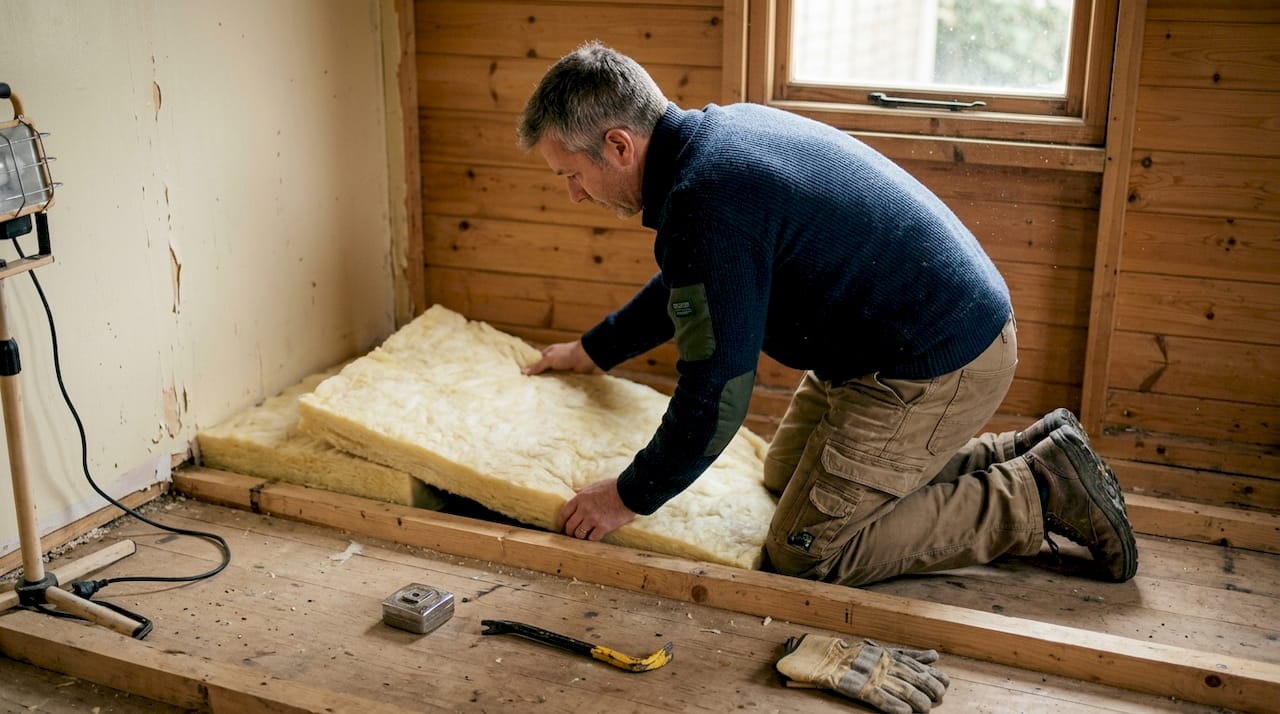
High-performance insulation materials significantly enhance moisture resistance and heat retention in UK garden cabins. These materials prevent condensation, the hidden moisture threat that develops inside structures when warm humid air contacts cold surfaces.
Common insulation types suited for moisture-resistant garden cabins include:
- Kingspan rigid foam boards with closed-cell structure blocking moisture penetration
- Rockwool mineral wool providing vapour permeability whilst resisting water absorption
- Celotex polyisocyanurate boards offering excellent thermal performance and moisture barriers
- Reflective foil insulation creating radiant barriers in roof spaces
Each material requires proper installation with sealed joints and vapour control layers positioned correctly. Kingspan and similar rigid boards excel in floor and wall applications where compression resistance matters. Rockwool suits roof spaces where fire resistance and acoustic dampening provide additional benefits.
Maintenance routines preserve waterproofing effectiveness and identify problems before they escalate. Essential seasonal tasks include:
- Clearing gutters and downpipes of leaves and debris every autumn
- Inspecting roof surfaces for damage or lifting after storms
- Checking window and door seals for gaps or deterioration
- Examining external timber for finish wear, particularly on south-facing walls
- Testing drainage channels remain clear and functional
These simple activities take minimal time but prevent water ingress that causes extensive damage. A blocked gutter overflows onto wall cladding, saturating timber and overwhelming protective finishes. A small roof puncture admits water that rots roof timbers and damages insulation before becoming visible inside.
Pro Tip: Conduct thorough waterproofing inspections twice yearly in April and October, addressing any issues before summer heat or winter freeze-thaw cycles cause deterioration.
Garden cabin insulation materials uk guidance helps you select appropriate products for your specific climate zone and cabin usage patterns. Heated cabins used year-round require more robust insulation than occasional summer use structures.
Moisture control in a garden log cabin extends beyond external waterproofing to include ventilation strategies. Adequate air circulation removes moisture from cooking, breathing, and other activities before condensation occurs. Passive vents in opposing walls create cross-ventilation. Mechanical extraction fans suit heavily used spaces like garden offices or gyms.
Regular maintenance complements initial waterproofing investments by extending their effective lifespan. A cabin built with premium materials but neglected deteriorates faster than a basic structure receiving attentive care. Essential roof maintenance tips provide specific guidance for preserving this critical waterproofing component.
The financial logic proves compelling. Reapplying external finishes costs a few hundred pounds every few years. Replacing rotted floor joists or wall sections costs thousands. Prevention through maintenance delivers exceptional return on investment whilst preserving your cabin’s functionality and appearance.
Discover bespoke waterproof garden cabins from Log Cabin Kits
Now that you understand the critical elements of garden cabin waterproofing, finding a supplier who integrates these principles from design through construction becomes essential. Log Cabin Kits specialises in custom build log cabins engineered specifically for UK weather conditions.

Every bespoke cabin design incorporates the waterproofing methods discussed throughout this article. Premium oil-based finishes, EPDM roofing systems, raised foundations with proper drainage, and high-performance insulation come standard rather than optional extras. This integrated approach delivers structures built to last decades, not just years.
The garden log cabin gallery showcases completed projects demonstrating how waterproofing integrates seamlessly with attractive designs. You gain inspiration whilst seeing proven results from homeowners across the UK. Free delivery throughout Britain and customisation options ensure your cabin perfectly suits your garden, budget, and intended use.
FAQ
How often should I reapply waterproof finishes on my garden cabin?
Reapply oil-based finishes every 2-3 years to extend cabin life by up to 15 years. This regular maintenance prevents moisture penetration that causes rot and structural degradation. South-facing walls and exposed roof edges may require more frequent attention due to increased UV exposure and weather impact.
What insulation materials best complement waterproof garden cabins?
Kingspan and Rockwool provide high-performance insulation that boosts moisture resistance in UK garden cabins. Kingspan rigid boards offer excellent vapour barriers and thermal efficiency, whilst Rockwool mineral wool provides breathability and fire resistance. Both materials maintain performance when exposed to moisture, unlike traditional fibreglass insulation that loses effectiveness when damp.
How can proper site preparation help waterproof my garden cabin?
Raised foundations and effective drainage prevent water pooling around your cabin’s base, eliminating the primary cause of floor rot. Concrete pads elevate structures above ground level whilst damp-proof membranes block moisture wicking through foundations. Installing perimeter drainage channels directs rainwater away from cabin footprints. Green roof solutions for log cabins offer additional protection through multiple drainage layers and waterproof membranes.
Can I waterproof an existing garden cabin, or must it be built in from the start?
You can significantly improve existing cabin waterproofing through systematic upgrades. Start by applying quality oil-based finishes to all external timber surfaces. Replace worn roofing felt with EPDM membrane for long-term protection. Install guttering if absent and ensure proper drainage around the perimeter. Add damp-proof membranes beneath floor structures if accessible. Whilst built-in waterproofing proves more effective, retrofitting these measures substantially extends cabin lifespan.
What signs indicate my garden cabin needs waterproofing attention?
Watch for finish discolouration or flaking on external walls, indicating protective barriers have degraded. Soft spots in floor boards suggest moisture damage to underlying structures. Musty odours inside the cabin signal mould growth from excessive humidity. Water stains on interior walls or ceilings reveal roof leaks requiring immediate attention. Regular inspections catch these warning signs early, preventing minor issues from becoming expensive structural repairs.