

Blog

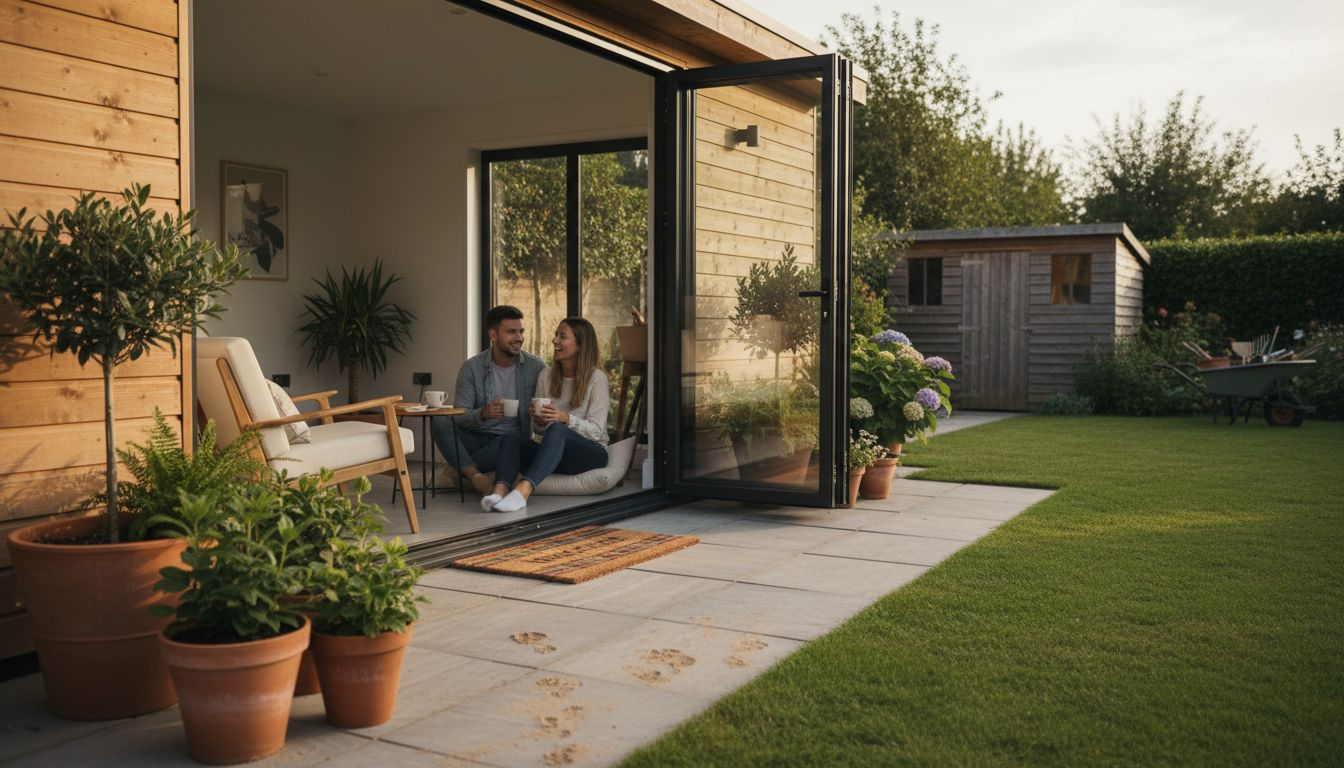
Across the British Isles, more homeowners are transforming their outdoor spaces with contemporary garden rooms that reflect both style and practicality. Surprisingly, demand for bespoke garden rooms in British homes has surged by over 40 percent in recent years. This trend highlights a desire for custom solutions that provide functional retreats or productive home offices. Discover how a thoughtfully designed garden room can redefine your outdoor living and create inviting, year-round spaces perfectly suited to the British climate.
Table of Contents
- Defining Contemporary Garden Rooms In The UK
- Popular Styles And Custom Features Available
- Year-Round Comfort And Functional Uses
- Planning Permission And Building Regulations
- Cost Factors And Value Compared To Alternatives
Key Takeaways
| Point | Details |
|---|---|
| Diverse Functional Spaces | Contemporary garden rooms serve multiple purposes, including home offices, creative studios, and relaxation areas, enhancing property value and lifestyle flexibility. |
| Design Integration | Emphasising clean lines and minimalist aesthetics, these spaces blend seamlessly with outdoor environments, focusing on both structure and organic appeal. |
| Investment Value | Offering a flexible alternative to traditional home extensions, garden rooms provide significant long-term value, often with lower initial costs and quicker installation times. |
| Planning Considerations | Homeowners must understand local regulations regarding planning permissions, ensuring compliance for successful construction of garden rooms. |
Defining Contemporary Garden Rooms in the UK
Contemporary garden rooms represent a sophisticated approach to outdoor living spaces in British homes, blending architectural precision with natural aesthetics. These modern spaces reflect a distinct design philosophy that transforms traditional garden concepts into functional, stylish extensions of domestic living.
The key characteristics of contemporary garden rooms centre on clean geometric lines, minimalist design principles, and strategic integration with surrounding landscapes. Architectural elements prioritise simplicity and purpose, creating spaces that feel both structured and organic. Drawing inspiration from modern landscaping trends, these rooms often feature carefully selected plant species like bamboo, ornamental grasses, and architectural specimens that complement the overall design aesthetic.
British homeowners are increasingly viewing garden rooms as versatile spaces that transcend traditional boundaries between indoor and outdoor environments. These rooms serve multiple functions – from home offices and creative studios to relaxation zones and entertainment areas – while maintaining a sleek, uncluttered appearance that enhances property value and lifestyle flexibility.
Expert Tip: When designing a contemporary garden room, focus on creating visual continuity between indoor and outdoor spaces through consistent material choices and strategic sightlines.
Popular Styles and Custom Features Available
Contemporary garden rooms in the UK showcase a diverse range of design styles, each offering unique characteristics that cater to different aesthetic preferences and functional requirements. Modern design principles emphasise clean geometric layouts and uncluttered spaces, creating outdoor environments that seamlessly blend architectural sophistication with practical living.
The most prevalent styles include minimalist designs, which feature stark, clean lines and a limited colour palette, and naturalistic contemporary approaches that integrate architectural structures with carefully curated plant selections. These garden rooms often incorporate bold structural features like canopies and strategic planting schemes that create visual interest while maintaining an elegant, understated atmosphere. Custom features might include:
- Sliding glass walls for maximum indoor-outdoor integration
- Built-in storage solutions
- Integrated lighting systems
- Multi-purpose furniture
- Sustainable materials like reclaimed wood and recycled composites
British homeowners are increasingly viewing these garden rooms as versatile extensions of their living spaces, selecting designs that reflect personal style while providing functional areas for work, relaxation, and entertainment. The ability to customise these spaces allows for truly personalised outdoor environments that enhance property value and lifestyle quality.
Here is a summary of popular contemporary garden room styles and their standout attributes:
| Style Type | Key Visual Features | Typical Materials | Ideal Uses |
|---|---|---|---|
| Minimalist | Clean lines, neutral tones | Steel, glass, composite | Home office, reading nook |
| Naturalistic Contemporary | Blended greenery, organic shapes | Timber, reclaimed wood | Yoga studio, artist space |
| Industrial Modern | Exposed framework, large panes | Metal, polished concrete | Entertainment zone, workshop |
| Scandinavian-Inspired | Light tones, simple forms | Pine, light-coloured timber | Relaxation lounge, garden gym |
Expert Tip: When designing a contemporary garden room, prioritise flexible design elements that can adapt to changing lifestyle needs and aesthetic preferences.
Year-Round Comfort and Functional Uses
Contemporary garden rooms represent far more than seasonal spaces, offering versatile environments that provide comfort and functionality throughout the year. These dynamic spaces are designed to support multiple lifestyle needs while maintaining sensory engagement, transforming outdoor areas into adaptable living extensions that respond to changing personal and professional requirements.
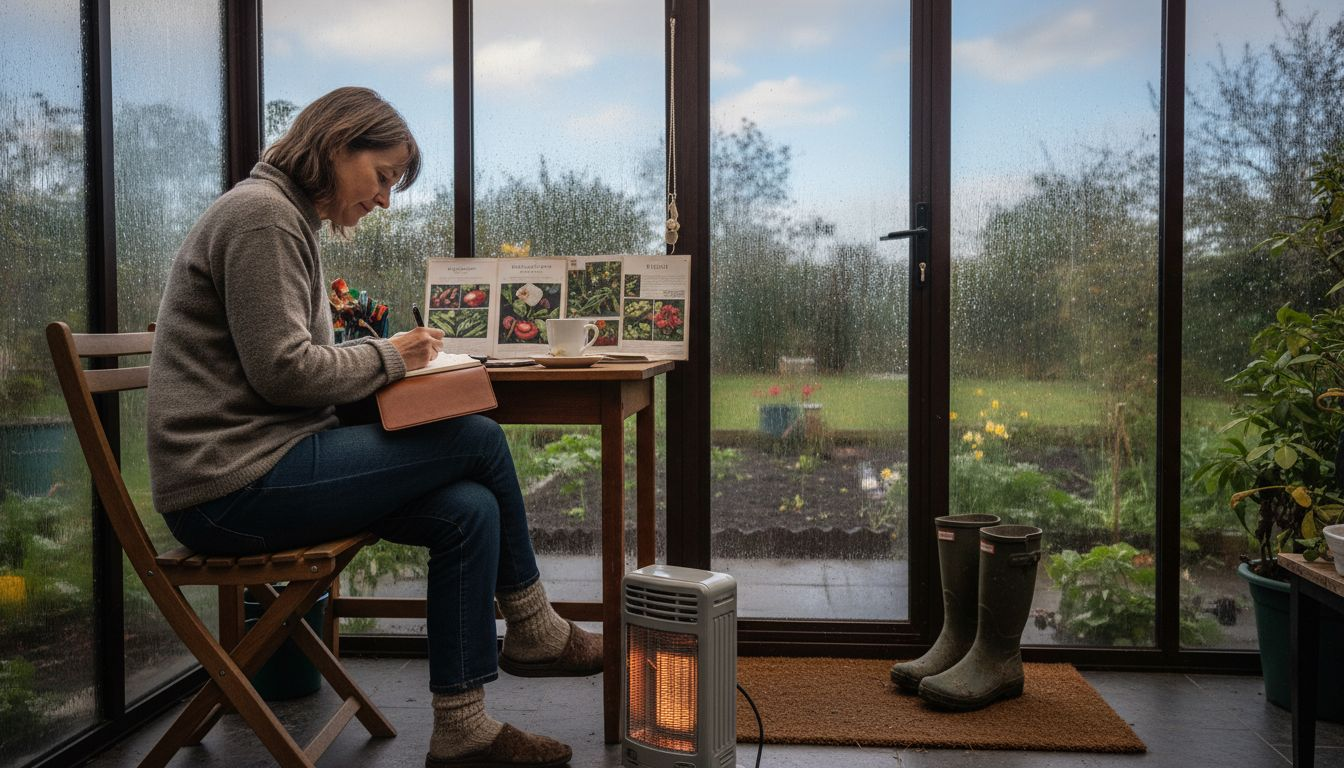
The key to year-round usability lies in thoughtful design elements that address thermal comfort, lighting, and environmental adaptability. Strategic incorporation of architectural features and plant selections creates spaces that stimulate visual interest and provide practical utility across seasons. These garden rooms can seamlessly transition between functions – serving as home offices during workdays, creative studios for artistic pursuits, meditation spaces for personal wellness, and entertainment areas for social gatherings.
Multifunctional design considerations for year-round comfort include:
- Robust insulation systems
- Underfloor heating options
- Double-glazed windows for temperature regulation
- Adjustable lighting configurations
- Weatherproof exterior materials
- Integrated sound systems
- Flexible furniture solutions
British homeowners increasingly recognise these spaces as valuable investments that extend living areas, enhance property value, and provide personalised retreats adaptable to changing lifestyle demands. The ability to create a controlled, comfortable environment that connects with nature while protecting from harsh weather makes contemporary garden rooms an attractive solution for modern living.
Expert Tip: Consider installing removable, season-specific accessories like thermal curtains or cooling screens to maximise your garden room’s year-round functionality.
Planning Permission and Building Regulations
Navigating the complex landscape of planning permission for garden rooms requires a nuanced understanding of UK local authority regulations. While many garden room projects can be completed under permitted development rights, homeowners must carefully assess specific criteria to ensure legal compliance and avoid potential enforcement issues.
Key considerations for planning permission include:
- Structure height limitations
- Total coverage of garden area
- Proximity to property boundaries
- Distance from highways
- Location within conservation areas
- Potential impact on neighbouring properties
Building regulations play a crucial role in determining the legal status of garden room installations. Detached structures under specific dimensions often qualify for permitted development, which means homeowners can proceed without formal planning applications. However, larger or more complex projects typically require detailed submissions to local planning authorities, ensuring the structure meets safety standards, structural integrity requirements, and environmental regulations.
Most garden rooms under 2.5 metres in height and covering less than 50% of the garden area can be constructed without explicit planning permission. However, exceptions exist for properties in conservation zones, Areas of Outstanding Natural Beauty, or those with specific planning restrictions. Homeowners should always consult their local council’s planning department to confirm specific requirements for their individual property.
Expert Tip: Obtain a written confirmation of lawful development from your local planning authority before commencing construction to prevent potential future complications.
Cost Factors and Value Compared to Alternatives
Contemporary garden rooms represent a significant investment with compelling long-term value for UK homeowners, offering a flexible alternative to traditional home extensions. The initial costs vary substantially based on design complexity, materials, and additional features, but often provide more versatile and cost-effective solutions compared to conventional building projects.
Typical cost ranges for garden rooms include:
- Basic models: £10,000 – £20,000
- Mid-range custom designs: £20,000 – £40,000
- High-end bespoke structures: £40,000 – £75,000
Second-hand and pre-owned garden room options can significantly reduce initial expenditure, presenting budget-conscious homeowners with more affordable alternatives. These options can provide substantial savings while still delivering functional, attractive spaces that enhance property value and lifestyle flexibility. The economic benefits extend beyond mere monetary considerations, encompassing improved work-life balance, additional living space, and potential increases in property marketability.
Comparative analysis reveals that garden rooms often represent more cost-effective and adaptable solutions than traditional home extensions. Unlike loft conversions or conservatory additions, these structures offer greater design flexibility, faster installation, and minimal disruption to existing living spaces. The ability to create a fully functional workspace, studio, or relaxation area without major structural changes to the main property makes garden rooms an increasingly attractive investment for modern British homeowners.
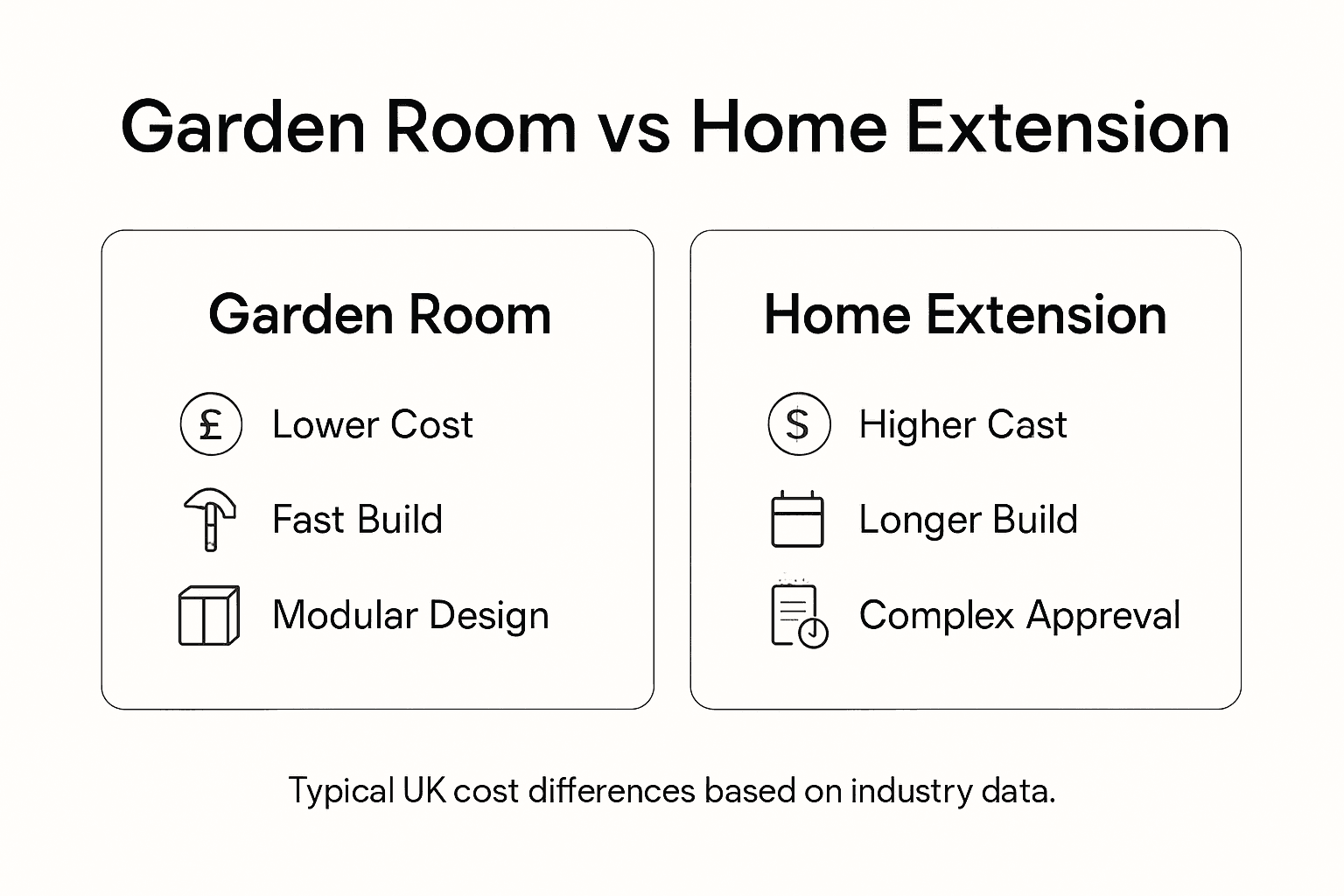
The following comparison illustrates key factors between garden rooms and traditional home extensions:
| Factor | Garden Room | Home Extension |
|---|---|---|
| Installation Time | Few weeks | Several months |
| Planning Barriers | Often minimal | Typically more complex |
| Disruption to Home Life | Minimal | Significant |
| Flexibility | High, easily reconfigured | Fixed function, less adaptable |
| Typical Cost Range | £10,000–£75,000 | £40,000–£100,000+ |
| Resale Value Impact | Adds versatile space | Increases main floor area |
Expert Tip: Consider obtaining multiple quotes and exploring modular design options to maximise cost-effectiveness and customisation potential for your garden room project.
Transform Your Outdoor Space with Bespoke Contemporary Garden Rooms
If you are inspired by the flexibility and style of contemporary garden rooms highlighted in the article you understand the challenges British homeowners face when seeking seamless indoor-outdoor living solutions. Key concerns include achieving year-round comfort, maintaining visual continuity with the garden, and ensuring adaptable use for work or relaxation. Contemporary garden rooms often require custom features, smart insulation and aesthetic materials to truly enhance lifestyle and property value.
At Log Cabin Kits we specialise in providing bespoke garden buildings designed to meet these exact needs. Our tailored solutions bring clean geometric designs, sustainable materials and practical options like integrated lighting or sliding glass walls directly to your garden. Whether you want a minimalist home office or a naturalistic retreat our custom kits give you control over style and function. Discover how our contemporary garden rooms can be installed quickly with minimal disruption while complying with UK planning guidance discussed extensively in the article.
Take the next step towards creating your ideal garden room today
Explore our range and start designing your personalised space now with Log Cabin Kits for a beautiful, versatile, and comfortable extension to your home that adds lasting value and style.


