
Why Garden Buildings Matter for UK Homeowners 2025
Nearly 1 in 5 British homeowners plan to invest in bespoke garden buildings to upgrade their outdoor spaces in 2025. This growing trend points to more than just stylish storage; it signals a shift toward intelligent property enhancement and lifestyle flexibility. In a climate where versatility and value matter, exploring the benefits of custom garden buildings reveals how the right design can deliver practical advantages, adaptability, and added appeal for your home.
Table of Contents
- Defining Garden Buildings And Common Myths
- Current Types And Custom Design Options
- Key Features: Versatility, Insulation, And Use
- Sustainability Trends And Eco-Friendly Materials
- Uk Planning Permission And 2025 Regulations
- Costs, Value Added, And Typical Mistakes
Key Takeaways
| Point | Details |
|---|---|
| Investment in Versatility | Garden buildings are adaptable and can switch functions, enhancing property value and meeting changing lifestyle needs. |
| Emphasis on Sustainability | Utilising eco-friendly materials and technologies is crucial for modern garden buildings, aligning with shifting homeowner priorities towards sustainability. |
| Navigating Regulations | Understanding UK planning permissions and recent regulations is essential for successful garden building projects to avoid legal issues. |
| Importance of Quality | Investing in high-quality materials and professional planning can prevent common mistakes and enhance the longevity and functionality of garden buildings. |
Defining Garden Buildings and Common Myths
Garden buildings have transformed from basic storage spaces into sophisticated extensions of modern British living. Understanding garden buildings reveals a dynamic landscape of versatile structures that go far beyond traditional wooden sheds. These contemporary spaces serve multiple purposes - from home offices and creative workshops to relaxation zones and hobby rooms.
Contrary to popular misconceptions, garden buildings are not just static storage solutions. They represent intelligent architectural investments that enhance property value and lifestyle flexibility. Homeowners are increasingly recognising these structures as adaptable spaces that can seamlessly integrate professional and personal needs. A garden building might start as a home office, transition to an art studio, and later become a fitness room - demonstrating remarkable versatility.
The modern garden building encompasses several distinct types, each designed to meet specific homeowner requirements. These include:
- Summerhouses: Light, airy spaces perfect for relaxation and entertaining
- Home Offices: Professional work environments separate from main living areas
- Workshops: Dedicated spaces for crafting, DIY projects, and creative pursuits
- Multipurpose Rooms: Flexible areas adapting to changing lifestyle needs
Expert Tip: When planning a garden building, consider future adaptability and choose a design that can evolve with your changing lifestyle and professional requirements.
Current Types and Custom Design Options
The contemporary garden building market offers an impressive array of design options that cater to diverse homeowner needs. Modern garden rooms have evolved from basic wooden structures into sophisticated, customisable spaces that seamlessly blend functionality with aesthetic appeal. Homeowners can now select from a range of architectural styles, materials, and configurations that transform these outdoor buildings into genuine extensions of their living environment.
Customisation has become a hallmark of modern garden building design. Clients can now personalise every aspect of their garden room, from foundation type and wall thickness to roof design and interior finishes. Popular configurations include:
- Standalone Structures: Independent buildings with complete architectural independence
- Lean-to Designs: Buildings that partially attach to existing property walls
- Multi-Room Configurations: Complex layouts featuring separate functional zones
- Glass-Fronted Options: Maximising natural light and creating panoramic garden views
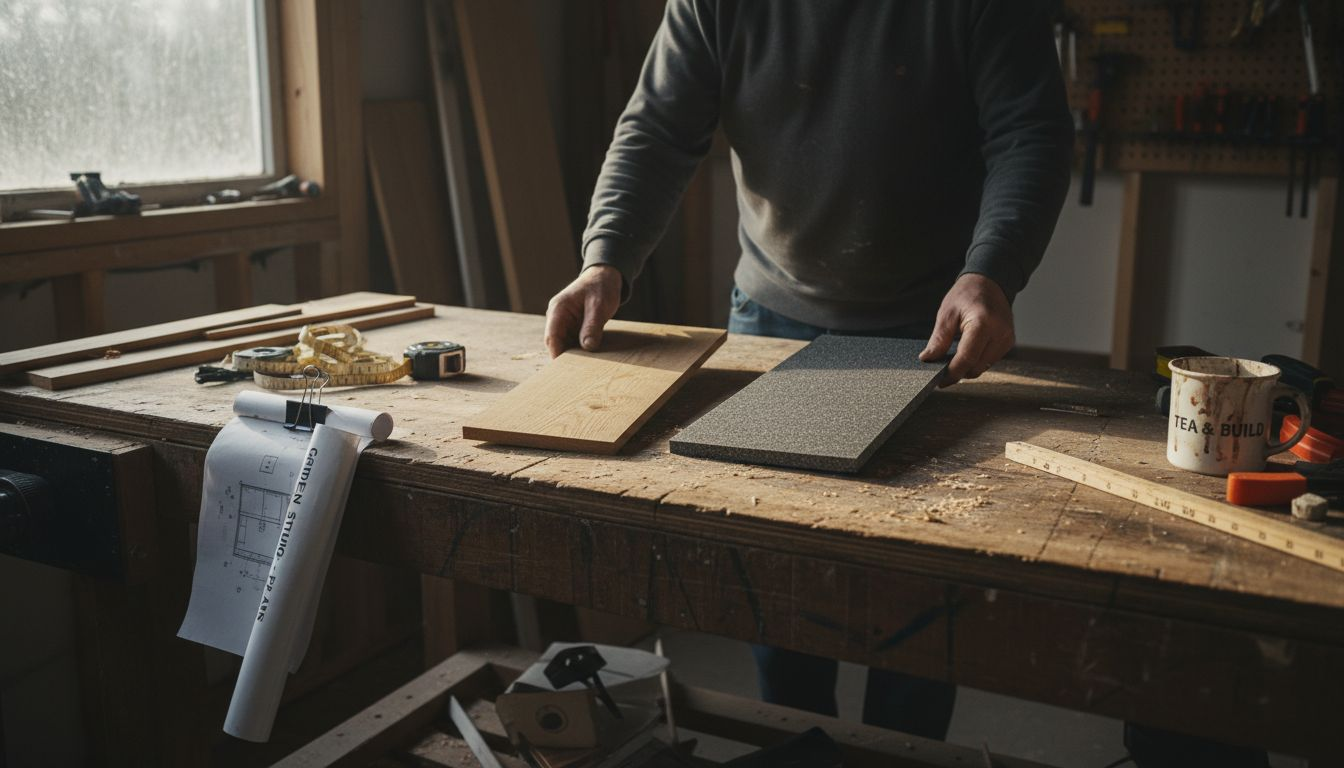
The materials selection process has also become increasingly nuanced. High-quality timber remains a primary choice, with options ranging from traditional pine to sustainably sourced cedar and thermally modified woods. Contemporary designs also incorporate modern materials like composite panels, aluminium framing, and advanced insulation technologies that enhance durability and thermal efficiency.
Technological integration represents another exciting frontier in garden building design. Smart home features, integrated electrical systems, and modular construction techniques are transforming these spaces from simple outdoor rooms into intelligent, adaptable living environments. Homeowners can now install solar panels, integrate home office technology, or create fully networked recreational spaces that respond to changing lifestyle needs.
Expert Tip: Consider your long-term requirements when designing a garden building, focusing on adaptable layouts and high-quality materials that will provide value and functionality for years to come.
Here’s a comparison of garden building customisation elements and their impact:
| Customisable Feature | Choices Available | Benefit for Homeowners |
|---|---|---|
| Structure configuration | Standalone, Lean-to, Multi-room | Suits varied space and privacy needs |
| Material selection | Timber, composite, aluminium | Balances durability and sustainability |
| Interior finish | Flooring, lighting, insulation | Enhances comfort and usability |
| Smart integration | Solar, network, automation | Enables modern living functionality |
Key Features: Versatility, Insulation, and Use
The modern garden building represents a sophisticated solution that transcends traditional outdoor space limitations. Insulated garden buildings have become pivotal in creating multi-functional spaces that adapt to changing lifestyle needs. These structures offer remarkable versatility, enabling homeowners to transform their outdoor areas into productive workspaces, creative studios, fitness zones, or relaxation retreats.
Insulation plays a critical role in the functionality of contemporary garden buildings. Advanced thermal technologies ensure these spaces remain comfortable throughout the year, making them viable alternatives to traditional indoor rooms. Key insulation considerations include:
- Thermal Efficiency: High-performance insulation materials that regulate temperature
- Sound Proofing: Materials that reduce external noise transmission
- Moisture Resistance: Protective layers preventing dampness and structural degradation
- Energy Conservation: Designs that minimise heat loss and reduce energy consumption
The practical applications of garden buildings have expanded dramatically, reflecting the evolving needs of modern UK homeowners. From remote working environments to hobby workshops, these spaces offer unprecedented flexibility. Professionals can create dedicated home offices that provide separation between work and personal life, while creatives can establish inspirational studios that maximise natural light and minimise domestic distractions.
Technological integration has further enhanced the utility of garden buildings. Modern designs incorporate smart electrical systems, high-speed internet connectivity, and adaptable power solutions that transform these structures into fully functional extensions of contemporary living spaces. The ability to seamlessly blend technology with architectural design ensures these buildings meet the sophisticated requirements of 21st-century lifestyles.
Expert Tip: Prioritise multi-purpose design when planning your garden building, selecting flexible layouts and high-quality insulation that will accommodate future lifestyle changes and provide year-round functionality.
Sustainability Trends and Eco-Friendly Materials
Sustainability has become a paramount consideration in contemporary garden building design, with UK homeowners increasingly prioritising environmentally responsible solutions. Sustainable living with garden cabins represents a critical evolution in outdoor architectural practices, reflecting a growing commitment to reducing ecological footprints while creating functional living spaces.
Eco-friendly materials are transforming the garden building landscape, with innovative options that balance performance, durability, and environmental responsibility. Key sustainable material choices include:
- Reclaimed Timber: Sourced from responsibly managed forests or recycled wood sources
- Thermally Modified Woods: Treated to enhance durability without chemical preservatives
- Recycled Composite Materials: Combining recycled plastics with wood fibres
- Low-Carbon Concrete Alternatives: Sustainable foundation and structural materials
The environmental impact of garden buildings extends beyond material selection. Modern designs incorporate advanced technologies that minimise energy consumption and maximise resource efficiency. Solar panel integration, rainwater harvesting systems, and highly efficient insulation techniques enable these structures to operate with minimal environmental strain. Manufacturers are developing cutting-edge solutions that reduce carbon emissions while providing high-performance spaces that meet the sophisticated needs of contemporary homeowners.
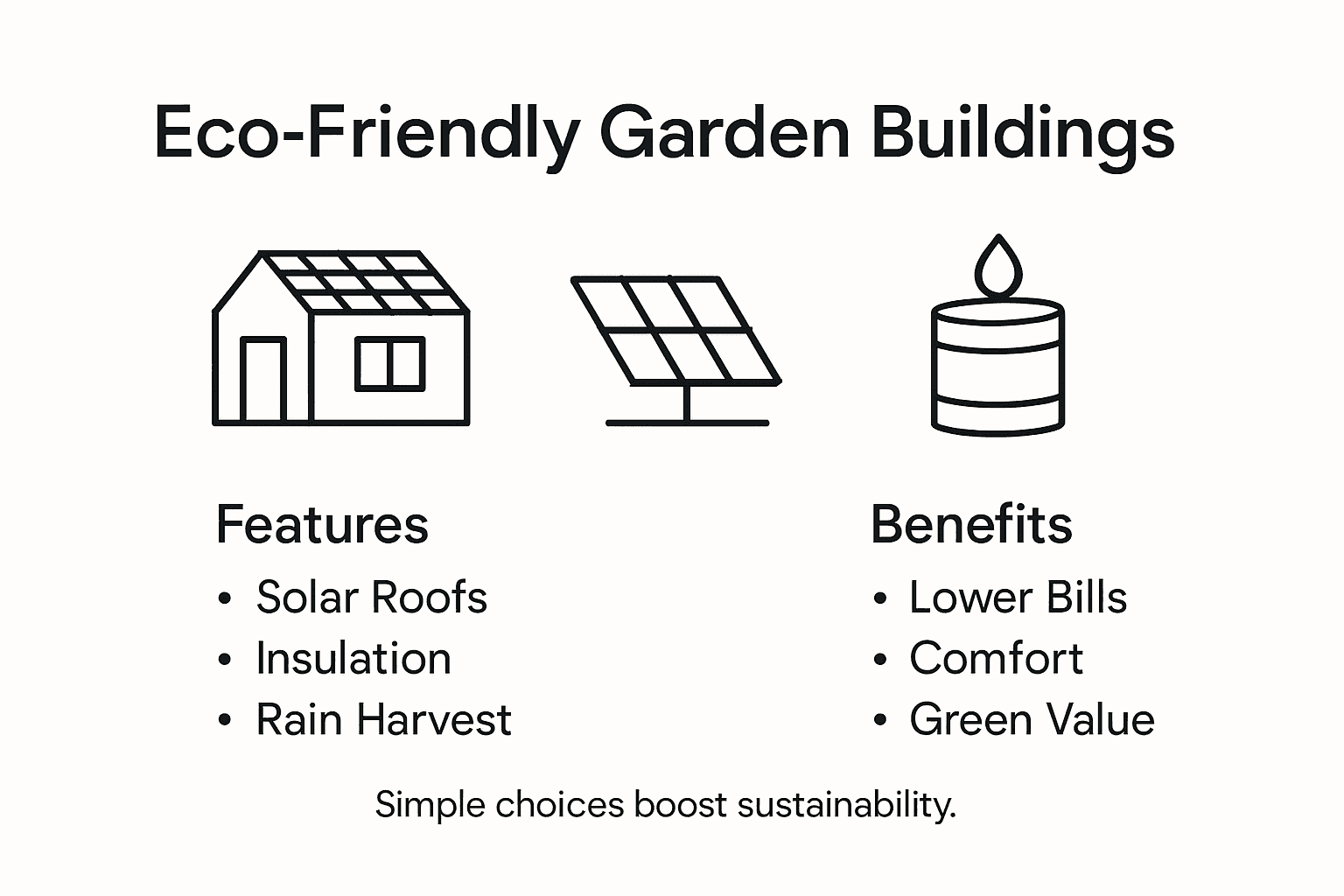
Technology and sustainability are converging to create garden buildings that are not just functional spaces, but active contributors to environmental conservation. Smart design principles now prioritise lifecycle analysis, considering everything from initial material sourcing to long-term energy performance. This holistic approach ensures that garden buildings become more than just additional structures - they represent a meaningful commitment to sustainable living and responsible home improvement.
Expert Tip: Select garden building materials with verifiable sustainability credentials, focusing on those with clear provenance and minimal environmental impact during production and lifecycle.
UK Planning Permission and 2025 Regulations
UK homeowners considering garden buildings must navigate a complex landscape of planning regulations that have become increasingly nuanced in 2025. Planning permission guidelines now require meticulous attention to detail, with local authorities implementing stricter interpretations of permitted development rights and building standards.
The regulatory framework for garden buildings involves several critical considerations that homeowners must understand:
- Size Limitations: Structures must typically remain under 2.5 metres in height
- Location Restrictions: Minimum distances from property boundaries
- Coverage Percentages: Total garden building area relative to total property space
- Material Compliance: Meeting specific environmental and aesthetic standards
Recent 2025 regulations have introduced more stringent requirements regarding sustainability and energy efficiency. Local planning authorities now demand comprehensive documentation demonstrating a garden building’s environmental credentials, including thermal performance ratings, sustainable material certifications, and potential carbon footprint assessments. These new guidelines reflect a broader governmental commitment to reducing residential carbon emissions and promoting eco-friendly construction practices.
Navigating the planning permission process requires a strategic approach. Homeowners must engage proactively with local planning departments, preparing detailed proposals that demonstrate compliance with evolving regulations. This often involves submitting comprehensive site plans, architectural drawings, and environmental impact assessments. Professional consultations can provide valuable insights into interpreting these complex requirements, helping to streamline the approval process and minimise potential regulatory challenges.
Expert Tip: Consult local planning authorities early in your garden building project and maintain detailed documentation to ensure smooth navigation of permission requirements.
Costs, Value Added, and Typical Mistakes
Understanding the financial landscape of garden buildings requires careful analysis of both initial investment and long-term value. Buying garden buildings involves navigating complex cost considerations that extend far beyond simple purchase price, with potential property value enhancement being a significant motivator for UK homeowners in 2025.
Typical cost ranges for garden buildings vary substantially based on key factors:
- Basic Models: £5,000 - £15,000
- Mid-Range Designs: £15,000 - £30,000
- Premium Customised Structures: £30,000 - £60,000
- High-End Bespoke Installations: £60,000 - £100,000
Homeowners frequently encounter several critical mistakes that can significantly impact their garden building investment. These pitfalls include inadequate site preparation, underestimating total project costs, and failing to consider long-term maintenance requirements. Proper planning involves comprehensive budgeting that accounts for foundation work, electrical installations, interior finishing, and potential future modifications. Professional consultations can help mitigate risks and ensure a more accurate financial projection.
Below is a summary of common mistakes versus best practices in garden building investment:
| Mistake | Effect on Project | Best Practice |
|---|---|---|
| Inadequate site preparation | Structural issues, delays | Obtain professional site assessment |
| Underestimating total costs | Budget overruns, unfinished work | Budget for unforeseen expenses |
| Ignoring future maintenance | Higher servicing costs later | Plan for routine upkeep |
| Poor insulation choice | Discomfort, energy inefficiency | Invest in high-quality insulation |
Property value enhancement represents a compelling argument for strategic garden building investment. Research indicates that well-designed garden structures can increase overall property value by approximately 5-10%, depending on design quality, functionality, and local market conditions. The key lies in creating a space that feels like a genuine extension of the home, with thoughtful architectural integration and multipurpose utility that appeals to potential future buyers.
Expert Tip: Always budget an additional 15-20% above initial quotes to accommodate unexpected expenses and ensure a smoother garden building project implementation.
Transform Your Outdoor Space with Custom Garden Buildings Designed for UK Homeowners
Struggling to find the perfect garden building that meets your evolving lifestyle needs and complies with the latest 2025 UK regulations? You are not alone. Many homeowners face challenges like navigating planning permissions, ensuring proper insulation for year-round comfort, and selecting sustainable materials that align with modern eco-friendly living. Our bespoke garden buildings offer flexible layouts, high-quality insulation, and environmentally responsible materials crafted to adapt as your needs change.
Explore bespoke and custom garden buildings that are more than just outdoor structures. Whether you want a dedicated home office, a creative workshop, or a relaxing summerhouse, our designs ensure your garden building adds lasting value to your property and lifestyle.
Don’t wait for the next planning cycle or risk costly mistakes. Visit Log Cabin Kits today to discover smart, sustainable garden solutions that comply with UK regulations and elevate your home. Start creating a truly adaptable garden room that fits your vision and secures your investment now.
Frequently Asked Questions
What are the main uses of garden buildings?
Garden buildings serve various purposes, including home offices, creative workshops, relaxation zones, and multipurpose rooms, making them versatile extensions of modern living.
How can I ensure my garden building is environmentally friendly?
Select eco-friendly materials such as reclaimed timber, thermally modified woods, and recycled composites, and consider integrating energy-efficient features like solar panels and rainwater harvesting systems.
What factors should I consider when designing a garden building?
Focus on adaptability for future needs, high-quality materials, effective insulation, and smart technology integration to create a functional and sustainable space.
What common mistakes should I avoid when investing in a garden building?
Avoid inadequate site preparation, underestimating total costs, ignoring future maintenance needs, and selecting poor insulation, as these can lead to increased expenses and discomfort.