

Blog

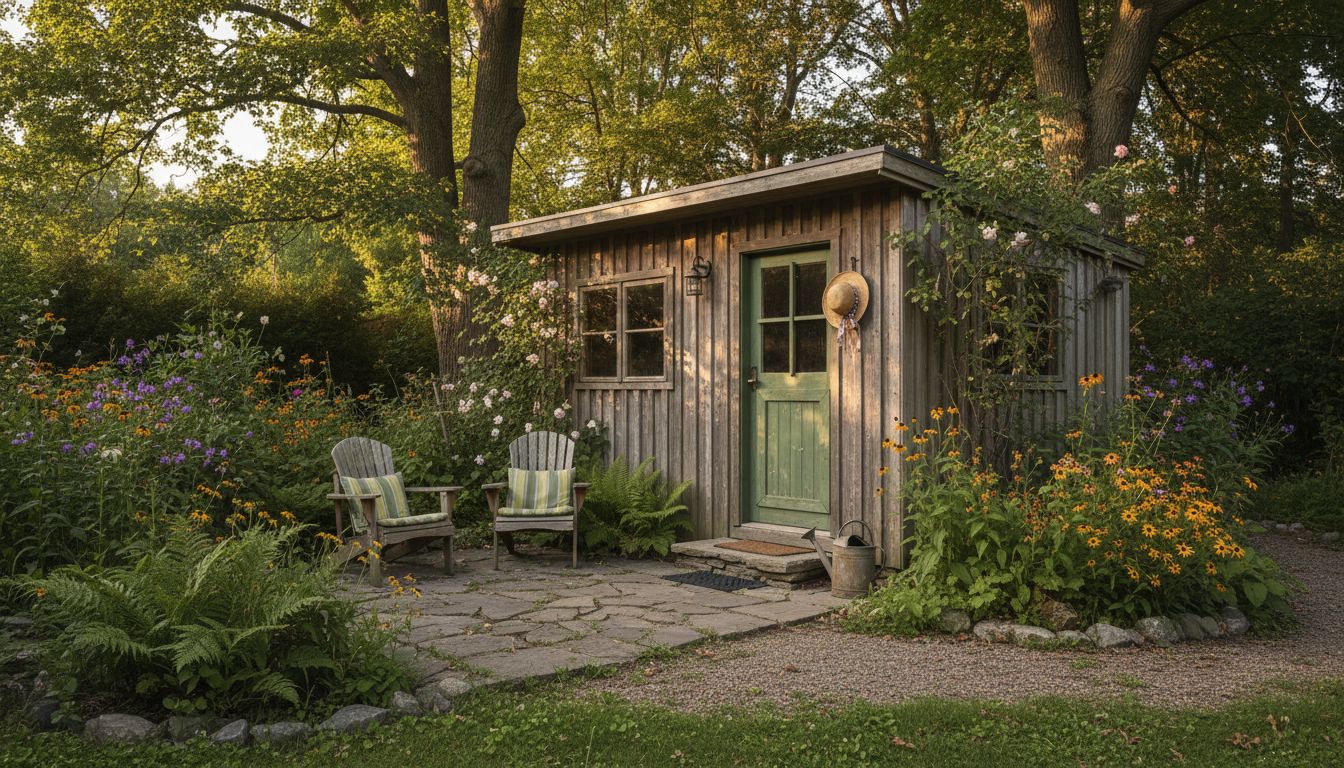
The dream of a cosy British garden cabin retreat now inspires more homeowners than ever, with nearly 1 in 5 UK households adding one to their outdoor space in recent years. These versatile cabins can serve as offices, studios, or tranquil lounges but true comfort starts with smart planning and thoughtful design. Discover how a well organized approach transforms any ordinary British cabin into a personal sanctuary that perfectly blends style and practical comfort.
Table of Contents
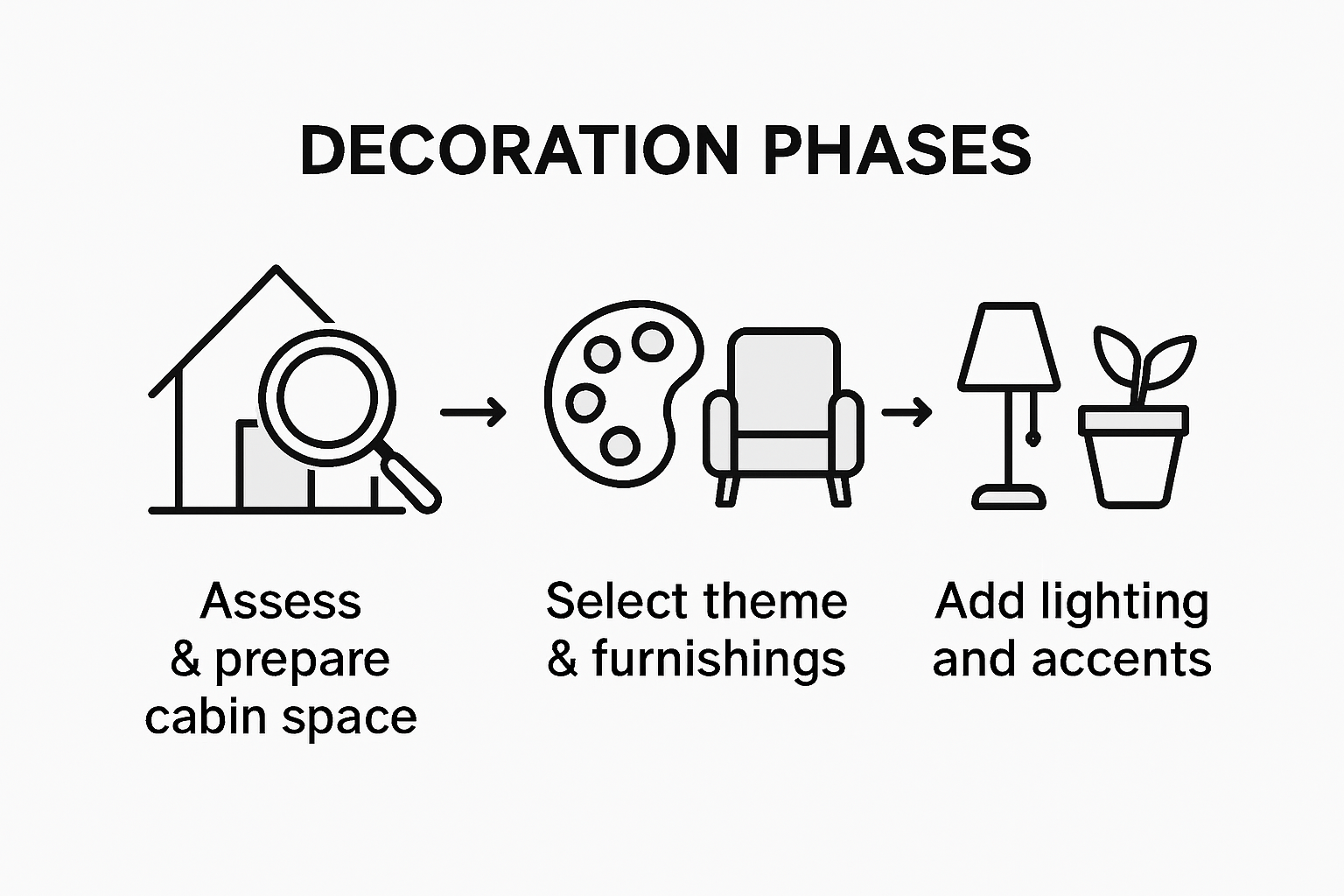
- Phase 1: Assess And Prepare Your Garden Cabin Space
- Phase 2: Select A Cohesive Decoration Theme And Palette
- Phase 3: Incorporate Functional And Stylish Furnishings
- Phase 4: Enhance With Lighting And Decorative Accents
- Phase 5: Personalise With Garden-Inspired Finishing Touches
- Phase 6: Review Your Decorated Cabin For Harmony And Comfort
Quick Summary
| Key Insight | Explanation |
|---|---|
| 1. Assess your garden cabin | Conduct a thorough inspection to identify drafts, moisture, and structural issues to ensure comfort and energy efficiency. |
| 2. Choose a cohesive theme | Select a decoration style and colour palette that reflects your preferences and creates a tranquil atmosphere in your cabin. |
| 3. Opt for versatile furniture | Use multipurpose furnishings to optimise your space, ensuring comfort and durability while reflecting your style. |
| 4. Enhance with lighting | Use layered lighting and decorative accents to create warmth and atmosphere, enhancing both functionality and aesthetic appeal. |
| 5. Personalise with nature | Add natural elements and personal touches, such as plants and textures, to create a unique connection between your cabin and surrounding garden. |
Phase 1: Assess and prepare your garden cabin space
Creating a functional garden cabin retreat begins with a thoughtful and strategic assessment of your available space. Understanding the potential and limitations of your cabin requires a systematic approach that balances practical considerations with design aspirations.
Start by conducting a comprehensive inspection of your garden cabin interior. Identifying and minimising drafts is crucial for ensuring comfort and energy efficiency. Measure the dimensions carefully and evaluate the current condition of walls, flooring, and ceiling. Look for signs of moisture, uneven surfaces, or structural weaknesses that might impact your decoration plans. Pay special attention to natural light sources such as windows and potential areas for electrical outlets or heating installations.
Preparing your space effectively requires a clear vision of how you intend to use the cabin. Will it serve as a peaceful reading nook, a home office, or a creative workspace? Your intended purpose will significantly influence design choices. Consider creating a rough sketch or mood board that captures your aesthetic preferences and functional requirements. By understanding your space and its potential, you set a strong foundation for transforming your garden cabin into a personalised sanctuary that reflects your style and meets your practical needs.
Phase 2: Select a cohesive decoration theme and palette
Choosing a harmonious decoration theme transforms your garden cabin from a simple structure into a personalised retreat that reflects your individual style and creates a sense of tranquillity. The right colour palette and design approach can elevate your space from functional to extraordinary.
Begin by exploring natural tones and organic materials that create a seamless connection between your indoor cabin space and the surrounding garden landscape. Consider a palette inspired by earthy neutrals like soft moss greens, warm timber browns, and gentle stone greys. These colours naturally complement outdoor environments and provide a calming backdrop for your cabin interior. Personalising garden cabins becomes easier when you select a consistent theme that feels both intentional and relaxed.
To develop your cohesive theme, gather inspiration from your garden’s existing textures and colours. Collect fabric swatches, paint samples, and small decorative elements that capture the essence of your vision. Creating a mood board can help visualise how different elements will interact. Remember that your chosen theme should not only look beautiful but also feel comfortable and functional for your intended cabin use. Whether you prefer a minimalist Scandinavian approach with clean lines and neutral tones or a bohemian style with rich textures and warm colours, the key is maintaining consistency and personal authenticity.
Phase 3: Incorporate functional and stylish furnishings
Creating a garden cabin space that balances both practicality and aesthetic appeal requires careful selection of furnishings that maximise your available area while reflecting your personal style. The right furniture can transform your cabin from a simple structure into a versatile and inviting retreat.
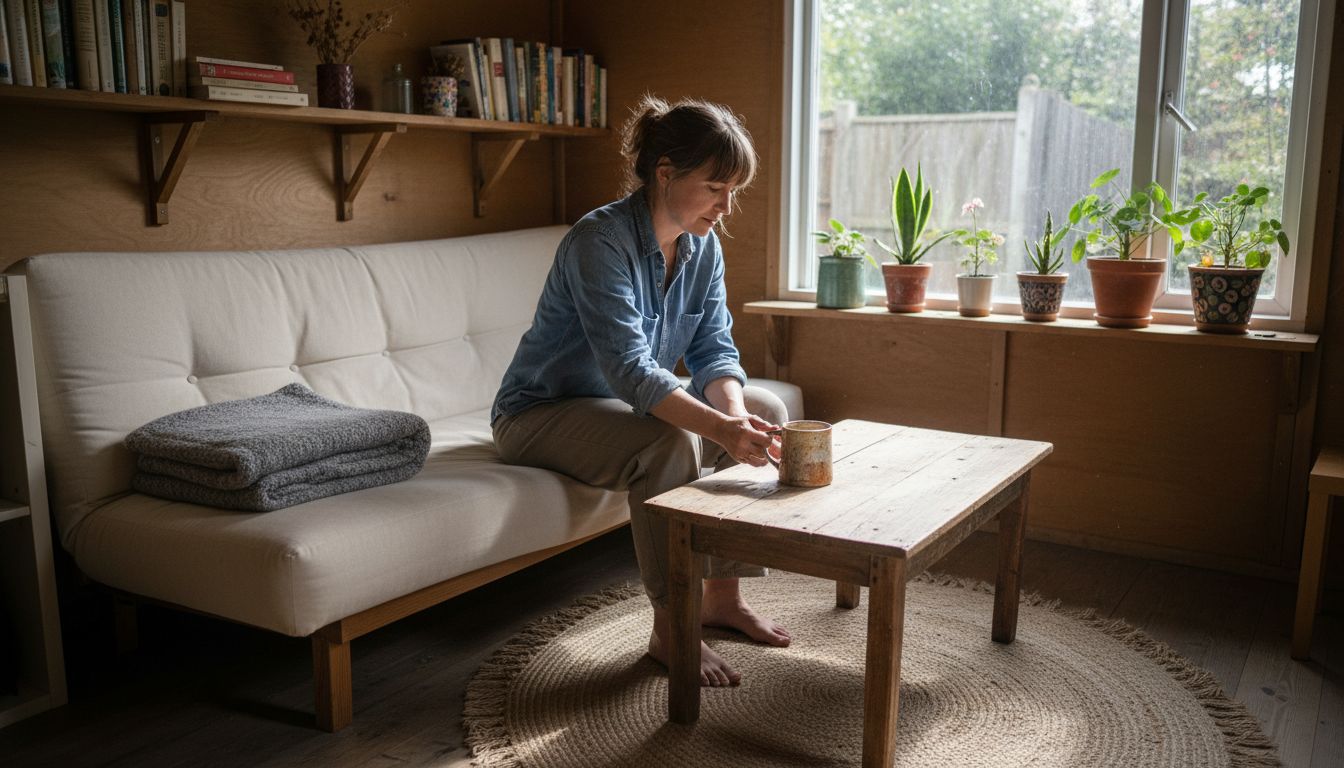
Selecting multipurpose furniture becomes crucial in maximising your garden cabin’s potential. Look for innovative pieces that offer flexibility such as convertible desks that transform into dining tables or sofas with integrated storage compartments. These clever designs allow you to adapt your space seamlessly between different functions whether you need a home office, relaxation area, or guest accommodation. Consider lightweight furniture with clean lines that can be easily rearranged to suit changing needs.
When choosing furnishings, prioritise comfort and durability alongside style. Opt for materials that can withstand potential temperature variations and occasional moisture typical in garden settings. Invest in high quality upholstery and fabrics that resist fading and wear. Natural materials like linen, cotton, and weatherproof woven textiles work brilliantly in garden cabin environments. By carefully curating your furniture selections, you can create a space that feels both intentionally designed and wonderfully adaptable to your lifestyle.
Phase 4: Enhance with lighting and decorative accents
Transforming your garden cabin into an inviting sanctuary requires thoughtful consideration of lighting and decorative elements that create atmosphere and reflect your personal style. The right combination of illumination and carefully chosen accents can elevate your space from merely functional to truly magical.
Maximising natural light becomes paramount in creating an open and welcoming environment. Consider installing sheer curtains or lightweight blinds that filter sunlight while maintaining a connection with the outdoor landscape. Complement natural illumination with layered lighting options including soft ambient floor lamps, task lighting for specific work areas, and warm accent lights that create depth and intimacy. Strategically placed LED strips or dimmable fixtures can help you adjust the mood throughout different times of day.
Decorate with purposeful accents that bridge your indoor cabin space with the surrounding garden environment. Introduce botanical prints, ceramic planters with live greenery, and natural textural elements like woven baskets or wooden sculptures. Winter preparation techniques can also inform your decorative choices consider throws and cushions that provide both visual warmth and practical comfort during cooler seasons. The key is creating a cohesive design that feels both intentional and effortlessly organic.
Phase 5: Personalise with garden-inspired finishing touches
Adding the final personal touches to your garden cabin transforms it from a mere structure into a living, breathing extension of your outdoor sanctuary. These carefully selected details will infuse your space with character and create a seamless connection between your indoor retreat and the surrounding landscape.
Incorporating natural elements becomes the cornerstone of creating an authentic garden-inspired atmosphere. Start by introducing potted plants with varying heights and textures that echo the greenery outside your cabin. Consider Alpine-inspired décor ideas that blend rustic charm with organic materials select ceramic planters, woven baskets, and natural stone accessories that bring the outside in. Dried botanical arrangements, pressed flower artwork, and botanical prints can add subtle yet meaningful connections to your garden environment.
Think beyond visual elements and engage multiple senses in your finishing touches. Introduce natural fragrances through dried lavender bunches, cedar wood elements, or small herb planters that release gentle aromatics. Textural elements like raw linen cushions, woollen throws, and rough hewn wooden coasters can provide tactile connections to the natural world. The goal is creating a space that feels both intentionally designed and wonderfully organic a true sanctuary that reflects the beauty of your garden and your personal aesthetic.
Phase 6: Review your decorated cabin for harmony and comfort
The final stage of creating your perfect garden cabin involves a thoughtful and comprehensive assessment that ensures your space truly meets your functional needs and aesthetic aspirations. This review process is about stepping back and examining your design with a critical yet appreciative eye.
Assessing garden room design requires a holistic approach that considers both visual harmony and practical functionality. Start by viewing your cabin from different angles and perspectives evaluate how the colour palette flows, how furniture placement supports your intended use, and whether the overall atmosphere feels cohesive. Creating tranquillity in your garden log cabin relies on striking a delicate balance between purposeful design and emotional comfort.
Take time to sit in each area of your cabin and reflect on how the space feels. Are there any areas that feel cluttered or disjointed? Do the textures and materials create a sense of warmth and invitation? Consider making subtle adjustments like repositioning a chair, adding a soft throw, or introducing a small plant to soften any harsh lines. The ultimate goal is creating a space that feels like a genuine extension of yourself a personal sanctuary that offers both visual delight and practical comfort.
Transform Your Garden Cabin into the Perfect Retreat Today
Designing a personalised garden cabin that balances comfort, style and functionality can be challenging. From assessing your space and choosing a cohesive theme to selecting multipurpose furnishings and enhancing lighting the journey requires careful planning to avoid feeling overwhelmed. You want a retreat that not only looks beautiful but also meets your practical needs and reflects your unique taste.
Discover how our bespoke garden buildings at logcabinkits.co.uk provide the ideal foundation for your dream cabin. Whether you seek a peaceful reading nook or a versatile workspace our custom options allow you to tailor every detail from size and layout to finishes. Start your transformation now and create a cabin that truly feels like your personal sanctuary. Explore our range and bring your garden retreat vision to life today.


