What is the best material for garden storage?
The "best" material depends on your priorities regarding maintenance and aesthetics:
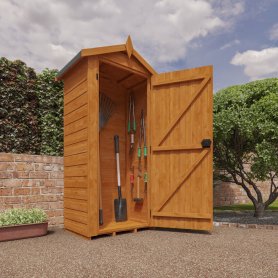
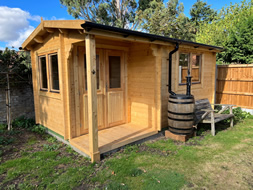
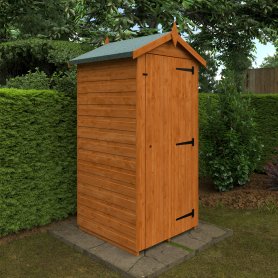
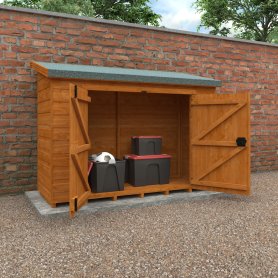
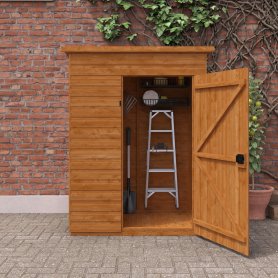
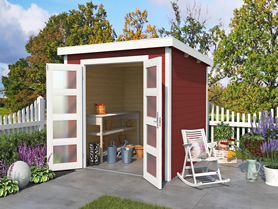
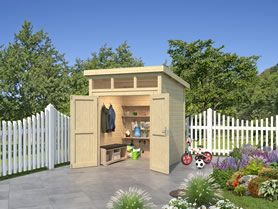
Wood: Offers a classic look and is naturally breathable (reducing condensation). However, it requires annual staining or treating to prevent rot.
Metal: Highly secure and fire-resistant. Galvanized steel is durable, though it can be prone to condensation and is often more difficult to assemble.
Plastic/Resin: Virtually maintenance-free, weather-resistant, and easy to clean. Quality varies; look for UV-protected, double-walled resin for longevity.
Do I need a foundation for a small storage chest or shed?
Yes. Even for small plastic storage boxes, a level, firm surface is vital. Without a flat base:
Doors and lids will become misaligned.
Water can pool underneath, leading to mold or base warping.
Heavy items may cause the floor panel to crack over time.
How do I stop condensation in a metal shed?
Metal sheds are notorious for "sweating." To prevent this:
Airflow: Ensure the vents are never blocked.
Vapor Barrier: Install a plastic membrane under the concrete or paved base before building the shed.
Insulation: Use anti-condensation paint or stick-on foam insulation on the interior roof panels.
Is my garden storage secure enough for expensive tools?
Standard garden boxes are deterrents, not safes. If you are storing high-value items like e-bikes or petrol lawnmowers, look for:
Hidden Hinges: Prevents intruders from simply unscrewing the door.
Hasp and Staple: Ensure these are bolted through the frame, not just screwed into the surface.
Ground Anchors: For lightweight plastic or metal units, bolt the unit directly into the concrete base.
Do I need planning permission for a garden storage building?
In most regions, small storage units fall under Permitted Development, meaning no permission is required. However, rules usually apply:
The structure must be single-story.
It should not take up more than 50% of your total garden area.
If it’s within 2 meters of a boundary, the height is often capped (usually at 2.5 meters).
Pro Tip: Always check with your local planning authority if you live in a conservation area or a listed building, as rules are much stricter there.
How do I calculate how much space I need?
Lay your largest items (mower, bikes, ladders) on the grass exactly as you would store them, then measure a perimeter around them. Always add 20% more space than you think you need; garden collections have a habit of growing, and you’ll want room to actually reach the items at the back.
Can I have a "living roof" on my shed?
Absolutely. Green roofs (sedum mats) are excellent for biodiversity and help regulate the temperature inside the storage unit. Just ensure the structure is reinforced, as a wet soil roof can weigh significantly more than a standard felt or plastic roof.
How can I maximize vertical space?
If footprint is limited, think upwards:
Pegboards: Perfect for hand tools.
Magnetic Strips: Great for shears and trowels.
Ceiling Hoists: Use these for ladders or seasonal items like kayaks.