
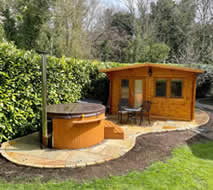
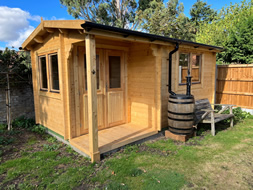
Adding a bespoke log cabin to your garden can feel like the perfect way to extend your living space, but confusion around planning permission and local rules often holds people back. For UK homeowners, understanding the true flexibility and multiple uses of these timber structures is essential before starting any project. Whether you dream of a private studio, guest house, or home office, this guide breaks down the key regulations and clears up common misconceptions to help you build with confidence.
Table of Contents
- Log Cabins: Definition And Misconceptions
- Permitted Development Rules For Garden Cabins
- Size, Height, And Location Restrictions
- Planning Permission For Residential Or Business Use
- Risks, Costs, And Mistakes To Avoid
- Applying For Permission: Steps And Documents
Key Takeaways
| Point | Details |
|---|---|
| Log Cabins are Versatile | They serve multiple purposes including home offices, guest accommodation, and permanent residences. |
| Planning Permissions are Essential | Understanding local regulations is crucial as specific criteria must be met for permitted development rights. |
| Height and Location Restrictions | Adhering to specific height and placement guidelines is necessary to avoid fines and compliance issues. |
| Prepare Comprehensive Documentation | Essential documents for planning applications include architectural plans, boundary maps, and ecological assessments when applicable. |
Log cabins: definition and misconceptions
In the United Kingdom, a log cabin represents far more than a simple wooden structure. It is a versatile timber building constructed primarily from interlocking logs, typically made from durable timber like spruce, pine, or cedar. Architectural designers define log cabins as adaptable structures ranging from compact garden rooms to substantial residential dwellings with both rustic and contemporary design possibilities.
Common misconceptions about log cabins often limit their perceived potential. Many people mistakenly believe these structures are:
- Always small recreational buildings
- Limited to countryside or rural settings
- Requiring complex and expensive planning permissions
- Unsuitable for year-round living
In reality, log cabins in the UK are remarkably diverse. They can serve multiple purposes including home offices, guest accommodations, garden studios, and even permanent residences. Timber-framed houses intended for full-time living demonstrate the adaptability of these structures.
Understanding log cabin classifications is crucial for homeowners. Unlike traditional brick constructions, log cabins offer flexibility in design, materials, and functional use. Their wooden construction provides natural insulation, aesthetic charm, and can be customised to suit various architectural preferences.
Pro tip: Before investing in a log cabin, carefully research local planning regulations and consult with your local council to understand specific permitted development rights in your area.
Permitted development rules for garden cabins
Navigating the permitted development rules for garden cabins requires careful understanding of UK planning regulations. Planning permission for garden log cabins depends on several critical factors that homeowners must consider before construction.
The key considerations for permitted development rights include:
- Maximum height restrictions
- Total floor area limitations
- Distance from property boundaries
- Location within the property’s curtilage
- Purpose of the garden cabin
Generally, garden cabins can be constructed under permitted development rights if they meet specific criteria. These typically involve:
- Ensuring the cabin is single-storey
- Limiting the maximum height to 2.5 metres
- Positioning the structure at least 2 metres from any property boundary
- Restricting the total floor area to less than 50% of the garden space
Important: Permitted development rights can vary depending on your specific location and property type, so always consult local planning authorities.
Homeowners must be aware that certain conditions can invalidate permitted development rights. These include building in front gardens, constructing near listed buildings, or creating structures in conservation areas. Each of these scenarios may require formal planning permission.
Pro tip: Always photograph and document your proposed garden cabin location and measurements before beginning construction to provide evidence of compliance with permitted development regulations.
Size, height, and location restrictions
Understanding the precise dimensional requirements for garden log cabins is crucial for UK homeowners. Detailed UK log cabin placement rules dictate specific parameters that must be carefully followed to comply with permitted development rights.
The key dimensional restrictions include:
- Maximum height limits based on roof type
- Specific positioning requirements relative to property boundaries
- Total garden coverage percentages
- Proximity to existing property structures
Height restrictions are particularly nuanced and depend on multiple factors:
- Apex roof cabins can reach up to 4 metres in height
- Cabins closer to boundaries must be lower
- Single-storey structures are strongly preferred
- Height measurements include the entire roof structure
Warning: Exceeding these height limitations will likely require formal planning permission.
Location is equally critical when positioning a garden log cabin. Homeowners must ensure the structure is situated at the rear or side of the property, never in front of the main building elevation. The total cabin footprint must not exceed 50% of the available garden space, excluding the existing house’s foundation.
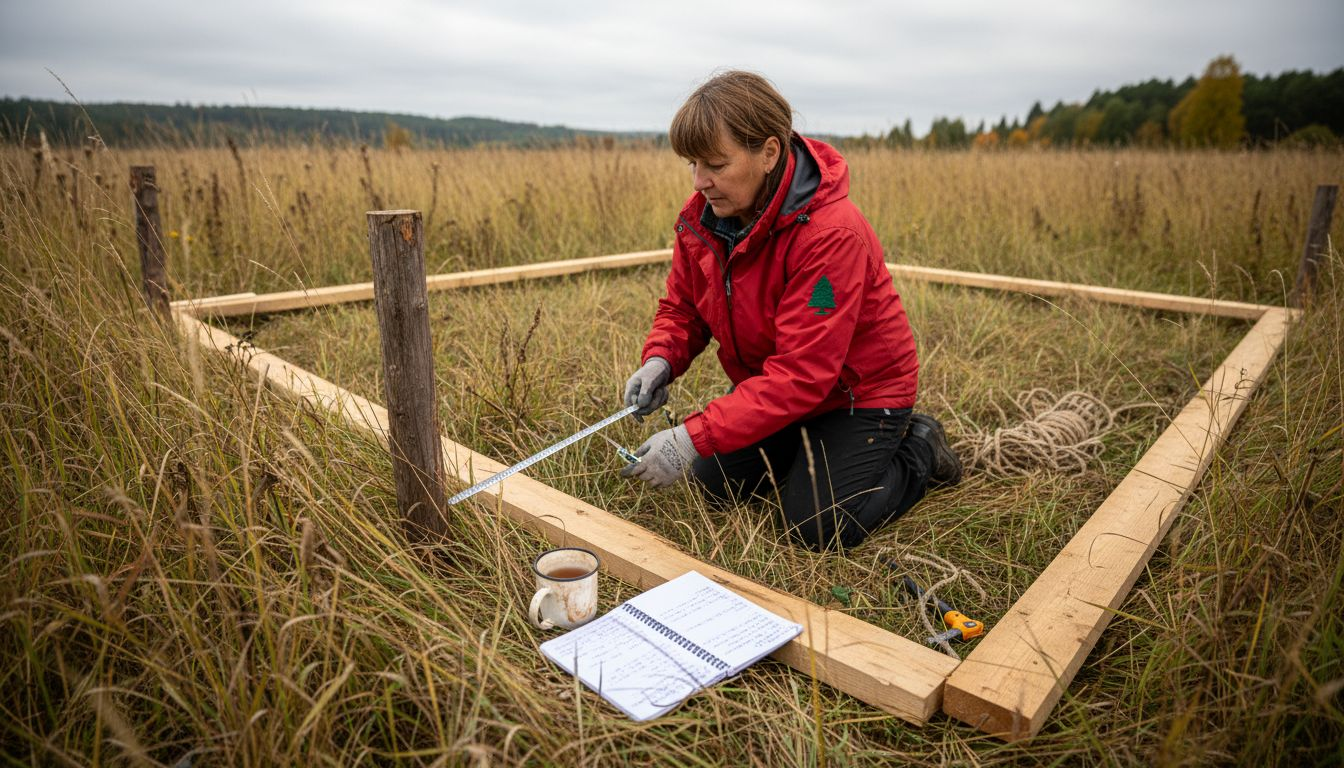
Pro tip: Measure and mark out your proposed cabin location using temporary stakes and string to visualise exact placement and ensure compliance with height and boundary restrictions.
Planning permission for residential or business use
When considering a log cabin for residential or business purposes, UK homeowners must navigate complex planning permission requirements. The intended use of the structure dramatically influences the necessary legal approvals and building regulations.
Key considerations for residential and business log cabin use include:
- Permanent residential occupation
- Holiday letting or rental accommodation
- Home office or business workspace
- Commercial enterprise premises
- Remote working environment
Different usage scenarios trigger specific planning permission requirements:
Here’s an at-a-glance comparison of log cabin uses and their planning implications:
| Intended Use | Planning Permission Complexity | Key Regulatory Focus | Common Challenges |
|---|---|---|---|
| Garden studio | Low | Size and height restrictions | Incorrect boundary placement |
| Home office | Moderate | Health & safety compliance | Electrical installation standards |
| Permanent residence | High | Full building regulations | Fire safety and accessibility |
| Rental accommodation | High | Safety and accessibility | Extra documentation requirements |
| Commercial premises | High | Commercial use permissions | Environmental impact assessment |
- Residential living requires comprehensive building regulation approval
- Business use may need separate commercial planning permissions
- Rental properties demand additional safety and accessibility standards
- Home office spaces have more flexible regulations
Important: Changing a log cabin’s purpose may require retrospective planning permission.
Commercial applications typically demand more stringent regulations. Workplace log cabins must comply with health and safety standards, require proper electrical installations, and potentially need additional environmental assessments. Homeowners must consult local planning authorities to understand specific requirements for their intended use.
Pro tip: Always discuss your specific log cabin project with local planning officers before commencing construction to avoid potential legal complications and unexpected regulatory challenges.
Risks, costs, and mistakes to avoid
Navigating the complexities of log cabin planning requires careful consideration of potential risks and compliance challenges. Homeowners must be prepared for the financial and legal implications of their project.
Common mistakes in log cabin planning include:
- Neglecting local authority regulations
- Misunderstanding permitted development rights
- Failing to obtain proper documentation
- Overlooking boundary and height restrictions
- Underestimating total project costs
Financial risks can be significant and may involve:
- Unexpected application fees
- Potential enforcement notice costs
- Mandatory retrospective planning applications
- Potential demolition expenses
- Legal consultation charges
Warning: Unauthorized construction can lead to substantial financial penalties and forced removal of the structure.
The total cost of non-compliance extends beyond initial fines. Homeowners might face compulsory demolition, legal proceedings, and challenges when selling their property. Detailed architectural drawings, professional consultations, and thorough research are essential investments to mitigate these risks.
The following table summarises typical planning pitfalls and their financial consequences:
| Planning Error | Potential Cost Outcome | Impact on Homeowner |
|---|---|---|
| Building over height | Retrospective application fees | Delays and extra expenses |
| Incorrect location | Enforcement notice fines | Risk of forced removal |
| No documentation | Legal consultation charges | Sale complications |
| Non-compliance | Demolition expenses | Major financial loss |
Pro tip: Create a comprehensive project folder with all measurements, drawings, and correspondence with local authorities to demonstrate proactive compliance and protect your investment.
Applying for permission: steps and documents
The process of applying for planning permission for a log cabin requires meticulous preparation and understanding of local authority requirements. Planning permission application strategies demand comprehensive documentation and strategic approach.
Essential documents for your planning permission application include:
- Detailed architectural site plans
- Precise cabin dimensional drawings
- Property boundary maps
- Structural engineering specifications
- Ecological impact assessments (if applicable)
- Photographs of proposed installation location
The standard application process typically involves:
- Preliminary consultation with local planning department
- Preparing comprehensive documentation
- Submitting formal application
- Paying required application fees
- Responding to potential follow-up queries
Critical: Each local authority may have unique requirements, so direct communication is key.
Submission complexity varies depending on your specific project. Some applications require minimal documentation for straightforward projects, while others demand extensive technical drawings and environmental assessments. Professional architectural services can significantly streamline this complex process.
Pro tip: Request a pre-application consultation with your local planning authority to understand specific requirements and potential challenges before investing in full application preparation.
Secure Your Dream Log Cabin With Ease and Confidence
Navigating the maze of planning permission can feel overwhelming for UK homeowners aiming to add a bespoke garden log cabin. With key challenges like height restrictions, location rules and permitted development rights, it is easy to feel uncertain about your next step. Avoid costly mistakes and legal complications by taking control early and choosing trusted expertise. Whether you seek a cosy garden studio or a spacious permanent residence, Log Cabin Kits specialises in custom builds that comply with UK planning laws and regulations.
Ready to make your vision a reality without the stress of planning hurdles? Explore our tailored solutions designed specifically to meet local requirements and provide full support from initial enquiry to final installation. Visit our main landing page to discover how we can help. Learn about your planning options with our detailed guidance on log cabin planning permission and protect your investment by choosing the right size, location and purpose for your cabin. Start today with confidence and create a beautiful space that fits perfectly within your property and legal boundaries.
Frequently Asked Questions
What are the permitted development rules for garden log cabins?
Generally, garden cabins can be constructed under permitted development rights if they are single-storey, have a maximum height of 2.5 metres, are at least 2 metres from any property boundary, and occupy less than 50% of the garden space.
Do I need planning permission for a log cabin used as a home office?
A home office may not require full planning permission, but it must comply with health and safety regulations and ensure it meets the necessary size and height restrictions. It’s advisable to check with local planning authorities.
What are the risks of building a log cabin without obtaining the required permissions?
Building without required permissions can lead to significant financial penalties, including enforced demolition, application fees for retrospective permission, and potential legal costs.
What documents are necessary for a log cabin planning permission application?
Essential documents include detailed architectural site plans, dimensional drawings, property boundary maps, structural engineering specifications, and photographs of the proposed installation location.