

Blog


Choosing a log cabin for your garden seems straightforward until you encounter the bewildering array of wall thickness options. Many UK homeowners assume all log cabin walls deliver similar insulation and strength, yet thickness profoundly influences comfort, energy bills, and durability. Understanding how wall thickness impacts your cabin’s performance helps you make an informed choice that suits your climate, usage, and budget, ensuring years of satisfaction.
Table of Contents
- Key takeaways
- Why log cabin wall thickness matters
- Common log cabin wall thickness options in the UK
- How wall thickness influences insulation and energy efficiency
- Selecting the right wall thickness for your log cabin project
- Explore custom log cabin options and expert guidance
- Frequently asked questions
Key Takeaways
| Point | Details |
|---|---|
| Warmth and strength | Thicker log walls retain more heat and provide greater structural stability, improving year round comfort in UK weather. |
| Common UK options | In the UK three main thicknesses are typically available: 28mm, 44mm and 90mm, each offering different insulation, durability and price points. |
| Use dictates thickness | Selection should reflect how you intend to use the cabin, with offices or studios needing stronger insulation than seasonal storage. |
| Thickness alone not enough | Even with thicker walls, proper treatment, ventilation and regular maintenance are essential to preserve performance and prevent warping. |
Why log cabin wall thickness matters
Wall thickness directly governs how well your cabin retains warmth and withstands British weather. Heat escapes faster through thinner logs, forcing heating systems to work harder and driving up fuel bills throughout winter months. Conversely, thicker log walls provide superior insulation and greater structural stability suitable for UK climates, making them ideal for year-round residential use or home offices.
Structural integrity improves markedly with increased wall thickness. Thicker logs resist wind pressure, heavy rain, and temperature fluctuations far better than their slimmer counterparts. This resilience translates to fewer repairs, reduced maintenance costs, and a cabin that stands firm through decades of British seasons. If you plan to use your cabin daily or house valuable equipment, robust walls become essential rather than optional.
Moisture protection links closely to both thickness and timber quality. Thicker walls absorb and release moisture more gradually, reducing the risk of warping or splitting. However, thickness alone does not guarantee performance. Proper treatment, ventilation, and regular maintenance preserve structural health regardless of log size.
“The right wall thickness balances thermal comfort, structural strength, and budget constraints, creating a cabin that serves your needs without unnecessary expense.”
Consider how you intend to use your cabin. Occasional garden storage or summertime retreats function adequately with thinner walls, whilst home offices, gyms, or guest accommodations demand superior insulation and durability. Understanding these fundamental relationships between thickness, insulation, and structure empowers you to choose wisely. Assessing your climate effects on wall size requirements early prevents costly mistakes and ensures your investment delivers lasting value.
Common log cabin wall thickness options in the UK
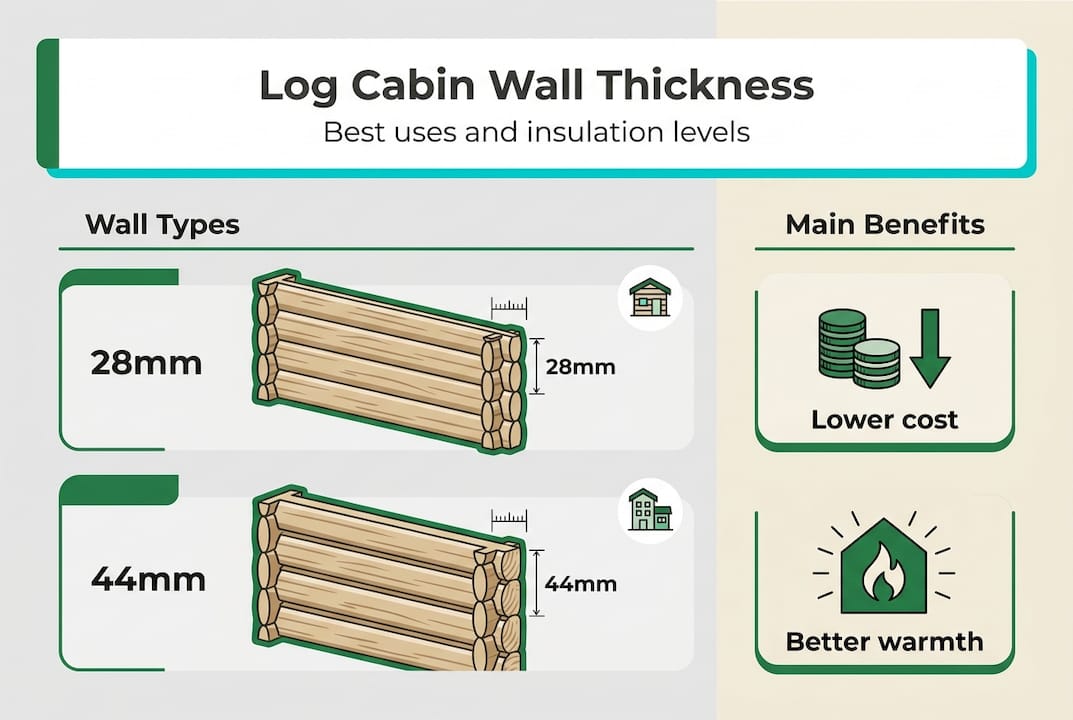
UK suppliers typically offer three primary wall thickness categories, each presenting distinct advantages and limitations. Understanding these options clarifies which suits your project best.
| Thickness | Best for | Insulation | Cost | Durability |
|---|---|---|---|---|
| 28mm | Storage, summer use | Basic | Budget-friendly | Adequate for light use |
| 44mm | Garden offices, gyms | Good | Mid-range | Suitable for regular use |
| 90mm+ | Year-round living | Excellent | Premium | Superior long-term strength |
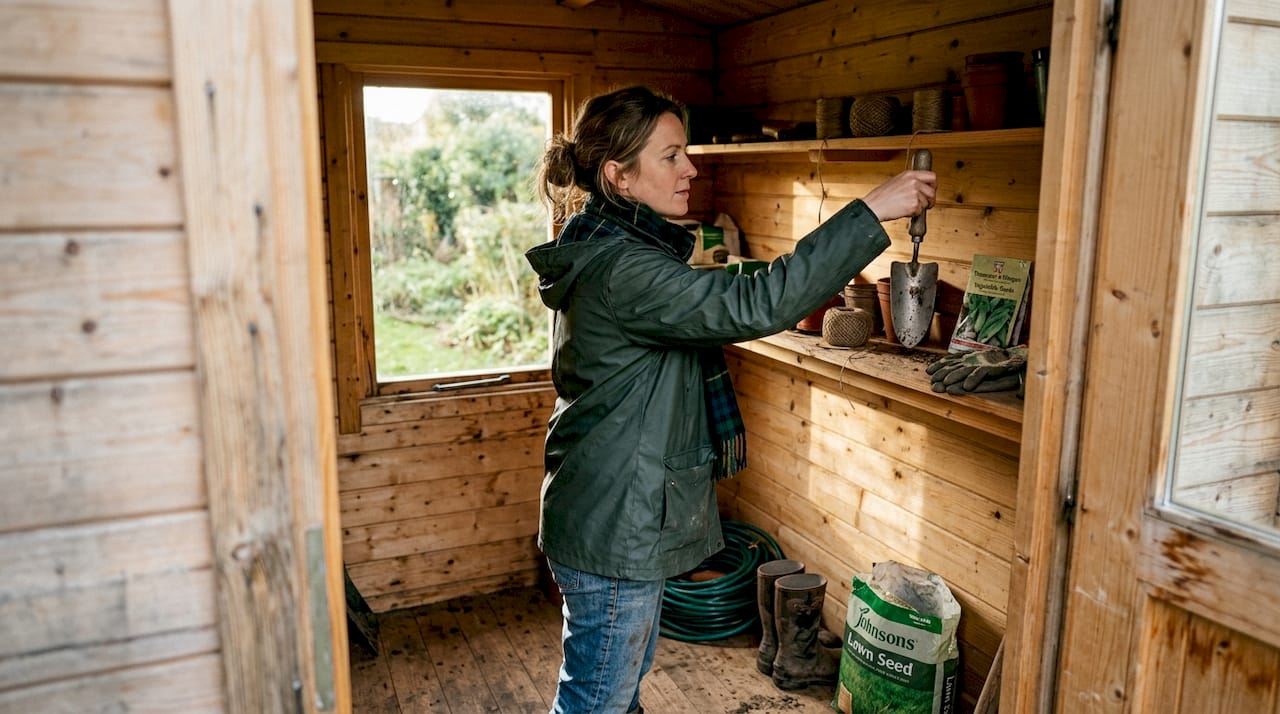
28mm logs represent the most economical choice, ideal for garden sheds, tool storage, or seasonal summerhouses. These thinner walls provide basic weather protection but offer limited insulation against winter cold. If you only use your cabin during warmer months or for storing garden equipment, 28mm logs deliver adequate performance without straining your budget. However, expect higher heating costs if you attempt year-round use.
44mm logs strike a popular balance between performance and affordability. Popular wall thicknesses include 28mm, 44mm, and 90mm, each suited to different budgets and uses. This mid-range option suits garden offices, home gyms, hobby rooms, and guest accommodations used regularly throughout the year. The improved insulation reduces heating demands compared to 28mm, whilst construction costs remain reasonable. Many UK homeowners find 44mm vs 28mm wall logs comparison reveals 44mm as the sweet spot for versatile garden buildings.
90mm and thicker logs deliver premium insulation and exceptional structural robustness. 90mm glued timber logs offer enhanced structural performance and insulation, making them suitable for permanent garden dwellings, artist studios, or spaces requiring consistent temperatures. Glued timber construction further enhances stability by reducing warping and settling. Although initial costs run higher, long-term energy savings and durability often justify the investment for serious projects.
Pro Tip: If your budget stretches to 44mm but you need better insulation, consider pairing standard thickness with supplementary roof and floor insulation rather than immediately jumping to 90mm logs. This hybrid approach often delivers superior thermal performance at lower cost than upgrading wall thickness alone.
Remember that wall thickness forms just one element of overall cabin performance. Proper installation, quality timber, effective sealing, and complementary insulation all contribute significantly. Choosing thickness wisely based on intended use prevents overspending on unnecessary robustness or underinvesting in essential thermal comfort. Explore 90mm glued timber logs if your project demands maximum durability and insulation for British weather conditions.
How wall thickness influences insulation and energy efficiency
Thicker walls reduce heat loss through conduction, the process where warmth transfers through solid materials to colder exteriors. Wood naturally insulates better than brick or concrete, yet thinner logs still permit substantial heat escape during winter. Doubling wall thickness from 28mm to 56mm significantly decreases thermal conductivity, keeping interiors warmer with less heating input. This relationship between thickness and heat retention directly impacts your energy bills and environmental footprint.
Proper thickness combined with insulation techniques significantly improves year-round comfort and reduces heating costs. However, relying solely on wall thickness overlooks other critical insulation opportunities. Supplementing wall thickness with roof and floor insulation optimises energy efficiency, addressing heat loss through all cabin surfaces rather than walls alone.
Maximise your cabin’s thermal performance with these proven insulation practices:
- Seal all gaps and joints between logs using flexible sealant or expanding foam to prevent draughts and moisture ingress.
- Insulate the roof cavity with mineral wool or rigid foam boards, as heat rises and escapes rapidly through uninsulated roofs.
- Install floor insulation beneath floorboards or on top of the foundation to prevent cold rising from the ground.
- Fit double-glazed windows to minimise heat loss through glass, which conducts warmth far faster than timber.
- Apply weatherproof treatment to exterior walls, protecting timber from moisture whilst maintaining breathability.
- Ensure adequate ventilation to prevent condensation buildup, which damages insulation and timber over time.
Energy efficiency extends beyond immediate comfort. Lower heating demands reduce fuel consumption, cutting costs and carbon emissions throughout your cabin’s lifespan. In regions experiencing harsh winters, combining thick walls with comprehensive insulation creates a remarkably efficient structure requiring minimal heating input. Conversely, neglecting supplementary insulation wastes the thermal advantages of premium wall thickness.
Pro Tip: Focus insulation efforts on the roof first, as approximately 25% of heat escapes upward in poorly insulated buildings. Upgrading roof insulation often delivers better returns than increasing wall thickness, particularly when budget constraints limit choices.
Proper maintenance preserves thermal performance regardless of wall thickness. Regular inspections catch gaps, cracks, or treatment failures before they compromise insulation. Reapplying exterior treatment every few years protects timber from weathering that degrades insulating properties. Consider your keeping your cabin warm strategy holistically, addressing walls, roof, floor, and windows as interconnected elements rather than isolated components. Explore comprehensive log cabin insulation methods and roof insulation for cabins to maximise efficiency and comfort.
Selecting the right wall thickness for your log cabin project
Choosing appropriate wall thickness demands honest assessment of how you intend to use your cabin. Year-round residential spaces, home offices, or gyms require superior insulation and structural integrity compared to seasonal summerhouses or storage sheds. Define your primary purpose clearly before evaluating thickness options, as this prevents overspending on unnecessary robustness or underinvesting in essential comfort.
Evaluate local weather severity and exposure. Cabins in exposed coastal areas or northern regions face harsher conditions than those in sheltered southern gardens. Wind, rain, and temperature extremes stress thinner walls more severely, accelerating wear and increasing heating demands. Matching wall thickness to your intended usage and local climate ensures long-term satisfaction and value, preventing regret over inadequate specifications.
Balance upfront costs against long-term energy savings and durability. Premium thickness commands higher initial investment but delivers decades of reduced heating bills and minimal maintenance. Calculate potential energy savings over your expected ownership period, comparing these against the price difference between thickness options. Often, the payback period for upgrading from 28mm to 44mm proves surprisingly short for regularly used cabins.
“Investing in appropriate wall thickness from the start prevents costly retrofitting attempts and ensures your cabin performs reliably throughout British seasons.”
Consider these factors when finalising your thickness choice:
- Intended usage frequency: Daily use justifies thicker walls; occasional use may not.
- Heating requirements: Spaces needing consistent warmth benefit from superior insulation.
- Budget constraints: Assess total project costs, not just wall thickness alone.
- Planning regulations: Permanent structures may require specific thickness standards.
- Resale value: Quality construction with appropriate thickness appeals to future buyers.
- Personal comfort priorities: Some homeowners prioritise cosiness over economy.
Seek professional advice if uncertainty persists. Experienced suppliers assess your specific circumstances, recommending thickness appropriate for your location, usage, and budget. They identify opportunities to optimise performance through complementary insulation or design modifications that standard thickness alone cannot achieve. Reviewing choosing wall log size guidance clarifies technical considerations many homeowners overlook.
Prioritise durability when planning permanent structures intended to last decades. Thicker walls resist settling, warping, and weather damage more effectively than economy options, reducing long-term maintenance burdens. Whilst initial savings from thinner walls seem attractive, premature deterioration or inadequate insulation often costs more over time through repairs and heating expenses. Choosing wisely now prevents regret later, ensuring your garden cabin delivers reliable service and comfort throughout its lifespan.
Explore custom log cabin options and expert guidance
Now that you understand how wall thickness impacts insulation, durability, and comfort, explore cabin options that match your specific requirements. Log Cabin Kits offers customised bespoke log cabins tailored to your preferred wall thickness, dimensions, and design features, ensuring your project perfectly suits your garden and usage needs.

Browse real installations in the log cabin gallery to visualise how different wall thicknesses and designs appear in actual UK gardens. See examples of 28mm storage sheds, 44mm garden offices, and premium 90mm log cabins to compare visual appeal and construction quality. Expert advisors help you navigate thickness choices, insulation options, and design possibilities, translating your vision into a practical specification that delivers lasting value and satisfaction.
Frequently asked questions
What is the best wall thickness for a UK log cabin?
The ideal thickness depends on your intended use and climate. For year-round living or home offices, 44mm to 90mm walls provide adequate insulation and durability. Seasonal use or storage functions well with 28mm walls. Consider local weather severity and heating requirements when deciding.
Can I add insulation to thin cabin walls later?
Yes, you can retrofit insulation by adding internal cladding with insulation batts or external insulated panels. However, this approach costs more and reduces interior space compared to choosing appropriate thickness initially. Planning comprehensive insulation during construction proves more economical and effective.
How does wall thickness affect cabin lifespan?
Thicker walls generally last longer because they resist warping, settling, and weather damage more effectively. Proper treatment and maintenance matter equally, but robust construction reduces long-term repair needs. Expect 44mm and thicker cabins to require less maintenance over decades compared to 28mm structures.
Do thicker walls require different foundations?
Thicker walls add weight, potentially requiring stronger foundations depending on total cabin size and local ground conditions. Consult your supplier or a structural engineer to ensure your foundation adequately supports your chosen wall thickness. Proper foundation design prevents settling and structural issues regardless of wall thickness.
Are glued timber logs worth the extra cost?
Glued timber logs offer superior stability, reduced warping, and improved insulation compared to solid logs of similar thickness. For permanent structures or year-round use, the enhanced performance often justifies the premium. Evaluate your budget against long-term durability and maintenance savings when considering glued timber options.


