

Blog


Finding the perfect balance between style and practicality often feels tricky for many UK homeowners looking to refresh their gardens. Investing in a bespoke log cabin brings together natural materials and thoughtful design, turning outdoor spaces into havens for relaxation, work, or storage. With emphasis on quality craftsmanship and personalisation, this guide reveals what truly sets a garden log cabin apart, helping you choose an option suited to your needs and surroundings.
Table of Contents
- What Defines A Garden Log Cabin
- Popular Types And Customisation Options
- Features And Benefits For Uk Homeowners
- Planning Permission And Legal Essentials
- Costs, Maintenance And Common Pitfalls
Key Takeaways
| Point | Details |
|---|---|
| Versatile Functionality | Garden log cabins serve multiple purposes, from home offices to leisure spaces, adapting to homeowners’ changing needs. |
| High-Quality Construction | Built from interlocked timber, these cabins offer superior insulation and structural integrity, lasting longer than standard garden sheds. |
| Customisation Potential | Homeowners can personalise log cabins with various designs, materials, and features, ensuring they complement existing landscapes and meet personal preferences. |
| Legal Considerations | Understanding local regulations and permitted development rights is essential to avoid legal issues when planning a garden log cabin. |
What Defines a Garden Log Cabin
A garden log cabin is a versatile timber structure designed to enhance outdoor living spaces, offering more than just a simple storage solution. These architectural features blend natural materials with functional design, creating a seamless extension of your garden environment. Timber buildings contribute significantly to rural character, making them an increasingly popular choice for homeowners seeking to transform their outdoor areas.
The core characteristics of a garden log cabin include:
- Constructed from interlocking wooden logs
- Purpose-built for garden settings
- Designed to complement existing landscape aesthetics
- Versatile in function – from workspace to relaxation area
- Typically built using high-quality, sustainable timber
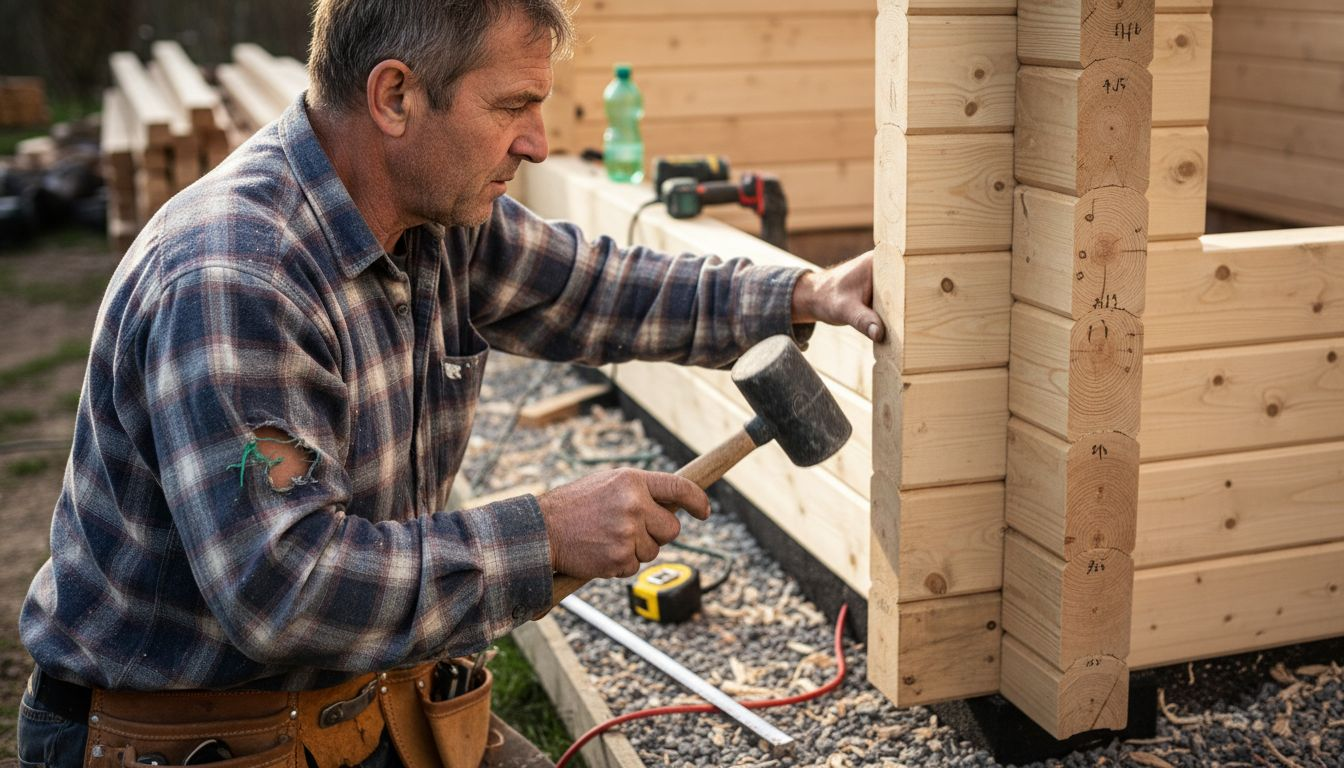
Structural Composition plays a crucial role in defining these outdoor structures. Unlike standard garden sheds, log cabins feature robust timber construction with logs precisely cut and interlocked to provide superior insulation and structural integrity. Contemporary garden cabins offer diverse design options, ranging from minimalist modern styles to rustic woodland-inspired designs.
To clarify the practical differences between garden sheds and garden log cabins, consider the following comparison table:
| Aspect | Garden Shed | Garden Log Cabin |
|---|---|---|
| Primary Purpose | Basic storage solution | Versatile living/workspace |
| Insulation Quality | Minimal | Excellent due to thick timber |
| Structural Design | Simple, often non-interlocking | Precision interlocked wooden logs |
| Lifespan Expectancy | 5-15 years with maintenance | 15-30 years with regular upkeep |
Functional Diversity is another key defining aspect. Garden log cabins are not merely static structures but dynamic spaces that adapt to multiple uses. Homeowners might utilise these spaces as home offices, art studios, fitness rooms, or tranquil reading retreats. The flexibility of design allows for personalisation that reflects individual lifestyle needs.
Construction Quality distinguishes genuine log cabins from basic timber constructions. Precision-engineered logs, weather-resistant treatments, and thoughtful architectural planning ensure these structures withstand British weather conditions while maintaining aesthetic appeal.
Pro tip: Consider your specific garden layout and intended usage when selecting a log cabin design to ensure maximum functionality and visual harmony.
Popular Types and Customisation Options
Garden log cabins offer an impressive range of design possibilities, allowing homeowners to create truly personalised outdoor spaces that reflect individual style and functional requirements. Eco-friendly design features play a critical role in modern log cabin customisation, emphasising sustainable and environmentally conscious approaches to outdoor building.
The primary types of garden log cabins include:
- Summer Houses: Lightweight, open structures perfect for relaxation
- Garden Offices: Fully insulated spaces designed for professional work
- Storage Cabins: Robust structures with emphasis on practical storage solutions
- Multi-Purpose Retreats: Versatile spaces adaptable to various uses
- Leisure Rooms: Recreational spaces for fitness, hobbies, or entertainment
Customisation Options provide remarkable flexibility in design. Homeowners can personalise their log cabins through various elements such as window placement, roofing styles, exterior finishes, and internal configurations. These options allow for a seamless integration with existing garden landscapes and architectural styles.
Structural Variations further enhance customisation potential. Potential modifications include:
- Adjustable wall thickness for improved insulation
- Different log profiles (rounded, square-cut, or interlocking)
- Optional raised foundations
- Varied roof designs (pitched, flat, or asymmetrical)
- Custom door and window configurations
Material Selection represents another crucial customisation dimension. While traditional timber remains popular, modern log cabins now incorporate sustainable materials, advanced thermal treatments, and eco-friendly finishes that enhance durability and environmental performance.
Pro tip: Consider consulting a professional designer who can help you balance aesthetic preferences with practical functionality when customising your garden log cabin.
Features and Benefits for UK Homeowners
Garden log cabins have emerged as a transformative solution for UK homeowners seeking to maximise their outdoor living spaces. Natural wood structures support biodiversity while providing versatile, year-round functional environments that adapt to changing lifestyle needs.
Key benefits for UK homeowners include:
- Additional usable living space without complex construction
- Enhanced property value through intelligent outdoor improvements
- Flexible workspace alternative to traditional home office
- Cost-effective extension of residential living areas
- Sustainable solution for expanding home functionality
Wellbeing Enhancement represents a critical advantage of garden log cabins. These structures offer more than physical space – they provide a sanctuary for mental relaxation and professional productivity. The connection with nature creates a unique environment that supports both professional efficiency and personal rejuvenation.
Property Value Potential is significant. Garden log cabins represent a strategic investment that increases overall property marketability. Potential buyers appreciate well-designed, multipurpose outdoor structures that offer additional functional space without major building work. The ability to create a dedicated workspace, leisure area, or storage solution adds tangible value to residential properties.
Versatility and Functionality make garden log cabins an intelligent choice for modern UK homeowners. These structures can seamlessly transform to meet changing requirements – from home office during work hours to relaxation space in the evening, or a creative studio at weekends. Their adaptable nature makes them an exceptional investment in residential flexibility.
Garden log cabins represent more than just a structure – they’re a lifestyle enhancement that connects indoor comfort with outdoor tranquillity.
Pro tip: Prioritise high-quality, well-insulated log cabin designs to maximise year-round usability and long-term value for your property.
Planning Permission and Legal Essentials
Navigating the legal landscape for garden log cabins requires careful consideration of local regulations and specific planning permission requirements. Understanding these guidelines helps homeowners avoid potential legal complications and ensure smooth project implementation.
Key legal considerations include:
- Size restrictions for permitted development
- Distance from property boundaries
- Height and location limitations
- Intended use of the structure
- Impact on neighbouring properties
Permitted Development Rights play a crucial role in determining whether planning permission is necessary. In most cases, garden log cabins can be constructed without formal approval if they meet specific criteria. These typically include:
- Total floor area under 15 square metres
- Maximum height of 2.5 metres
- Located within the property’s curtilage
- Not used as permanent residential accommodation
- Located away from public highways
Conservation and Heritage Considerations add another layer of complexity. Historic sites require additional planning scrutiny, particularly in conservation areas or near listed buildings. Homeowners must be particularly careful when planning log cabin installations in areas with special architectural or historical significance.
Consulting your local planning authority early can save significant time and prevent potential enforcement actions.
Pro tip: Always request a written confirmation of permitted development status from your local council to ensure complete legal compliance with your garden log cabin project.
Costs, Maintenance and Common Pitfalls
Planning a garden log cabin requires careful financial and maintenance considerations. Garden industry statistics reveal substantial variations in potential investment, with costs ranging from a few thousand to tens of thousands of pounds depending on specific requirements.
Typical cost breakdown includes:
- Initial cabin construction
- Foundation preparation
- Site groundwork
- Delivery and installation
- Additional customisation features
- Long-term maintenance expenses
Budget Considerations demand thorough financial planning. Most homeowners should anticipate spending between £5,000 and £25,000 for a comprehensive log cabin project, with prices fluctuating based on size, materials, and complexity of design. Professional installation and high-quality timber significantly impact overall expenditure.
Maintenance Requirements are crucial for preserving your investment. Regular wood structure inspections prevent long-term damage, addressing potential issues before they become expensive repairs. Essential maintenance tasks include:
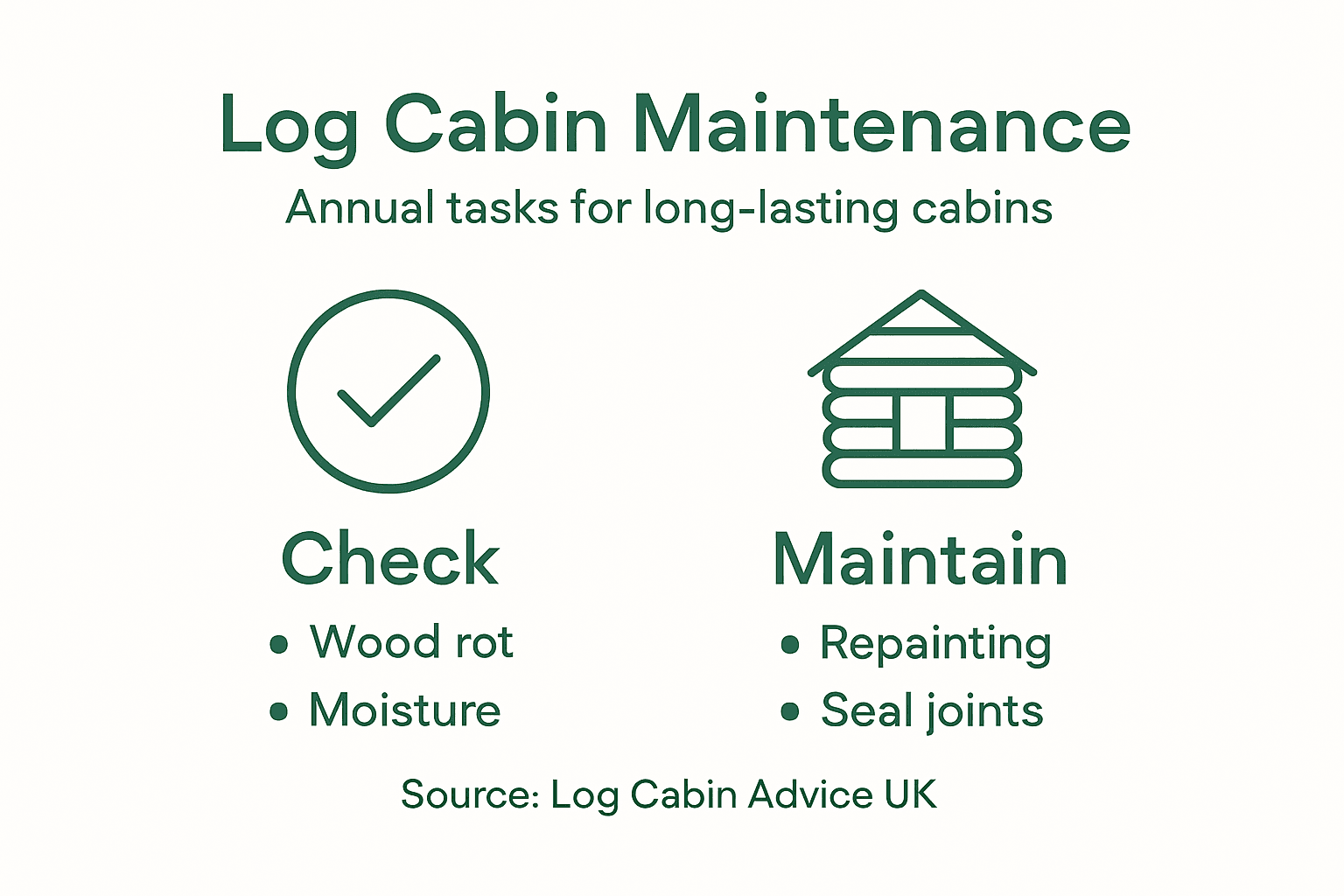
Here is a summary of key cost factors and maintenance tasks for garden log cabins:
| Cost Factor | Typical Range | Maintenance Task | Frequency |
|---|---|---|---|
| Construction/Installation | £5,000–£25,000 | Timber treatment | Annually |
| Foundation preparation | £500–£3,000 | Moisture inspection | Every 6 months |
| Customisation features | £500–£5,000 | Roof/foundation checks | Annually |
| Ongoing maintenance | £100–£500 per year | Exterior repaint/restain | Every 2–3 years |
- Annual wood treatment
- Checking for moisture damage
- Repainting or restaining exterior surfaces
- Inspecting roof and foundation integrity
- Managing surrounding vegetation
Proactive maintenance can extend your log cabin’s lifespan by decades, making it a worthwhile long-term investment.
Common Pitfalls homeowners should avoid include inadequate foundation preparation, neglecting regular treatments, and underestimating ongoing maintenance costs. Choosing cheap materials or cutting installation corners often leads to significantly higher expenses in future repairs.
Pro tip: Budget an additional 15-20% above initial cost estimates to cover unexpected maintenance and installation complexities.
Unlock the Full Potential of Your Garden with Bespoke Log Cabins
If you have been dreaming of transforming your outdoor space into a versatile sanctuary that blends style and function a bespoke garden log cabin is the answer. This article outlines the common challenges UK homeowners face such as finding a well-insulated structure that suits their lifestyle while complying with planning rules. At Log Cabin Kits we specialise in custom builds that match your needs whether you seek a tranquil summer house a productive garden office or a multi-purpose retreat crafted with precision and quality materials.
Discover how our expertly designed, weather-resistant log cabins provide enduring comfort, increased property value and adaptable spaces designed especially for British gardens. Don’t compromise on quality or style. Visit Log Cabin Kits today to explore our complete range and start your journey towards the perfect outdoor living solution that fits your unique garden layout and planning requirements. Act now to create your dream garden getaway before the season changes.
Frequently Asked Questions
What are the main benefits of a garden log cabin?
Garden log cabins provide additional usable living space, enhance property value, and offer a flexible workspace alternative to traditional home offices. They also create a tranquil environment for relaxation and support various activities like hobbies or exercise.
How do garden log cabins differ from standard garden sheds?
Garden log cabins are constructed from interlocking wooden logs, offering superior insulation and structural integrity compared to standard garden sheds, which are typically simpler and less durable. Log cabins are designed for versatile living or working spaces, while sheds primarily serve as storage solutions.
What maintenance is required for a garden log cabin?
Regular maintenance tasks for a garden log cabin include annual wood treatment, inspection for moisture damage, repainting or restaining exterior surfaces every 2-3 years, and checking the roof and foundation’s integrity. Proactive care can significantly extend the lifespan of your cabin.
Do I need planning permission to build a garden log cabin?
Planning permission is not usually required for garden log cabins that meet specific criteria, such as being under 15 square metres and not being used as permanent living accommodation. However, it’s essential to check local regulations and consult your planning authority for guidance on permitted development rights.


