

Blog


Finding room to work or relax at home can feel impossible without sacrificing comfort or style. British homeowners are turning to year-round garden cabins as flexible, affordable alternatives to traditional home extensions, offering private retreats or dedicated workspaces that adapt with the seasons. With demand rising for structures built from sustainable materials and engineered for energy efficiency, this guide reveals how flexible home upgrades are transforming residential spaces while helping you create a cabin that suits your needs and values.
Table of Contents
- Garden Cabins for Year-Round Living Defined
- Types of Year-Round Garden Cabins in the UK
- Insulation, Heating, and Weatherproofing Essentials
- Planning Permission and Building Regulations UK
- Energy Efficiency, Costs, and Sustainable Choices
Key Takeaways
| Point | Details |
|---|---|
| Versatile Living Solutions | Garden cabins serve as flexible extensions to homes, adapting niches such as home offices and guest accommodation. |
| Insulation and Heating Importance | Effective insulation and heating solutions are critical to creating comfortable and energy-efficient year-round living spaces. |
| Planning and Regulation Awareness | Understanding UK planning permissions and building regulations is essential for compliant garden cabin construction. |
| Sustainable Design Choices | Integrating sustainable materials and energy-efficient technologies can significantly lower operational costs and environmental impact. |
Garden Cabins for Year-Round Living Defined
Garden cabins have emerged as versatile living spaces that go far beyond traditional storage solutions. These purposefully designed structures represent a sophisticated home extension option for British homeowners seeking flexible living areas. Flexible home upgrades are transforming residential spaces in ways that challenge conventional home improvement strategies.
Modern garden cabins are engineered to provide comfortable, functional spaces adaptable to multiple purposes. Whether you need a quiet home office, an artistic studio, a guest accommodation, or a personal retreat, these structures offer remarkable versatility. They represent more than just additional square footage – they are carefully crafted living environments designed to integrate seamlessly with your existing property while providing independent functionality.
The core characteristics of a year-round garden cabin include robust thermal insulation, weatherproof construction, and intelligent design that allows comfortable use across seasons. Premium log cabins feature double-glazed windows, enhanced wall thickness, and advanced heating systems that transform them from seasonal structures into genuine living spaces. Unlike traditional garden buildings, these modern cabins are constructed with high-performance materials that ensure durability, energy efficiency, and comfort.
Pro tip: Consider consulting a professional designer who specialises in garden cabin installations to ensure your structure meets both your functional needs and local planning regulations.
Types of Year-Round Garden Cabins in the UK
The United Kingdom offers a diverse range of garden cabin designs specifically tailored to provide comfortable living spaces throughout the year. Specialised insulated log cabins represent a sophisticated solution for homeowners seeking adaptable outdoor living environments that can withstand the unpredictable British climate.
Four primary categories of year-round garden cabins dominate the market. Nordic-style log cabins offer exceptional thermal performance with thick timber walls and advanced insulation techniques. German-engineered models provide precision-crafted structures with superior heat retention capabilities. UK climate-focused designs incorporate specific weatherproofing elements that protect against rain, wind, and temperature fluctuations. Budget-friendly options also exist with modular upgrade pathways that allow gradual improvement of thermal efficiency.
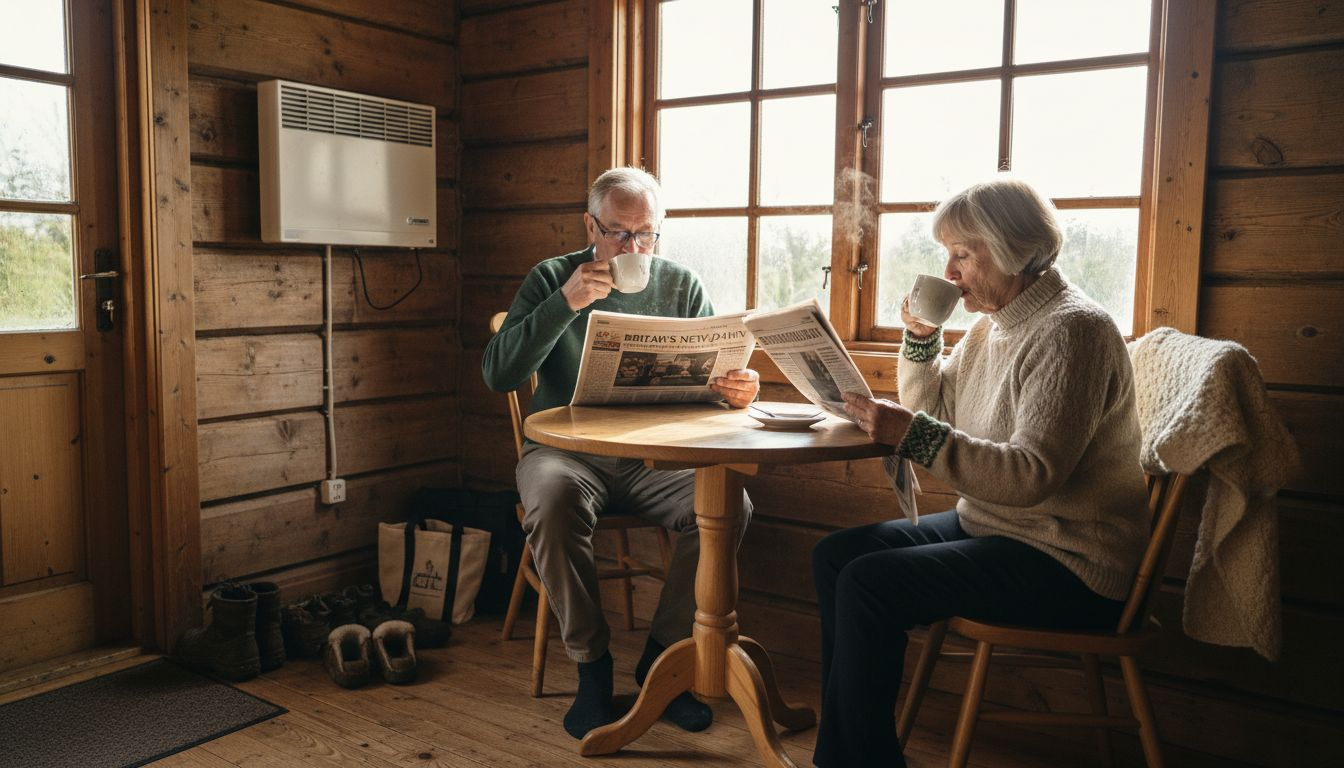
Each cabin type serves unique purposes beyond simple additional space. Home offices represent a significant market segment, with cabins designed to provide professional work environments that separate domestic and professional spheres. Artistic studios, personal gyms, and guest accommodations are equally popular configurations. The key differentiator among these models lies in their construction quality, insulation standards, and adaptability to specific user requirements.
Here’s a quick comparison of the main types of year-round garden cabins found in the UK:
| Cabin Type | Key Construction Feature | Climate Adaptability | Typical Use Case |
|---|---|---|---|
| Nordic-style Log | Thick timber walls, advanced insulation | Withstands extreme cold and damp | Home office, studio |
| German-engineered | Precision assembly, thermal windows | Optimal for heat retention | Guest accommodation |
| UK Climate-focused | Enhanced weatherproofing, sealed joints | Excellent for wet and windy weather | Personal retreat |
| Budget Modular | Upgradable insulation, simple design | Flexible for upgrades, basic protection | Gym or starter office |
Pro tip: Prioritise cabins with double-glazed windows and robust wall insulation to maximise year-round comfort and energy efficiency.
Insulation, Heating, and Weatherproofing Essentials
Creating a comfortable year-round garden cabin requires a strategic approach to thermal management and structural protection. Heating and insulation techniques are crucial for transforming these outdoor structures into functional living spaces that can withstand the United Kingdom’s challenging climate conditions.
The fundamental elements of effective cabin insulation involve multiple layers of protection. Wall insulation is paramount, typically involving high-density mineral wool or specialist foam that creates a robust thermal barrier. Double-glazed windows with low-emissivity coatings prevent heat loss, while draught-proofing around doors and windows eliminates cold air infiltration. Flooring insulation is equally critical, with options ranging from suspended timber floors with underfloor insulation to solid concrete bases with integrated thermal breaks.
Heating solutions for garden cabins vary from traditional electric radiators to modern infrared panel heaters and wood-burning stoves. Each option offers distinct advantages depending on the cabin’s size, usage, and specific thermal requirements. Renewable technologies like air source heat pumps are increasingly popular, providing efficient heating with minimal environmental impact. Proper ventilation must accompany these heating systems to prevent moisture buildup and maintain a healthy indoor environment.
Pro tip: Invest in a programmable thermostat to optimise heating efficiency and reduce energy consumption in your garden cabin.
Planning Permission and Building Regulations UK
Navigating the legal landscape of garden cabin construction requires a comprehensive understanding of UK planning regulations. Most garden cabins fall under permitted development rights, which means homeowners can typically construct these structures without formal planning permission, provided they meet specific criteria.
The key considerations for permitted development include strict limitations on size, placement, and intended use. Garden cabins must not occupy more than 50% of the property’s total garden area, and they cannot be located forward of the home’s principal elevation. Height restrictions are critical – single-storey structures must not exceed 2.5 metres at the eaves, with an overall maximum height of 4 metres for pitched roofs or 3 metres for flat or lean-to roofs. Buildings intended for sleeping accommodation or separate living purposes will automatically require full planning permission, regardless of size.
Building regulations represent another crucial aspect of garden cabin construction. While many smaller structures are exempt, cabins with electrical installations, plumbing, or substantial modifications must comply with current building standards. This ensures structural integrity, electrical safety, and thermal efficiency. Homeowners should consult their local planning authority to confirm specific requirements, as regulations can vary slightly between different local councils across the United Kingdom.
Pro tip: Always take photographs and maintain detailed documentation of your garden cabin’s construction to simplify any potential future compliance checks or legal inquiries.
Energy Efficiency, Costs, and Sustainable Choices
Designing an energy-efficient garden cabin requires a strategic approach to materials, construction, and ongoing operational costs. Energy efficiency strategies can significantly reduce long-term expenses while minimising environmental impact. Sustainable choices begin with selecting high-quality, responsibly sourced timber that provides natural insulation and durability.
The initial investment in a garden cabin encompasses more than just construction costs. Homeowners should consider thermal performance, which directly influences heating expenses and comfort levels. High-performance timber with advanced insulation properties, such as Nordic spruce or cedar, offers superior heat retention. Double-glazed windows with low-emissivity coatings, additional wall insulation, and draught-proofing can reduce energy consumption by up to 40% compared to traditional uninsulated structures.
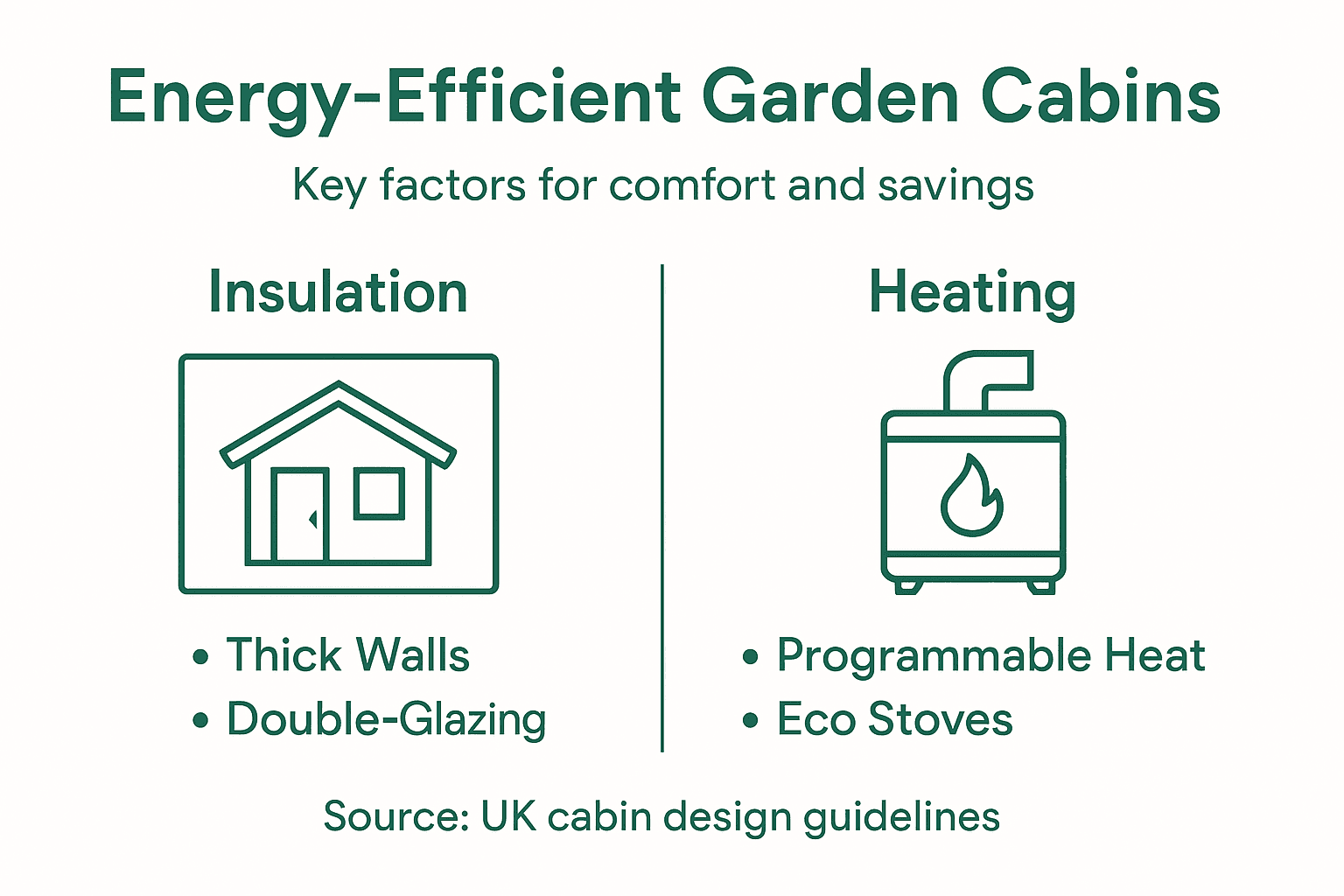
Sustainable technology integration represents another crucial aspect of modern garden cabin design. Renewable energy solutions like solar panels, air source heat pumps, and LED lighting can dramatically reduce carbon footprint and ongoing utility expenses. Some advanced cabin designs now incorporate recycled materials, sustainable timber sourcing, and modular construction techniques that minimise waste and environmental impact. These approaches not only reduce ecological consequences but also provide long-term economic benefits through reduced energy consumption and maintenance requirements.
To help you evaluate sustainability and energy costs for garden cabins, review this summary of practical choices and their impact:
| Sustainable Choice | Effect on Energy Costs | Environmental Benefit |
|---|---|---|
| High-performance timber | Lower heating bills | Reduces energy and carbon output |
| Solar panels | Cuts electricity usage | Promotes renewable energy |
| Double-glazing, insulation | Significant savings | Prevents heat loss, less emissions |
| LED lighting | Minimises power consumption | Less waste, longer lifespan |
Pro tip: Calculate potential energy savings by comparing different insulation materials and considering their long-term performance rather than just upfront costs.
Discover Your Perfect Year-Round Garden Cabin Solution
If you are seeking a comfortable and energy-efficient garden cabin designed for all seasons the challenges of insulation heating and weatherproofing are top priorities. The article highlights the need for robust thermal performance and careful planning to ensure your living space remains cosy and functional despite the unpredictable United Kingdom climate. At Log Cabin Kits we specialise in bespoke and custom builds crafted to meet these exact needs offering high-performance timber cabins that combine durability with stylish design and impeccable energy efficiency.
Explore our range of expertly designed log cabins tailored for year-round use with features like double glazing premium insulation and smart heating options. Visit our main site now to find solutions that perfectly balance comfort and sustainability with long-term cost savings. Don’t wait to create your ideal home office studio or personal retreat; let us help you build a garden cabin that enhances your lifestyle whatever the season at Log Cabin Kits. Start your journey today by browsing our bespoke options and enjoy peace of mind with quality craftsmanship built to last.
Frequently Asked Questions
What are garden cabins designed for year-round living?
Garden cabins designed for year-round living are versatile structures that serve as extensions of your home, providing comfortable spaces for various purposes, such as home offices, guest accommodations, or personal retreats. They are built for durability, insulation, and comfort, making them suitable for all seasons.
How is insulation important in a year-round garden cabin?
Insulation is crucial in a year-round garden cabin as it prevents heat loss and ensures comfortable temperatures regardless of external weather conditions. High-density insulation materials and double-glazed windows create a robust thermal barrier, significantly enhancing energy efficiency and comfort.
What heating options are available for year-round garden cabins?
Heating options for year-round garden cabins include electric radiators, infrared panel heaters, wood-burning stoves, and renewable technologies like air source heat pumps. The choice of heating solution depends on the cabin’s size, intended use, and thermal requirements.
Do I need planning permission to build a garden cabin for year-round use?
Most garden cabins can be built under permitted development rights, meaning you typically do not need formal planning permission, provided they meet specific criteria regarding size, placement, and use. However, any cabins for sleeping accommodation will require full planning permission, so it’s essential to check local regulations.
Recommended
- Year-Round Garden Office: Transforming UK Homeworking
- Year-Round Escapes: Maximizing Your Garden Log Cabin in Every Season – Log Cabin Kits to Buy Online
- Heating Your Garden Log Cabin: Easy Solutions for Year-Round Comfort – Log Cabin Kits to Buy Online
- Garden Cabin Sense: How It Enhances UK Outdoor Living


