
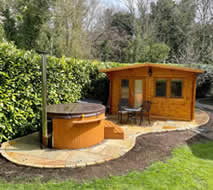
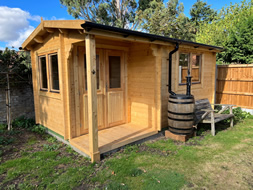

Surprising as it may sound, nearly half of British homeowners now see their gardens as key living spaces, with garden cabins becoming a top upgrade. This shift goes far beyond simple garden sheds, reflecting a growing demand for stylish, functional areas where work, relaxation, and hobbies all fit easily into daily life. If you are curious about how a modern garden cabin can change the way you use your outdoor space, you are in the right place to discover its full potential.
Table of Contents
- What Is A Garden Cabin Exactly
- Common Styles And Construction Types
- How Garden Cabins Work Functionally
- Planning Permission And Building Rules
- Year-Round Benefits And Practical Uses
- Costs, Risks And Tax Implications
Key Takeaways
| Point | Details |
|---|---|
| Garden Cabins Enhance Outdoor Living | Garden cabins provide versatile, functional spaces that extend living areas, ideal for home offices, studios, and leisure rooms. |
| Diverse Styles and Construction Types | Available in various architectural styles and materials, garden cabins can be customised to fit individual needs and aesthetic preferences. |
| Navigating Planning Regulations | Understanding UK planning permissions and building regulations is crucial to ensure compliance and avoid potential costs related to construction. |
| Financial Considerations | Initial costs can vary widely, and future tax implications may depend on the intended use of the garden cabin, highlighting the need for professional advice. |
What Is A Garden Cabin Exactly
A garden cabin is a versatile, purpose-built structure designed to enhance outdoor living spaces in British gardens. Unlike traditional garden sheds, these structures offer a more sophisticated and functional solution for homeowners seeking additional space. Garden rooms have been part of design landscapes for centuries, creating secluded and partly enclosed spaces that serve multiple purposes.
Typically constructed from high-quality timber, garden cabins provide a robust and attractive outdoor building that can function as a home office, leisure room, studio, or storage area. These structures are more than simple storage solutions - they represent an extension of your living environment, offering a seamless connection between indoor comfort and outdoor beauty. Modern garden cabins come in various sizes and styles, ranging from compact 2-metre designs to spacious 6-metre installations that can accommodate multiple functions.
The key characteristics of a garden cabin include:
- Solid timber construction
- Permanent or semi-permanent installation
- Weather-resistant design
- Customisable internal configurations
- Potential for year-round usage
While traditional garden sheds focus primarily on storage, garden cabins represent a more refined approach to outdoor living. They offer superior insulation, better aesthetic appeal, and greater versatility, making them an increasingly popular choice for British homeowners looking to maximise their garden’s potential.
Common Styles And Construction Types
Garden cabins come in a diverse range of architectural styles and construction types, each designed to meet specific homeowner needs and aesthetic preferences. Traditional designs often feature classic log cabin aesthetics with horizontal wooden planks, while contemporary models embrace minimalist geometric lines and sleek finishes. Exploring the advantages of garden cabins reveals the importance of selecting a style that complements both your garden landscape and personal architectural taste.
The primary construction types can be categorised into several key variations:
- Log Cabin Style: Featuring interlocking horizontal timber logs
- Modular Panels: Prefabricated sections allowing quick assembly
- Frame Construction: Lightweight timber frame with external cladding
- Engineered Timber: Precision-cut panels with enhanced durability
- Prefabricated Units: Fully assembled structures delivered ready to install
Material selection plays a crucial role in determining a garden cabin’s longevity and performance. Scandinavian pine remains the most popular timber choice, offering excellent weather resistance and natural insulation properties. Some homeowners opt for cedar or larch, which provide superior durability and natural protection against moisture and insect damage. Wall thickness typically ranges from 19mm for lightweight summer structures to 44mm for year-round, fully insulated spaces.
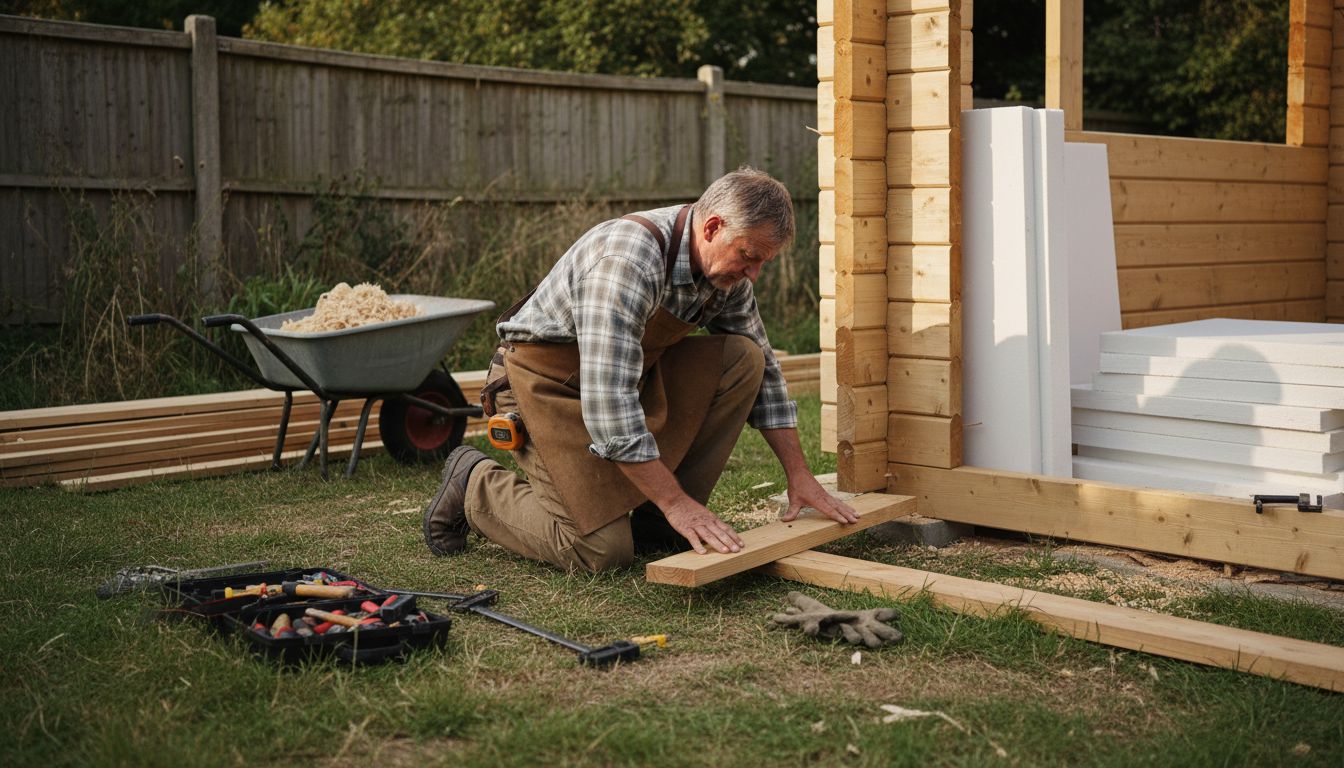
When selecting a garden cabin style, consider factors such as intended usage, garden dimensions, local planning regulations, and budget. Unlocking storage potential involves understanding how different construction types can serve multiple purposes - from home offices and art studios to garden storage and relaxation spaces. Each design offers unique benefits, ensuring there is a perfect garden cabin solution for every British homeowner’s specific requirements.
How Garden Cabins Work Functionally
Garden cabins operate as sophisticated standalone structures designed to extend living and working spaces beyond traditional home boundaries. Garden rooms with solid roofs serve multiple functional purposes, from home offices and creative studios to personal gyms and relaxation retreats. Their unique design allows homeowners to create versatile spaces that seamlessly integrate with outdoor environments while providing protection from external elements.
The functional mechanisms of garden cabins revolve around several key engineering principles:
- Thermal insulation through engineered panel systems
- Modular construction enabling flexible interior configurations
- Advanced weatherproofing techniques
- Integrated electrical and connectivity infrastructure
- Adaptable foundation systems for various terrain types
Structural functionality is closely tied to material selection and design precision. Multi-room garden cabin configurations offer enhanced versatility, allowing homeowners to create distinct zones within a single structure. Typical garden cabins feature aluminium-framed double-glazed windows for energy efficiency, robust timber frames providing structural integrity, and carefully engineered roof systems that manage water drainage and thermal regulation.
Practical considerations play a crucial role in garden cabin functionality. Proper positioning is essential - considering factors like sunlight exposure, garden layout, privacy requirements, and potential views. Modern garden cabins are designed as year-round spaces, with sophisticated insulation technologies that maintain comfortable internal temperatures regardless of external weather conditions. This makes them ideal for continuous use as professional workspaces, leisure areas, or additional living quarters that extend the usable square footage of your property.
Planning Permission And Building Rules
Navigating the legal landscape of garden cabin construction requires careful understanding of UK planning regulations. Garden rooms often fall under permitted development rights, which means homeowners can typically construct structures without a full planning application, provided specific conditions are met. These regulations offer flexibility while ensuring responsible development of residential properties.
Key considerations for planning permission include:
- Maximum height restrictions (usually 2.5 metres)
- Total floor area limitations
- Distance from property boundaries
- Intended usage of the structure
- Proximity to residential boundaries
Special circumstances demand additional scrutiny. Navigating planning permissions becomes more complex for properties located in conservation areas, listed buildings, or areas with specific architectural restrictions. Homeowners must be particularly cautious if their garden cabin will be used as a habitable space, as this typically requires full planning permission and potentially building regulation approval.
Building regulations play a crucial role in ensuring structural safety and compliance. Factors such as electrical installations, foundation design, insulation standards, and structural integrity are carefully evaluated. While many garden cabins can be constructed under permitted development rights, larger structures or those intended for permanent residential use will require comprehensive building regulation approval. Consulting local planning authorities and obtaining professional advice can help navigate these intricate requirements and ensure your garden cabin project proceeds smoothly and legally.
Year‑Round Benefits And Practical Uses
Garden cabins represent a transformative solution for expanding living and working spaces beyond traditional home boundaries. Garden rooms provide additional living space without the cost or disruption of a house extension, offering homeowners a flexible and cost-effective alternative to traditional home renovations. These versatile structures can seamlessly adapt to multiple functions, making them an intelligent investment for modern British households.
Practical uses for garden cabins span a wide range of personal and professional needs:
- Home office and remote working space
- Personal fitness and yoga studio
- Art and creative workshop
- Music or recording studio
- Meditation and relaxation retreat
- Guest accommodation
- Additional storage solution
- Hobby and craft workspace
Multi-room garden cabin configurations unlock even greater potential, allowing homeowners to create dedicated zones for different activities. The ability to design a personalised space that seamlessly integrates with your garden environment means these structures offer far more than just additional square footage. Equipped with energy-efficient features and robust insulation, modern garden cabins can be comfortable and functional throughout the year, regardless of British weather conditions.
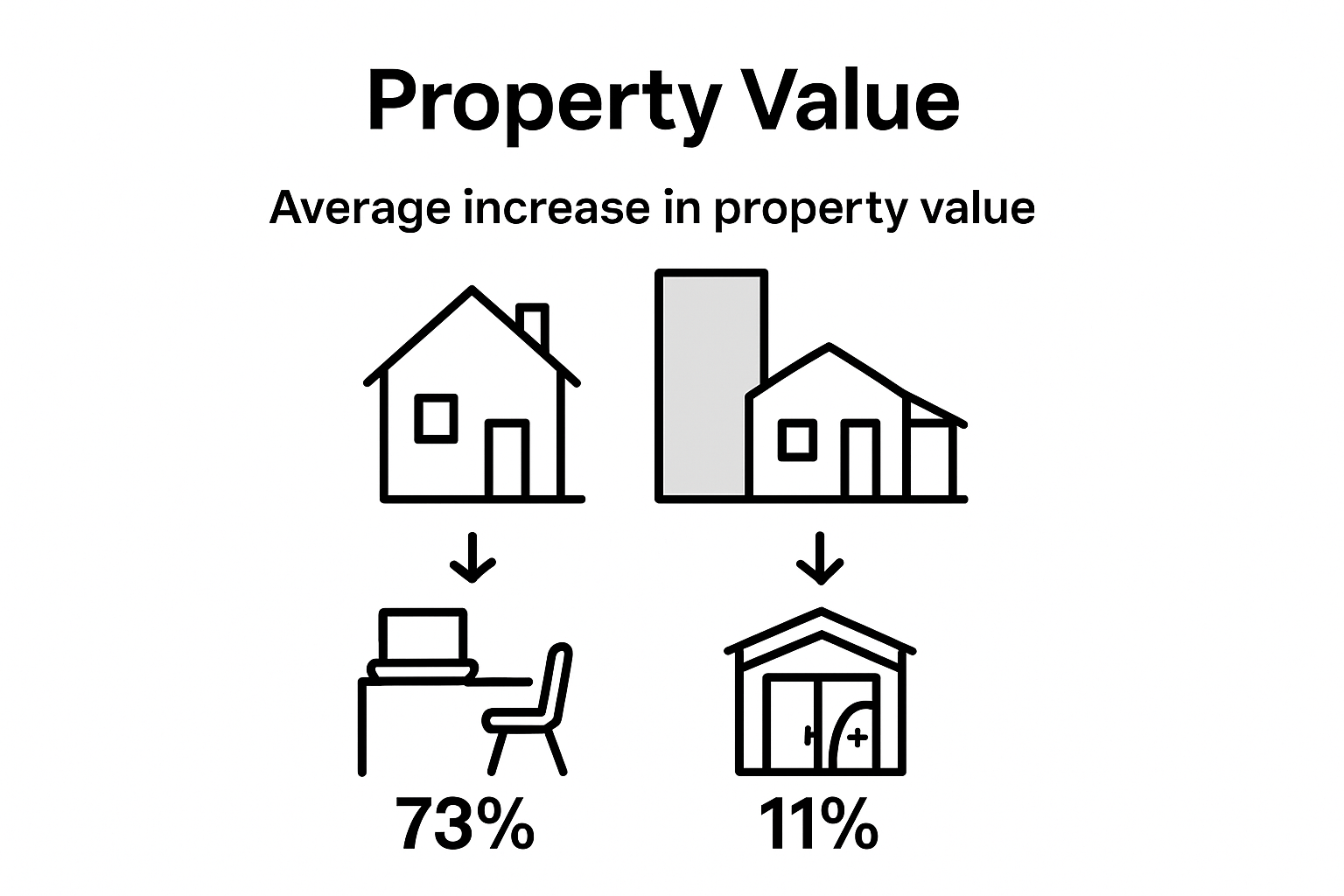
Financial benefits complement the practical advantages. A well-designed garden cabin can potentially increase a property’s market value by creating an attractive, multipurpose space that appeals to future buyers. The initial investment is typically significantly lower than traditional home extensions, while providing similar functional benefits. Whether you’re seeking a quiet workspace, a personal sanctuary, or a versatile area for leisure and creativity, garden cabins offer an innovative solution that adapts to your changing lifestyle needs.
Costs, Risks And Tax Implications
Financial planning for garden cabins requires careful consideration of multiple factors beyond initial construction expenses. Garden room costs vary significantly, ranging from £1,000 for basic DIY kits to £15,000 for luxury builds, reflecting the diverse options available to homeowners seeking additional space. Understanding the financial landscape helps prevent unexpected expenditures and ensures a sound investment.
Key financial considerations include:
- Initial construction and material costs
- Professional installation fees
- Potential electrical and utility connections
- Ongoing maintenance expenses
- Long-term property value impact
- Insurance adjustments
- Potential utility rate changes
Navigating building regulations and planning permissions introduces additional potential risks and costs. Tax implications can be complex, particularly for garden cabins with independent facilities. Garden structures converted into livable spaces might be classified as separate dwellings and potentially subject to council tax, depending on their specific configuration and the Valuation Office Agency’s assessment.
Risk mitigation involves thorough research and professional consultation. Basic storage or hobby spaces typically remain non-taxable, but structures with independent living facilities might trigger additional tax assessments. Homeowners should consult local authorities, obtain precise measurements, and understand exact usage intentions to prevent unexpected financial complications. Professional advice can help navigate the intricate landscape of garden cabin investments, ensuring your project remains financially sound and compliant with local regulations.
Transform Your Outdoor Living with a Bespoke Garden Cabin
Struggling to find the perfect solution for extending your home in a way that truly complements your lifestyle and garden? Discover the power of a high-quality garden cabin designed to meet your unique needs. Whether you want a year-round workspace, a creative retreat, or extra storage, a durable timber garden cabin offers versatile, weather-resistant space tailored to your vision. Say goodbye to cramped interiors and uninspiring sheds, and embrace a stylish, insulated garden room that enhances both your property and personal wellbeing.
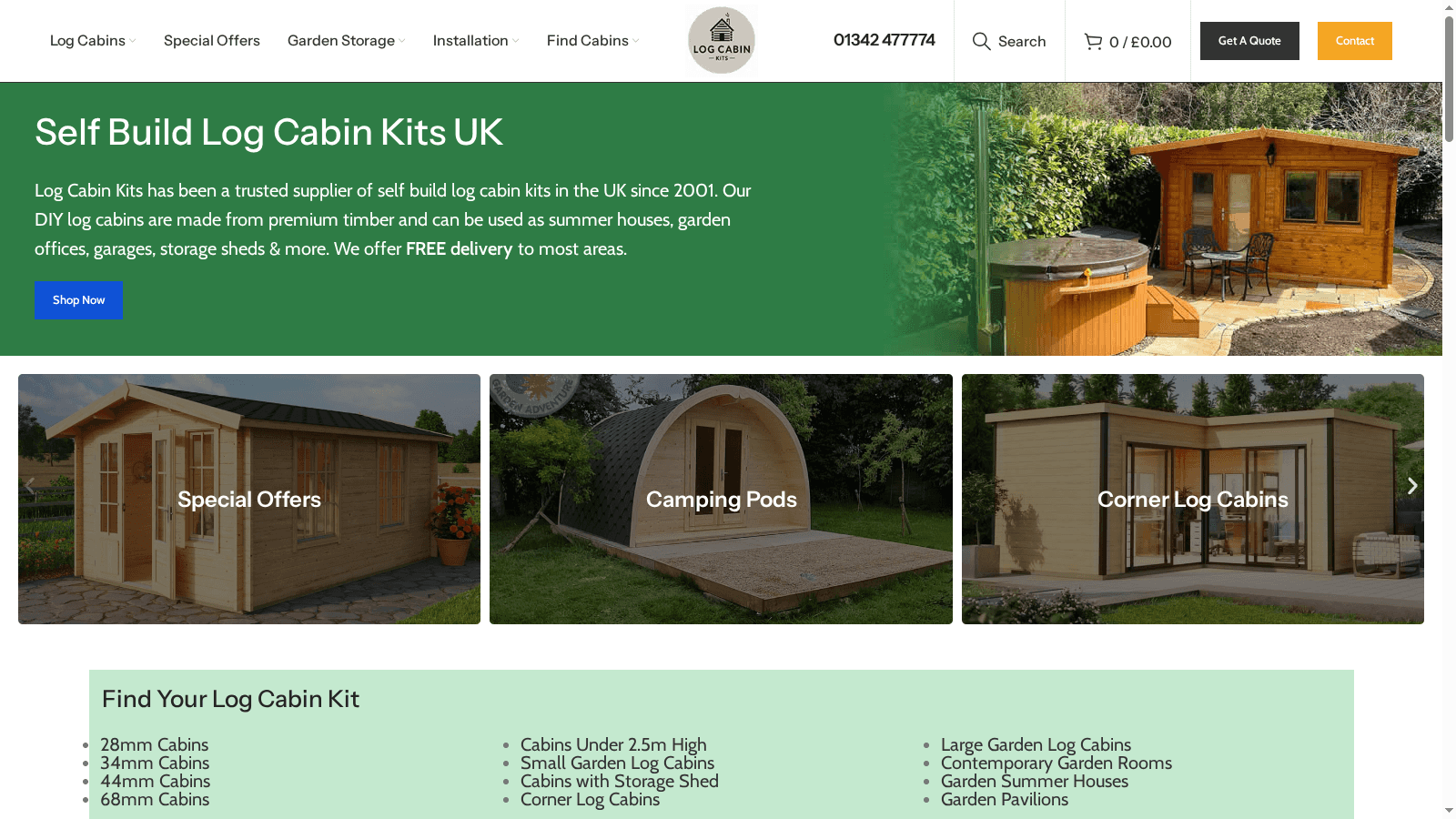
Explore our exquisite range of customisable garden buildings at Log Cabin Kits to unlock the full potential of your outdoor area. Act now to benefit from expert guidance on planning permissions, construction types, and material choices, ensuring your garden cabin not only looks stunning but stands the test of time. Visit our landing page and start designing the perfect garden cabin that suits your British garden and lifestyle today.
Frequently Asked Questions
What is a garden cabin?
A garden cabin is a versatile, purpose-built structure designed to extend living spaces in gardens, serving functions such as a home office, leisure room, or studio, and is typically built from high-quality timber.
How does a garden cabin enhance outdoor living?
A garden cabin enhances outdoor living by providing additional functional space that seamlessly integrates with the garden environment, offering a comfortable area for work, creativity, or relaxation throughout the year.
Do I need planning permission for a garden cabin?
In many cases, garden cabins fall under permitted development rights, meaning you typically do not need planning permission, but it’s essential to check local regulations regarding height, floor area, and intended use.
What are the main benefits of using a garden cabin for home office space?
A garden cabin can provide a dedicated, quiet workspace separated from the main home, promoting productivity with better insulation, electricity, and connectivity options, while also increasing the property’s value.
Recommended
- Embrace the Great Outdoors with a Garden Cabin - Log Cabin Kits to Buy Online
- How Natural Light Enhances Your Garden Cabin Experience - Log Cabin Kits to Buy Online
- Green Oasis: Elevate Home & Lifestyle with Garden Log Cabins
- Unlocking Storage Potential: The Benefits of a Garden Cabin - Log Cabin Kits to Buy Online