
Log cabin design trends 2026: 64% more glazing
TL;DR:
- Modern log cabins feature extensive glazing and seamless indoor-outdoor living for increased comfort.
- Eco-friendly options include sustainable timber, green roofs, and rainwater harvesting for sustainability.
- Smart technology such as AI-controlled heating, lighting, and security enhance functionality and convenience.
Log cabins aren’t what they used to be. Gone are the days of dark, draughty retreats tucked away at the bottom of the garden. In 2026, the modern log cabin is light-filled, eco-friendly, and packed with technology that makes it feel like a proper extension of your home. Whether you’re dreaming of a peaceful home office, a creative studio, or a weekend retreat, the innovations shaping cabin design right now are genuinely exciting. This guide walks you through the biggest trends so you can make confident, informed choices about your outdoor space.
Table of Contents
- Bigger windows and seamless indoor-outdoor living
- Eco-friendly materials and features
- Smart technology and connected living
- Customisation and multifunctional design elements
- The uncomfortable truth: true innovation means saying goodbye to old notions
- Ready to reimagine your log cabin retreat?
- Frequently asked questions
Key Takeaways
| Point | Details |
|---|---|
| Expansive glazing rises | Modern log cabins use large windows and sliding doors for more light and seamless garden connections. |
| Eco-friendly essentials | Responsible timber, solar power, and water systems are central to future-proof outdoor retreats. |
| Smart tech integration | AI sensors and remote-controlled utilities make cabins more comfortable and efficient. |
| Custom design advantage | Bespoke, multifunctional cabins adapt to changing needs and maximise small spaces. |
Bigger windows and seamless indoor-outdoor living
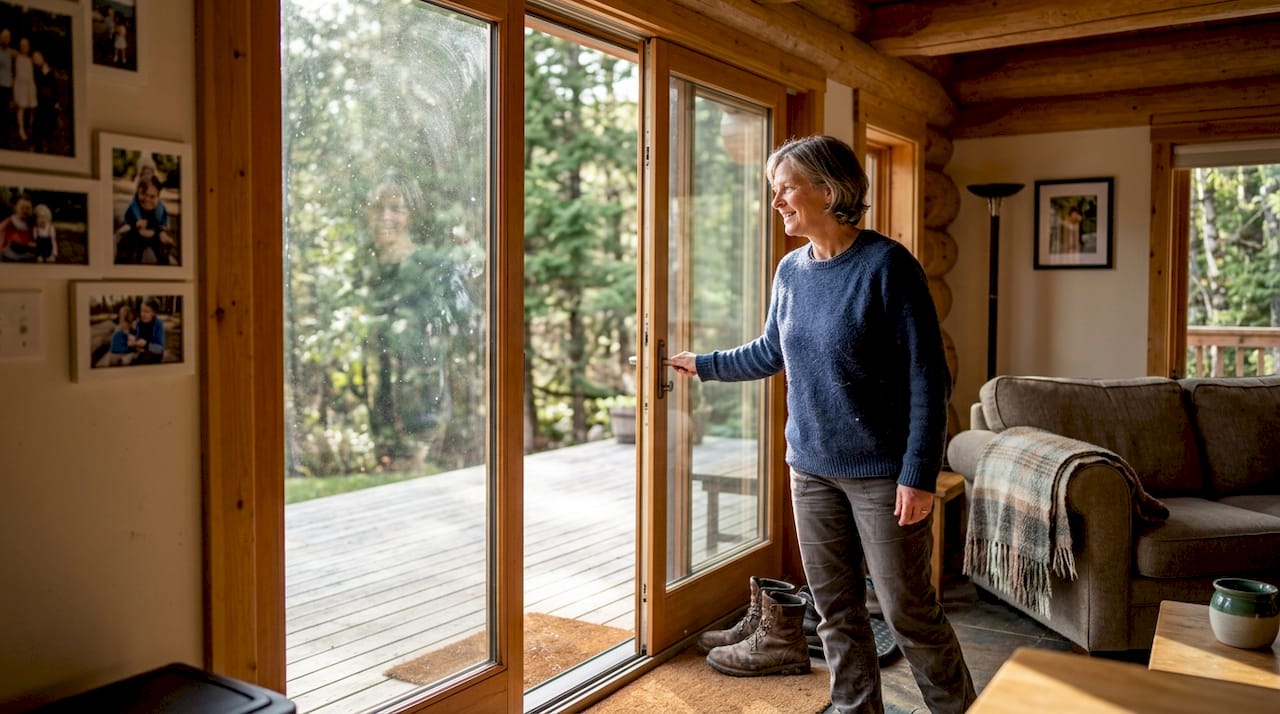
If there’s one shift that defines log cabin design in 2026, it’s glass. Lots of it. Sliding doors up 64% in new builds, alongside statement glazing and expansive windows, have completely changed how cabins look and feel. Natural light isn’t just a nice bonus anymore. It genuinely affects how comfortable and productive you feel inside your cabin.
Floor-to-ceiling windows and wide-opening bifold doors are particularly popular right now. They blur the line between your cabin interior and the garden beyond, creating that airy, open feel you’d normally associate with a high-end extension. It’s the kind of thing that makes stepping into your cabin feel like a genuine treat rather than retreating into a dark box.
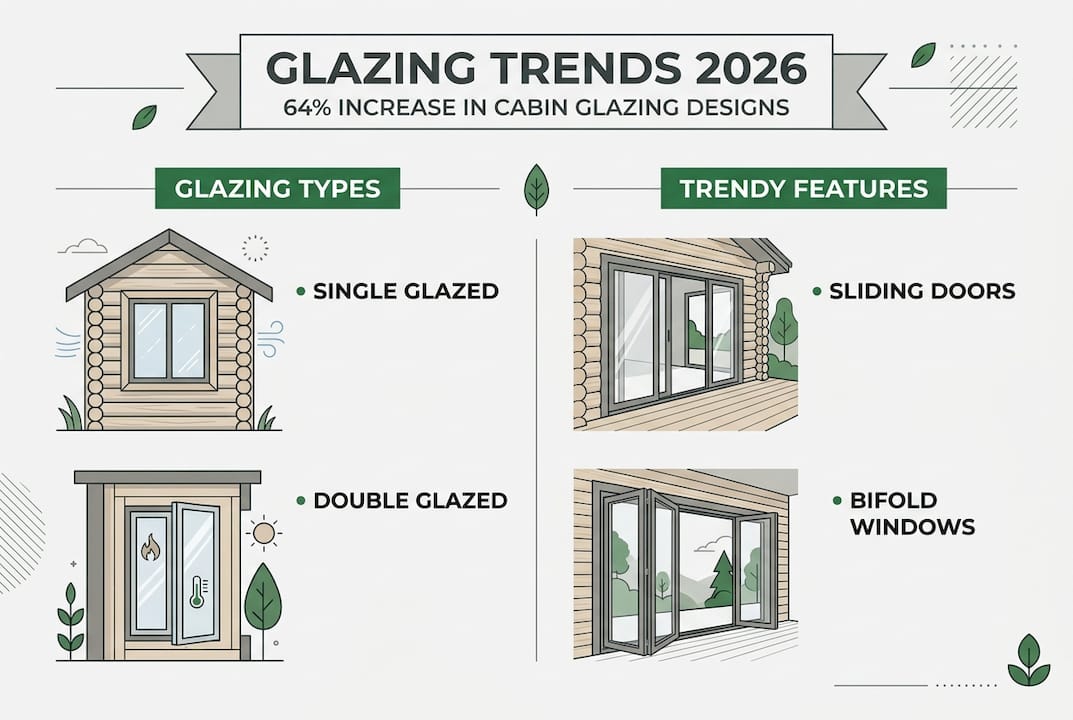
Of course, more glass means you need to think carefully about insulation. Double or triple glazing keeps heat in during winter without sacrificing the view. Look for low-emissivity (low-E) glass, which reflects heat back into the room while still letting plenty of daylight through.
Ways expansive windows improve cabin usability and mood:
- More natural light reduces eye strain during work or reading
- Garden views create a calming, restorative environment
- Improved ventilation when doors are open fully
- Makes small cabins feel significantly larger
- Encourages connection with nature, supporting biophilic cabin features that benefit wellbeing
| Glazing type | Light transmission | Insulation rating | Best use |
|---|---|---|---|
| Single glazed | High | Low | Mild climates only |
| Double glazed | High | Good | Year-round UK use |
| Triple glazed | Moderate | Excellent | Cold or north-facing sites |
Pro Tip: Position your cabin so the largest glazed wall faces south or south-west. You’ll maximise sunlight throughout the day and reduce the need for artificial heating in cooler months.
If you’re looking for garden retreat inspiration before committing to a design, it’s well worth browsing real-life examples to see how different glazing choices perform in practice. And if you’ve been wondering whether a cabin could genuinely extend your living space, the answer in 2026 is a confident yes.
Eco-friendly materials and features
Sustainability isn’t a trend that’s going away. For many UK homeowners, it’s now one of the first questions they ask when exploring a new cabin build. And it’s easy to see why. The global log cabin market is valued at £8.8 billion in 2026, and a significant portion of that growth is being driven by demand for greener builds.
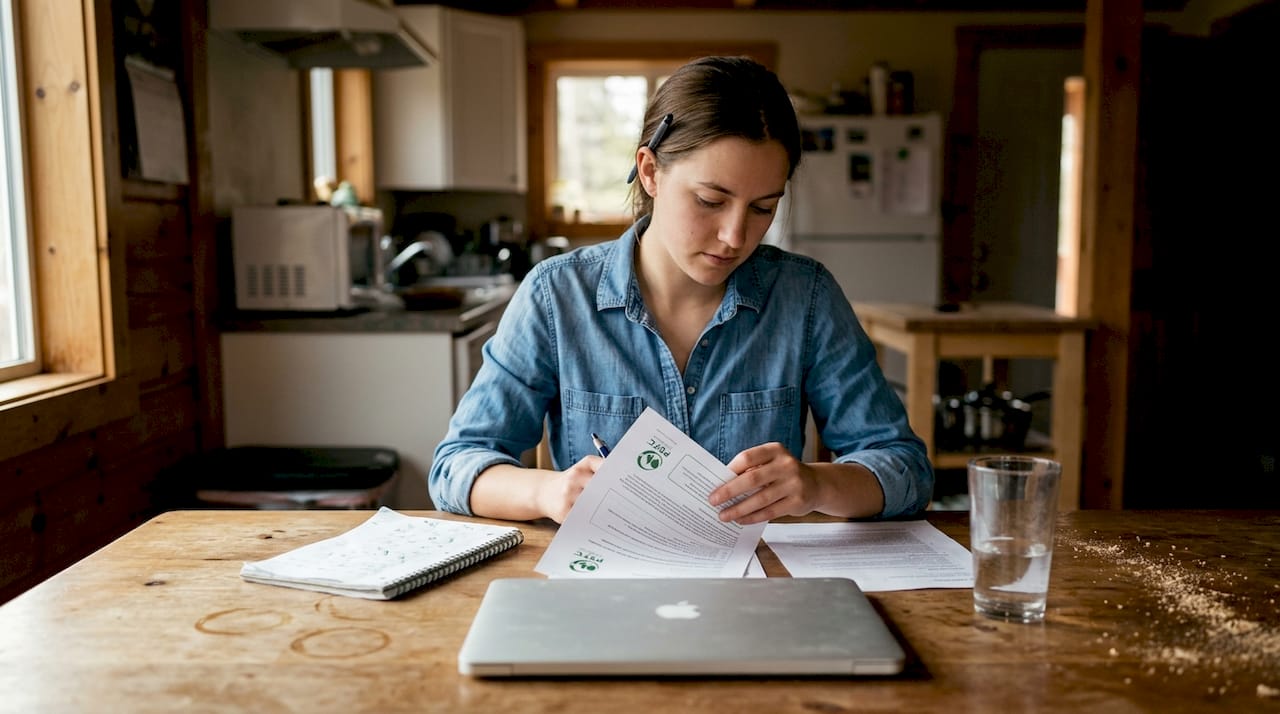
When it comes to timber, certification matters. PEFC (Programme for the Endorsement of Forest Certification) and FSC (Forest Stewardship Council) are the two labels to look for. They confirm that the wood used in your cabin comes from responsibly managed forests, where trees are replanted and ecosystems are protected. Choosing sustainable timber sourcing isn’t just good for the planet. It often means better quality wood that’s been properly seasoned and treated.
“Choosing sustainably sourced timber is one of the most impactful decisions you can make. It supports responsible forestry and ensures your cabin is built to last.”
How to select an eco-conscious log cabin:
- Ask your supplier for PEFC or FSC certification documents before committing
- Check whether solar panel integration is possible with your chosen design
- Consider a green roof (living roof with plants) to improve insulation and support local wildlife
- Ask about rainwater collection systems that can supply outdoor taps or toilet flush
- Review the overall thermal performance rating of the cabin build
| Feature | Traditional cabin | Eco-friendly cabin |
|---|---|---|
| Timber sourcing | Unverified origin | PEFC or FSC certified |
| Energy supply | Mains electricity only | Solar panel ready |
| Water use | Standard mains | Rainwater harvesting option |
| Roof | Standard felt | Green or sedum roof option |
Pro Tip: Don’t just take a supplier’s word for eco-credentials. Ask to see the actual certification documents. A reputable supplier, like those featured in our guide on how we source timber, will have no hesitation providing them.
Smart technology and connected living
Once eco-friendly materials are sorted, it’s worth thinking about how technology can make your cabin genuinely smarter. AI sensors and smart systems for heating, lighting, and security are now being integrated into log cabin designs at the planning stage, not bolted on as an afterthought.
Imagine walking into your cabin on a cold January morning to find it already at the perfect temperature, lights adjusted for the task you’re about to tackle, and the door unlocked by your phone as you approach. That’s not science fiction. It’s what a well-specced 2026 cabin can do.
Top smart tech options for your log cabin in 2026:
- Smart heating (e.g. underfloor heating controlled via app)
- Motion-activated security cameras with phone alerts
- Mood lighting systems with programmable scenes
- Smart locks for keyless entry
- Energy monitors to track and reduce consumption
| Smart feature | Main benefit | Works off-grid? |
|---|---|---|
| App-controlled heating | Comfort and energy saving | Yes, with solar battery |
| Smart lighting | Mood and productivity | Yes |
| Security cameras | Peace of mind | Yes, with local storage |
| Smart locks | Convenience and safety | Yes |
Exploring adding smart technology early in the design process means you can run the necessary cabling and install the right infrastructure from the start. Retrofitting later is doable, but far more of a hassle.
Pro Tip: If your cabin is at the far end of the garden and relies on an extension lead, make sure any smart tech you choose can operate on a reliable Wi-Fi extender or its own mobile signal. The last thing you want is a “smart” cabin that goes dark every time the signal drops.
For a detailed look at how real cabins have been transformed, the smart cabin transformation examples on our blog show what’s genuinely achievable.
Customisation and multifunctional design elements
The log cabin market growth to £8.8 billion reflects something important: people want spaces that fit their lives, not generic sheds with a lick of varnish. In 2026, truly bespoke cabins are leading the way, with design elements that adapt as your needs change.
Think partition walls that can be moved to turn a single open room into a separate office and relaxation space. Hidden storage built into benches and under-floor cavities. Convertible furniture like fold-down desks and Murphy beds. These aren’t extravagances. They’re practical solutions for making the most of whatever size garden you have.
Benefits of a bespoke cabin design:
- Perfectly tailored to your garden dimensions
- Built around how you actually plan to use the space
- Easier to add future features like a veranda or extra room
- Reflects your personal aesthetic rather than a catalogue standard
- Often more cost-effective long-term by avoiding unnecessary future modifications
How to achieve multifunctionality in your cabin:
- Start by listing every activity you want the space to support, including future ones
- Discuss partition options and furniture integration with your designer from day one
- Plan storage into the structure itself rather than adding it after
- Choose flooring and finishes that work across multiple uses (e.g. durable but warm)
- Ask about making cabins energy efficient so the space is comfortable year-round whatever you’re using it for
A well-designed multifunctional cabin isn’t just practical. It genuinely improves the quality of time you spend in it, whether that’s focused work, creative hobbies, or simply unwinding.
The uncomfortable truth: true innovation means saying goodbye to old notions
Here’s something we see time and again. Homeowners invest in a brand new cabin but play it safe with the design. They stick to the traditional look, skip the tech, avoid anything that feels too modern, and then wonder why the space doesn’t quite deliver on the dream.
Real innovation in log cabin design isn’t about adding a solar panel as a token gesture. It’s about genuinely rethinking what a cabin is for. Multi-use spaces and integrated technology aren’t luxuries reserved for high budgets. They’re what makes a cabin worth building in the first place.
“Innovation rarely feels like tradition. The best cabin designs in 2026 are the ones that challenge what a cabin is supposed to look like.”
The homeowners who get the most from their outdoor spaces are the ones who collaborate with designers willing to push beyond the obvious. If your designer isn’t asking what you’ll be doing in the cabin at 7am on a Tuesday in February, they’re not thinking hard enough about your needs. Don’t be afraid to rethink cabin spaces from first principles.
Pro Tip: Before finalising any design, imagine using the cabin in every season and every scenario. That’s the test that separates a genuinely great build from a pretty one that frustrates you within a year.
Ready to reimagine your log cabin retreat?
If the trends above have got you thinking about what your ideal cabin could look like, we’d love to help you bring it to life. Whether you’re drawn to expansive glazing, eco-friendly features, smart technology, or a fully bespoke layout, there’s a design out there that fits your garden, your lifestyle, and your budget.
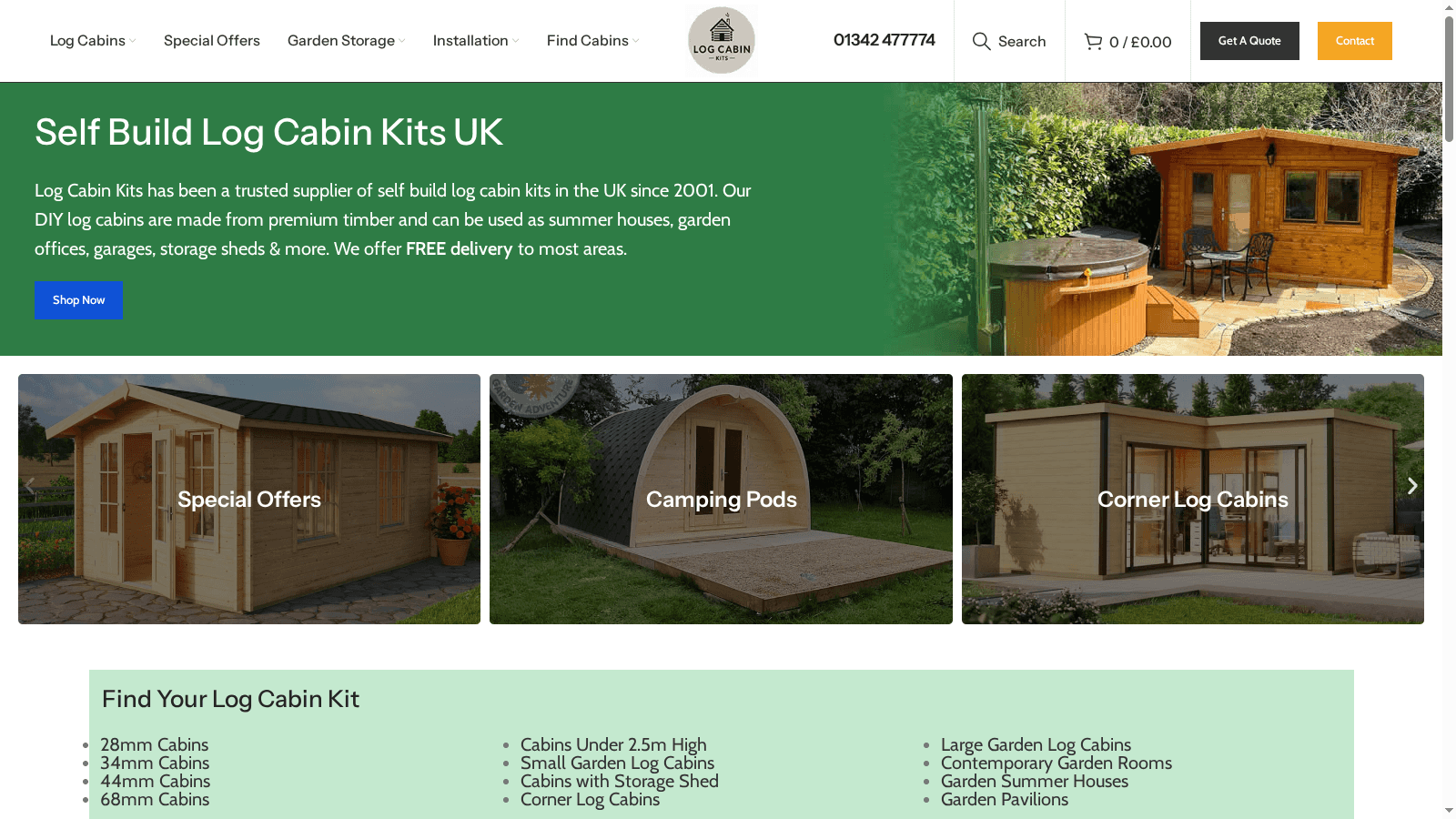
Browse our garden log cabin gallery to see real examples of what’s possible, or explore our custom build log cabins if you have something specific in mind. You’ll also find plenty of ideas in our garden building inspiration section. Our team is here to chat through your ideas and help you take the next step with confidence.
Frequently asked questions
What is the most popular log cabin design trend in 2026?
In 2026, expansive glazing and seamless indoor-outdoor living dominate, with sliding doors rising 64% in new builds alongside floor-to-ceiling windows and bifold doors.
Which sustainable features should I prioritise for a new log cabin?
Focus first on PEFC or FSC timber, then consider solar panel integration and rainwater harvesting to reduce your cabin’s environmental footprint from the outset.
How can smart technology enhance my log cabin?
AI sensors and smart heating allow you to control your cabin’s temperature, lighting, and security remotely, saving energy and making the space genuinely comfortable year-round.
Are bespoke designs worth the investment for small garden spaces?
Absolutely. A bespoke design makes every square metre count by building in flexible layouts and hidden storage tailored to how you actually use the space, which a standard build simply can’t match.
Recommended
- Garden Cabin Glazing Options: Best Glazing For Style And Comfort
- Latest Innovations In Garden Cabins For UK Homes 2026
- Make Your Log Cabin Energy Efficient | LogCabinKits.co.uk
- Log Cabin Wall Logs And Climate - Log Cabin Kits To Buy Online
- Top stainless steel railing trends shaping projects in 2026 – Inoxify