
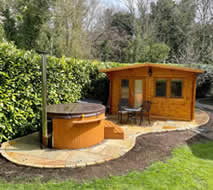
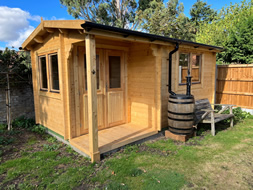
Choosing the right garden log cabin can feel overwhelming when you want something that is both visually striking and truly functional. For UK homeowners craving bespoke solutions, contemporary garden cabin design focuses on clean lines, open spaces, and natural materials that bring a sophisticated touch to any outdoor area. Innovative construction methods and custom features now make it surprisingly straightforward to create a high-quality space that fits your leisure or work needs perfectly.
Table of Contents
- What Makes a Contemporary Garden Cabin
- Modern Cabin Types and Bespoke Options
- Key Features of Contemporary Designs
- Common Uses for UK Homeowners
- UK Planning Permission and Legal Rules
- Cost, Maintenance, and Common Pitfalls
Key Takeaways
| Point | Details |
|---|---|
| Contemporary Design Principles | Contemporary garden cabins focus on clean lines, minimal clutter, and high-quality materials, seamlessly blending functionality with aesthetics. |
| Versatile Uses | These cabins can serve multiple purposes, such as home offices, guest accommodation, or fitness studios, adapting to individual lifestyle needs. |
| Planning Considerations | Homeowners must navigate UK planning regulations, considering size, location, and usage to ensure compliance before construction. |
| Financial Planning | A budget that accounts for initial construction and ongoing maintenance is essential; expect potential additional costs for unforeseen challenges. |
What Makes a Contemporary Garden Cabin
Contemporary garden cabins represent more than just additional outdoor structures - they are intelligent living spaces designed to seamlessly blend functionality with sleek, minimalist aesthetics. These modern garden buildings transform traditional notions of home extension by offering versatile solutions that adapt to the changing needs of UK homeowners.
The core characteristics of a contemporary garden cabin are defined by several key design principles:
- Clean, Geometric Lines: Emphasising straight edges and simple structural forms
- Minimal Visual Clutter: Focusing on essential design elements
- High-Quality Natural Materials: Utilising wood, glass, and stone in sophisticated combinations
- Functional Space Planning: Creating multi-purpose areas that serve specific lifestyle needs
Understanding contemporary design requires recognising how these spaces integrate architectural principles with practical living requirements. Modern garden cabins are not merely storage solutions, but extensions of personal living spaces that reflect individual style and functional preferences.

The architectural approach prioritises harmony between indoor and outdoor environments. Large windows, sliding glass doors, and strategic positioning allow natural light to flood the space, creating a sense of openness and connection with the surrounding garden landscape. These design elements transform a simple garden cabin into a sophisticated living area that extends home functionality.
Pro tip: When planning a contemporary garden cabin, prioritise flexible design that can adapt to changing personal and professional needs.
Modern Cabin Types and Bespoke Options
Modern garden cabins have evolved far beyond traditional structures, offering homeowners unprecedented flexibility and customisation in creating versatile living spaces. These contemporary structures represent a sophisticated blend of architectural innovation and personal lifestyle adaptation, catering to diverse needs from home offices to leisure retreats.
The primary categories of modern garden cabins include:
- Home Office Cabins: Designed for professional remote working environments
- Leisure and Recreation Spaces: Dedicated areas for hobbies, fitness, or relaxation
- Guest Accommodation: Fully functional secondary living spaces
- Multi-Purpose Studio Cabins: Flexible rooms adaptable to changing requirements
Modular building techniques have revolutionised garden cabin construction, allowing unprecedented levels of customisation and precision. These factory-built structures enable rapid assembly, superior quality control, and the ability to create highly personalised spaces that meet specific homeowner requirements.
Bespoke garden cabins now offer remarkable adaptability, with options tailored to individual accessibility needs and functional preferences. Homeowners can specify everything from internal layouts and material selections to advanced technological integrations, ensuring the cabin perfectly matches their unique lifestyle demands. Some cabins even incorporate specialised accessibility features that comply with building regulations while providing enhanced usability.
Pro tip: Consider future flexibility when designing your garden cabin, allowing for potential lifestyle changes and multipurpose functionality.
Key Features of Contemporary Designs
Contemporary garden cabin designs represent a sophisticated approach to outdoor living, blending architectural precision with functional elegance. These structures are more than simple additions to a garden - they are carefully crafted spaces that reflect modern lifestyle requirements and aesthetic sensibilities.
Key architectural characteristics of contemporary garden cabins include:
- Minimalist Geometry: Emphasising clean, straight lines and simple structural forms
- Natural Material Integration: Combining wood, glass, and stone in thoughtful compositions
- Open and Fluid Spaces: Creating seamless connections between indoor and outdoor environments
- Functional Aesthetic: Designing with purpose, where every element serves a practical function
Contemporary garden design principles prioritise sharp, uncluttered spaces that promote tranquility and visual harmony. The approach focuses on creating structured environments that balance architectural elements with carefully selected natural components, ensuring each garden cabin feels both sophisticated and inviting.
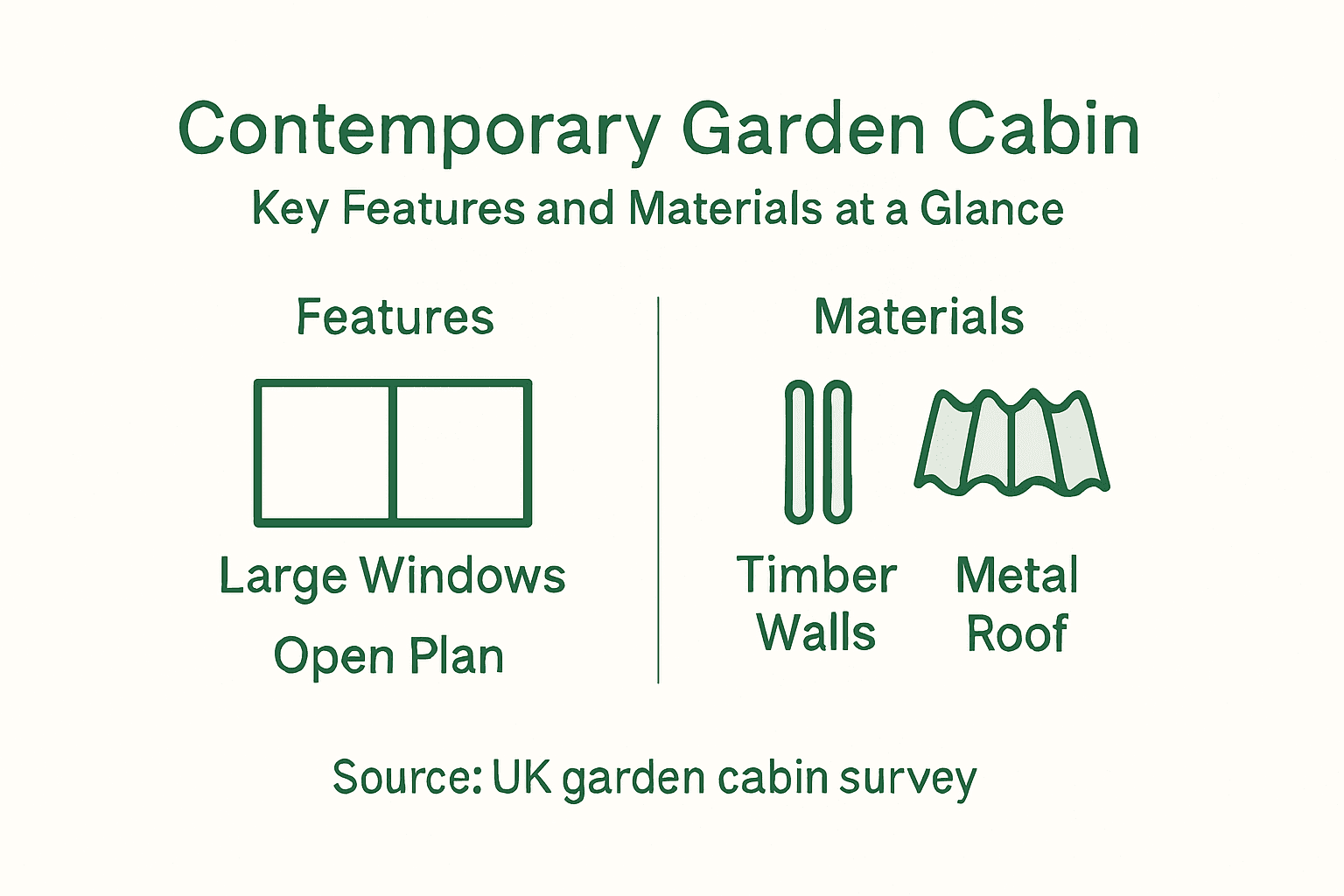
Plant selection plays a crucial role in enhancing these contemporary designs. Architectural plant choices like bamboos, grasses, and sculptural perennials provide texture and visual interest, complementing the cabin’s clean lines and minimalist aesthetic. These plants are strategically positioned to create depth, movement, and seasonal variation, transforming the garden cabin into a dynamic living space.
Pro tip: Select plants and materials that create visual continuity between your garden cabin and surrounding landscape.
Common Uses for UK Homeowners
Contemporary garden cabins have emerged as versatile solutions for UK homeowners seeking to maximise their living and working spaces. These adaptable structures offer far more than traditional garden buildings, providing functional environments that seamlessly integrate with modern lifestyle demands.
Typical uses for garden cabins across UK households include:
- Home Office: Creating dedicated remote working spaces
- Fitness Studio: Personal gym and wellness areas
- Creative Workshop: Spaces for hobbies and artistic pursuits
- Guest Accommodation: Comfortable additional living quarters
- Storage Solutions: Organised external storage for household items
Contemporary garden cabin applications provide peaceful retreats separate from main residential spaces. These purpose-built structures allow homeowners to extend their living areas without extensive structural modifications, offering year-round comfort through intelligent design and insulation techniques.
The flexibility of garden cabins enables homeowners to create specialised environments tailored to individual needs. Outbuilding adaptations range from professional workspaces to leisure zones, demonstrating how these structures can dramatically enhance residential functionality. Some homeowners even transform these cabins into accessible spaces for family members with mobility requirements, highlighting their versatility.
Here is a comparison of primary uses for contemporary garden cabins and the benefits each provides UK homeowners:
| Use Case | Main Benefit | Typical Features |
|---|---|---|
| Home Office | Distraction-free workspace | Insulation, connectivity |
| Fitness Studio | Private exercise environment | Reinforced floors, ventilation |
| Creative Workshop | Dedicated space for hobbies | Natural light, durable surfaces |
| Guest Accommodation | Comfortable extra living quarters | Heating, en-suite potential |
| Storage Solution | Organised external storage | Secure access, shelving options |
Pro tip: Consider your long-term lifestyle needs when designing a garden cabin to ensure maximum future adaptability.
UK Planning Permission and Legal Rules
Navigating the complex landscape of planning permissions for garden cabins requires careful understanding of UK regulatory frameworks. Homeowners must be aware that not all garden buildings are treated equally under planning legislation, with specific rules governing their construction and placement.
Key considerations for planning permission include:
- Size Limitations: Restrictions on total floor area and height
- Location Restrictions: Proximity to property boundaries and principal elevations
- Usage Constraints: Differentiating between habitable and non-habitable structures
- Conservation Area Regulations: Special rules for properties in heritage zones
- Permitted Development Rights: Conditions allowing construction without formal approval
Planning permission requirements vary significantly depending on the specific characteristics of the proposed garden cabin. Generally, smaller structures used for non-residential purposes can be built under permitted development rights, which provide homeowners with more flexibility in their garden building projects.
Special considerations apply to properties in sensitive locations. Ancillary garden building regulations become more stringent in conservation areas, near listed buildings, or when the structure might be used as a separate dwelling. Homeowners must carefully assess their specific circumstances and consult local planning authorities to ensure full compliance.
Pro tip: Always contact your local planning department for definitive guidance before commencing any garden cabin project.
Cost, Maintenance, and Common Pitfalls
Investing in a garden cabin requires careful financial planning and a comprehensive understanding of long-term maintenance requirements. Homeowners must consider not just the initial investment, but the ongoing care and potential challenges associated with these versatile structures.
Financial considerations and cost ranges include:
- Initial Construction Costs: £3,000 - £10,000 depending on size and specifications
- Material Quality: Impact on durability and long-term maintenance expenses
- Insulation Investment: Additional costs for year-round usability
- Foundation Preparation: Critical expense for structural integrity
- Ongoing Maintenance Budget: Annual treatments and potential repairs
Garden cabin investment strategies reveal significant variation in pricing, with high-specification designs potentially exceeding £10,000. The total cost depends on multiple factors including materials, size, design complexity, and additional features like advanced insulation or integrated technology.
Avoiding common pitfalls requires proactive planning and careful consideration. Low-maintenance design principles emphasise selecting durable materials, ensuring proper drainage, and implementing sustainable water management strategies. Homeowners should anticipate potential challenges such as timber treatment, managing moisture ingress, and maintaining structural integrity through regular inspections and preventative maintenance.
Below is a summary of factors affecting overall garden cabin cost and long-term maintenance needs:
| Cost Factor | Impact on Budget | Maintenance Consideration |
|---|---|---|
| Construction Materials | Higher quality increases initial outlay | Durability reduces upkeep frequency |
| Insulation | Raises upfront cost | Essential for year-round comfort |
| Foundations | Critical structural expense | Prevents subsidence and dampness |
| Technology Integration | Adds expense for modern features | May require software updates |
| Annual Maintenance | Ongoing yearly investment | Protects timber, avoids rot |
Pro tip: Budget an additional 15-20% beyond the initial quote to cover unexpected maintenance and design adaptations.
Elevate Your Outdoor Living with a Contemporary Garden Cabin
If you are seeking to transform your home life with a versatile and stylish outdoor living space that blends sleek, minimalist design and practical functionality then exploring bespoke garden cabins is the perfect solution. Many UK homeowners face challenges such as balancing professionalism with comfort when creating a home office or finding flexible spaces that adapt to changing lifestyle needs. Our customisable garden log cabins address these goals by offering clean geometric lines, natural material integration and multi-purpose layouts tailored for your unique requirements.
Discover how you can create your ideal garden retreat today by visiting Log Cabin Kits. Benefit from bespoke designs built for year-round use and enhanced with smart architectural features discussed in the article. Take control of your space and lifestyle with quality craftsmanship and expert support available through our custom build options. Start your journey towards stylish and functional outdoor living now by exploring contemporary garden cabins and turning your vision into reality.
Frequently Asked Questions
What are the key features of contemporary garden cabins?
Contemporary garden cabins are characterised by clean geometric lines, minimal visual clutter, high-quality natural materials, and functional space planning. These elements combine to create sophisticated living spaces that merge indoors and outdoors seamlessly.
What are the common uses for a garden cabin?
Garden cabins can serve multiple purposes, including home offices, fitness studios, creative workshops, guest accommodations, and storage solutions. Their versatile designs allow homeowners to tailor them to their specific lifestyle needs.
Do I need planning permission for a garden cabin?
Planning permission requirements vary based on the size, location, and intended use of the garden cabin. Generally, smaller structures used for non-residential purposes can fall under permitted development rights, but it’s essential to check with local planning authorities to ensure compliance.
What factors influence the cost of a garden cabin?
The cost of a garden cabin can range significantly based on factors such as materials used, size, design complexity, insulation quality, and additional features. Homeowners should consider these elements along with ongoing maintenance expenses when budgeting for their cabin.
Recommended
- Contemporary Garden Rooms: Style and Flexibility for UK Homes
- Contemporary Garden Room: Modern Living for UK Homes
- Contemporary Log Cabins for the UK: Modern Living Amidst Nature - Log Cabin Kits to Buy Online
- Why Cabins Suit Garden Lovers In The UK
- Luxury Home Automation | Cinema & Lighting | Morgan Wrona
- Real Woodwork Plans -
- 7 inspirerende voorbeelden keramische tegels voor thuis