
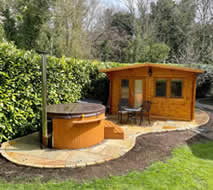
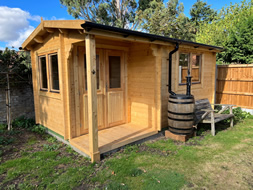
More than 50 percent of British homeowners now view their garden buildings as essential spaces for hobbies, work, or relaxation. Adapting your outdoor structure can offer fresh possibilities, whether you are dreaming of a custom greenhouse for rare plants or a dedicated studio for creative projects. This guide uncovers the practical steps to create a bespoke extension that improves not only your daily routine but also the value of your British property.
Table of Contents
- Step 1: Assess Your Garden Building Extension Needs
- Step 2: Design Bespoke Extension Plans And Layouts
- Step 3: Obtain Planning Permission And Approvals
- Step 4: Prepare Building Site And Materials
- Step 5: Construct And Integrate The Extension
- Step 6: Verify Build Quality And Ensure Functionality
Quick Summary
| Key Point | Explanation |
|---|---|
| 1. Assess Your Garden Needs | Evaluate physical characteristics and intended usage to ensure the extension meets functional requirements and integrates well with the ecological context. |
| 2. Design Custom Extension Plans | Create visual designs that balance aesthetics and functionality while adhering to local planning policies and regulations. |
| 3. Secure Necessary Permissions | Research and obtain the appropriate planning permissions and building regulations approvals to avoid project delays and legal issues. |
| 4. Prepare the Building Site Thoroughly | Conduct comprehensive surveys and ensure the selection of appropriate materials to support a successful construction process. |
| 5. Verify Quality Post-Construction | Complete thorough inspections to validate structural integrity, energy efficiency, and compliance with all regulations for long-term durability. |
Step 1: Assess Your Garden Building Extension Needs
Successfully extending your garden building starts with a comprehensive assessment of your current space and future requirements. This critical first step ensures your project meets functional needs while avoiding potential complications.
Begin by carefully evaluating your garden’s physical characteristics and site preparation requirements. This involves examining ground stability, drainage potential, and overall terrain conditions. Understanding your garden’s ecological context matters too. Consider how your extension might interact with existing landscape features and local wildlife habitats.
Your assessment should cover several key dimensions beyond just physical measurements. Think about intended usage purpose whether you need additional storage space, a workshop, home office, or leisure area. Measure your current garden building’s dimensions and determine potential extension points. Pay special attention to structural integrity local building regulations and potential impact on surrounding garden ecosystem.
Additional factors to consider include sunlight exposure ground conditions soil type and potential drainage challenges. Understanding urban grassland management can provide insights into maintaining ecological balance during your garden building extension project.
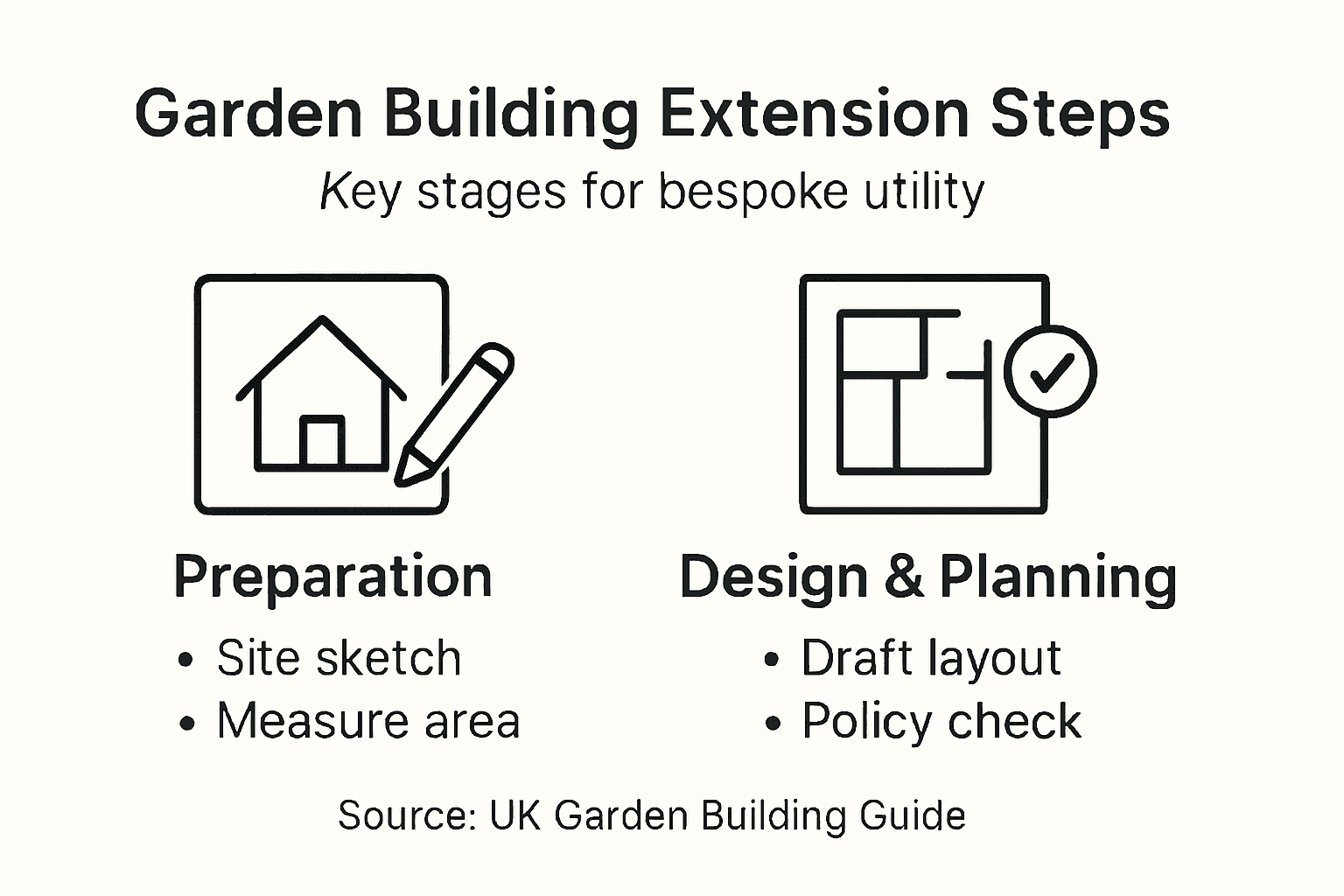
Top Tip: Create a detailed site sketch including measurements existing structures and proposed extension zones before beginning any physical work to streamline your planning process.
Step 2: Design Bespoke Extension Plans and Layouts
Designing a bespoke garden building extension requires thoughtful planning that balances aesthetic appeal with functional requirements. This stage transforms your initial assessment into a concrete visual representation of your future space.
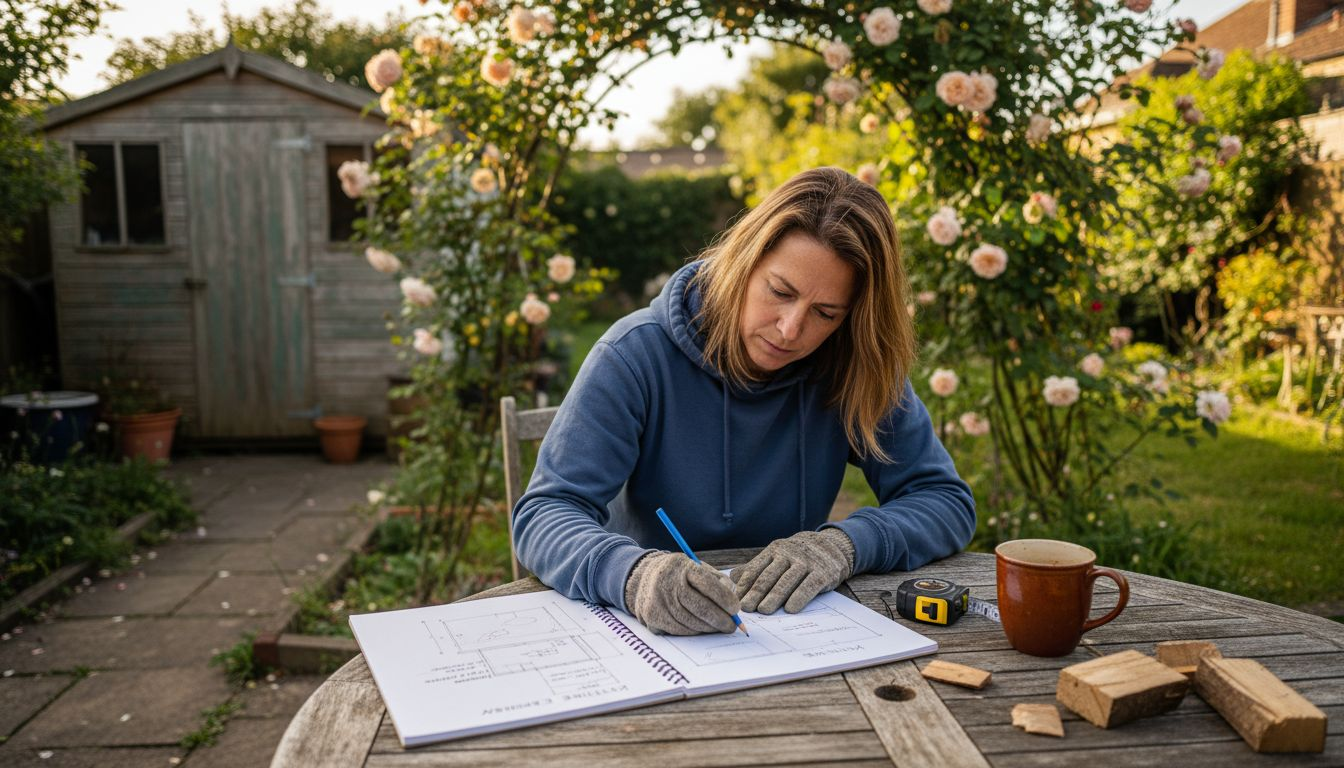
Start by exploring different extension types that complement your existing garden building. Extension layout considerations include rear, side, wrap-around, and integrated designs that match your specific needs. Measure your current garden building precisely and sketch potential extension zones that maximise available space without overwhelming your garden’s existing landscape.
Careful attention to local planning policies is crucial. Understand local design guidance to ensure your proposed extension meets regulatory requirements. Consider factors such as boundary lines, neighbour consultations, and architectural harmony with surrounding structures. Your design should not only serve your functional needs but also enhance the overall aesthetic and value of your property.
Think strategically about materials, roof styles, window placements, and how the extension will interact with natural light and existing garden features. Create multiple draft layouts exploring different configurations that balance practical utility with visual appeal.
Here is a comparison of popular garden building extension types and their typical advantages:
| Extension Type | Space Efficiency | Visual Integration | Planning Complexity |
|---|---|---|---|
| Rear Extension | Maximises back area | Often blends naturally | Moderate |
| Side Extension | Utilises boundaries | Can match main shape | Variable |
| Wrap-around | Expands on two sides | Alters property look | Higher |
| Integrated Design | Seamless connection | Matches structure style | Advanced |
Pro Tip: Create digital or hand-drawn scaled drawings of your proposed extension to visualise the final result and identify potential design challenges before committing to construction.
Step 3: Obtain Planning Permission and Approvals
Navigating the planning permission process is a critical step in extending your garden building. Understanding the legal requirements will help you avoid potential setbacks and ensure your project moves forward smoothly.
Begin by thoroughly researching building regulations approval requirements for garden building extensions. These regulations are separate from planning permission and often both are necessary depending on your specific project. Assess whether your proposed extension falls under permitted development rights or requires formal applications.
When preparing your documentation, gather comprehensive supporting materials. Submitting planning documentation involves preparing detailed application forms, precise location plans, design and access statements, and increasingly important biodiversity net gain assessments. Local authorities will scrutinise these documents carefully to ensure compliance with regional planning guidelines.
Contact your local planning department early in the process to discuss your specific project. They can provide tailored advice about potential restrictions, boundary considerations, and specific requirements unique to your area. Be prepared to modify your designs based on initial feedback to increase the likelihood of approval.
Pro Tip: Consult a local planning consultant who understands your specific regional regulations to review your documentation before submission, potentially saving weeks of potential revisions.
Step 4: Prepare Building Site and Materials
Successfully extending your garden building begins with meticulous site preparation and careful material selection. This crucial stage sets the foundation for a smooth construction process and long lasting result.
Proper site preparation involves comprehensive surveys to understand your specific ground conditions. Evaluate soil stability, drainage capabilities, and potential environmental constraints. Check for underground utilities, assess ground levels, and ensure proper drainage pathways to prevent future structural issues. Remove any vegetation or debris that might interfere with your extension project.
Select materials that complement your existing garden building and meet UK building standards. Consider weather resistance, thermal performance, and aesthetic harmony with your current structure. Prioritise materials that offer durability and require minimal maintenance. Invest time in sourcing high quality timber, roofing materials, and insulation that will withstand local climate conditions and provide long term value.
Organise your materials and tools systematically before beginning construction. Create a designated storage area that protects materials from moisture and potential damage. Ensure you have all necessary protective equipment, measuring tools, and construction supplies ready before commencing work.
Pro Tip: Create a detailed inventory of all materials and tools before starting your project, and always purchase a small percentage of extra materials to account for potential wastage or unexpected adjustments.
Step 5: Construct and Integrate the Extension
Constructing and seamlessly integrating your garden building extension requires precision technical skill and careful attention to regulatory requirements. This stage transforms your detailed plans into a tangible reality that complements your existing structure.
Focus on structural engineering principles during construction to ensure long term stability and performance. Begin with precise foundation work that matches the load bearing requirements of your extension. Pay close attention to steel beam placement and structural connections that will guarantee the new section integrates smoothly with your existing garden building.
Carefully manage each construction phase to maintain compliance with building regulations. Building regulation requirements cover multiple technical aspects including electrical installations, drainage systems, wall construction, and roof integration. Ensure your construction team understands these specifications and conducts work to meet exact standards. Consider potential challenges like thermal bridging insulation requirements and waterproofing techniques that will protect your new extension.
Maintain open communication with local building inspectors throughout the process. Schedule mandatory inspections at critical construction stages to verify compliance and address any potential issues promptly. Document each phase of construction meticulously to demonstrate adherence to approved plans.
Pro Tip: Take comprehensive photographs documenting each construction stage and save all material receipts and technical specifications to support potential future maintenance or insurance claims.
Step 6: Verify Build Quality and Ensure Functionality
After constructing your garden building extension, a comprehensive verification process is crucial to guarantee safety, performance, and long term durability. This final assessment ensures your project meets all technical and regulatory standards.
Property inspection protocols are essential for confirming your extension meets regulatory requirements. Conduct thorough examinations of structural integrity, fire safety measures, energy efficiency, and overall build quality. Test every aspect of the new space including electrical systems, insulation performance, drainage functionality, and thermal regulation.
Schedule multiple inspection stages with registered building inspectors who will systematically evaluate your extension. These professionals will assess compliance with UK building regulations and identify any potential issues requiring remediation. Pay particular attention to structural connections, load bearing elements, waterproofing, and integration points between the new extension and existing structure.
Perform comprehensive functional tests to validate the extension meets your original design objectives. Check window and door operations, assess internal temperature regulation, test electrical outlets and lighting, and ensure proper ventilation. Document any minor adjustments needed to achieve optimal performance.
For reference, here is a summary of post-construction verification checks to speed up compliance and usability:
| Inspection Category | Key Objectives | Example Checks |
|---|---|---|
| Structural Integrity | Safety, strength | Walls, roof connections |
| Energy Efficiency | Thermal comfort | Insulation, glazing |
| Functional Performance | Usability | Windows, doors, outlets |
| Regulatory Compliance | Legal standards | Inspections, certificates |
Pro Tip: Create a detailed checklist during inspections and retain all official documentation as proof of compliance and potential future maintenance reference.
Elevate Your Garden Space with Custom Extensions
Extending your garden building to fit bespoke needs involves navigating many challenges from site assessment to regulatory approvals. Do you want a perfect blend of aesthetic appeal and functionality with guaranteed structural integrity and compliance? Our bespoke garden buildings at Log Cabin Kits are designed to help you create the ideal space whether for a home office, workshop or leisure area. Avoid the stress of material selection and planning complexities by choosing solutions tailored for durability, visual integration and easy adaptability.
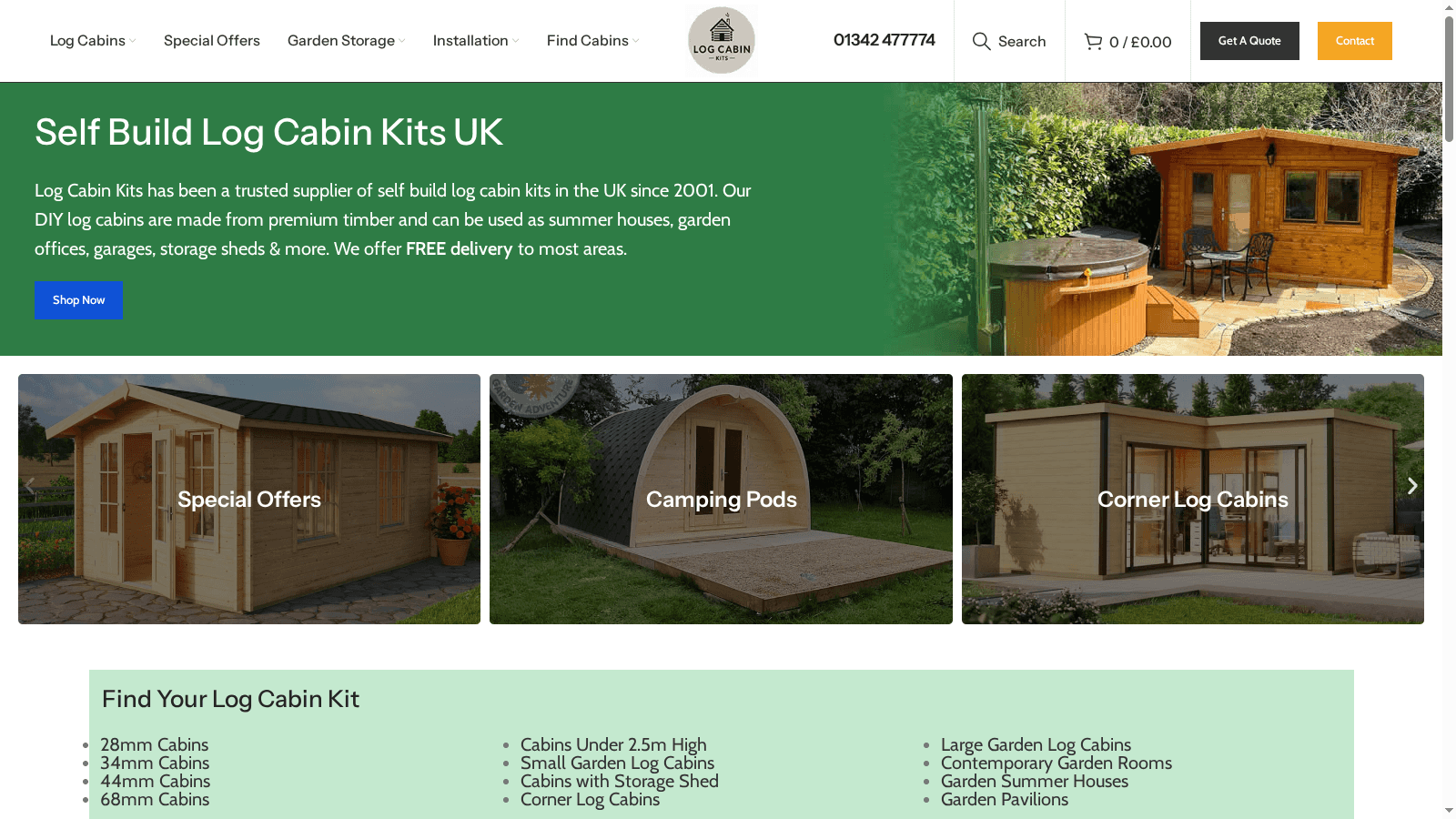
Explore our wide range of custom garden building options that simplify site preparation and construction phases while meeting UK building regulations. Don’t delay your project or risk costly revisions. Visit Log Cabin Kits today to start designing your bespoke garden building extension that delivers long-term value and functional beauty.
Frequently Asked Questions
How do I assess my garden for a building extension?
To assess your garden for a building extension, evaluate the physical characteristics of your space such as ground stability and drainage potential. Conduct a thorough inspection of your existing structures and create a detailed site sketch with measurements to ensure your extension aligns with your functional needs.
What are the key design considerations for extending a garden building?
Key design considerations include extension type, material selection, and layout. Explore options like rear or side extensions and think about how these will integrate with your existing structures and landscaping.
How do I obtain planning permission for my garden building extension?
To obtain planning permission, you need to research local regulations and gather all necessary documentation, such as plans and statements. Start this process well in advance to allow for any modifications needed based on feedback from the local planning department.
What preparations are required before beginning the construction of an extension?
Before construction, properly prepare your building site by surveying ground conditions, checking for underground utilities, and clearing any vegetation. Organise your materials and tools efficiently to minimise delays during the construction phase.
How can I ensure my garden building extension meets regulatory standards?
To ensure regulatory compliance, schedule inspections at critical construction stages with a registered building inspector. Document each phase meticulously and address any issues promptly to maintain adherence to building regulations.
What should I check after completing the construction of my extension?
After construction, check for structural integrity, energy efficiency, and functionality. Perform tests on electrical systems, insulation, and overall usability, and keep a detailed checklist to prompt necessary adjustments for optimal performance.