
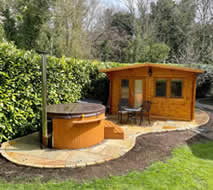
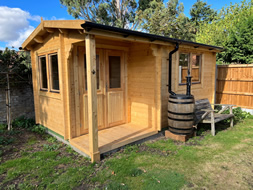
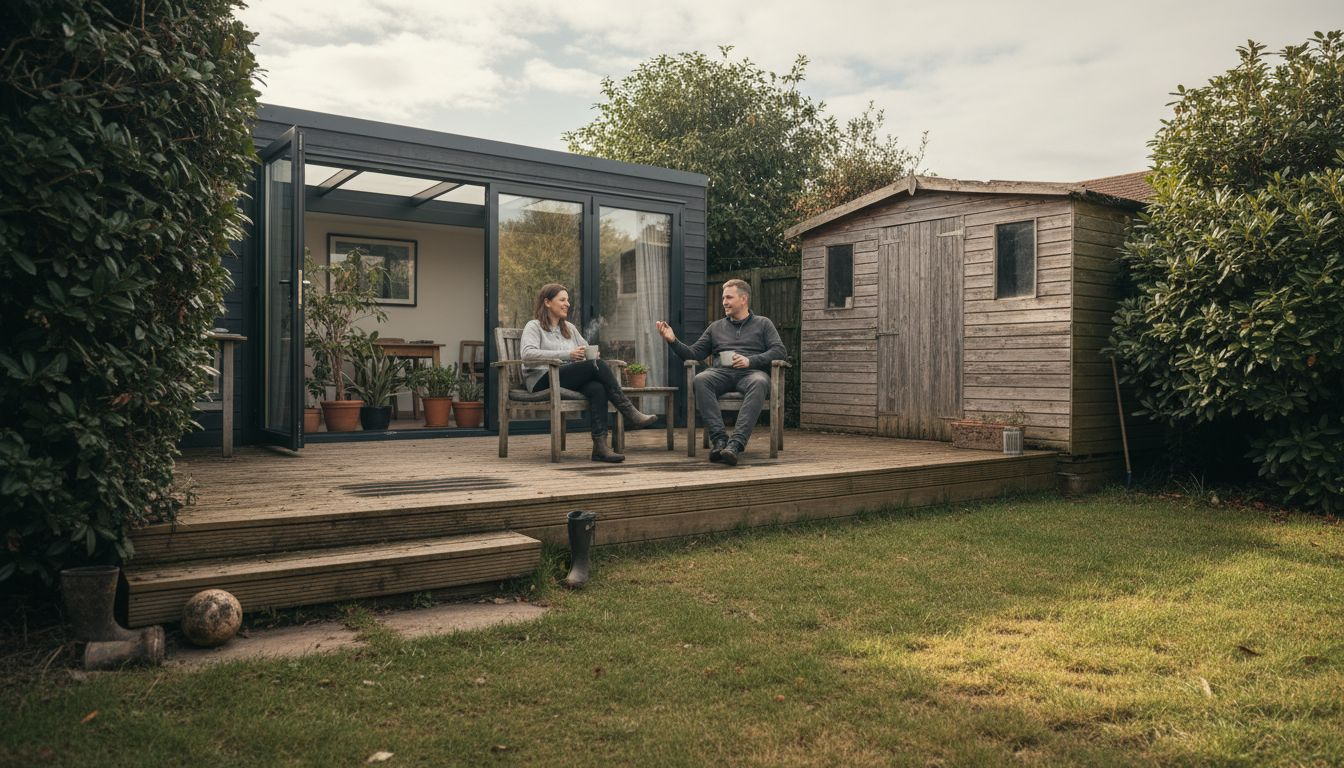
More British homeowners than ever are reimagining their gardens, with over 40 percent now investing in dedicated outdoor buildings for work, leisure, or creative pursuits. The trend reflects a growing desire for flexible, comfortable spaces that blend seamlessly with everyday life. Whether you want a home office that feels separate from your main house or a tranquil art studio, understanding the modern functions of garden buildings will help you make the most of your British outdoor spaces.
Table of Contents
- Defining Garden Buildings And Modern Uses
- Popular Types And Their Unique Functions
- Customisation, Comfort, And Practical Features
- Health, Work, And Social Benefits At Home
- Planning Permission, Regulations, And Insulation Needs
- Costs, Maintenance, And Common Mistakes To Avoid
Key Takeaways
| Point | Details |
|---|---|
| Versatile Uses | Garden buildings serve multiple functions, from home offices to recreational spaces, adapting to various lifestyle needs. |
| Customisation Options | Homeowners can personalise garden buildings with diverse designs, ensuring they meet unique aesthetic and functional preferences. |
| Legal Considerations | Understanding local planning regulations is crucial to avoid complications when constructing garden buildings. |
| Maintenance Awareness | Regular upkeep is essential for longevity, including timber treatments and electrical inspections to prevent deterioration. |
Defining Garden Buildings and Modern Uses
Garden buildings represent versatile outdoor structures that extend living spaces beyond traditional home boundaries. Modern garden buildings are contemporary solutions that transform garden environments into functional, adaptable spaces for work, leisure, and personal expression.
A garden building is fundamentally a separate structure situated in an outdoor area, distinct from the primary residential property. These structures serve multiple purposes including home offices, art studios, relaxation zones, storage spaces, and recreational areas. Unlike traditional garden sheds, modern garden buildings feature sophisticated designs with enhanced comfort, insulation, and aesthetic appeal. They provide homeowners with flexible additional space that can be customised to suit individual lifestyle requirements.
The primary characteristics of contemporary garden buildings include their modular construction, adaptable design, and ability to integrate seamlessly with existing garden landscapes. Typically constructed from high-quality timber or composite materials, these structures offer durability and thermal efficiency. Garden building configurations range from compact single-room studios to expansive multi-functional spaces that can accommodate diverse activities.
Pro Tip: Research Local Planning Regulations: Before investing in a garden building, consult your local council about permitted development rights and any potential restrictions on size, height, and positioning to ensure a smooth installation process.
Popular Types and Their Unique Functions
Garden buildings have evolved into diverse structures catering to increasingly sophisticated homeowner needs. Multi-purpose garden buildings represent a dynamic solution for maximising outdoor space potential, offering versatile configurations that adapt to changing lifestyle requirements.
The primary types of garden buildings include home offices, recreational spaces, art studios, and storage solutions. Home office log cabins have gained significant popularity, providing professionals with a dedicated workspace separate from household distractions. These structures typically feature robust insulation, electrical connectivity, and ergonomic designs that support productive working environments. Recreational garden rooms serve as social spaces for entertainment, fitness, or relaxation, often equipped with large windows to create a seamless connection between indoor comfort and outdoor scenery.
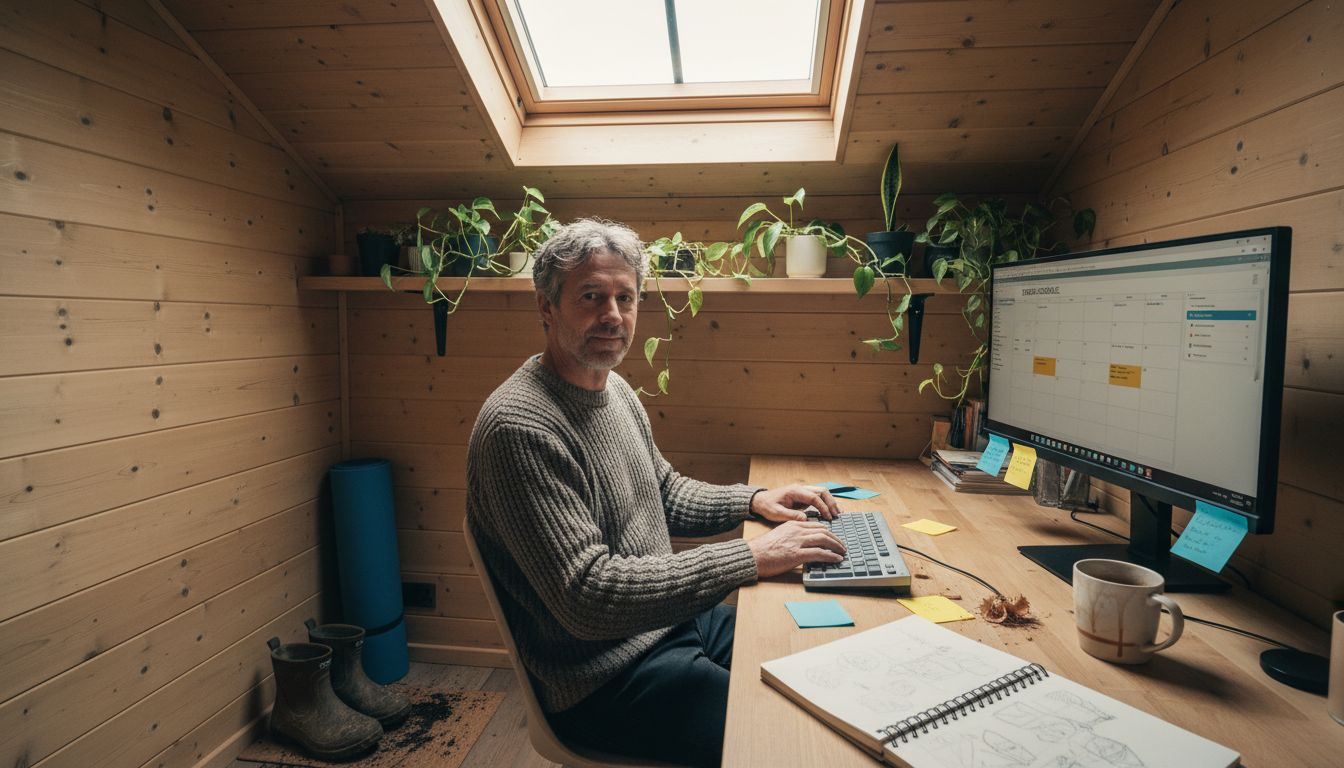
Art studios and creative workshops represent another compelling garden building category. These specialised spaces offer artists, craftspeople, and hobbyists a tranquil environment designed specifically for creative pursuits. Unlike conventional indoor rooms, garden studios provide natural lighting, acoustic separation, and a sense of psychological distance from domestic responsibilities. Storage garden buildings differ from traditional sheds, featuring more sophisticated construction, better weatherproofing, and aesthetic designs that complement modern garden landscapes.
Here is a summary of different types of garden buildings and how they uniquely serve various lifestyle needs:
| Type of Garden Building | Primary Function | Key Features |
|---|---|---|
| Home Office | Dedicated workspace | Insulation, power, ergonomic layout |
| Recreational Room | Leisure and entertainment | Large windows, comfortable design |
| Art Studio | Creative pursuits | Natural light, acoustic separation |
| Storage Solution | Organised storage | Weatherproofing, enhanced security |
Pro Tip: Design Flexibility: When planning a garden building, consider future adaptability by selecting a modular design that can be easily reconfigured or repurposed as your lifestyle and needs change over time.
Customisation, Comfort, and Practical Features
Garden buildings have transcended traditional limitations, offering homeowners unprecedented opportunities for personalised design solutions. Modern garden structures provide exceptional flexibility, allowing individuals to create spaces that precisely match their unique lifestyle requirements and aesthetic preferences.
Customisation options extend far beyond basic structural configurations. Homeowners can select from a wide range of exterior finishes, window styles, roofing materials, and interior layouts. Thermal efficiency plays a crucial role in these designs, with advanced insulation technologies enabling year-round usage. Some garden buildings feature modular wall systems, adjustable internal partitions, and integrated electrical solutions that transform these spaces from simple shelters to sophisticated, multipurpose environments.
Practical features have become increasingly sophisticated, reflecting the evolving demands of contemporary users. Integrated technology solutions now include smart lighting systems, climate control mechanisms, and robust security features. Ergonomic design principles ensure that garden buildings are not just functional spaces but comfortable extensions of living areas. Considerations like natural light placement, acoustic performance, and seamless indoor-outdoor transitions have become standard expectations for discerning homeowners seeking to maximise their garden building’s potential.
Pro Tip: Modular Planning: Invest in a garden building design that offers future adaptability, allowing you to reconfigure or expand the space as your personal and professional needs evolve over time.
Health, Work, and Social Benefits at Home
Garden buildings have emerged as transformative spaces that significantly enhance personal wellbeing, professional productivity, and social interactions. Versatile environments for year-round use offer unprecedented opportunities for improving quality of life by creating dedicated spaces separate from main living areas.
From a professional perspective, home office garden buildings provide remarkable mental health benefits by establishing clear boundaries between work and personal life. These dedicated spaces reduce stress associated with traditional home working, offering a psychological separation that promotes focus and productivity. Ergonomic design, natural lighting, and the ability to personalise work environments contribute to improved mental wellbeing, reduced commuting stress, and enhanced work performance. The physical distance from household distractions enables professionals to create a more structured and intentional working experience.
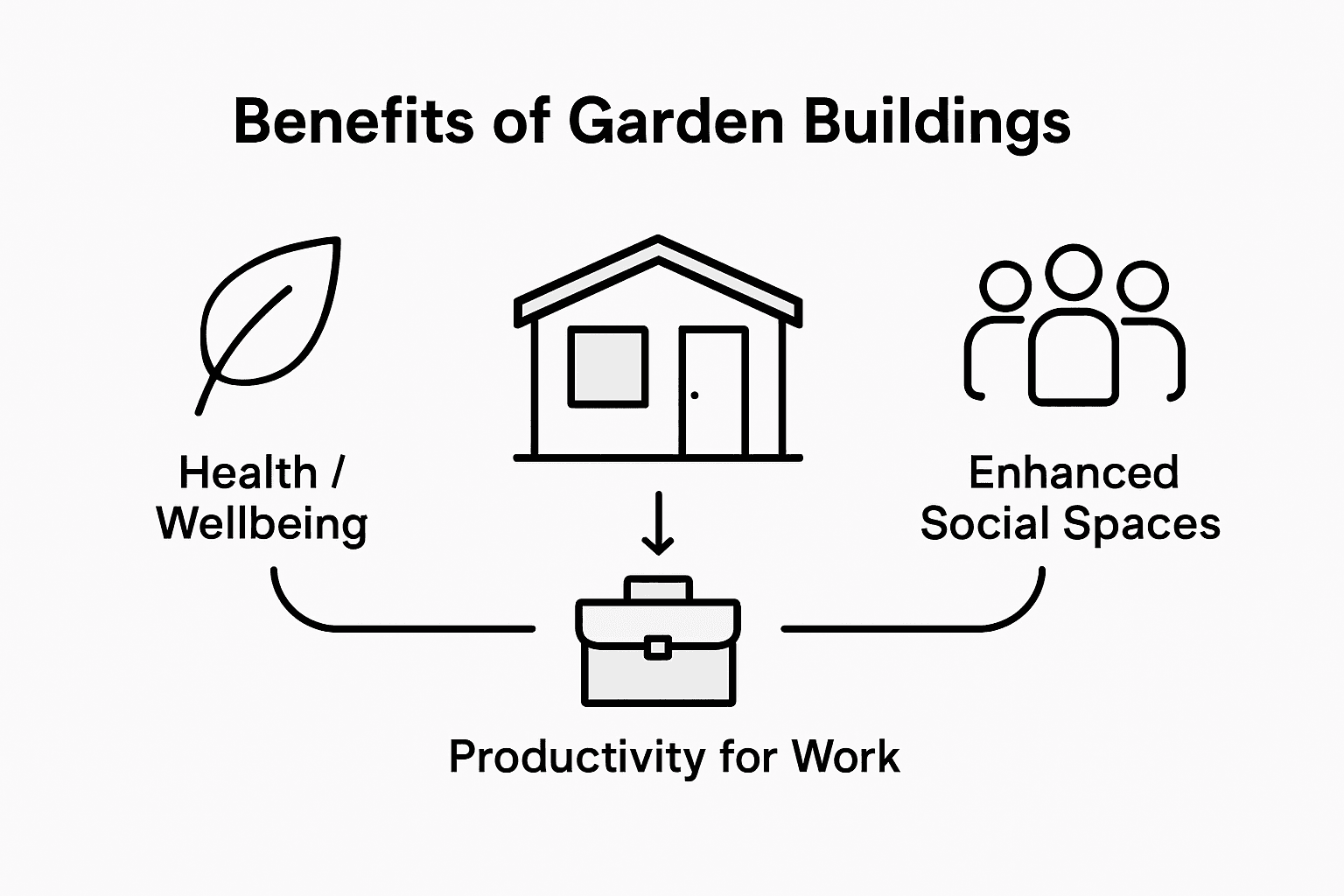
Social and recreational benefits extend beyond professional applications. Garden buildings serve as exceptional spaces for entertainment, personal hobbies, and family interactions. They provide a unique environment for hosting gatherings, pursuing creative interests, or establishing personal retreat spaces. The flexibility of these structures allows individuals to create multipurpose areas that adapt to changing social and personal needs, from yoga studios to music rooms, art workshops to family game spaces. By expanding living areas beyond traditional home boundaries, garden buildings offer a creative solution for enhancing lifestyle quality and social connectivity.
Pro Tip: Boundary Setting: Design your garden building with intentional zones that support different activities, creating a flexible space that can seamlessly transition between work, relaxation, and social interactions.
Planning Permission, Regulations, and Insulation Needs
Navigating the legal landscape of garden buildings requires careful consideration of local regulations and building standards. Planning permission complexities can significantly impact homeowners’ ability to construct garden structures, making it essential to understand the specific requirements that govern these unique architectural additions.
Most garden buildings benefit from permitted development rights, which allow construction without formal planning permission, provided they meet specific criteria. Key considerations include maximum height restrictions, total floor area limitations, and proximity to property boundaries. Homeowners must ensure their garden building does not exceed 2.5 metres in height when located within two metres of a property line, and the structure must occupy less than 50% of the garden’s total area. Building regulations become particularly critical when a garden building is intended for permanent residential or work purposes, potentially requiring additional structural and electrical compliance checks.
Insulation represents a crucial aspect of garden building design, directly impacting comfort, energy efficiency, and long-term usability. Modern garden structures incorporate advanced thermal technologies, including high-performance wall panels, double-glazed windows, and sophisticated roof insulation systems. These design elements enable year-round usage, transforming garden buildings from seasonal spaces to permanent extensions of living environments. Considerations such as moisture resistance, thermal bridging prevention, and sustainable material selection play pivotal roles in creating comfortable, energy-efficient garden spaces that can withstand varying British weather conditions.
Pro Tip: Regulatory Research: Consult your local planning authority before finalising garden building designs, as individual council regulations can vary significantly and may impact your specific project’s feasibility.
Costs, Maintenance, and Common Mistakes to Avoid
Undertaking a garden building project requires careful financial planning and strategic decision-making. Common planning permission mistakes can significantly impact overall project costs and timeline, making thorough research essential before commencing construction.
Initial investment for garden buildings varies widely, typically ranging from £5,000 to £50,000 depending on size, materials, and complexity. Budget considerations extend beyond initial construction, encompassing long-term maintenance, potential utility connections, and ongoing operational expenses. Homeowners should anticipate additional costs such as electrical installations, insulation upgrades, interior finishing, and potential foundation work. Factors like timber quality, roof construction, window specifications, and internal fit-out can dramatically influence total project expenditure. Smart budgeting involves obtaining multiple quotes, understanding comprehensive pricing structures, and planning for potential contingencies.
Maintenance represents a critical ongoing consideration for garden building owners. Regular upkeep prevents structural deterioration and ensures longevity of the investment. Key maintenance tasks include annual timber treatment, roof inspections, sealing potential moisture entry points, and checking electrical systems. Wooden structures require particular attention, with recommended treatments every 2-3 years to protect against weathering, rot, and potential insect damage. Implementing a proactive maintenance schedule can extend a garden building’s lifespan by decades, transforming it from a temporary structure into a permanent, valuable home asset.
This table highlights potential ongoing costs and essential maintenance tasks for garden buildings:
| Cost/Maintenance Aspect | Typical Frequency | Impact on Longevity |
|---|---|---|
| Timber treatment | Every 2-3 years | Prevents rot and decay |
| Roof inspection | Annually | Avoids leaks, extends lifespan |
| Electrical system check | Annually | Ensures safety, reliability |
| Sealing against moisture | Annually | Reduces damp, preserves structure |
Pro Tip: Financial Forecasting: Create a comprehensive budget that includes initial construction costs, potential utility connections, ongoing maintenance expenses, and a 15-20% contingency fund to accommodate unexpected project developments.
Transform Your Lifestyle with Bespoke Garden Buildings Today
The challenge many UK homeowners face is finding the perfect balance between expanding living space and maintaining the charm of their garden. Whether you seek a dedicated home office to boost productivity or a personalised recreational room for relaxation, understanding how to maximise your garden’s potential is essential. Our bespoke garden buildings provide tailored solutions that address insulation needs, multifunctional design, and long-term comfort, helping you create a seamless extension of your home.
Discover the benefits of modular design and customisation that adapt as your lifestyle evolves. With expert craftsmanship and high-quality materials, our garden buildings ensure durability and style that harmonise with your outdoor environment.
Explore our range of bespoke garden buildings designed to enhance wellbeing, work-life boundaries, and social spaces. Act now and turn your garden into a year-round sanctuary with Log Cabin Kits. Take the first step by visiting our landing page to find your perfect garden building solution.
Frequently Asked Questions
What are the main uses of garden buildings?
Garden buildings can serve various purposes, including dedicated home offices, recreational spaces for leisure and entertainment, art studios for creative pursuits, and organised storage solutions. They can be customised to meet specific lifestyle needs.
Do I need planning permission to build a garden building?
Most garden buildings benefit from permitted development rights, meaning they may not require formal planning permission. However, it’s essential to check local regulations regarding height, size, and positioning to ensure compliance.
How can I customise my garden building?
Customisation options for garden buildings include selecting exterior finishes, window styles, roofing materials, and interior layouts. Features such as thermal efficiency, insulation, and integrated technology can also be tailored to enhance functionality and comfort.
What maintenance does a garden building require?
Regular maintenance includes tasks such as annual timber treatment, roof inspections, and checks on electrical systems. Proactive upkeep helps prevent deterioration, ensures longevity, and keeps the garden building in good condition.