
7 Custom Garden Building Options for Rural Homeowners
Over 65 percent of British homeowners in rural areas say that a well-designed garden building enhances both lifestyle and property value. For many, crafting a bespoke space is the key to transforming outdoor living—whether that’s a peaceful retreat, a hub for gardening tools, or a year-round room. The right choices in design, materials, and features make your investment a true asset to rural British life.
Table of Contents
- 1. Choosing The Best Materials For Durability
- 2. Designing For Light And Outdoor Views
- 3. Maximising Storage With Built-In Solutions
- 4. Creating Multi-Purpose Garden Rooms
- 5. Weatherproofing For Year-Round Use
- 6. Adding Sustainable And Eco-Friendly Features
- 7. Personalising With Unique Finishes And Layouts
Quick Summary
| Takeaway | Explanation |
|---|---|
| 1. Choose Durable Materials | Opt for robust and sustainable materials like timber to ensure longevity and low environmental impact in your garden building. |
| 2. Maximise Natural Light | Design your garden structure to capture sunlight and views through strategic window placement and orientation to enhance the indoor experience. |
| 3. Incorporate Built-in Storage | Implement smart built-in storage solutions to make the most of limited space and maintain an organised environment. |
| 4. Weatherproof Your Building | Invest in effective weatherproofing strategies such as sealing entry points and proper insulation for all-year-round usability. |
| 5. Personalise Your Space | Customise finishes, materials, and layouts to create a garden building that reflects your personal style and meets your functional needs. |
1. Choosing the Best Materials for Durability
Selecting robust materials represents the foundation of creating a long lasting garden building that withstands challenging rural environments. Your choice of construction materials directly impacts the structure’s longevity, performance, and environmental sustainability.
Modern sustainable construction increasingly prioritises materials that balance structural integrity with ecological responsibility. Innovative materials like timber, bamboo, and mass timber offer exceptional durability while minimising environmental impact. These alternatives outperform traditional construction materials by providing superior strength, natural resistance to decay, and remarkable carbon storage capabilities.
When considering materials for your rural garden building, focus on key performance characteristics such as:
- Weather resistance: Choose materials that can endure British rainfall, temperature fluctuations, and potential humidity
- Structural integrity: Select components that maintain strength and stability over extended periods
- Low maintenance requirements: Prioritise materials needing minimal upkeep and repairs
- Eco friendly credentials: Look for sustainable sourcing and low carbon footprint options
Sustainable construction research highlights timber as an outstanding choice for rural garden buildings. Timber constructions offer remarkable fire resistance, natural insulation properties, and excellent adaptability to different architectural designs.
Pro tip: Before finalising material selections, request samples and conduct thorough environmental durability testing to ensure your chosen materials can genuinely withstand local weather conditions and usage demands.
2. Designing for Light and Outdoor Views
Creating a garden building that seamlessly integrates with your outdoor environment requires strategic design focusing on natural light and panoramic views. Your goal is to transform an ordinary structure into a vibrant space that connects you with the surrounding landscape.
Effective garden design prioritises structural elements that optimise natural daylight and frame scenic perspectives. By carefully considering orientation, window placement, and architectural layout, you can create a garden building that feels like an extension of the natural world.
Key Strategies for Maximising Light and Views:
- Orientation Matters: Position your building to capture morning and afternoon sunlight
- Window Placement: Install large windows on south and west facing walls
- Glass Doors: Use floor to ceiling glass doors to create panoramic outdoor connections
- Strategic Glazing: Select high performance glass that allows maximum light transmission
Design Considerations:
- Consider the surrounding landscape and how your building will interact with existing garden features
- Utilise design techniques that create seamless indoor outdoor connections
- Think about seasonal light changes and how your building will feel throughout different times of day
Practical Implementation:
Rural garden buildings offer unique opportunities to create immersive environments. By prioritising natural light and expansive views, you transform a simple structure into a multifunctional space that enhances your connection with nature.
Pro tip: Consider installing adjustable window treatments that allow you to control light levels while maintaining your stunning outdoor views.
3. Maximising Storage with Built-In Solutions
Storage is the unsung hero of functional garden buildings, transforming limited spaces into organised and efficient environments. Effective built-in storage solutions help rural homeowners maximise every square centimetre of their garden structures.
Strategic Storage Design Principles:
- Vertical Space Utilisation: Install floor to ceiling shelving units
- Multi Functional Furniture: Select benches with hidden storage compartments
- Wall Mounted Solutions: Use racks and pegboards for tool organisation
- Modular Design: Choose adaptable storage systems that can evolve with your needs
Benefits of Integrated Storage:
Timber building design offers unique opportunities for creating adaptable storage solutions that support sustainability. By designing storage systems that can be disassembled and repurposed, you extend both the functionality and environmental lifecycle of your garden building.
Custom built-in storage allows you to create dedicated spaces for gardening tools, seasonal equipment, and personal belongings while maintaining a clean and organised environment. The key is designing solutions that blend seamlessly with your garden building’s aesthetic and functional requirements.
Pro tip: Measure your specific storage needs before installation and consider adjustable shelving systems that can be reconfigured as your requirements change.
4. Creating Multi-Purpose Garden Rooms
A multi-purpose garden room transforms your outdoor space from a simple structure into a dynamic environment that adapts to your changing lifestyle needs. Sunrooms offer versatile spaces that seamlessly connect indoor comfort with outdoor beauty.
Key Design Considerations:
- Flexible Layout: Create zones for different activities
- Modular Furniture: Select pieces that can be easily rearranged
- Abundant Natural Light: Install large windows and glass doors
- Climate Control: Add heating and cooling options for year round use
Functional Zones to Consider:
- Work area with desk and comfortable seating
- Relaxation corner with reading nook
- Hobby space for crafts or gardening
- Social gathering area for entertaining
Designing multi-purpose spaces supports eco-friendly living by maximising the utility of existing structures. By creating adaptable rooms, you reduce the need for multiple specialised buildings and create a more sustainable living environment.
Think beyond traditional room definitions. Your garden room can transition from a morning workspace to an afternoon yoga studio and an evening entertainment space with thoughtful design and flexible furnishings.
Pro tip: Invest in furniture with multiple functions like fold-out desks, storage ottomans, and stackable chairs to maximise your room’s adaptability.
5. Weatherproofing for Year-Round Use
Weatherproofing transforms garden buildings from seasonal spaces into reliable, comfortable environments that withstand Britain’s unpredictable climate. Proper moisture management is critical for preserving the health and durability of outdoor structures.
Key Weatherproofing Strategies:
- Seal All Potential Entry Points: Prevent wind and moisture infiltration
- Install High Quality Membrane Wraps: Create protective barriers against dampness
- Use Proper Insulation Materials: Maintain consistent internal temperatures
- Implement Controlled Ventilation: Reduce condensation risks
Moisture Protection Techniques:
- Apply weatherproof sealants to timber joints
- Install double glazed windows with tight seals
- Create slight elevation to prevent ground moisture absorption
- Use breathable exterior cladding materials
Weatherization techniques ensure protection against the UK’s variable weather conditions while promoting energy efficiency and occupant comfort. By understanding local environmental challenges, you can design a garden building that remains functional throughout the year.
Careful material selection and professional installation are crucial. Choose components specifically rated for British weather conditions and consider professional assessment of your specific site requirements.
Pro tip: Conduct annual maintenance checks before winter to identify and address potential vulnerabilities in your garden building’s weatherproofing.
6. Adding Sustainable and Eco-Friendly Features
Sustainable garden buildings represent more than just architectural choices they embody environmental responsibility and intelligent design. Integrating eco friendly features allows rural homeowners to reduce their ecological footprint while creating functional living spaces.
Sustainable Design Strategies:
- Renewable Materials: Select locally sourced timber and natural components
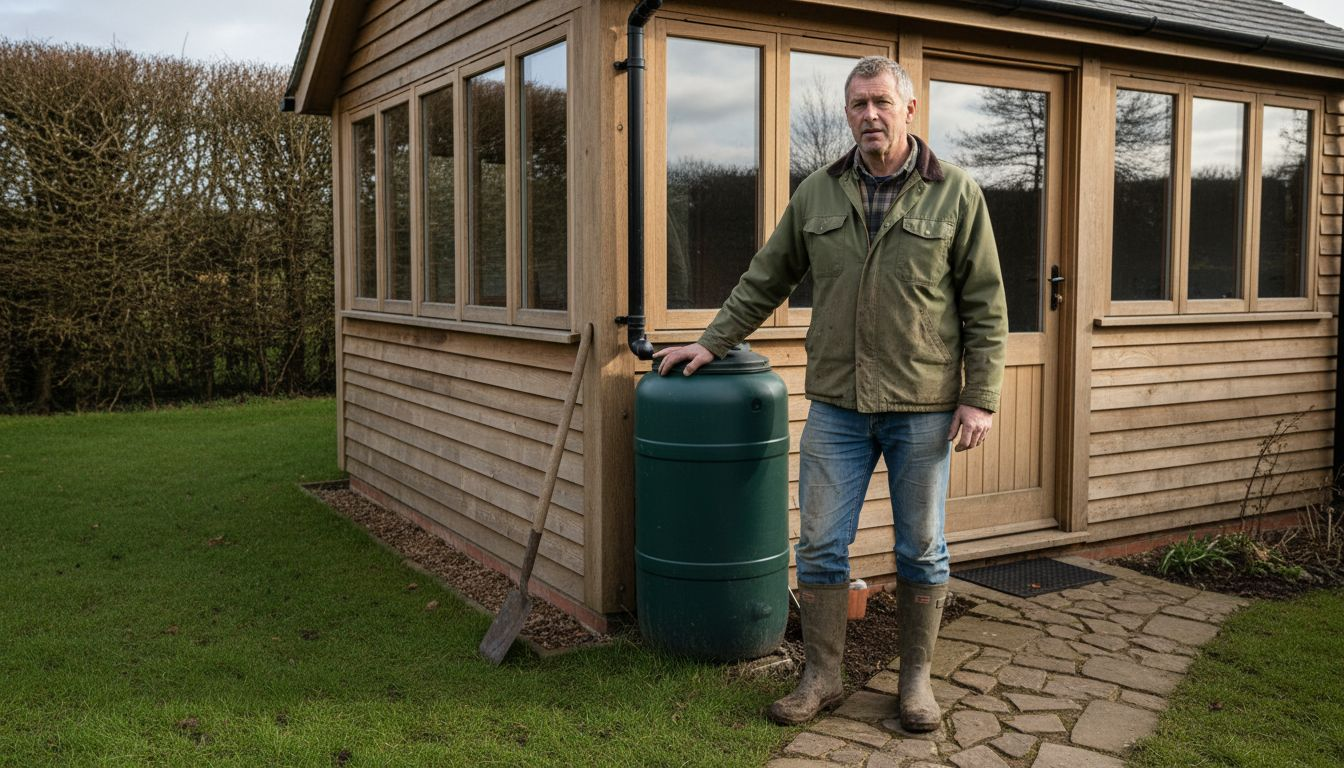
- Water Conservation: Install rainwater collection systems
- Energy Efficiency: Incorporate passive solar design principles
- Biodiversity Support: Create green roofs or living walls
Eco Friendly Material Options:
Utilising sustainable materials like bamboo and mass timber can significantly reduce embodied carbon emissions while providing durable and aesthetically pleasing construction solutions. These materials offer remarkable performance characteristics that align with environmental conservation goals.
Consider materials that are not only sustainable but also suited to the British climate. Locally sourced timber, recycled components, and natural insulation materials can dramatically improve your garden building’s environmental credentials.
Pro tip: Research local suppliers specialising in sustainable building materials and request environmental impact certifications for a truly eco conscious garden building project.
7. Personalising with Unique Finishes and Layouts
Transforming a garden building from a standard structure into a personalised sanctuary requires thoughtful design and creative vision. Garden building design enables homeowners to craft spaces that reflect individual style and functional requirements.
Personalisation Strategies:
- Colour Palette: Select finishes that complement your landscape
- Material Selection: Choose textures that reflect your aesthetic
- Functional Zoning: Create multipurpose areas within the space
- Architectural Details: Add bespoke elements like custom joinery
Design Considerations:
- Consider how interior layout supports your specific activities
- Integrate natural light through strategic window placement
- Select weather resistant finishes from specialist suppliers that ensure durability
- Align building design with surrounding garden landscape
Personalisation goes beyond visual appeal. It involves creating a space that adapts to your lifestyle while maintaining structural integrity and aesthetic harmony. Think of your garden building as an extension of your home a canvas for expressing personal creativity.
Pro tip: Create a mood board combining material samples, colour swatches, and layout sketches to visualise your garden building design before implementation.
Below is a comprehensive table summarising the strategies and key principles for designing and planning garden buildings as discussed in the article.
| Aspect | Key Considerations | Implementation Benefits |
|---|---|---|
| Material selection for durability | Choose robust, eco-friendly options like timber and bamboo for construction, prioritising weather resistance and low maintenance. | Provides long-lasting structures that withstand harsh rural environments and support environmental sustainability. |
| Optimising light and views | Incorporate large windows, glass doors, and correct building orientation to maximise natural daylight and engagement with outdoor scenery. | Enhances connection with nature and creates inviting, light-filled spaces. |
| Efficient storage systems | Design built-in solutions such as vertical shelving, wall-mounted racks, and multifunctional furniture to utilise space effectively. | Results in organised environments that maximise utilisation of available areas. |
| Flexible room functionality | Create versatile zones and incorporate modular furniture to support various activities. | Enables adaptable use, transforming a single space for multiple purposes and enhancing daily practicality. |
| Effective weatherproofing | Apply durable sealants, proper insulation, and controlled ventilation to ensure year-round use of garden buildings. | Protects structures against British weather conditions, prolonging usability and reducing energy costs. |
| Eco-conscious features | Include renewable materials, rainwater collection, and passive solar strategies to promote sustainability. | Reduces ecological impact and improves energy efficiency of constructions. |
| Personalised designs | Incorporate bespoke architectural details, unique colour schemes, and functional layouts tailored to user preferences. | Creates a harmonious and individualised extension of the garden space that reflects personal needs. |
Discover Custom Garden Buildings Perfect for Your Rural Home
Creating durable, sustainable, and multi-functional garden buildings in rural settings can be challenging. From selecting weatherproof materials to designing personalised layouts that maximise light and storage, every detail matters when you want a space that truly complements your lifestyle and environment. If you are aiming for a bespoke garden room that balances eco-friendly choices with practical use all year round, you deserve solutions tailored precisely to your needs.
Explore how custom garden buildings can address your goals including built-in storage, weatherproofing, and integrating natural light.
Don’t settle for generic options when you can customise every aspect of your garden building. Visit Log Cabin Kits now to start designing a bespoke structure that reflects your vision and stands strong through British weather conditions. Make your outdoor dreams into a lasting reality today.
Frequently Asked Questions
What materials are best for constructing a durable garden building?
Selecting materials like timber, bamboo, and mass timber is ideal for durability in rural environments. Focus on weather resistance, structural integrity, and eco-friendly credentials when choosing materials for your garden building. Prioritise options that require low maintenance to extend the lifespan of your structure.
How can I design a garden building to maximise natural light and outdoor views?
Position your garden building to capture sunlight by orienting it towards the south and west. Incorporate large windows and floor-to-ceiling glass doors to create a seamless connection with the outdoors. This design can transform your space into a vibrant, naturally-lit area that enhances your outdoor experience.
What are effective built-in storage solutions for a garden building?
Utilising vertical space with floor-to-ceiling shelving, multi-functional furniture, and wall-mounted racks can significantly enhance storage in limited spaces. Consider custom solutions that blend with your garden building’s design while providing organized storage for tools and personal items. This can help maximise functionality and reduce clutter in your garden space.
How do I weatherproof my garden building for year-round use?
To weatherproof your garden building, ensure all potential entry points are sealed and install high-quality membrane wraps. Use proper insulation materials and implement ventilation systems to manage moisture and maintain a comfortable internal environment throughout the year. Regular maintenance checks can help identify vulnerabilities before the colder months.
What eco-friendly features should I include in my garden building?
Integrate features such as rainwater collection systems, renewable materials, and energy-efficient designs to enhance sustainability. Consider options like green roofs or living walls that promote biodiversity while reducing your ecological footprint. Aim for a garden building that supports a more sustainable lifestyle and reduces resource consumption over time.
How can I personalise my garden building to reflect my style?
Personalise your garden building by selecting a colour palette and materials that complement your landscape while considering the functional zoning within the space. Create bespoke architectural details and thoughtful layouts that adapt to your activities. This attention to detail will ensure your garden building feels like a unique extension of your home.