
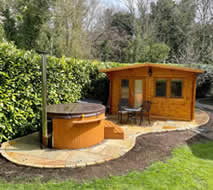
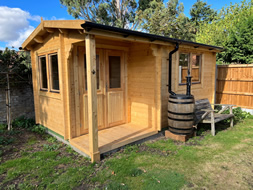
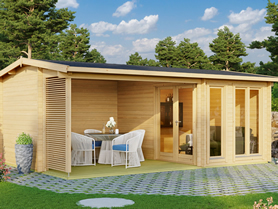
Cabin Category
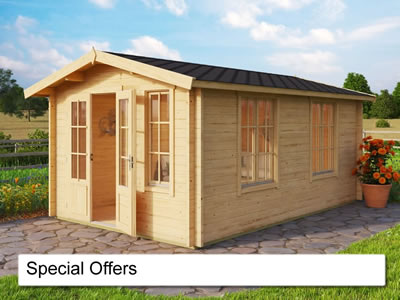
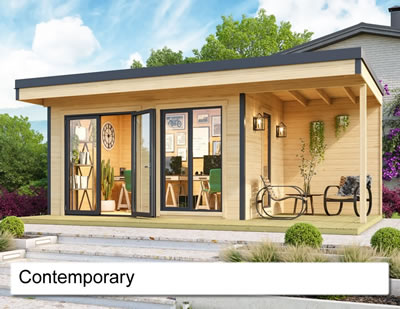


Need a Custom Log Cabin Kit? Your Dream Cabin, Exactly How You Imagined It.
Whether you need a slight tweak to a standard classic or a ground-up architectural marvel, we have you covered.
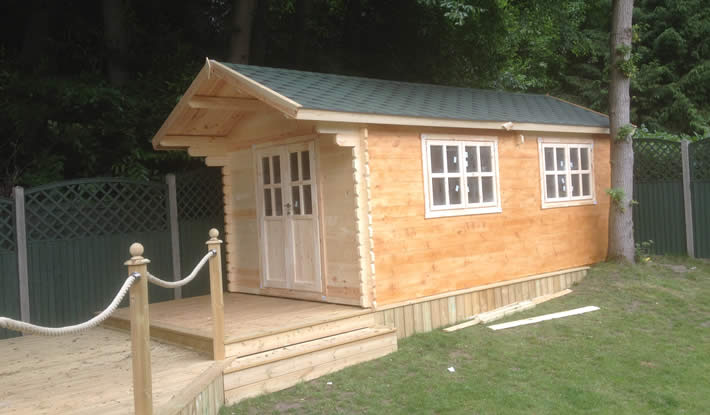
Option 1: Full Bespoke Design & Manufacture
- From-the-ground-up architectural design
- Fully custom layouts with multi-room partitions
- Your choice of door & window configurations
"Absolutely fantastic cabin easy to erect we didn't quite know what to expect and have been thrilled by the end product best kit on the market thank you Martin"
- Robert & Charlotte
Start From Scratch
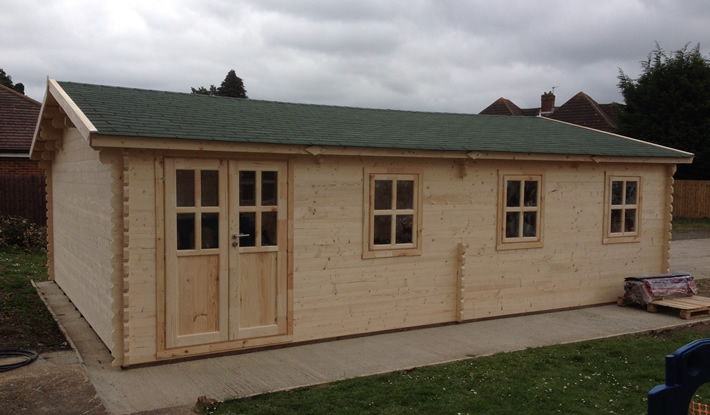
Option 2: Custom Sized Standard Design
- Modify dimensions of our standard models
- Adjust wall heights or floor areas
- Add or remove doors and windows
"They designed our cabin exactly how we wanted."
- Stuart & Charlotte
Modify a Design
Best Selling Self Build Log Cabin Kits
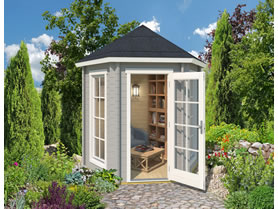

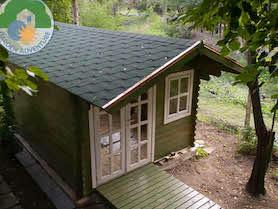
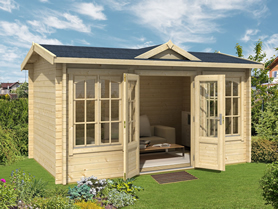
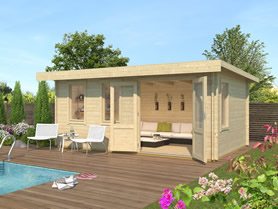
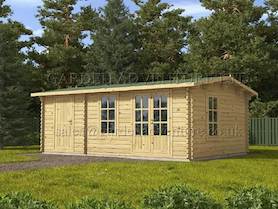
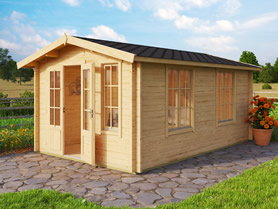
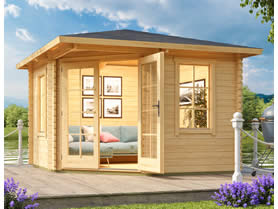
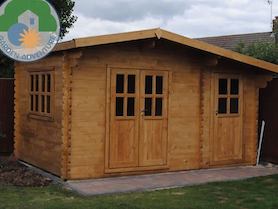

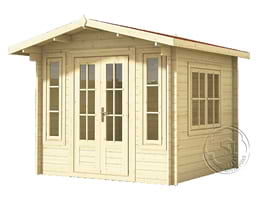
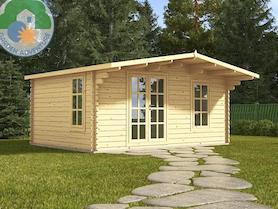
Best Selling Self Build Log Cabin Kits
Log Cabin Kits is an established log cabin supplier in the United Kingdom with long standing relationships with trusted cabin manufacturers such as Timber Cabins, Lasita Maja, and Eurovudas. This allows us to supply premium cabin kits made from high quality timber, so you can trust that your new log cabin will stand the test of time.



Best Log Cabin Kits in the UK
Log Cabin Kits was established in 2001 under the banner of Garden Adventure. Although we aren’t the largest log cabin supplier, our huge range offers customers the best solution to optimise their garden space.
Every review on reviews.co.uk is from a genuine customer. Take a look to see how pleased they are! We’re confident that we offer the best self build log cabin kits for sale in the UK
Here is why hundreds of customers choose to buy Log Cabin Kits from us:
- Quality: We sell high-quality products made from the best materials. Our buildings are built to last, and with careful maintenance, they will provide you with years of enjoyment. These cabins are valued for their natural beauty and durability.
- Free UK Delivery: Enjoy free UK delivery to most postcodes to save you time and money on transportation costs.
- Anti-Rot Guarantees: Gain peace of mind with our log cabins and their five to ten-year anti-rot guarantees.
- Expert Guidance: Receive guidance and advice from our team of experts.
- Affordability: Get the log cabin of your dreams without breaking the bank thanks to our competitive prices.
- Easy assembly: Experience hassle-free assembly, even for individuals without construction experience. With basic DIY skills and support from our customer service, you CAN build a cabin yourself!
- Convenience: We make it easy to buy a log cabin kit. You can shop online or over the phone.
- Excellent customer service: Let our experienced and knowledgeable staff help choose the perfect design or answer any questions you have.
- Adding extra space to your home: Garden log cabins provide extra space to your house that can be used all year round. You can utilise this additional space as a home office, hobby room or even a cosy retreat, allowing you to enjoy some much-needed "me" time.
Key Features of Our Log Cabins
We stock garden buildings from three European manufacturers: Timber Cabins, Lasita Maja and Eurovudas. These are the stand-out features of our DIY log cabins for sale:
- Variety: We have log cabins in a wide variety of modern and traditional styles, each in different sizes and shapes. Choose from roof styles including pent, apex and reverse-apex roofs.
- Robust Construction: Our partners design log cabins with durability in mind. They use sturdy materials and expert craftsmanship to create wooden garden cabins that last.
- Customisation: Personalise your building according to your specific needs and preferences with our range of customisation options. This could include selecting different sizes, floor plans, roofing options and interior finishes.
- Trusted Brands: We supply cabins from names like Timber Cabins UAB®, Eurovudas and Lasita Maja.
- Timber Cabins UAB®: Based in Lithuania, Timber Cabins UAB® specialises in premium, FSC-certified timber structures. Order these log cabins and enjoy strength, longevity and style.
- Eurovudas: Eurovudas offers versatile cabins crafted from slow-grown Nordic spruce. Their log cabins are known for energy efficiency and robust designs that stand up to all weather conditions.
- Lasita Maja: Headquartered in Estonia, Lasita Maja delivers exceptional European quality with a focus on easy assembly. This range includes both classic and contemporary models, ideal for creating a functional outdoor living area.
Delivery Areas for Our Self Build Cabin Kits
We deliver DIY cabin kits throughout the UK, including Cornwall, Lincolnshire, Dorset and Somerset.
- Lead times depend on your location in relation to our Leicester hub. Please get in touch with us to enquire about your specific area
- Delivery is available to all mainland UK destinations
- For island locations, we deliver to the mainland port of your choice (onward transportation must be arranged by the customer)
- Please allow additional time for deliveries to the extremities of the UK, including the South West, North Wales and Scotland
Delivery can be made to all mainland UK. Locations furtheset away from the UK hubfrom where we distribute in Leicester will take a little longer than those in the heart of the UK.
We offer FREE DELIVERY to the majority of places. Find out if you're in one of the free delivery areas.
Otherwise our delivery checker page will help you get a better idea of our cabin delivery areas.
FAQ
Do you have aids for building a log cabin home?
With over two decades of selling DIY wooden cabin sets, we know a good deal about the installation. We have produced comprehensive resources to help install a garden building.
Our support includes:
- Useful tips and advice
- Wide-ranging knowledge base of FAQs
- Regular updates on our news page
Do I need planning permission for my bespoke log cabin?
In most cases, your new garden cabin will not need planning permission. However, there are cases where this will apply. It is worthwhile carrying out a little research on the government’s Planning Portal for specific requirements of your local authorities. This also gives information on building regulations that may come into play depending on usage and size.
Note: Most buildings that have a ridge height of more than 2.5m may fall outside the planning requirement. This applies when a building is positioned less than 2.0m from your boundary. These log cabins can be manufactured with a ridge height of 2.5m — please call for details.
What are the benefits of buying a log garden cabin kit online?
Buying a self-build garden log cabin online has many benefits:- Competitive pricing
- Browse various styles and designs from the comfort of your own home
- Read reviews from other customers to help you make an informed decision
What kind of guarantees and warranties are offered with online log cabin purchases?
As a reputable online retailer, we offer various guarantees and warranties on log cabins, including anti-rot guarantees and manufacturer warranties. These guarantees provide protection against defects and rot, giving you peace of mind and ensuring that your investment is protected.
How do I ensure that my log cabin is delivered and installed correctly?
Look for retailers that offer free delivery and installation services, or those that provide detailed instructions for self-assembly. Make sure to check the retailer's return and refund policies in case of any issues with the delivery or installation. If DIY projects are not for you, we have a network of professional log cabin installers to help.What Factors Should I Consider When Buying DIY Log Cabin Kits?
Whether you need a workshop, man cave, art studio or office space, a log cabin can provide the ideal room. With so many options available, it's vital to do your research and choose the right one for your needs and budget.
The following information will guide you through the process of buying a garden log cabin online. This can help you make an informed decision that meets your requirements.
Your Needs & Budget
Define your requirements and set a realistic budget. Think about how you plan to use your log cabin, how much space you need, and what features are must-haves for you.Personal Style & Quality
Choosing the right style and quality of log cabin is crucial. From modern and sleek to traditional and rustic, there's a vast range of designs to suit every taste and garden style. Adding insulation, windows or double doors will also impact the overall quality of your log cabin. Look for cabins with high-quality materials, sturdy construction, and manufacturer-backed guarantees. Our most widely chosen wall thickness is 44mm. All our garden buildings in this size come standard with double-glazed windows and doors. With these factors in mind, you'll be able to find a log cabin that not only meets your needs but also complements your garden perfectly.Longevity
Robust construction matters when choosing a log cabin. You want a cabin that withstands harsh weather conditions, heavy use and time. Our preferred manufacturers build log cabins using high-quality materials and techniques. This ensures our garden buildings remain safe, secure and functional for years to come. With this solid construction, you can enjoy your new outdoor space cabin without worrying about structural integrity.Design and Aesthetics
A well-designed log cabin can enhance the beauty of your garden and provide a cosy retreat for relaxation and recreation. Your cabin can be both aesthetically pleasing and practical, providing a beautiful practical space.
To get this balance right, consider the layout and design of your log cabin. Think about the activities you'll be using the cabin for and how you can optimise the space to meet those needs.
For example, if you're using the cabin as a garden office, you'll want to ensure there's adequate lighting and storage for your work equipment. A shed to store garden equipment, on the other hand, won’t necessarily require lighting, but will need some security.