Blog


Choosing between a basic garden shed and a bespoke log cabin often leaves UK homeowners questioning the real differences. A log cabin offers far more than storage—it delivers genuine comfort, durable construction, and year-round usability. With growing demand for flexible, insulated spaces driven by remote work in the United Kingdom, these cabins have become a practical investment that transforms your outdoor living. Discover how thoughtful design and customisation unlock new options for recreation or productive workspace.
Table of Contents
- Defining Garden Log Cabins And Key Misconceptions
- Popular Types And Bespoke Design Options
- The Versatile Uses Of Garden Log Cabins
- Year-Round Comfort, Efficiency, And Aesthetics
- Planning Permission, Costs, And Property Value
Key Takeaways
| Point | Details |
|---|---|
| Garden Log Cabins vs. Sheds | Log cabins offer superior insulation, durability, and customisation compared to traditional sheds, making them a more valuable investment for diverse uses. |
| Bespoke Design Benefits | Customising your cabin ensures it fits your specific needs, maximising functionality and aesthetic appeal in your garden. |
| Year-Round Usability | Proper insulation and design make log cabins usable throughout the year, enhancing their practical value beyond seasonal use. |
| Planning Permission Insights | Many cabins fall under permitted development rules, but it’s essential to check local regulations to avoid complications. |
Defining Garden Log Cabins and Key Misconceptions
A garden log cabin isn’t just a small wooden box tucked in the corner of your garden. It’s a purposefully designed, timber-built structure that serves a genuine function—whether that’s a peaceful retreat, a home office, or a recreational space.
Unlike traditional garden sheds, log cabins are built to higher standards. They offer proper insulation, durable construction, and the flexibility to be customised to fit your exact needs. What makes a log cabin different comes down to the quality of materials and the craftsmanship involved.
Here’s a concise comparison of garden log cabins and traditional garden sheds to highlight the differences:
| Aspect | Garden Log Cabin | Traditional Garden Shed |
|---|---|---|
| Insulation | Year-round comfort, insulated | Minimal, seasonal use |
| Construction Quality | Interlocking timbers, robust | Basic panels, less durable |
| Customisation | Can be fully bespoke | Limited design variations |
| Typical Uses | Office, studio, leisure, gym | Storage, gardening equipment |
Here’s what actually defines a garden log cabin:
- Solid timber construction using interlocking logs or timber wall systems
- Proper weatherproofing and insulation for year-round use
- A robust foundation and ventilation system
- Customisable layouts to match your specific purpose
- Built to withstand the British climate for many years
Common Misconceptions
Many people assume log cabins are flimsy or temporary. They’re not. Properly built log cabins are sturdy, long-lasting structures that add genuine value to your property.
Another myth? They’re all the same. Bespoke log cabins can be tailored completely to your requirements—from size and layout to internal fittings and exterior finishes.
Some think they’re only for holidays or occasional use. The reality is different. Thousands of UK homeowners use log cabins as permanent home offices, studios, gyms, or leisure spaces.
People often worry about maintenance. Modern log cabins require far less upkeep than people imagine. A simple annual inspection and basic care keeps them performing beautifully.
The biggest misconception? That log cabins are luxury add-ons. They’re practical investments that genuinely improve how you use your garden space.
The key difference between a standard structure and a quality log cabin lies in attention to detail. Proper drainage, ventilation, timber quality, and design all matter significantly. When you’re investing in your outdoor space, these details separate the exceptional from the ordinary.
Understanding garden cabin terminology helps you make informed choices about what matters most for your specific situation.
Pro tip: When evaluating log cabins, ask about the timber grade, insulation ratings, and specific weatherproofing measures used—these details reveal quality and long-term durability.
Popular Types and Bespoke Design Options
Garden log cabins come in many shapes and sizes, but they all share one thing: the ability to be tailored to your exact needs. Off-the-shelf designs work for some people, but bespoke options give you complete control.
The most common types you’ll encounter include compact single-room cabins, larger multi-room structures, and open-plan designs. Your choice depends on what you’ll actually use the space for.
Here are the popular cabin styles available:
To help you evaluate which cabin style suits your needs, here’s a summary of popular garden log cabin types and their ideal uses:
| Cabin Type | Typical Size | Best For |
|---|---|---|
| Compact Retreat | About 12 x 12 ft | Meditation, quiet escapes |
| Medium Workspace | 16 x 20 ft+ | Home office, studio, workshop |
| L-Shaped/ Split-level | Custom sizes | Flexible functions, added privacy |
| Open-plan | Varies | Entertaining, adaptable layouts |
- Small retreats (around 12 x 12 feet) for quiet escapes or meditation spaces
- Medium cabins (16 x 20 feet or larger) for home offices, studios, or workshops
- L-shaped or split-level designs for added functionality
- Open-plan layouts with flexible internal divisions
- Covered veranda options for extended outdoor living
Why Bespoke Design Matters
One-size-fits-all cabins rarely fit your garden perfectly. A bespoke approach means every detail matches your property, your climate needs, and your lifestyle.
When you go bespoke, you’re not compromising. You get the exact dimensions, interior layout, and exterior finish you want. Customisation options for garden cabins range from simple adjustments to completely unique designs.
Consider these customisable elements:
- Wall thickness and insulation levels for your specific location
- Window and door placement to maximise views or privacy
- Internal wall divisions and storage solutions
- Roofing styles, overhang sizes, and weather protection
- Decking options, steps, and external access routes
- Electrical and heating system integration points
Bespoke doesn’t mean expensive or complicated. It means intelligent design that works perfectly for your garden and your life.
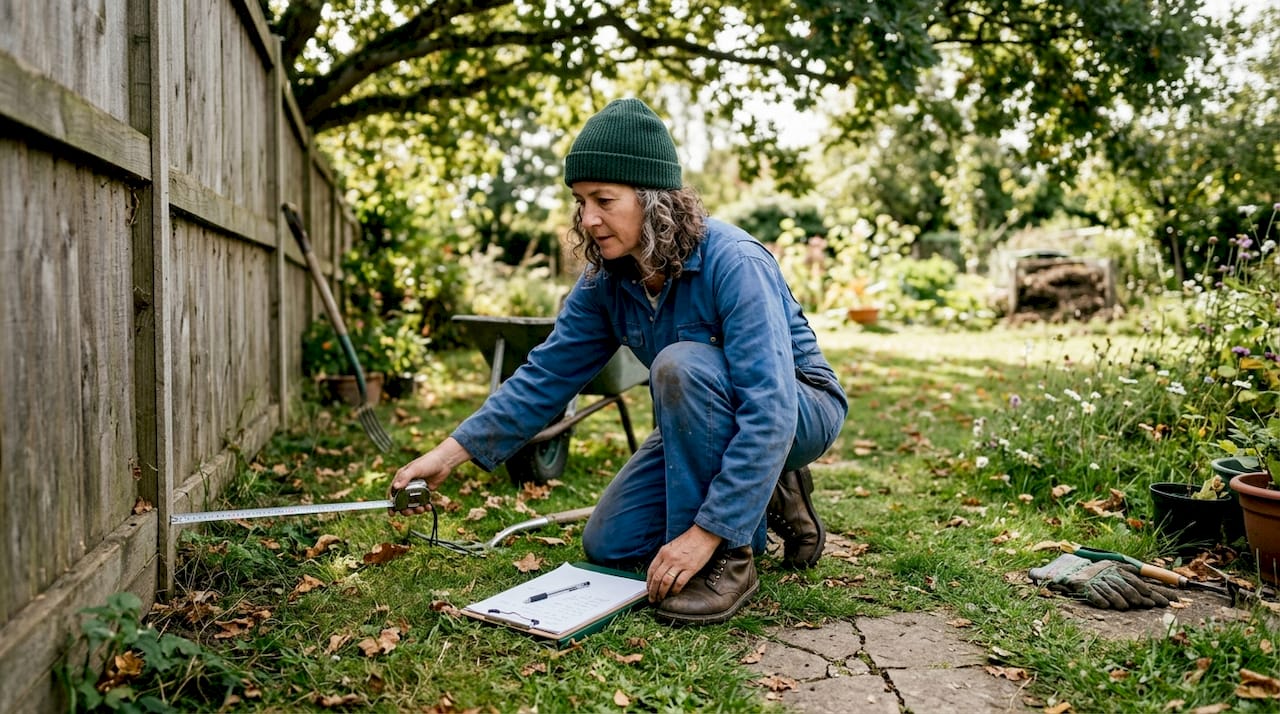
Your garden’s orientation, existing structures, and soil conditions all influence the design. A north-facing site needs different positioning than a south-facing one. Proximity to trees, fences, and property boundaries all matter.
The beauty of bespoke design is flexibility. You’re not locked into standard sizes or layouts. Whether you need a cosy 10-foot retreat or a substantial 30-foot workspace, it’s achievable.
Many homeowners discover their perfect cabin through conversation with designers who understand both garden constraints and personal vision. Getting this right from the start saves frustration later.
Pro tip: Before finalising your bespoke design, spend time in your garden at different times of day to observe sunlight patterns, wind direction, and how the space actually feels—this directly informs the best placement and orientation for your cabin.
The Versatile Uses of Garden Log Cabins
A garden log cabin isn’t locked into a single purpose. The real magic is that it adapts to whatever you need it to be. Today it’s a home office, tomorrow it’s a creative studio.
The beauty of these structures lies in their flexibility. You control how the space works. Whether you need a quiet retreat or a functional workspace, a log cabin delivers.
Common Uses That Transform Your Garden
Homeowners are discovering flexible outdoor living solutions that extend their living space beyond the main house. The rise of remote work has accelerated this trend significantly.
Here’s what people are actually doing with their cabins:
- Home offices for focused, distraction-free work away from the main house
- Creative studios for artists, writers, musicians, or craftspeople
- Fitness spaces with equipment for workouts, yoga, or training
- Guest accommodation for visiting family and friends
- Leisure rooms for relaxation, reading, or hobbies
- Garden bar or entertaining space for hosting gatherings
- Hobby workshops for woodwork, gardening projects, or DIY pursuits
Each use requires slightly different specifications, but a well-designed cabin handles them all. The key is planning your space with your actual lifestyle in mind.
Adapting Your Cabin to Your Lifestyle
A home office needs proper electrical outlets, good natural light, and insulation for year-round comfort. A creative studio might prioritise large windows and open floor space. A gym requires solid flooring and ventilation.
Your cabin can accommodate all these needs with thoughtful design. Electrical systems, heating, plumbing, and internal layouts all adjust to match your intended use.
The most successful cabins are designed with purpose first. What you’ll actually do in the space shapes everything else.
Consider your daily routine and seasonal usage. Will you use the cabin daily or occasionally? Do you need it during winter? These questions directly influence heating, insulation, and access routes.
Many UK homeowners discover that their cabin’s purpose evolves. The workspace becomes a guest suite on weekends. The studio becomes a retreat. This flexibility is precisely why bespoke design matters—you create a foundation that adapts as your needs change.
Pro tip: Before committing to your cabin’s design, list the top three uses you envision, then discuss them with the designer—this ensures your space prioritises your actual lifestyle rather than theoretical possibilities.
Year-Round Comfort, Efficiency, and Aesthetics
A garden log cabin sitting unused during winter is a missed opportunity. The best cabins work beautifully all year, in any weather. This requires thoughtful planning from the start.
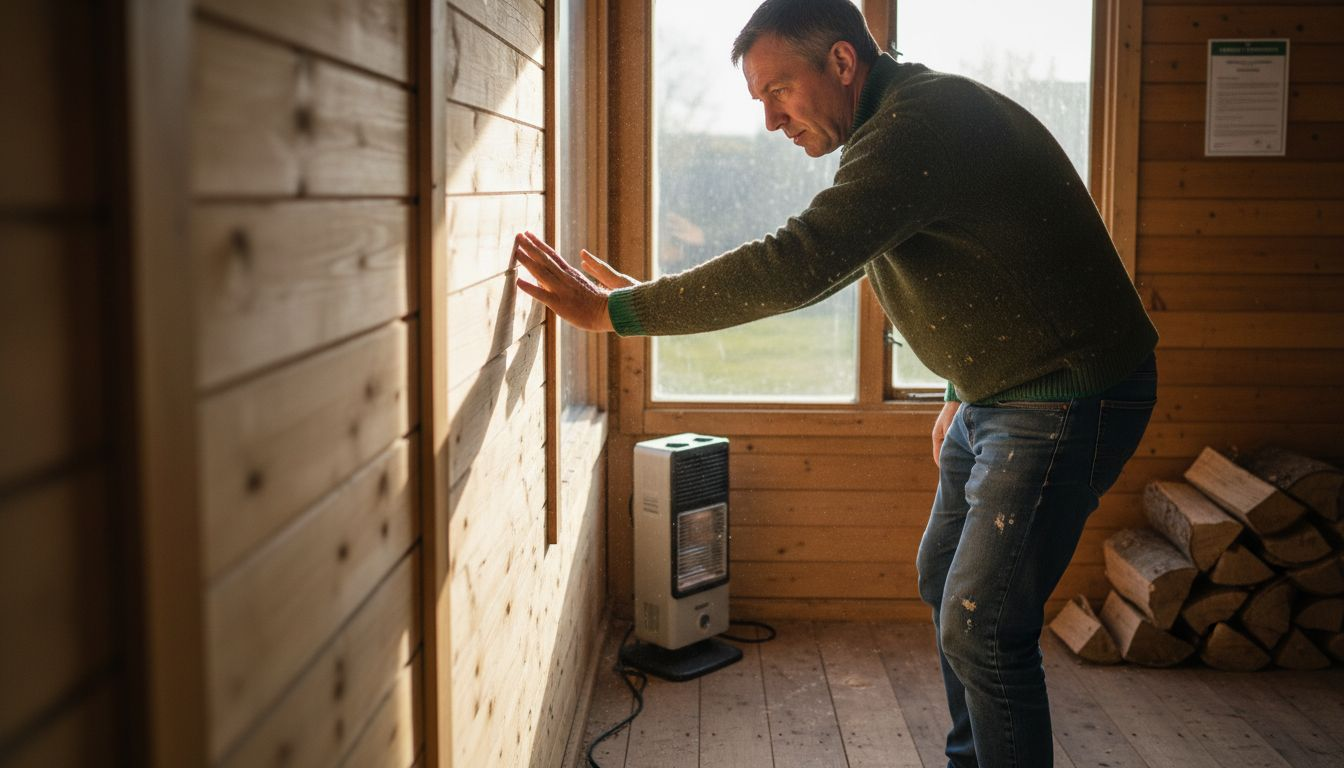
Proper insulation, heating, and ventilation transform a seasonal retreat into a year-round space. You’ll actually use it when it’s cold, wet, or snowy outside.
Creating Genuine All-Season Comfort
Year-round comfort depends on insulation, heating systems, and moisture management. These elements work together to keep your space usable regardless of season.
Consider these essential comfort features:
- Thick wall insulation (typically 70-100mm) to reduce heat loss significantly
- Proper roof design with adequate ventilation to prevent condensation
- Quality flooring systems that insulate from ground moisture
- Double-glazed windows and doors to maintain internal temperatures
- Heating options ranging from electric radiators to wood-burning stoves
- Good drainage around the foundation to keep interior dry
Insulation quality directly impacts your heating bills. A well-insulated cabin needs far less energy to maintain comfortable temperatures. You’ll notice the difference immediately during winter months.
Energy Efficiency and Running Costs
A poorly insulated cabin becomes expensive to heat. A properly insulated one stays warm with minimal effort. The initial investment in quality insulation pays back quickly through lower running costs.
Ventilation matters equally. Without proper air circulation, moisture builds up, creating dampness and potential timber issues. Modern cabin designs incorporate smart ventilation that removes excess moisture while retaining heat.
Year-round usability isn’t just about comfort—it’s about actually enjoying your outdoor space through every season.
Aesthetics That Last
A beautiful cabin that deteriorates quickly isn’t a good investment. Quality timber, proper finishing, and protective measures keep your cabin looking stunning for decades.
Weather protection features include adequate roof overhangs, quality exterior finishes, and well-designed drainage. These prevent water damage and premature timber degradation. Your cabin will age gracefully rather than weather poorly.
Maintenance becomes simpler when the cabin is built correctly. An annual inspection and basic care keeps everything performing beautifully. You’re protecting both functionality and visual appeal.
Pro tip: When specifying heating systems, ask about zoning options—this lets you heat only the areas you’re using, reducing energy waste significantly during cooler months.
Planning Permission, Costs, and Property Value
The prospect of needing planning permission can feel daunting. The good news? Many garden log cabins fall under permitted development rules. You may not need permission at all.
Understanding the rules beforehand saves time, money, and frustration. It’s straightforward once you know what matters.
Understanding Planning Permission Requirements
Not all cabins require planning permission. Cabins under 2.5 metres in height and positioned appropriately often qualify as permitted development. This depends on your specific location and cabin specifications.
Key factors that determine permission needs:
- Cabin height (typically 2.5m or less avoids permission)
- Footprint size relative to your plot
- Distance from house boundaries (usually 2 metres minimum)
- Position relative to roads and neighbours’ properties
- Local council planning policies (these vary significantly)
- Conservation areas or listed property status (stricter rules apply)
Your location matters enormously. A cabin that’s permitted development in one area might need permission elsewhere. Always check with your local planning authority before proceeding.
Understanding Costs Realistically
Cabin costs depend on design complexity, material quality, and customisation. A bespoke cabin typically costs less than major home extensions. You’re investing in a functional, quality structure—not luxury.
Consider these cost factors:
- Timber grade and sourcing
- Insulation specifications
- Internal fittings and finishes
- Foundation and access requirements
- Electrical and heating installations
- Delivery and installation services
Well-constructed cabins improve property appeal without the disruption of major building work.
The investment pays dividends through extended living space and genuine usability. You’re not just adding structure; you’re improving how you live.
Property Value and Long-Term Benefits
A quality log cabin enhances property appeal significantly. Potential buyers see extended usable space, which appeals to modern lifestyles. The cabin must be well-built and properly maintained for this benefit to materialise.
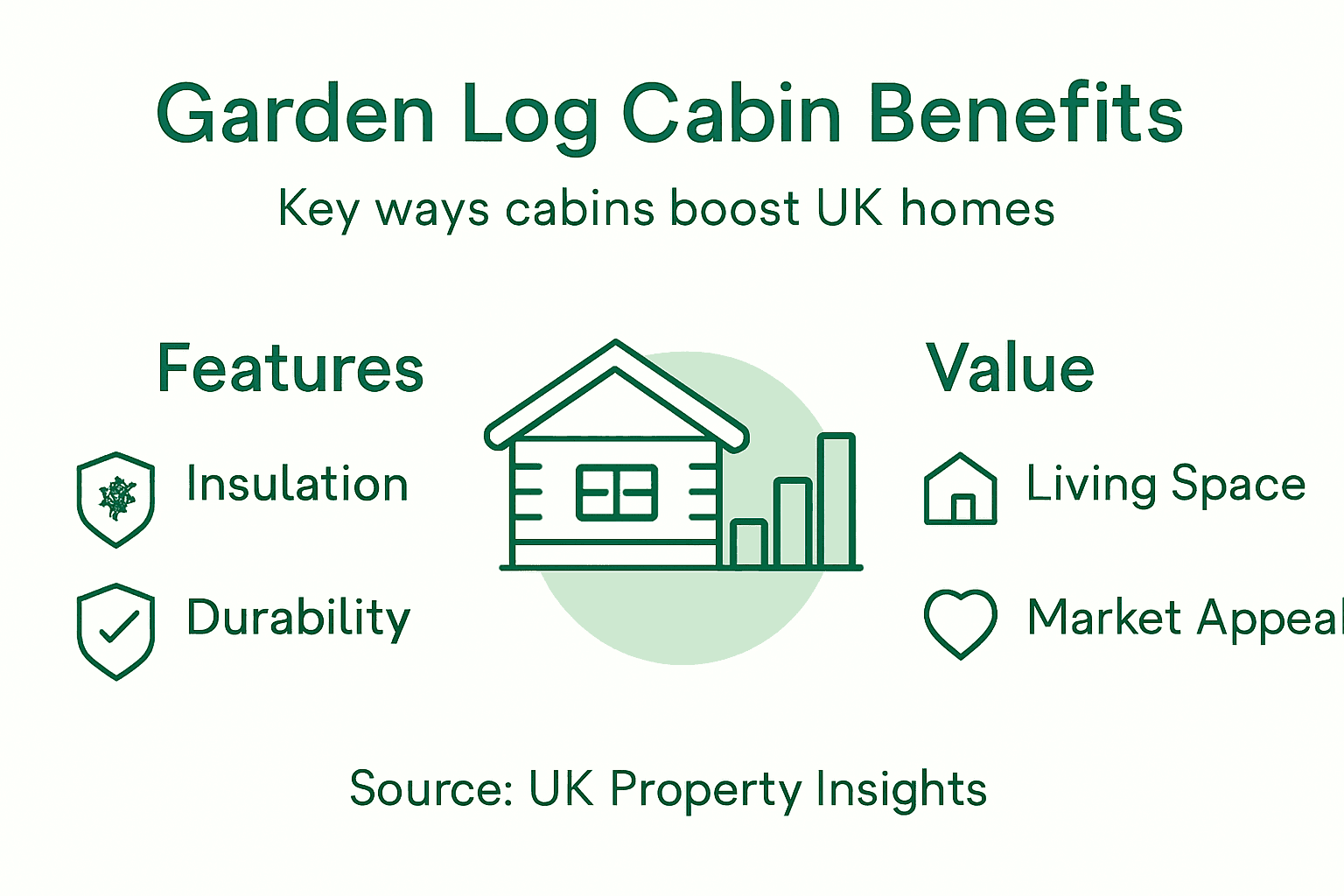
Consider consulting a surveyor about your specific property before commissioning a cabin. They’ll advise on positioning and design choices that maximise appeal.
A cabin designed thoughtfully improves your property’s market perception. Buyers value outdoor spaces that genuinely work year-round. Poor design or cheap construction does the opposite.
Pro tip: Before committing to your cabin project, contact your local planning authority to clarify permission requirements—a ten-minute conversation saves significant time and prevents costly mistakes later.
Discover the Perfect Garden Log Cabin Tailored for Your UK Home
If you are ready to transform your outdoor space into a year-round sanctuary or productive workspace, bespoke garden log cabins offer the ideal solution. Understanding key terms such as insulation, weatherproofing, and customisation is essential, but bringing those concepts to life requires expert craftsmanship and personalised design. At Log Cabin Kits, we specialise in creating durable, beautifully crafted garden cabins that meet your specific lifestyle needs and garden conditions.
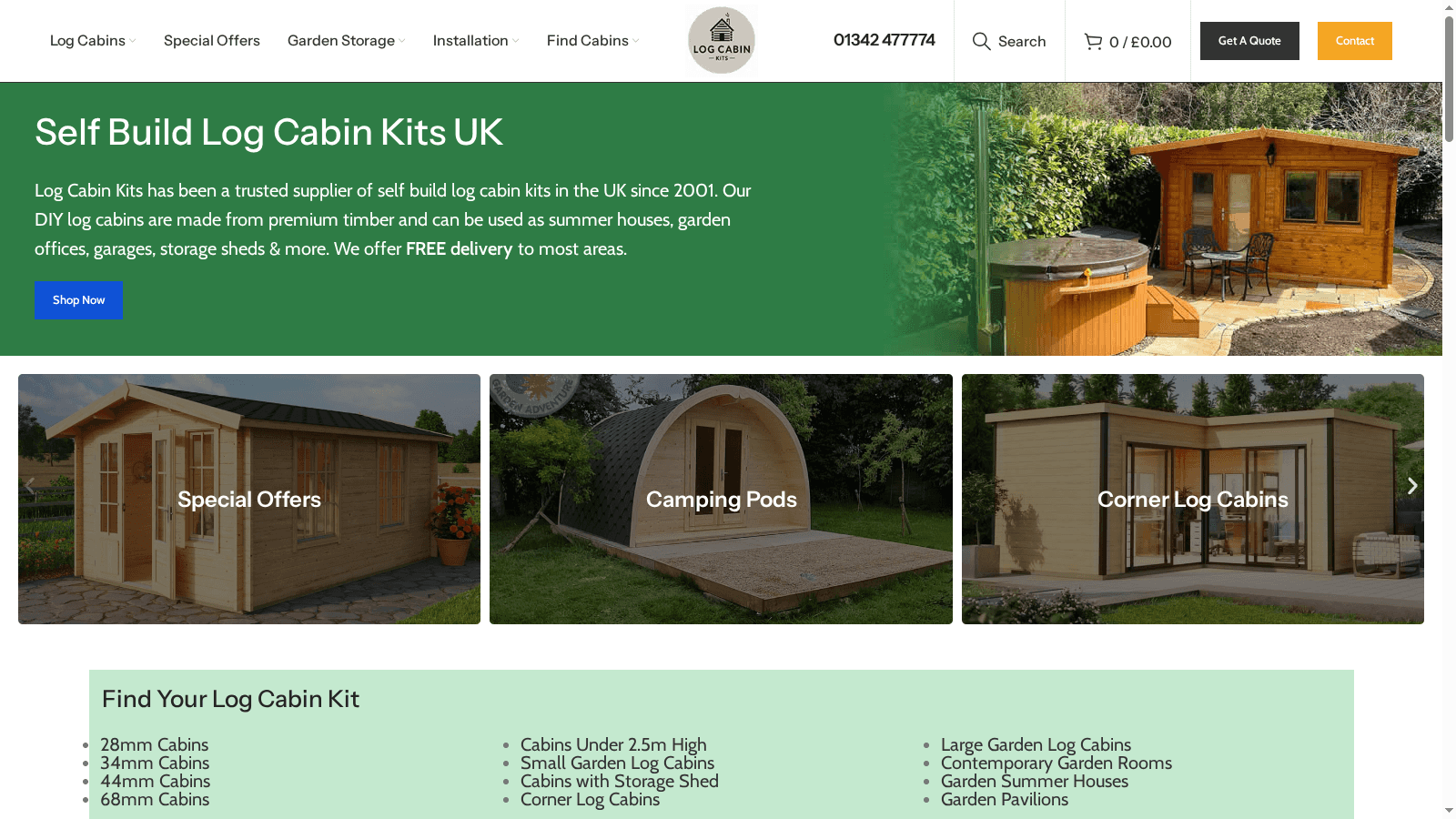
Don’t settle for generic sheds with limited use when you can choose a cabin designed for comfort, energy efficiency, and flexibility. Visit our website now to explore customisation options for garden cabins and learn more about garden cabin terminology that will help you make informed decisions. Start your journey to a personalised garden retreat with Log Cabin Kits and create a space you will enjoy every day of the year.
Frequently Asked Questions
What are the main benefits of having a log cabin in the garden?
Log cabins provide versatile space for various uses, including home offices, creative studios, gyms, and leisure areas. They enhance your property value and offer year-round comfort with proper insulation and design.
How do log cabins differ from traditional garden sheds?
Unlike traditional garden sheds, log cabins are constructed with solid timber and provide better insulation, durable construction, and the ability to be fully customised to meet specific needs. This makes log cabins suitable for year-round use.
Can log cabins be used as permanent living spaces?
Yes, many homeowners use log cabins as permanent living spaces such as offices, studios, or even guest accommodation. They are designed for year-round comfort and can be tailored to serve a variety of functions.
What maintenance is required for garden log cabins?
Modern log cabins require minimal upkeep, typically just an annual inspection and basic care such as treating the timber and checking for any signs of wear. With proper construction and materials, they can remain low-maintenance and visually appealing for years.